PCTC 1440x1080 1

UK Carmakers Challenged While China’s Ro/Ro Fleet Eye Europe

Britain’s automotive industry is facing a historic low, as UK vehicle production in May 2025 fell to its weakest level since 1949. Yet while UK manufacturers scale back, Chinese Ro/Ro operators are expanding aggressively, driven by rising vehicle exports and a strategic push into Europe’s automotive supply chain.

According to the Society of Motor Manufacturers and Traders (SMMT), May output plummeted by 33%, marking the fifth consecutive monthly drop and the worst May performance outside the pandemic in 75 years.

Passenger car production fell by 31% due to factory retooling, restructuring efforts, and export pressures, particularly the additional 25% US tariffs on British-built cars. Commercial vehicle output was hit even harder, down 54%.

Exports also declined sharply, with overall car exports down 28% in May, with sales to the US down more than 55% and EU shipments falling by 22.5%. The US now accounts for just 11.3% of UK car exports, compared to 18.2% last year. Commercial vehicle exports slumped by over 70%, dragging total export share down to 41%, from nearly 68% last year.

While trade deals with the US, EU, and India offer a glimmer of recovery, and the UK government’s new Industrial Strategy has been cautiously welcomed, competitiveness remains constrained by high energy costs and limited global market access.

Chinese Ro/Ro Fleet Target Europe
In sharp contrast, China’s automotive and maritime sectors are expanding in tandem and targeting Europe for growth. Chinese car exports hit 6 million units last year and have already grown by another 6% in 2025. 

Backed by this momentum, Chinese logistics and manufacturing giants, including BYD, Geely and Cosco are deploying a wave of new pure car and truck carriers (PCTCs) to challenge global Ro/Ro shipping. China’s top operators already operate over 330,000 CEUs of deep-sea capacity, with more than 160 additional car carriers on order for delivery by 2028.

The strategy is clear: support Chinese auto exports, then aggressively seek return cargo from the UK, Europe and the US. Some of the largest PCTCs in the world, like BYD’s 9,200-CEU vessels, are already sailing, with their maiden voyages underway.

Unlike traditional operators, which serve a broad customer base and global networks, the Chinese model is focused and fast. With fewer port calls and less dwell time, these vessels will achieve higher utilisation and faster turnarounds, giving them a cost and scheduling advantage.

However, Chinese carriers currently lack established backhaul cargo volumes. To fill empty capacity on westbound legs, the expectations is that they will cut freight rates, potentially sparking a rate war in the PCTC market. While this may benefit cargo owners in the short term, it raises serious concerns about rate dumping and market distortion.

For automotive exporters already grappling with global competitiveness, rising Chinese presence in vehicle manufacturing and Ro/Ro shipping could further disrupt market balance, especially if European importers pivot toward Chinese brands supported by their own integrated logistics infrastructure.

Metro understands the complexities of global automotive supply chains and the growing pressures facing UK manufacturers. Our multimodal freight services, OEM experience and tailored Ro/Ro solutions help keep your production lines supplied and your finished vehicles moving to market—despite rising competition.

EMAIL our managing director Andrew Smith.

LHR BA landing

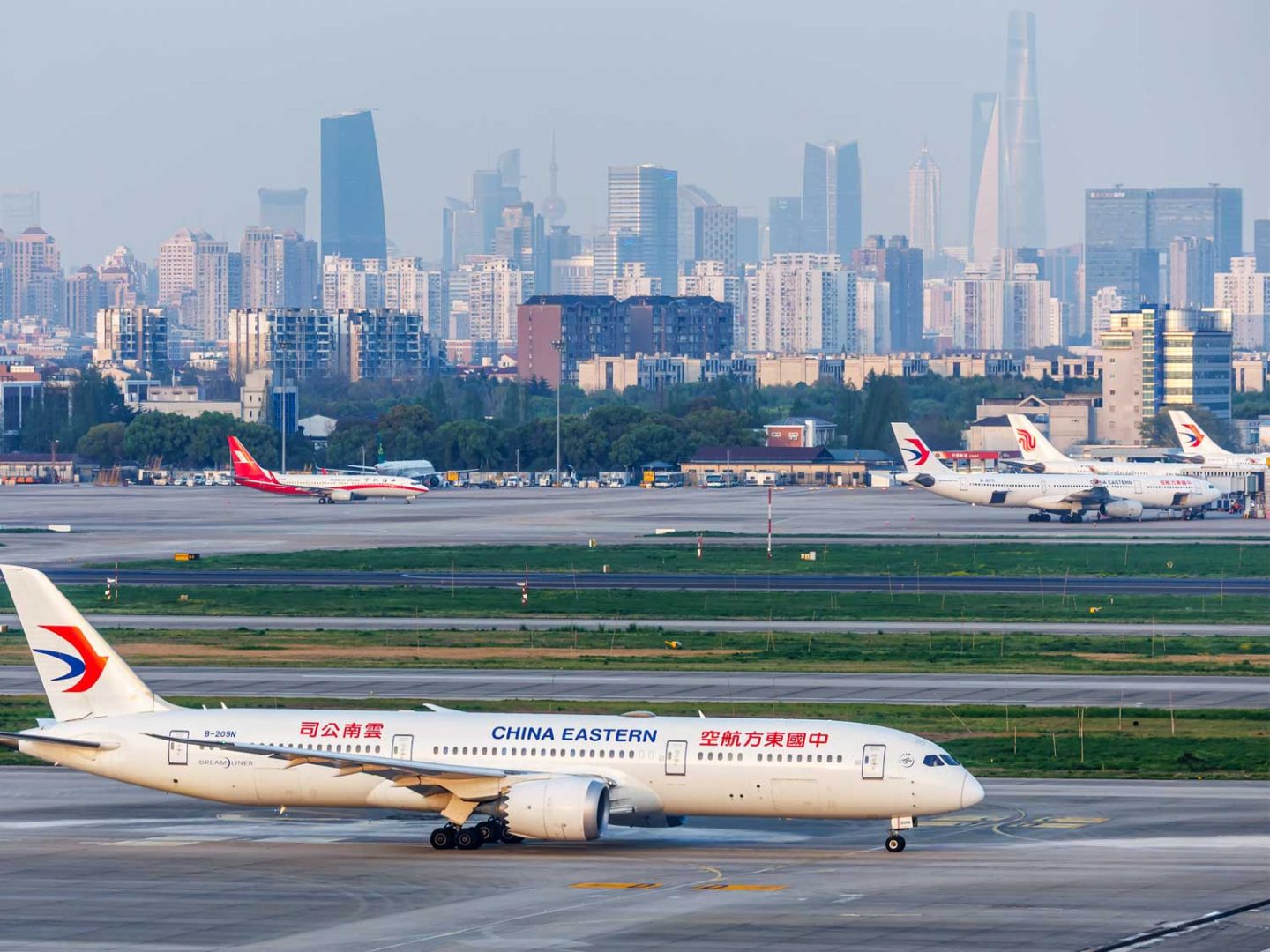
Preparing for Air Cargo Peak Season Amid Tariff Uncertainty

Air freight markets are entering the second half of 2025 in a state of volatility, as early signs of peak season demand clash with consumer caution and a shifting tariff landscape.

Despite President Trump suggesting that the next round of US tariffs may not take effect until August, the legal reality is firmer: the executive order issued on 9 April mandates that reciprocal tariffs will be enforced from 12:01 am EDT on 9 July, unless a further Executive Order is made. This deadline is already influencing behaviour across key trade routes and sectors, with shippers attempting to front-load freight and adjust their sourcing strategies.

As expected, June saw a seasonal lull across many air freight corridors. Rates out of Hong Kong to both Europe and North America softened slightly month-on-month, falling by low single digits, while year-on-year declines were sharper to North America, reflecting weaker consumer demand and reduced eCommerce.

The removal of de minimis exemptions combined with the imposition of tariffs on many goods, has triggered a pronounced shift in flows: air cargo volumes from China to the US have fallen around 15% since March, while rates have dropped by more than 15% over the same period. In contrast, tonnage from China to Europe is up 15% year-on-year, supported by stable rates and reallocated capacity.

Transatlantic lanes also reflect the summer dynamic. With increased belly-hold capacity from passenger flights, rates between Europe and North America dipped slightly in June. However, spot freight prices on both directions of the transatlantic remain higher than a year ago, suggesting underlying resilience.

Spot Market Dominance and Capacity Volatility
One of the most significant developments this quarter has been the dramatic shift toward the spot market on Asia Pacific–US lanes. By June, more than 70% of general cargo bookings on these routes were made on spot terms, up from around 50% in the same period last year. This trend reflects carrier uncertainty, volatile demand, and diverging expectations around tariff timing and impact.

For comparison, spot market activity on Asia-Europe lanes has remained relatively stable, with roughly 47% of cargo moving under short-term rates. The growing disparity between contract and spot pricing points to the challenges of forecasting capacity needs in politically sensitive markets.

Peak Season Prospects: Uncertainty Over Tradition
Traditionally, air freight demand accelerates from mid-August as retailers ramp up inventory for back-to-school, autumn sales, and the holiday period. However, the current market is anything but traditional. Consumer confidence remains fragile due to rising living costs and trade friction, with the largest shippers increasingly hesitant to commit to long-term air freight contracts.

Global air cargo volumes rose by just 1% year-on-year in June, with capacity growth outpacing demand for the first time in over 18 months. This imbalance is likely to pressure rates across many lanes, even as jet fuel prices spike and geopolitical risks persist.

While some Southeast Asia–US routes saw modest rate gains in June, buoyed by pre-tariff demand and capacity rebalancing, overall expectations for Q3 remain muted. Analysts warn that weaker consumer spending and ongoing tariff complications could limit any meaningful peak season surge, especially on transpacific routes.

Outlook 
Despite the structural pressures, there are opportunities for shippers in the current environment. Short-term rates are more flexible, capacity is more available than in past peak seasons, and carriers are actively repositioning services to match evolving demand patterns.

The real wildcard remains US trade policy. Without a new executive order, 9 July marks the start of a new tariff chapter that will ripple across global supply chains, just as the air freight industry typically gears up for its busiest season.

Now is the time to plan ahead.
With more flexible short-term rates, improved capacity availability, and carriers adapting to demand shifts, shippers have a unique window to secure cost-effective and reliable air freight solutions before peak season pressure builds.

EMAIL our managing director, Andrew Smith today to assess your options and take advantage of current market conditions.

ship aerial 1440x1080 1

Europe Builds Momentum as Trans-Pacific Slowdown Deepens

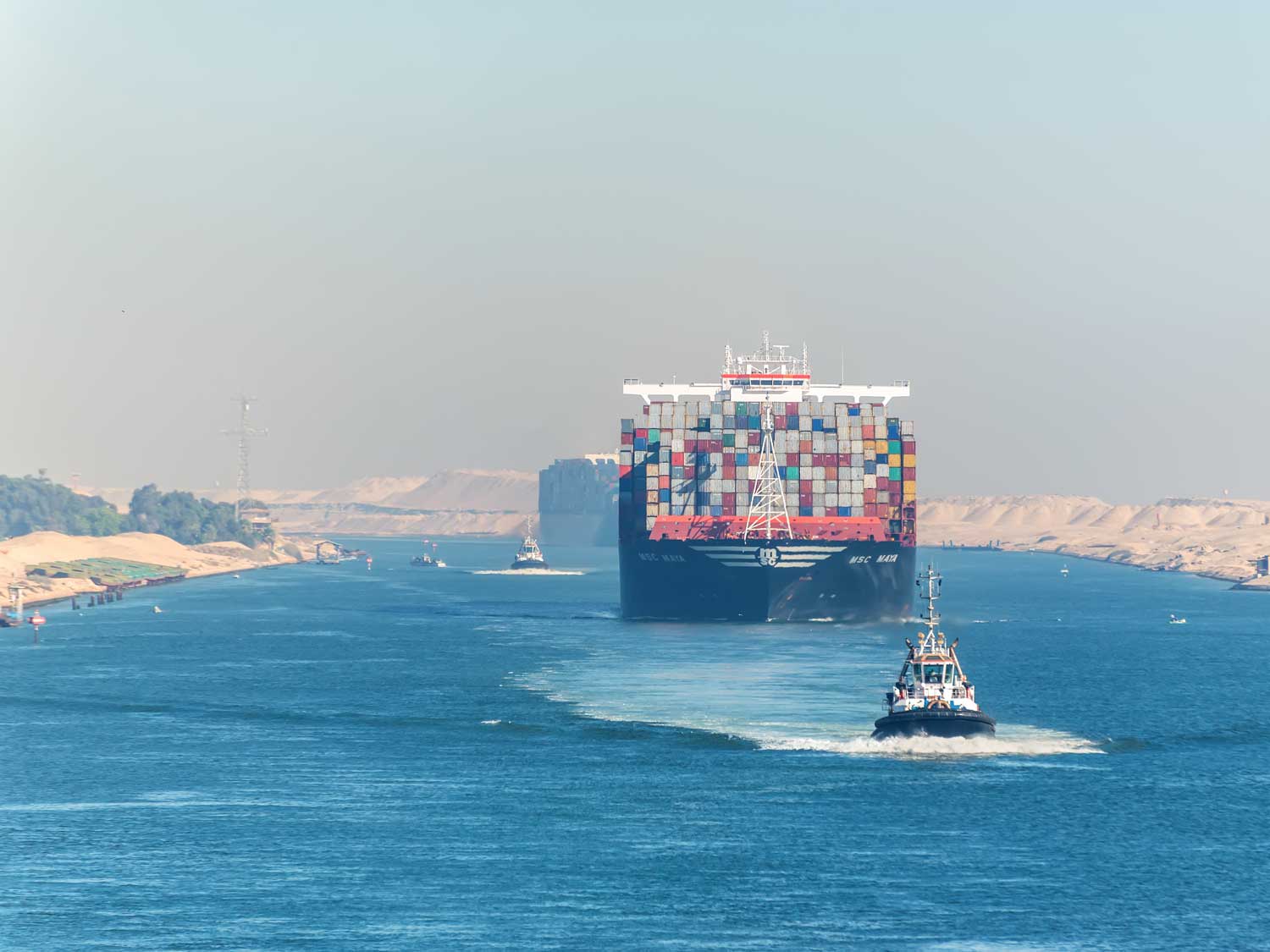
Global container shipping is evolving rapidly, with Asia–Europe trade lanes showing fresh strength just as the transpacific market enters a significant slowdown. This divergence is creating new challenges and opportunities for shippers.

On the Asia–Europe route, demand has been steadily rising, with spot freight rates climbing significantly since the end of May. After a sluggish start to the year, the peak season seems to have arrived, driven by stronger consumer sentiment in Europe, improved macroeconomic indicators, and renewed retailer confidence in stock building.

Forecasts for European imports have been upgraded. Instead of the previously expected 3.5% annual growth, volumes are now set to increase by 6% through 2025. This is being supported by lower inflation, falling unemployment, rising disposable income, and stronger euro/sterling, which is making imports from Asia more affordable.

A new UK trade agreement is also giving exporters a boost by reducing U.S. tariffs on inbound goods to 10%. Discussions with the EU are ongoing, and similar tariff terms could apply more broadly to European supply chains, further stimulating demand.

In contrast, container traffic from Asia to North America is heading in the opposite direction. The sharp increase in demand earlier this year, driven by front-loading stock ahead of tariff deadlines, has left warehouses full and order volumes slowing. With inventory levels high and economic uncertainty persisting, import activity is falling, and rates have dropped since early June from Asia.

Adding to this pressure is the looming reintroduction of US tariffs. Temporary suspensions on general and China-specific tariffs are set to expire in July and August respectively. While extensions are possible, the expected imposition of new duties, potentially rising to 55% for some Chinese goods, may suppress demand further and shift sourcing decisions in the second half of the year.

Although a short-lived spike in cargo arrivals at US West Coast ports may materialise in July, driven by attempts to beat the tariff deadlines, this is expected to be a temporary reprieve in a broader downtrend.

Meanwhile, carriers on the Asia–Europe route are preparing to balance higher demand with tighter capacity. Shipping lines plan to withdraw approximately 90,000 TEU of scheduled space in August compared to July, using blank sailings and capacity cuts to maintain pricing discipline. If volumes remain strong, this could lead to a second wave of rate increases before the end of summer.

Beyond commercial dynamics, security remains a key concern in the Red Sea. A bulk carrier was attacked this week using drone boats, rocket-propelled grenades, and small arms, in the first such assault since December. Analysts warn that the threat level to commercial shipping has risen significantly, with continued disruption to Suez-linked services.

As trade routes shift, tariffs tighten, and risks increase, the ability to adapt quickly and make informed shipping decisions is more critical than ever.

Metro’s sea freight team provides expert guidance to help you navigate volatile conditions, mitigate disruption, and make your supply chain more resilient. Whether you’re importing from Asia or exporting to global markets, we’ll keep your cargo moving and your costs under control.  EMAIL our managing director Andrew Smith.

CBP 1440x1080 1

US Customs Reforms Raise Questions on HTS Entries and Transshipped Goods

Businesses responsible for customs clearing goods into the US are adjusting to two significant Customs and Border Protection (CBP) changes that could affect classification practices and the treatment of goods in transit.

Firstly, CBP has expanded the number of Harmonised Tariff Schedule (HTS) codes allowed per entry line from 8 to 32. The change, which applies to both standard and reconciliation entries, is intended to streamline the entry process and improve digital efficiency across the Automated Commercial Environment (ACE).

The move to allow 32 HTS codes per line is a big shift, and speaks volumes about the uncertainty over future tariffs. It is clearly leaving the door open for further complexity, depending on how U.S. trade partners respond and while the largest brokers can technically handle it, those without automation or AI technology have voices concerns. 

For importers managing high-SKU consignments, the risk of misclassification or documentation errors increases significantly, potentially leading to delays, penalties or additional scrutiny.

Industry Seeks Clarity on Transshipment and Tariff Application
A second area of concern relates to the treatment of transshipped goods under the new tariffs introduced via the International Emergency Economic Powers Act (IEEPA) in April.

A coalition of 94 shipper, broker and forwarder organisations, including major retail and transport associations, has written to CBP and the Department of Homeland Security, urging them to clarify whether cargo transshipped via third countries remains eligible for tariff exemption if it left its origin before the April 5 deadline.

The industry points to longstanding CBP rulings that support exemption based on the original country of export, provided there is documentation such as bills of lading, purchase orders and invoices confirming that the US was the intended final destination.

However, it is reported that CBP’s responses have been inconsistent, with some entries flagged for duties despite meeting these criteria. Further guidance issued in May attempted to address this issue through a list of FAQs, but many in the trade community feel uncertainty persists, especially as tariff reviews continue and legal challenges to IEEPA enforcement remain unresolved.

Metro’s Support for UK Exporters and US Importers
In this changing environment, Metro’s customs brokerage services are designed to ensure that clients stay compliant, informed, and in control. Our AI, ML and automation driven brokerage platform – CuDoS is designed to handle the expanded 32-code entry structure, making it easier to manage complex multi-SKU shipments with speed and accuracy.

For exporters selling to US group companies or under Delivered Duty Paid (DDP) terms, our US-based team at Metro Global USA provides end-to-end clearance support, including documentation validation and tariff strategy. We continuously monitor CBP guidance and help structure entries to support exemption eligibility, including shipments routed via transshipment hubs.

Whether navigating classification changes or securing the right evidence for tariff relief, Metro combines local knowledge, intelligent systems, and customs expertise to simplify compliance and protect your business.

EMAIL our managing director Andrew Smith, to learn about our customs services and CuDoS platform: