
Ocean Freight
Global carrier contracts, space guarantees and variable price options to keep our customers cargo moving.

K
TEU
shipped

+
Trade
Lanes

K
Consignments
managed
Full/Less than Container Load – FCL/LCL
- N Complete visibility end-to-end via MVT
- N Strategic MCC hubs
- N Established services worldwide
Roll on Roll off (RoRo – H&H)
- N Finished vehicle logistics
- N High & Heavy, industrial, agricultural
- N Global PCC and PCTC RoRo
Conventional & Project
- N Bespoke programme of solutions
- N Oil and gas/energy and power
- N Charter services available by all modes
Learn more

Ocean News & Insights

Falling Rhine levels put European supply chains under growing pressure
Record-low water levels on the Rhine are creating another significant challenge for European supply chains, restricting barge capacity, increasing transport costs and putting additional pressure on already constrained road and rail networks. The Rhine is one of Europe’s most important…

India and Bangladesh exporters face capacity squeeze
Exporters across India and Bangladesh are facing a difficult combination of strong demand, restricted vessel space, equipment shortages and weather-related disruption, with pressure particularly acute on westbound services to Europe and North America. Although the underlying causes vary between the…
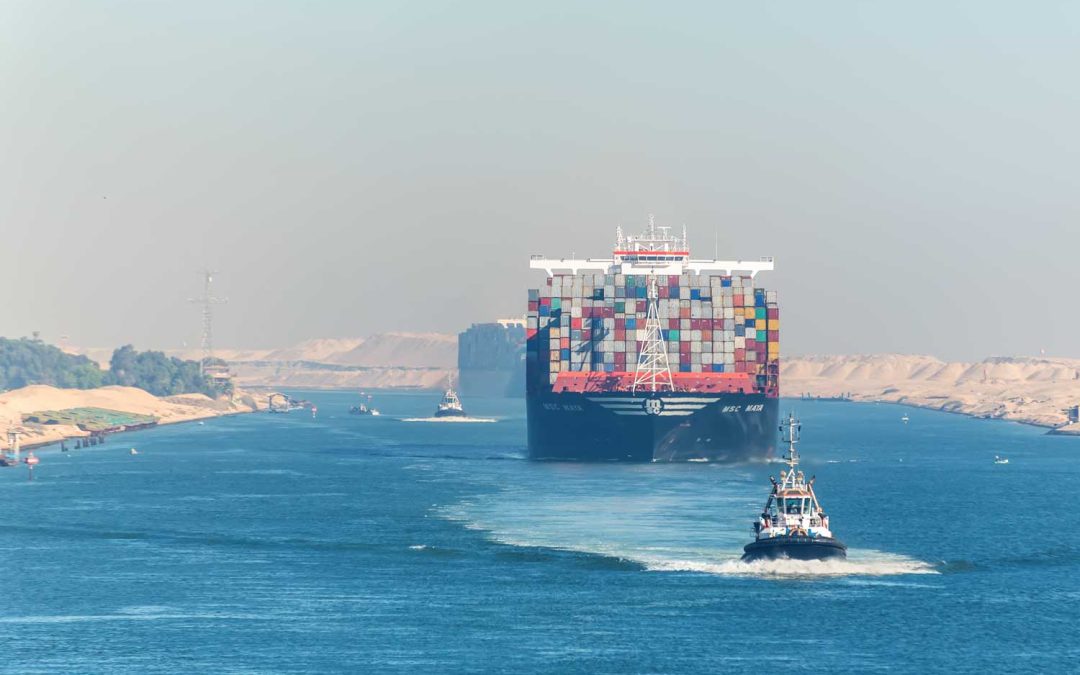
Red Sea return gathers pace, but risks remain
Container shipping through the Red Sea and Suez Canal is gradually increasing as major carriers test a return to the shorter Asia–Europe route, potentially signalling an important change for global supply chains. But this is far from a return to…
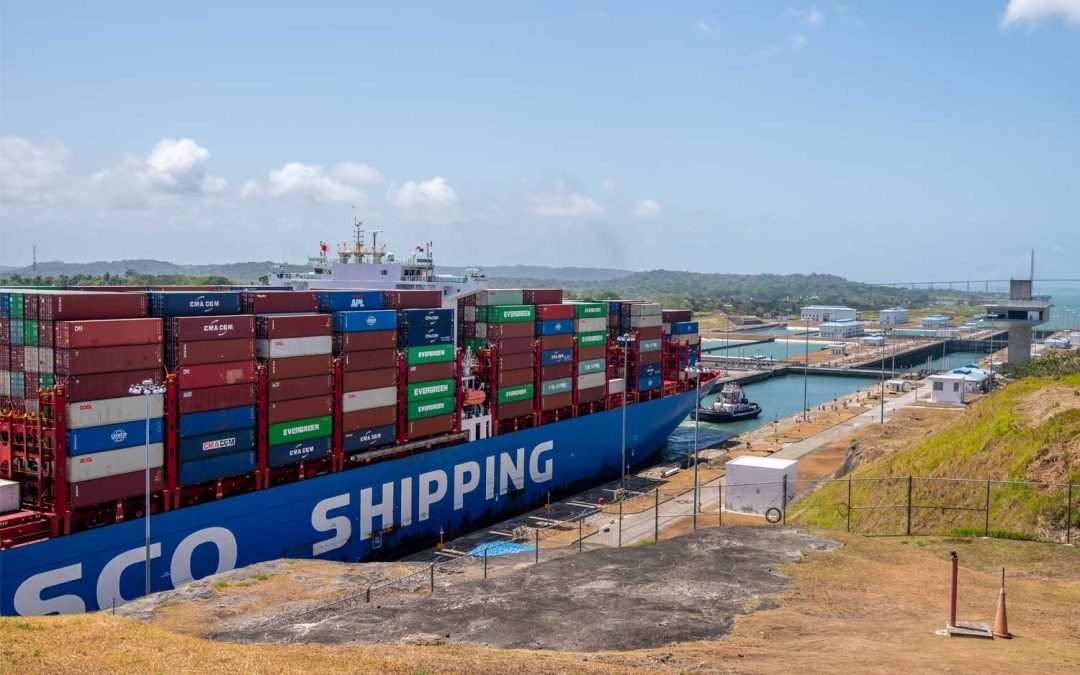
Panama Canal constraints add another layer of pressure to transpacific shipping
The transpacific market is entering an even firmer phase, with stronger cargo demand, restricted vessel capacity and new Panama Canal constraints combining to increase costs and tighten space, particularly into the US East and Gulf coasts. Spot rates indexes have…
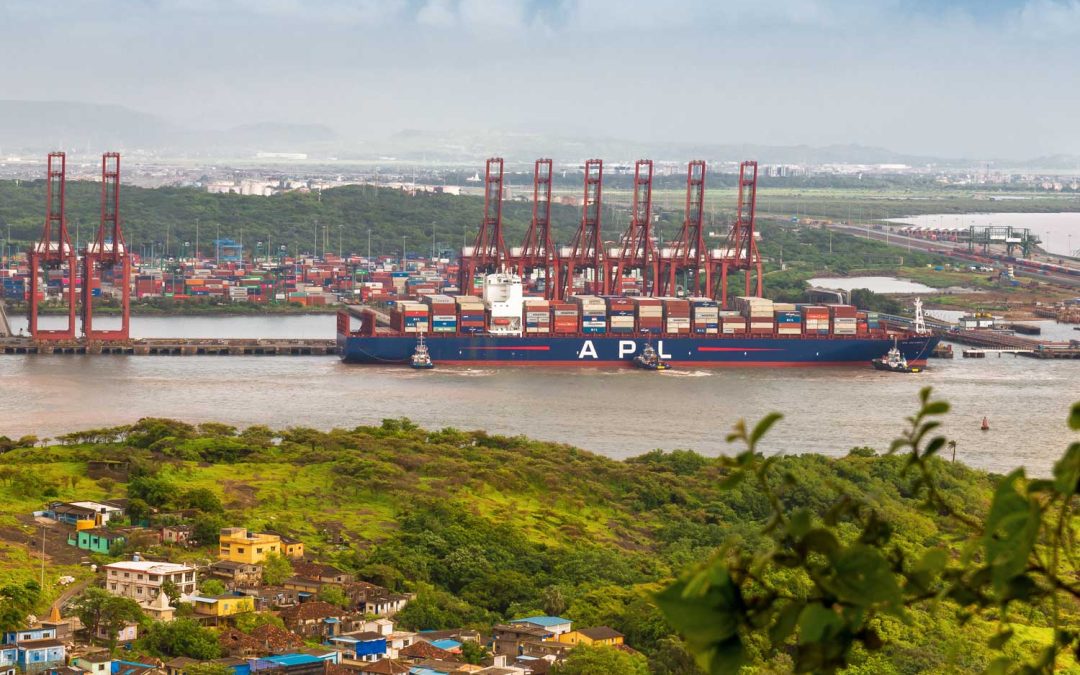
Customer Advisory: India and China Container Shipping Disruption
Container shipping markets in India and China are experiencing significant operational disruption, resulting in longer transit times, reduced schedule reliability, constrained equipment availability and rising freight costs. Metro is working closely with shipping lines, terminals and inland partners to minimise…

Peak season survey reveals cautious confidence as demand strengthens
Metro’s Q3/26 Peak Season Survey suggests businesses are entering the second half of the year with growing confidence, despite ongoing uncertainty across global supply chains. While current shipping volumes remain mixed, the outlook for the next three months is positive….
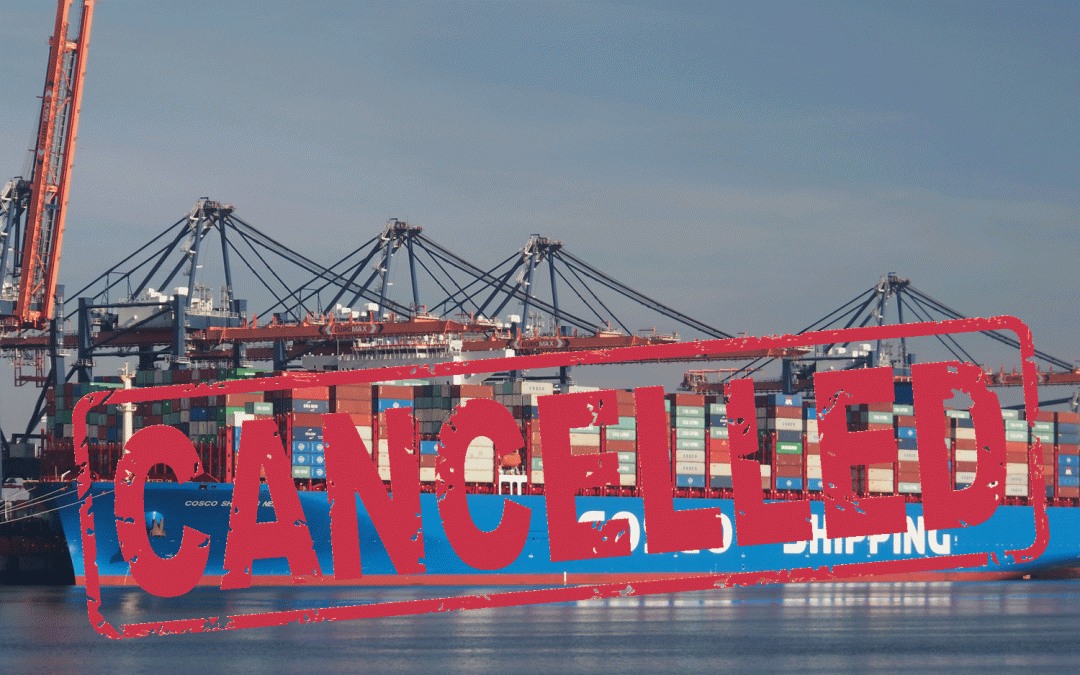
Why blank sailings have become the new normal for container shipping
Spot freight rates have eased from their summer highs, but the container market remains far from settled. While demand has softened following an unusually early peak season, ocean carriers continue to tightly control available vessel space through blank sailings. The…
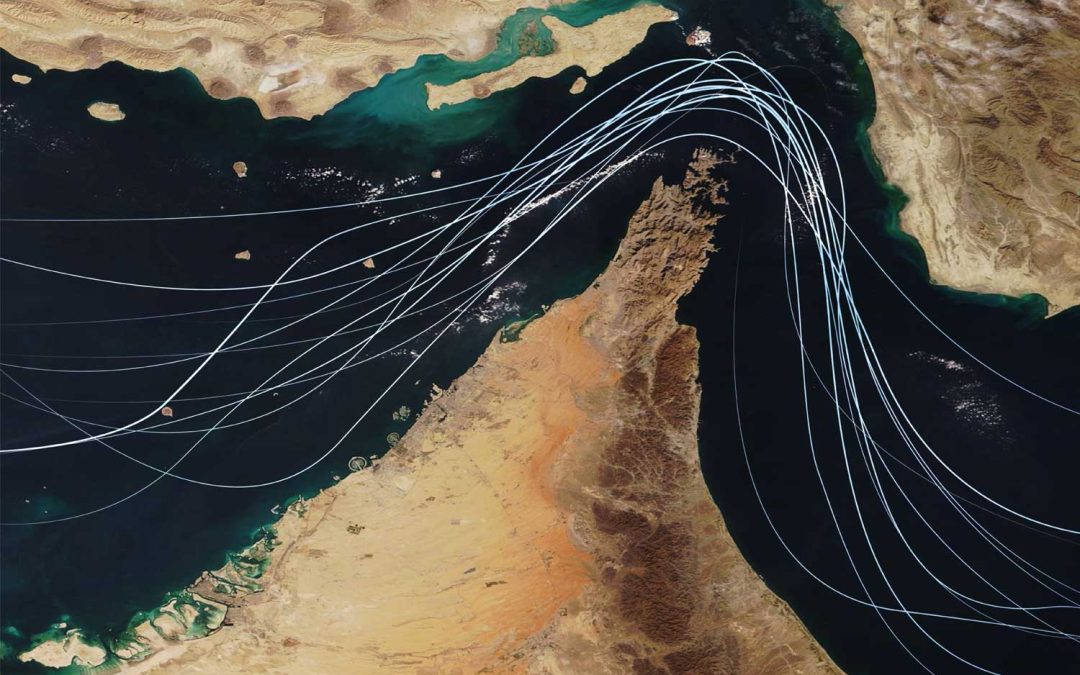
Middle East conflict is reshaping global shipping once again
Commercial shipping in the Strait of Hormuz and Red Sea is facing renewed disruption with 14 Iranian attacks on vessels since June 25th, the breakdown of the US-Iran ceasefire and a Houthi threat to target Saudi-linked shipping in the Bab…

Typhoon Bavi exposes fragility in global supply chains
Typhoon Bavi, an exceptionally powerful and large tropical cyclone that tore through the Western Pacific last week may have passed, but its impact on global supply chains will linger for at least another week. After forcing the temporary closure of…
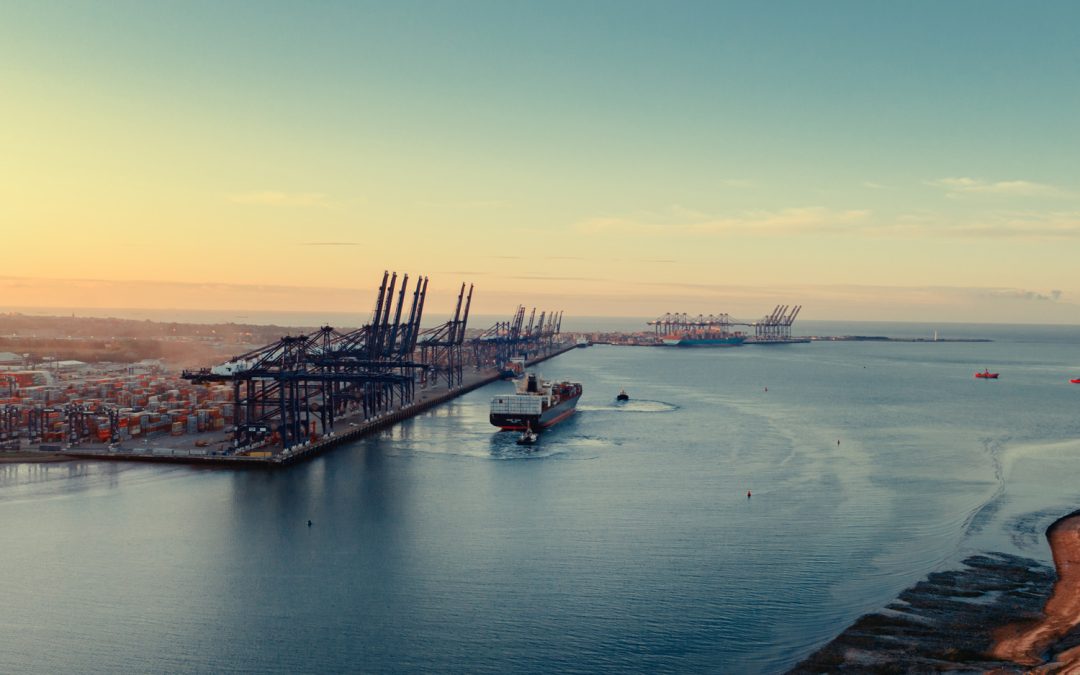
Strong demand and constrained capacity are reshaping container shipping
For much of the recent past, freight markets have lurched from one disruption to another. Pandemic recovery, conflict in the Red Sea, tariff uncertainty and conflict in the Middle East have each triggered periods of higher freight rates before conditions…
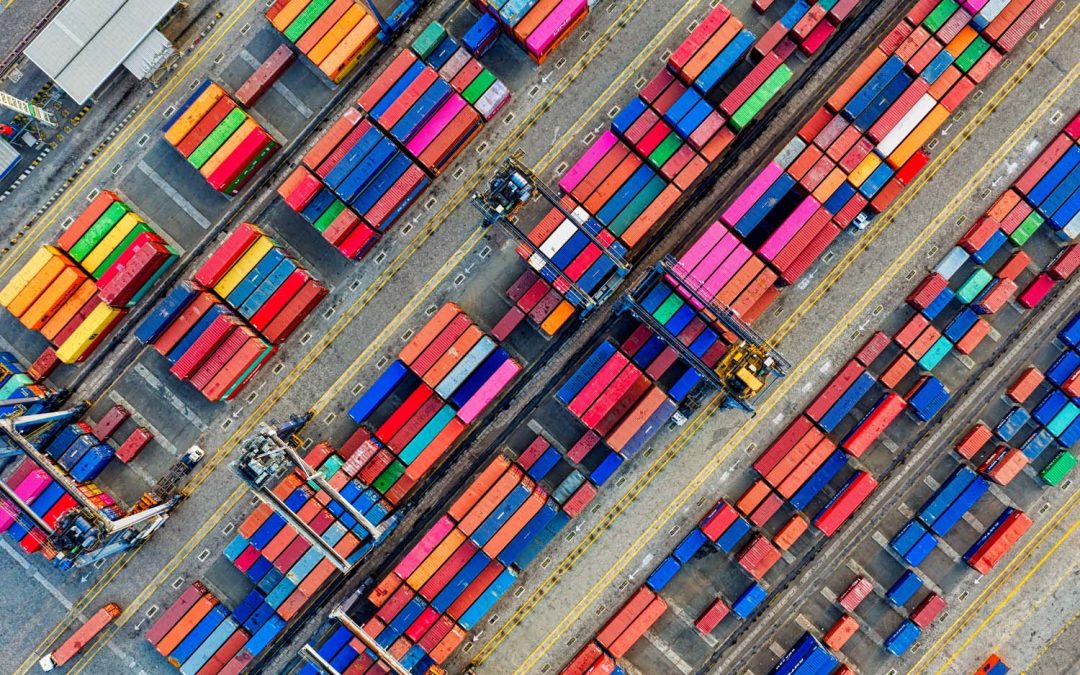
Global port congestion is worse than expected
Container shipping is once again under pressure from widespread port congestion, but headline delay figures are only telling part of the story. Across major global hubs, vessel queues are building, schedules are slipping, and reliability is deteriorating. Yet at the…

Early peak season continues to support higher ocean rates
Peak season arrived earlier than expected this year, but it shows little sign of easing. Ocean freight rates from Asia to Europe continue to climb as strong demand, disciplined capacity management and lingering geopolitical uncertainty combine to keep pressure on…
Fatal Accident Adds to Nhava Sheva Terminal Disruptions
Heavy monsoon conditions and a fatal terminal accident are causing major delays to vessel and road operations at the Indian port of Nhava Sheva. Raigad/JNPT/INNSA is currently under Red Alert due to continuous heavy rainfall and high wind speeds of…
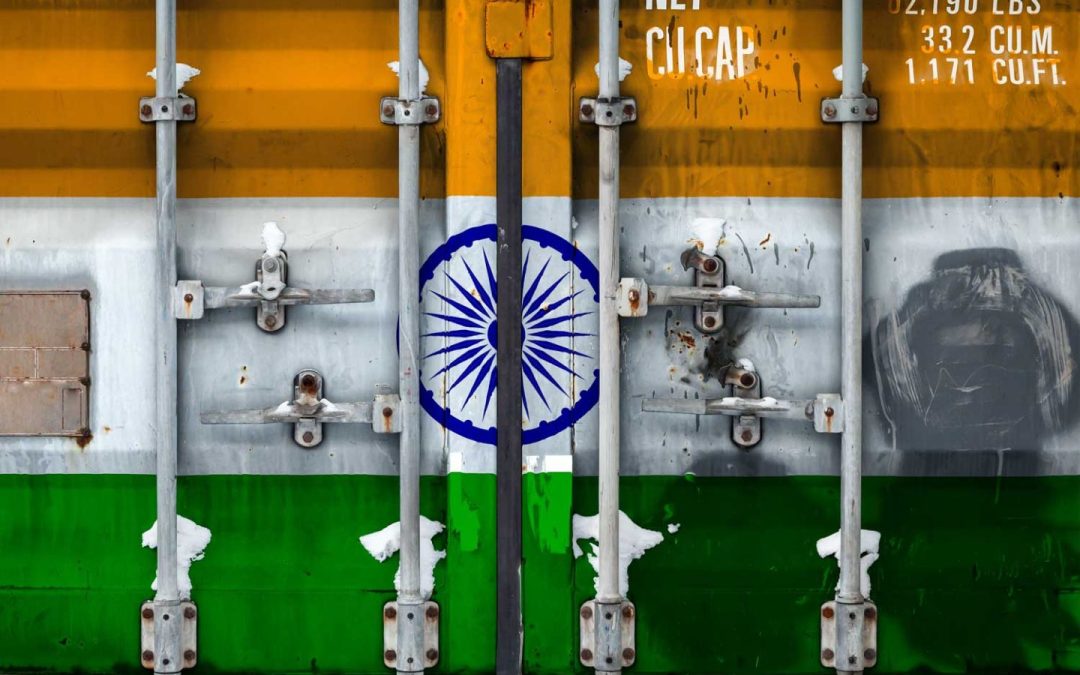
India, the hottest shipping lane
Ocean freight from India has entered a period of intense demand, with tightening vessel space, rising freight rates and increasing competition for capacity across both European and North American trade lanes. For businesses diversifying manufacturing away from China or expanding…
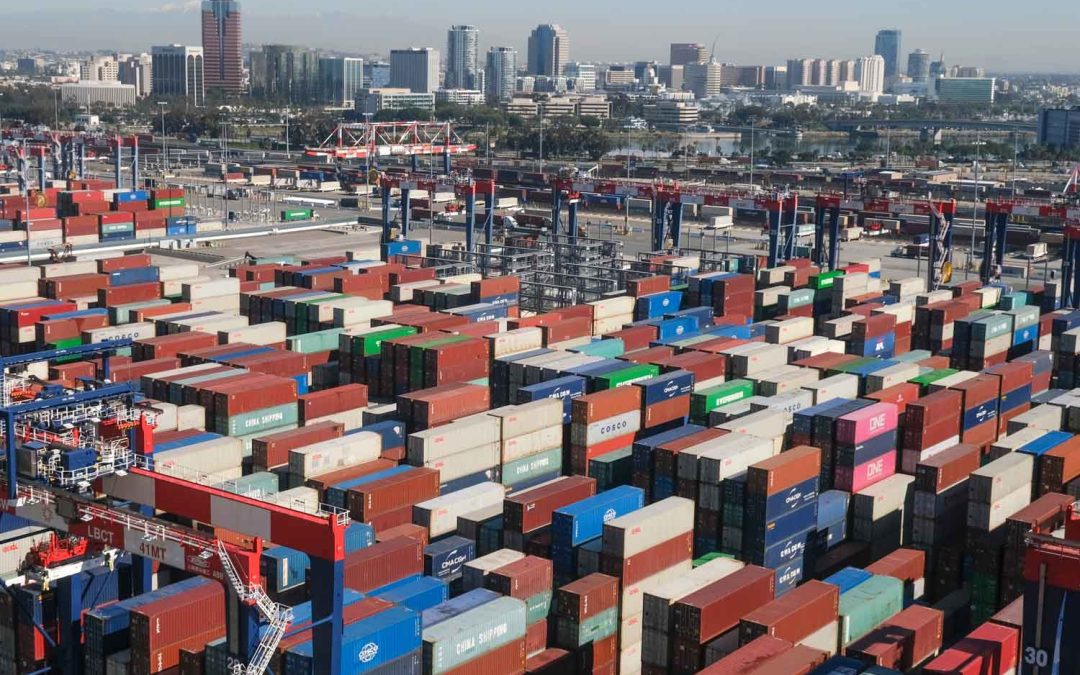
Transpacific shipping remains under pressure as demand ripples inland
What began as a wave of tariff-driven front-loading has evolved into a broader restocking cycle, keeping container demand elevated, supporting transpacific freight rates and placing increasing pressure on inland transport networks. While additional vessel capacity is now arriving on some…
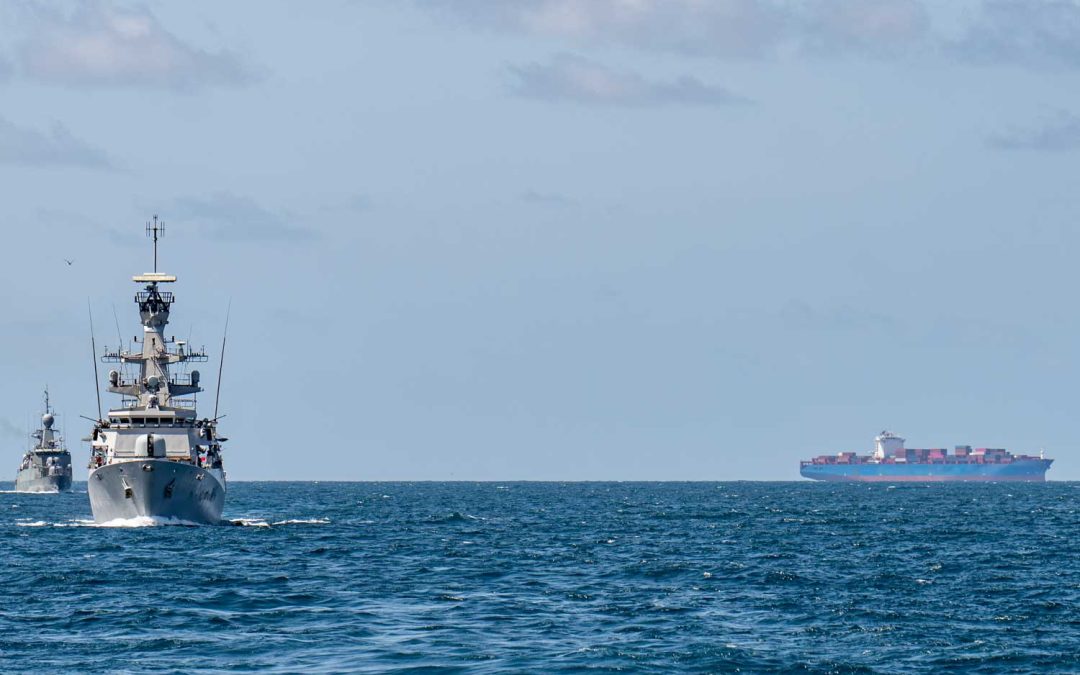
Iran/US ceasefires bring relief, but supply chains still face a long road back
The latest ceasefire agreement between Israel and Hezbollah, alongside the broader US/Iran framework aimed at ending months of regional conflict, has improved sentiment across energy and freight markets. Oil prices have retreated, financial markets have stabilised and hopes are growing…
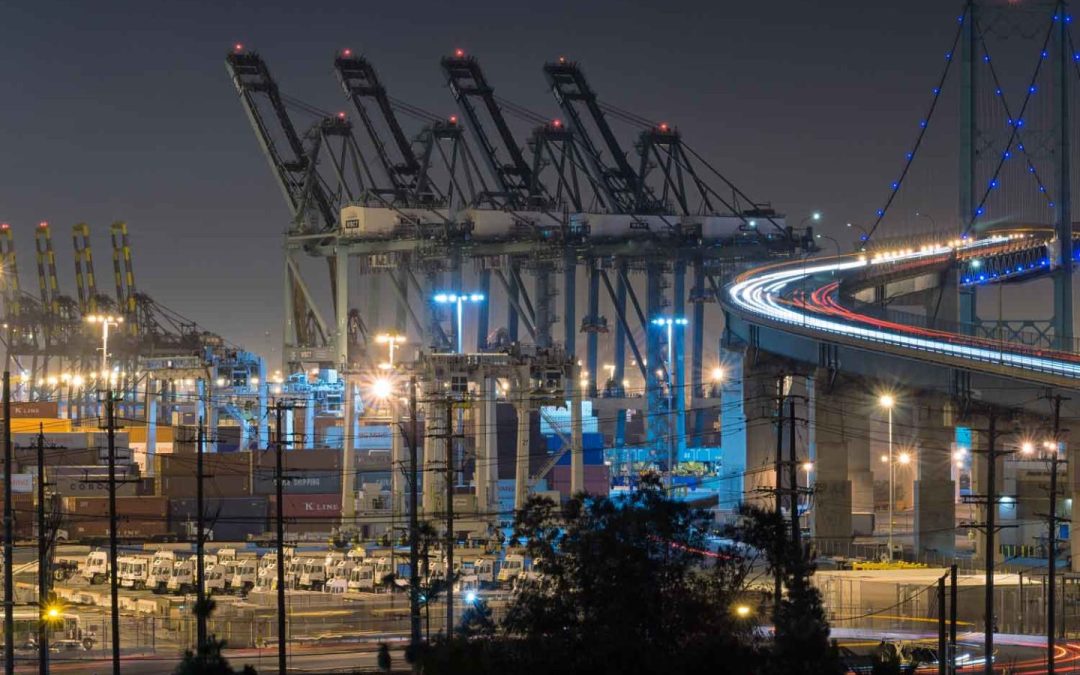
Early peak season surge tightens Asia ocean freight markets
Peak season has arrived earlier than expected and it is already putting global container supply chains under strain, with tightening capacity, rising rates, and growing competition for space across both Asia–US and Asia–Europe trades. What is typically a late summer…
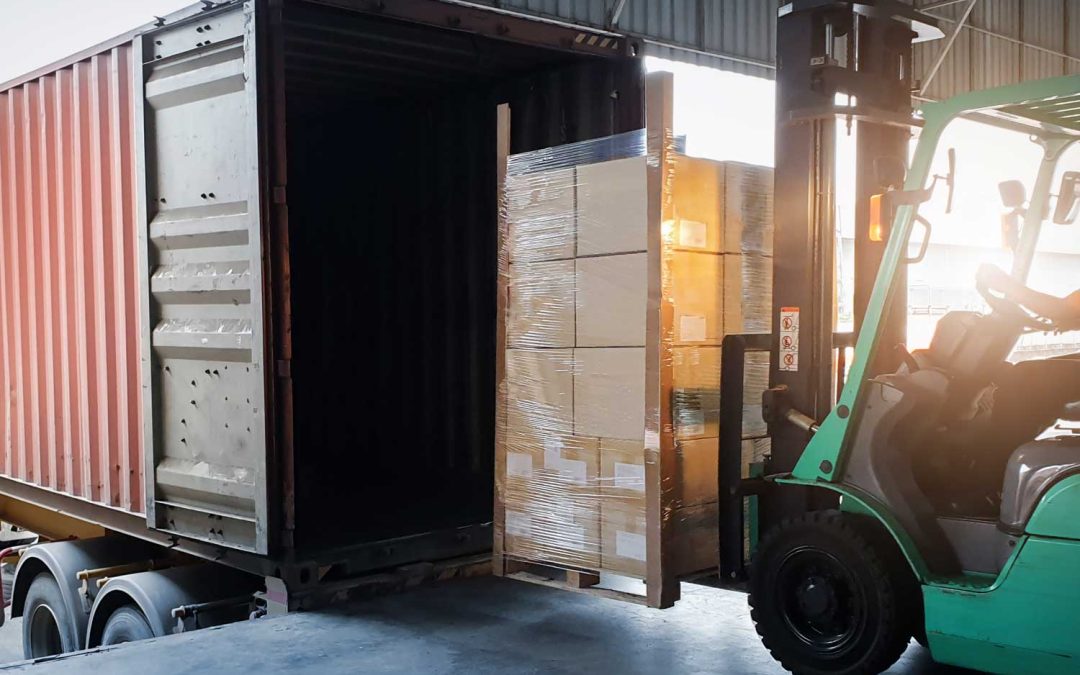
Why more importers are rethinking FCL during peak season pressure
Metro’s LCL Optimised Solution lets shippers move smaller, more frequent orders without paying for empty container space, freeing up working capital and easing the current squeeze on capacity. As peak season tightens capacity across the major east-west container trades, many…
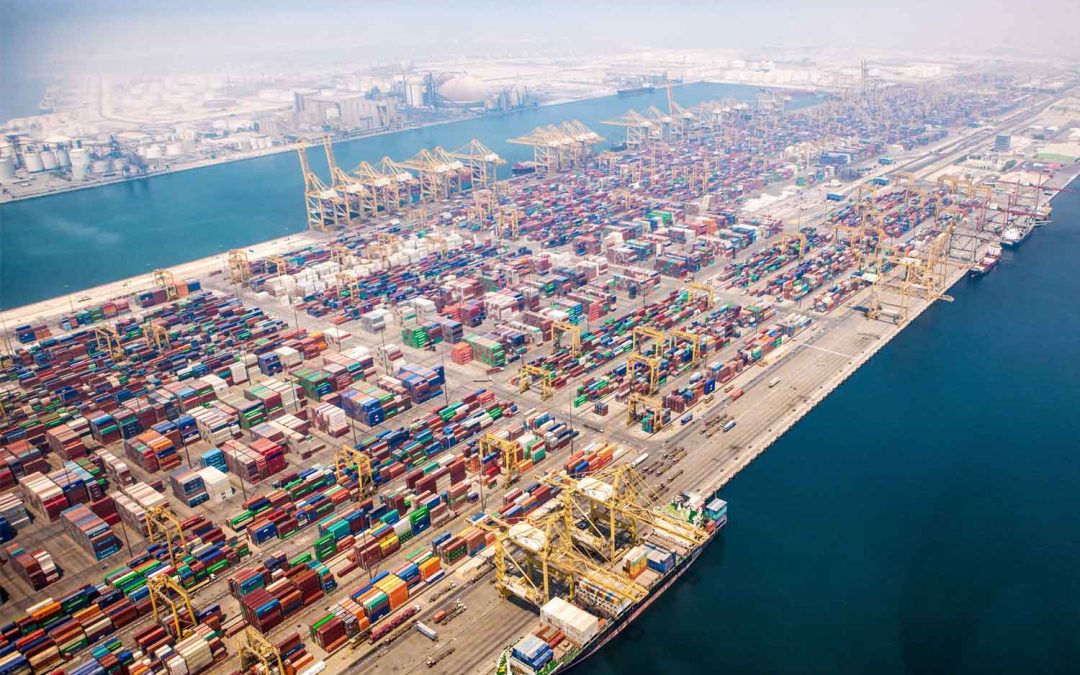
Middle East disruption continues
The ongoing conflict across the Middle East continues to exert major pressure on global supply chains, with the effective closure of the Strait of Hormuz creating sustained disruption across ocean freight, air cargo, energy markets and regional transport networks. Conditions…
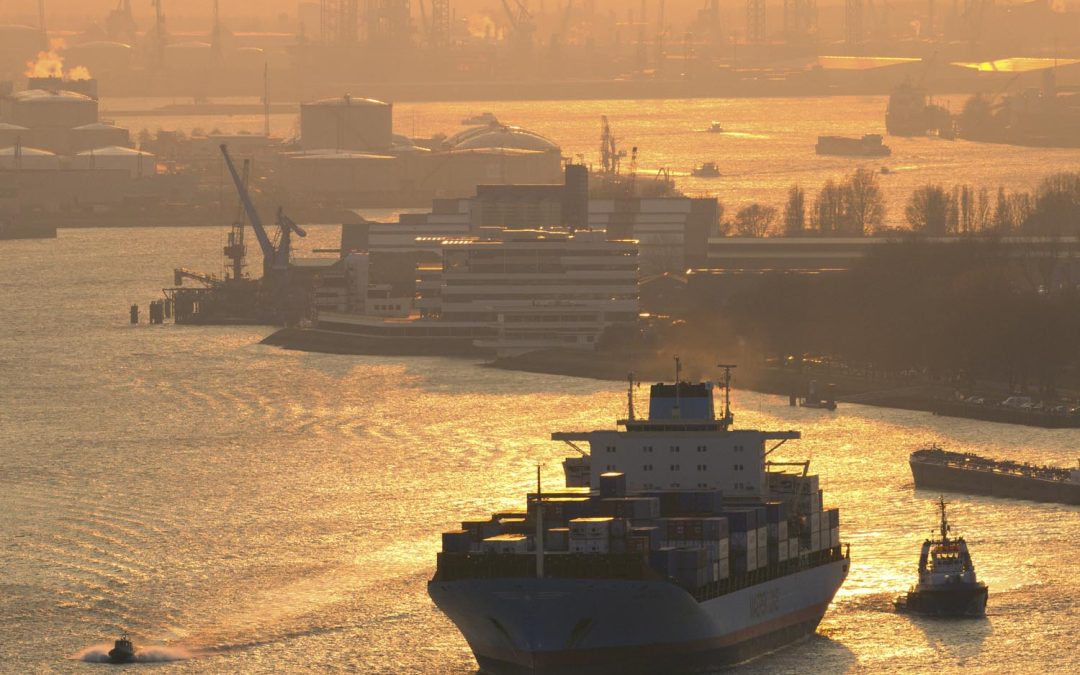
Port congestion spreads as delays ripple through global supply chains
Port congestion in North Europe and East Asia is increasingly a two-ended problem: weather and capacity issues at origin delay departures, and when those same vessels finally reach port in Europe, they miss their planned berths and are forced to…
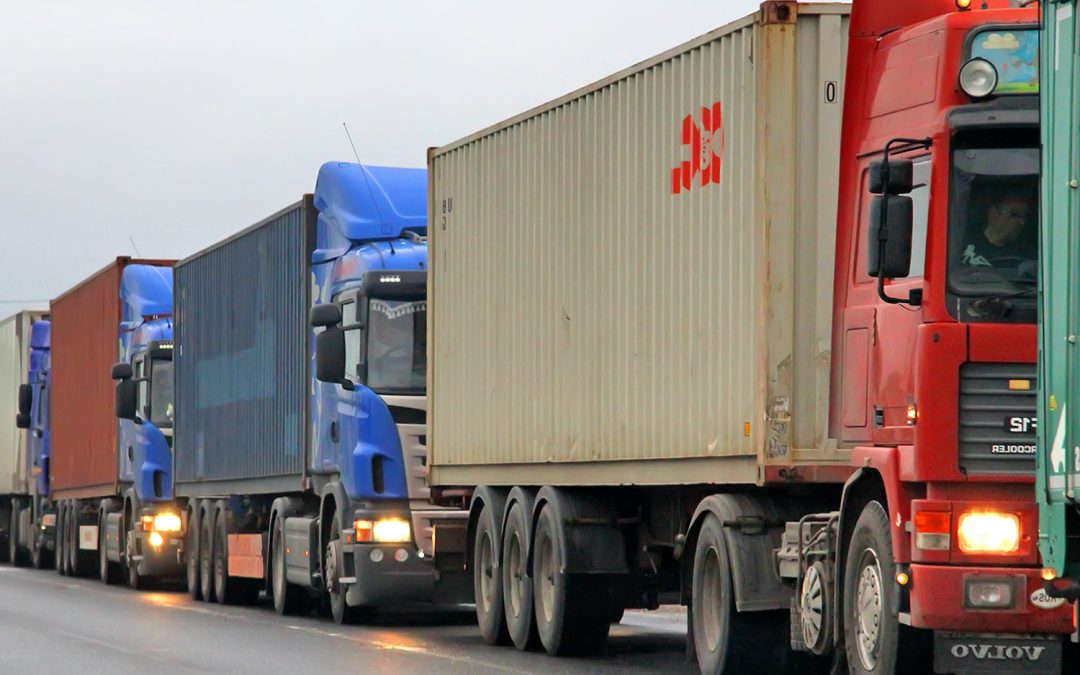
Capacity tightens and rates surge as peak season pressure builds
Asia–Europe and transpacific market conditions have shifted sharply in recent weeks, as strong demand tightens available space and enables carriers to push through higher spot rates and surcharges, even on shipments moving under long-term contracts. Recent index data shows steady…
Case Study
We never “tyre” of getting it right
Working with this global tyre brand for 30 years, Metro manages deep-sea inbound raw material flows and daily bulk dispatch of containerised exports of finished products to numerous destinations across the Middle East, Africa, Asia and the US.
The quality products developed by this client must be protected from contamination, which means that containers must be clean, dry and odour free.
Working directly with the carriers Metro’s account team only position food grade (CDOF) containers.
Containers are supplied on a drop and swap basis, to allow time for inspection and sweeping prior to loading.