Metro’s LCL Optimised Solution lets shippers move smaller, more frequent orders without paying for empty container space, freeing up working capital and easing the current squeeze on capacity.
As peak season tightens capacity across the major east-west container trades, many importers are reassessing whether shipping partially filled containers still makes commercial sense.
With space tighter, container equipment under pressure and freight markets increasingly volatile, Metro is seeing growing interest in flexible LCL (Less than Container Load) solutions that help businesses reduce costs, improve inventory flow and avoid paying for unused container space.
For many shippers, particularly those moving fluctuating or irregular cargo volumes, the traditional Full Container Load (FCL) model can tie up unnecessary working capital and create avoidable inefficiencies across the supply chain.
When LCL becomes more cost-effective
While FCL remains more cost-effective as shipment volumes scale, cargo volumes below 15 CBM are generally better suited to LCL solutions, while 15 to 20 CBM represents a tipping point where FCL and LCL options should be compared carefully.
That calculation becomes even more relevant during peak season periods, when under-utilised containers effectively mean paying premium freight rates for empty space.
However, the headline freight rate is only part of the picture. Many origin and destination charges, including customs clearance, documentation and terminal handling, apply whether cargo moves as FCL or LCL. The real saving often comes from avoiding under-filled containers and reducing indirect costs linked to excess inventory.
Metro’s LCL Optimised Solution
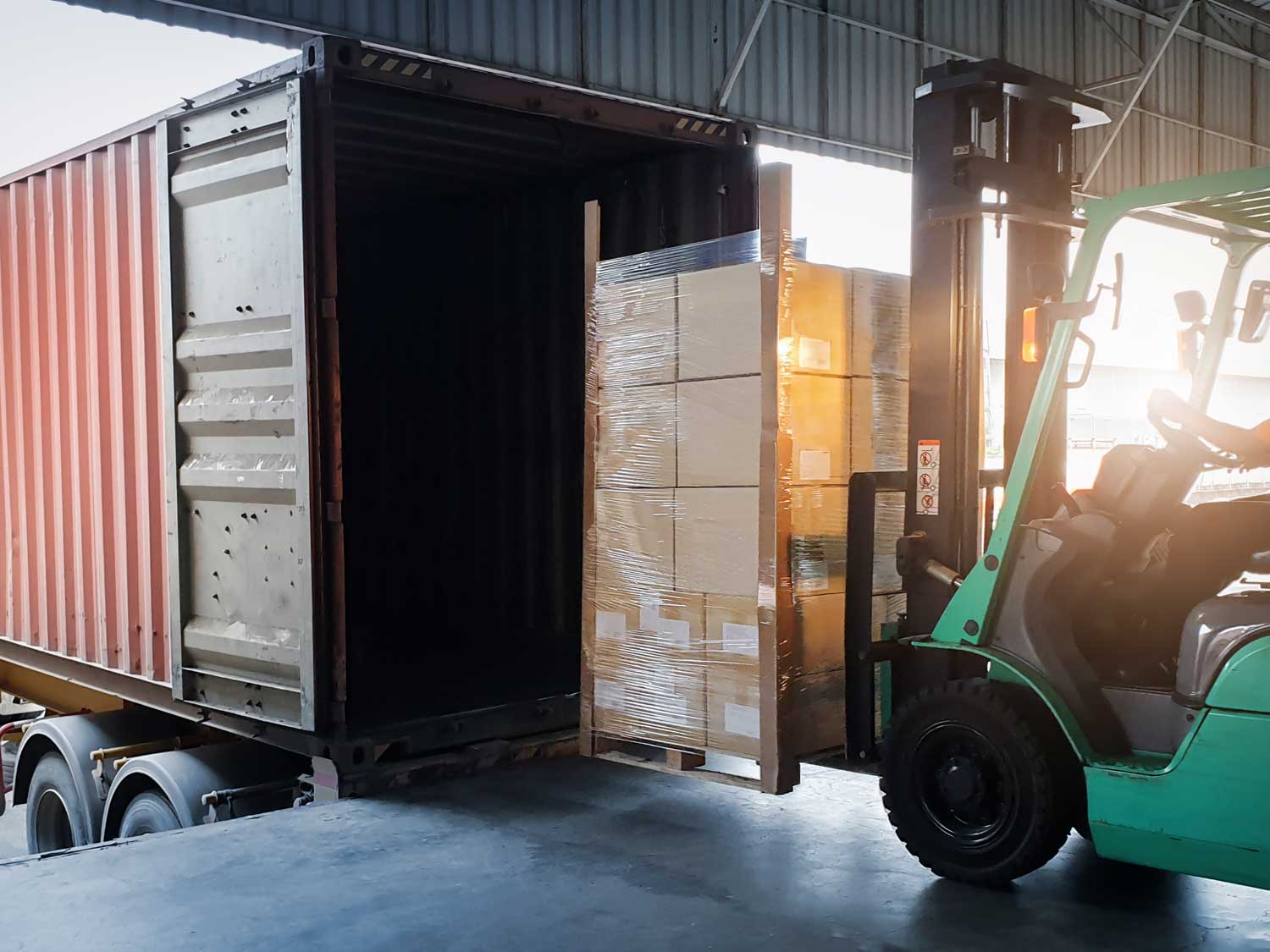
Metro’s Optimised Solution converts under-utilised 20′ and 40′ FCL shipments into LCL by loading cargo into Metro’s own consolidated containers alongside compatible freight from other customers. This improves container utilisation while giving customers access to guaranteed capacity during peak periods without paying for unused space.
Customers benefit from lower freight costs per cubic metre compared with similar volumes moving in partially filled FCL containers, alongside reduced administration and handling complexity through simplified pricing and regular consolidated departures.
Although LCL shipments naturally involve additional consolidation and deconsolidation handling, Metro’s priority processes for LCL conversions minimise disruption, reduce risk and maintain cargo integrity throughout the shipment process.
The overall result is a more flexible and commercially efficient shipping model for importers whose cargo volumes no longer justify dedicated FCL space on every movement.
Reducing inventory pressure and improving flexibility
Smaller and more frequent shipments help reduce the amount of cash tied up in bulk inventory while also lowering storage pressure and dwell time at origin.
Businesses gain greater flexibility to respond to changing demand patterns without committing to large inventory positions weeks or months in advance. In volatile market conditions, that flexibility can become a major operational advantage.
Metro’s regular consolidated departures also help customers reduce origin delays and improve supply chain responsiveness during periods of disruption, particularly when container shortages and rolling bookings are affecting traditional FCL movements.
As market conditions remain volatile and peak season pressure continues building, many importers are reviewing whether every shipment genuinely requires a full container, or whether a smarter consolidation strategy could unlock greater efficiency across the supply chain.
Metro’s Optimised LCL Solution helps customers reduce freight costs, free up working capital, secure guaranteed space and avoid paying for under-utilised containers during volatile market conditions.
If you would like to explore whether converting FCL shipments into Metro’s consolidated LCL solution could improve your supply chain efficiency, save money and improve your cash flow, EMAIL Key Account Director Jane Kenny.