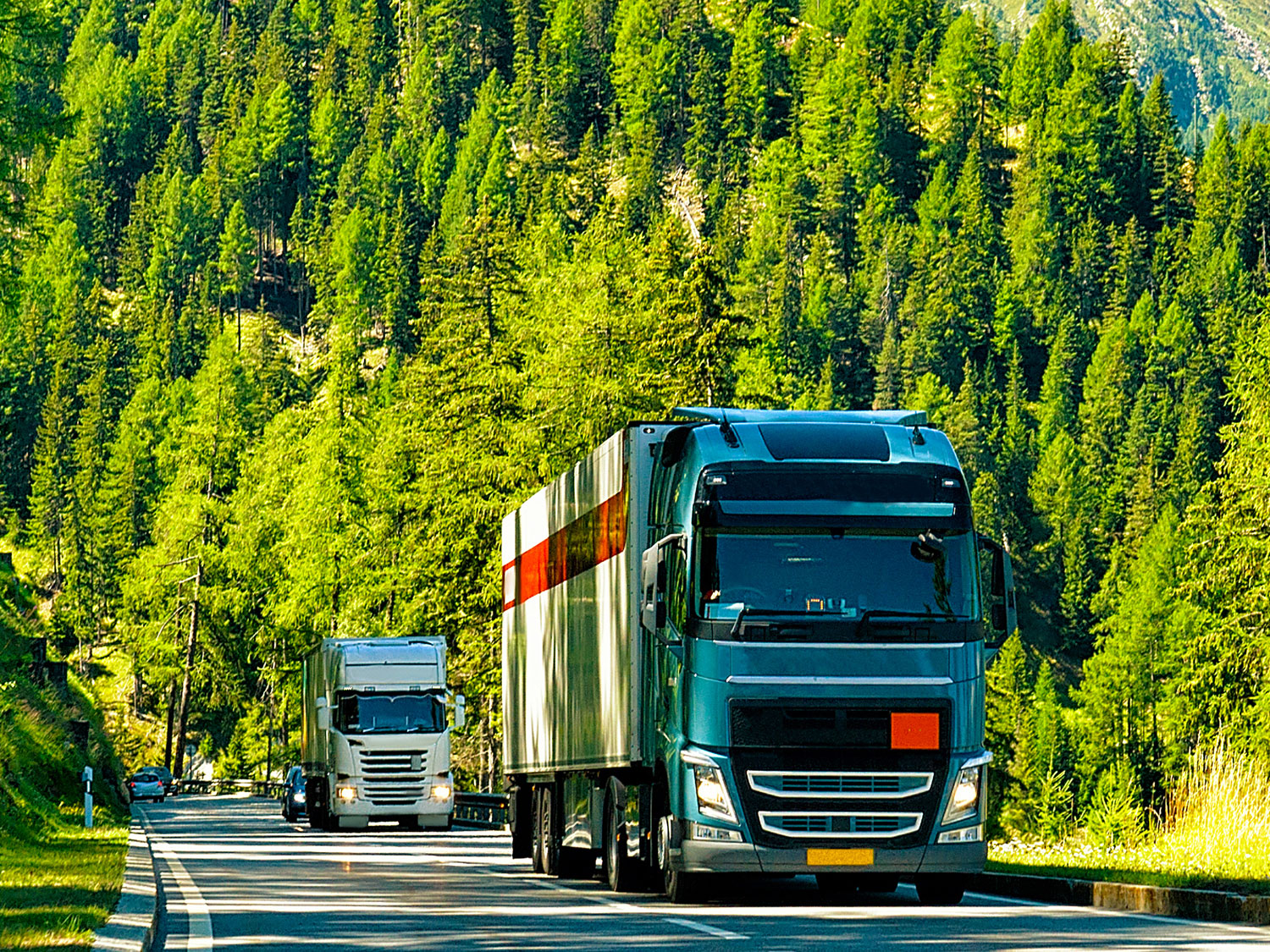
Truck in Switzerland

A tougher European road market and a UK edging back towards it

For years, the road freight market has been under sustained pressure, shaped by a combination of post-Brexit structural change, rising costs and geopolitical disruption. 

At the same time, there are early signs that the UK may begin to move closer to Europe in practical, trade-focused ways, in a shift that could have meaningful implications for cross-border logistics.

For now, however, the market remains challenging.

Since Brexit, UK–EU road freight has been defined by increased friction. New customs processes, regulatory checks and border systems have added cost, complexity and delay, particularly for groupage and mixed loads.

The impact is clear in the data. Road freight volumes are estimated to be down by over 10% since Brexit, reflecting weaker trade flows and reduced demand. UK exports to the EU have also taken a structural hit, with studies pointing to a decline of around 16%.

At the same time, the number of operators has fallen sharply. Between 2021 and 2025, 2,051 UK road haulage companies became insolvent, which is almost double the 1,068 recorded in the previous five-year period. That equates to nearly eight hauliers exiting the market every week.

This combination of lower volumes and higher costs has fundamentally reshaped the sector. Capacity has tightened, margins have come under pressure, and the market has consolidated around stronger, more resilient operators.

Rising costs and the impact of the Iran war

The Iran conflict has added a new layer of pressure at a time when the sector was only just stabilising. Fuel costs, which can account for up to 30% of operating expenses, have risen sharply, with industry bodies warning this represents a structural shift rather than a temporary spike.

Across Europe, operators are now dealing with sustained fuel volatility, tightening supply and increasing financial strain. The knock-on effects are being felt across the entire road freight ecosystem, from pricing and capacity to investment decisions and fleet utilisation.

At the same time, additional cost pressures continue to build. Driver shortages remain unresolved, pushing up wages and limiting flexibility. New tolling regimes are increasing the cost of operating across key European markets. Regulatory changes, including evolving border systems on both sides of the Channel, are adding further administrative burden.

This is not just a UK issue. Across Europe, the road freight market remains fragile, with growth limited to just 0.5%, with many key markets recording declines.

The short-term outlook is closely tied to energy markets, geopolitical developments and spiking fuel costs. In this environment, many operators are focused on protecting margins and maintaining utilisation rather than expanding. Investment is being delayed, networks are being rationalised, and risk appetite remains low.

Signs of a closer UK–EU relationship

Against this backdrop, there are early signs of a shift in the UK–EU relationship. As the Trade and Cooperation Agreement comes up for review, both sides are exploring ways to reduce friction and improve trade flows.

Potential developments include veterinary and SPS agreements to streamline border checks, deeper customs cooperation and more structured alignment on energy and climate policy. For road freight, these are not abstract political discussions, they directly influence transit times, costs and reliability.

Even incremental improvements could have a meaningful impact, helping restore confidence, support volume recovery and reduce operational complexity.

Metro’s European division bucks the trend

While much of the market is under pressure, Metro’s European road freight division is moving in the opposite direction.

The division has been growing at 40% per year, making it Metro’s fastest-growing business unit. This performance stands in sharp contrast to the wider market, where volumes are flat or declining and operators are exiting the sector.

This growth has been driven by a clear and deliberate strategy. Metro has invested in building a strong European network, with high-quality groupage services into key markets including the Netherlands, Turkey, Poland and Iberia, alongside established strengths in France and Germany.

The business offers a balanced mix of less-than-truckload (LTL) and full-truckload (FTL) solutions, with a range of equipment, security and service options, giving customers flexibility as demand patterns shift. Crucially, the focus is on tailored, customer-led solutions, adapting routing, transit times and documentation processes to meet specific requirements.

In a more complex post-Brexit environment, this approach is proving highly effective. Rather than avoiding complexity, Metro is helping customers navigate it, smoothing customs processes, reducing risk and maintaining flow across European supply chains.

As the European road freight landscape continues to evolve, Metro provides the expertise, network strength and proactive approach needed to keep goods moving. Helping customers manage complexity, control cost and unlock opportunity across UK–EU trade. 

EMAIL our Managing Director Andy Smith to learn how we can secure your European supply chains.
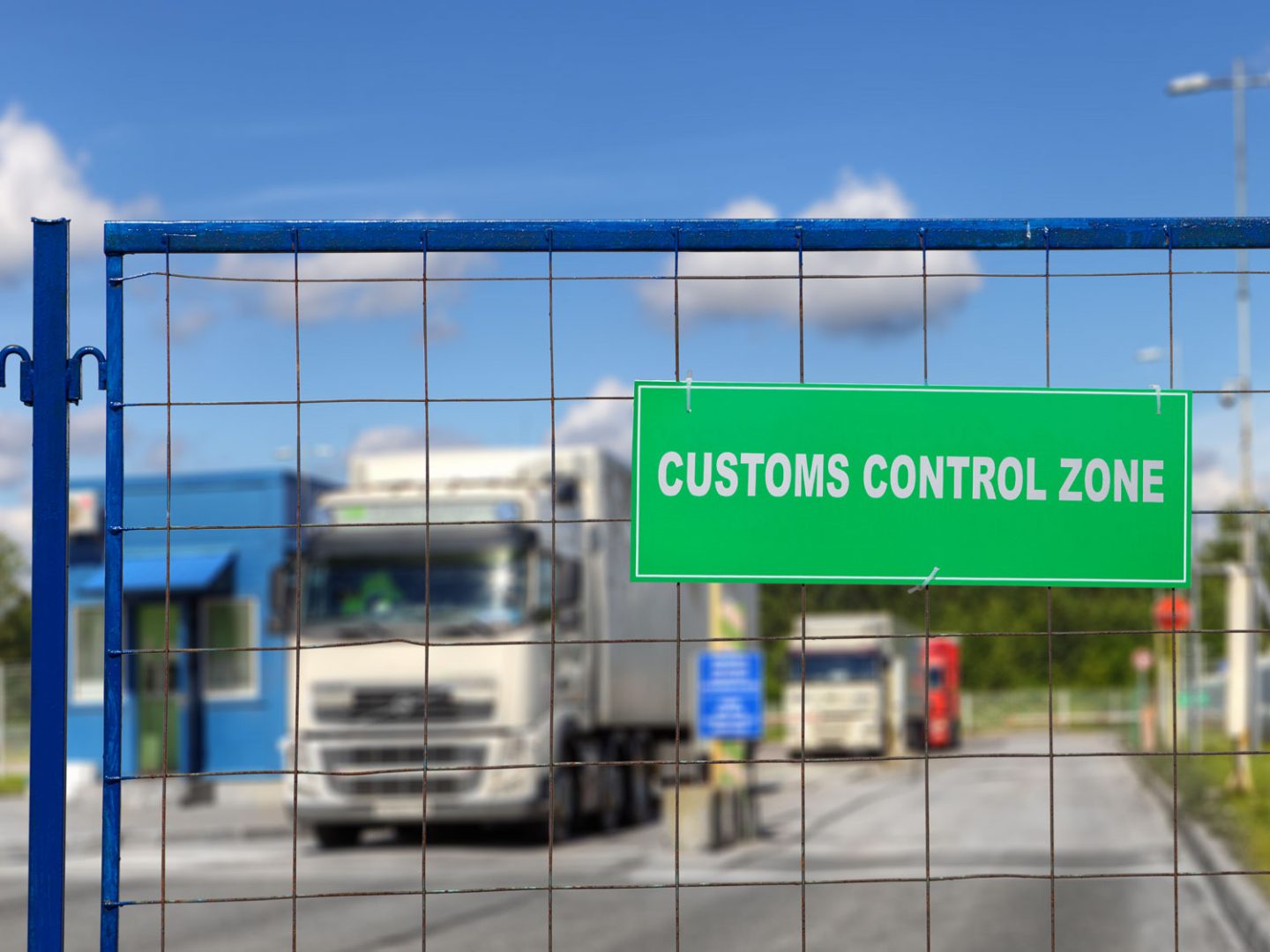
Customs zone 1440x1080 1

EU Freight and Customs Round‑Up

The movement of goods between Great Britain, Northern Ireland and the EU is entering one of its most challenging and complex periods in recent years. Regulatory changes are reshaping established routes, creating new administrative demands, and raising questions about supply chain resilience.

From the phased enforcement of ICS2 safety and security filings, to the evolving requirements of the Windsor Framework and the digitalisation of EU border controls, operators are facing a series of overlapping obligations. Understanding and preparing for these changes will be critical to maintaining efficiency, avoiding disruption, and keeping trade moving in the months ahead.

ICS2 Phase 3 Staggered Rollout

The EU’s ICS2 Release 3 – requiring detailed safety and security filings for road and rail freight – was due to become fully mandatory on 1 September 2025. While the system itself is active, several Member States have secured temporary derogations delaying enforcement until December 2025.

Germany and the Netherlands, however, are pressing ahead, meaning accompanied RoRo shipments to those markets may face compliance risks if operators are unprepared. Northern Ireland RoRo traffic has also been given a phased start, with the new TIMS platform offering a gradual introduction later this year.

The patchwork of deadlines across Europe underscores the need for close monitoring and proactive compliance to avoid penalties and delays.

GB–NI Trade Under Pressure

The Windsor Framework remains a source of disruption for operators moving goods between GB and Northern Ireland. Complicated “at risk” classifications, excessive paperwork, and inconsistent enforcement are driving inefficiency and higher costs.

Some suppliers are rerouting freight via Dublin rather than using the Irish Sea, while consumers in NI face reduced product choice as online sellers and retailers scale back deliveries.

Industry bodies argue that reforms such as classifying goods at the point of sale and simplifying Just-in-Time exemptions are urgently needed to stabilise trade volumes and restore reliability.

EU Entry/Exit System

The EU’s new Entry/Exit System (EES) is scheduled to go live on 12 October. Designed to digitise border checks by capturing biometric data, the system will eventually cover all non-EU drivers entering the bloc.

While intended to streamline processes and enhance security, the transition will create additional steps for hauliers and could slow traffic on critical corridors such as Dover–Calais if infrastructure proves inadequate.

UK hauliers face further constraints from the 90/180-day driver access rule, raising concerns over flexibility in meeting customer demand. With weeks left to prepare, shippers should ensure that drivers are prepared, documentation and contingency measures are in place.

Staying Ahead of the Changes

The common thread running through these developments is clear: shippers face a rising tide of complexity at the intersection of GB and EU trade. From border checks and customs filings to NI market access, regulatory shifts demand preparation, agility and informed support.

Metro is committed to helping customers navigate this evolving environment – from expert customs guidance and training to cross-border contingency planning and operational resilience.

To discuss how these changes could affect your supply chains, and the practical steps to stay compliant and competitive, please EMAIL our managing director Andy Smith.

Med satellite 1440x1080 1

UK Bid to Join Pan-Europe Trade Area Blocked

The UK government’s attempt to join the Pan-Euro-Mediterranean (PEM) Convention, a framework that simplifies supply chains and reduces tariffs across Europe, North Africa, and parts of the Middle East has been blocked by the EU.

Established in 2012 and modernised in 2025, the PEM Convention allows manufacturers in member countries to “cumulate” inputs, counting components sourced from any PEM country as local when determining a product’s origin for tariff purposes. 

So, if a Turkish manufacturer made a machine from EU-sourced parts, the item would be considered as “made in Turkey” when exported to France, benefiting from preferential trade agreements. This enables goods like cars, chemicals, and processed foods to move across borders with reduced  paperwork and lower tariffs.

The convention’s 25 members include the EU, Norway, Switzerland, Turkey, Ukraine, Egypt, Morocco, and Israel. The UK, notably, is one of the few European countries not included.

Joining PEM could ease post-Brexit trade friction, particularly for UK manufacturers relying on complex, multinational supply chains. It would:

– Reduce rules-of-origin paperwork
– Provide greater sourcing flexibility
– Support industries like automotive, chemicals, and food processing

While some experts say the impact would be moderate, others argue it’s a pragmatic step that offers clear benefits without requiring a return to the EU single market or customs union.

Why Is the UK Blocked?
Despite initially signalling openness, the European Commission has withheld support for UK accession, citing concerns that UK-made goods could unfairly qualify for low-tariff access to EU markets.

Technically, incorporating PEM provisions into the EU–UK Trade and Cooperation Agreement (TCA) would require reopening parts of the Brexit deal and EU officials have indicated they want to stick closely to the “common understanding” agreed at the May UK–EU summit, to avoid further complications.

This block has frustrated UK trade bodies, including the British Chambers of Commerce, which see PEM as a practical tool to improve trade flows.

The UK government has said it will continue to review the potential benefits of PEM and engage with the EU and other PEM members. However, with Brussels signalling little appetite to renegotiate TCA terms, short-term progress may be unlikely.

Metro’s customs specialists design tax-efficient supply chains using bonded warehousing, IPR/OPR, duty drawback, and other regimes to protect your cash flow, minimise duty exposure, and keep you fully compliant. EMAIL Managing Director, Andy Smith, to learn more

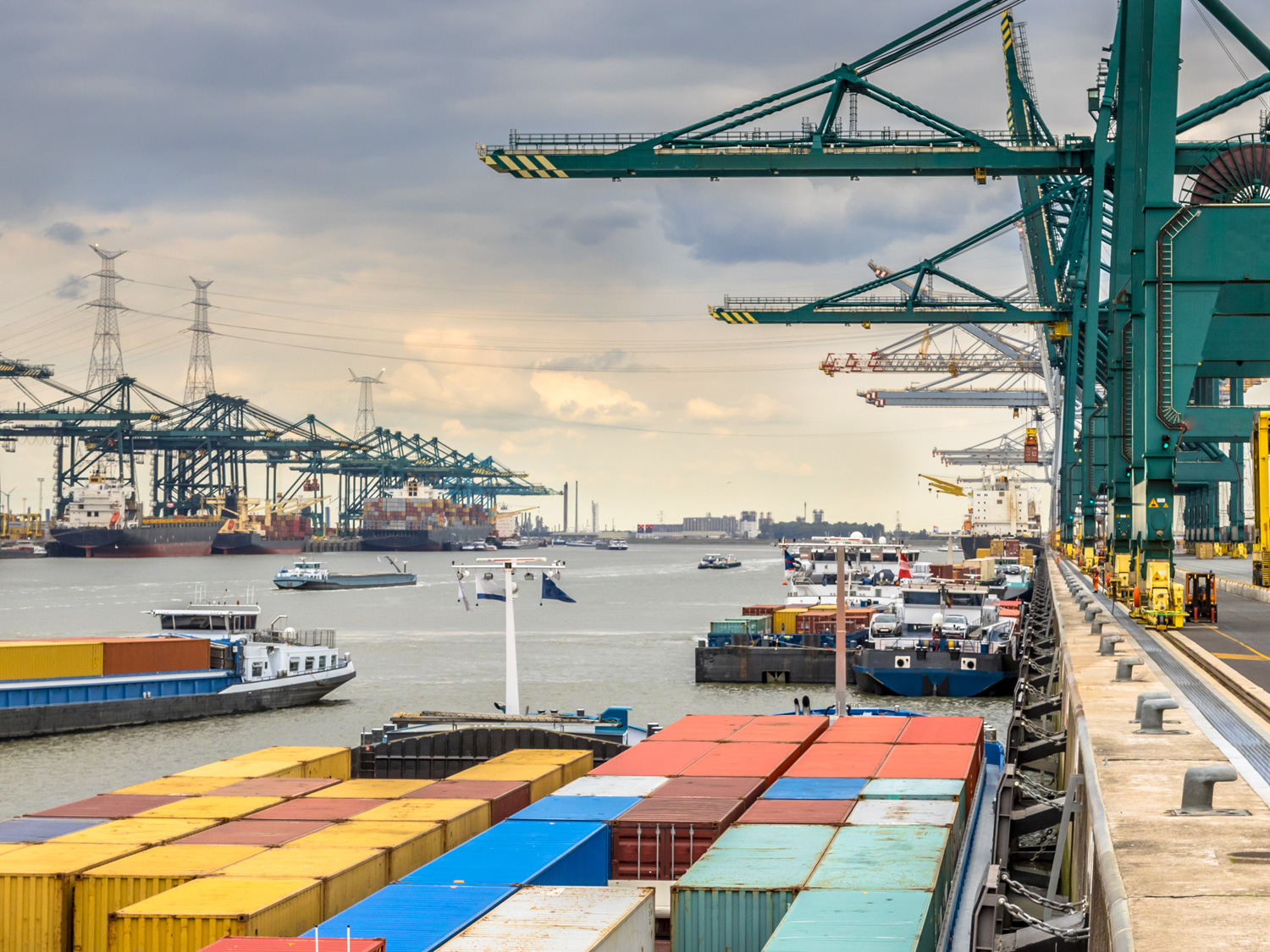
Antwerp

ICS2 Phase 2: What you need to know and how we can help

On 4th December 2024, Phase 2 of the Import Control System 2 (ICS2) was deployed, requiring maritime and inland waterways house-level filers, including Metro, to directly submit detailed safety and security data to EU customs authorities.

ICS2 is the EU’s advanced customs system designed to enhance supply chain security and facilitate smooth trade across its external borders. By collecting and analysing cargo data in advance, ICS2 allows customs authorities to identify risks early, ensuring efficient processing of low-risk goods while prioritising inspections for high-risk consignments.

Key benefits of ICS2

ICS2 streamlines customs procedures while securing the supply chain by:
Proactively identifying high-risk consignments for early intervention.
Reducing delays and costs through faster and smoother cross-border clearance.
Simplifying data exchange between Economic Operators (EOs) and customs authorities.

Enhanced data requirements
To comply with ICS2, all exporters and logistics providers must provide comprehensive data via the Entry Summary Declaration (ENS), including:

6-digit Harmonised System Code.
Commercial descriptions of goods.
EU-registered EORI numbers.

Complete details of the seller, buyer, and consignee.Prompt submission of this data enables accurate risk assessments, helping to avoid shipment delays.

ENS filing timelines

For maritime transport, ENS submissions must adhere to strict timelines:
1. Two hours before arrival at the first EU port of entry for goods from nearby regions (e.g., Greenland, Morocco, or the Mediterranean) with journeys under 24 hours.
2. Four hours before arrival for bulk cargo in other cases.
3. 24 hours before loading for containerised cargo on longer journeys.

Please note, some carriers may require submissions earlier, such as 24 hours before the estimated time of arrival (ETA) at the port of departure.

Implementation timeline
ICS2 is being deployed in three stages:

1.3rd June 2024: Maritime and inland waterways carriers.
2.4th December 2024: Maritime and inland waterways house-level filers.
3.1st April 2025: Road and rail carriers.

Since 4th December, Metro has been filing directly with EU customs authorities, ensuring compliance and early clearance of shipments. Non-compliance or incomplete ENS submissions can result in shipment delays, stops, and fines.

How we support your compliance

To simplify your compliance with ICS2 Phase 2, we’ve adapted our CuDoS customs brokerage platform to integrate seamlessly with the Shared Trader Interface (STI). This ensures your shipments are cleared early in the process, avoiding costly disruptions.

Our dedicated brokerage team is here to:
Guide you through ICS2 requirements.
Assist with data provision and ENS submissions.
Provide comprehensive support for import and export documentation across the EU.

Don’t let delays or penalties impact your operations. EMAIL Andy Fitchett today to learn how we can help ensure a seamless transition to ICS2 Phase 2 and keep your supply chain moving smoothly.