Six question marks 1440x1080 1

H1 2025: Six Developments Reshaping Global Trade

The first half of 2025 has been one of the most turbulent periods for supply chains in recent memory. From renewed tariff wars to fresh geopolitical flashpoints, logistics professionals have had to contend with a constantly shifting landscape.

At the same time, structural challenges around skills, safety, and sustainability have continued to grow. Here we review six developments that defined H1 2025.

1. Tariffs return to the fore
The pause in US tariff escalation ended in August, with the White House reintroducing “reciprocal” tariffs that apply baseline duties of 10% to all countries and higher rates of 10–41% depending on origin. The UK sit at the low end, while Syria faces the steepest levels. Brazil has been singled out further, hit by an additional 40% levy. Canada also saw tariffs raised from 25% to 35% on certain goods, justified by Washington’s claim that Ottawa has not done enough to curb fentanyl flows.

The executive order applies from 7 August 2025, with a grace period allowing cargo already loaded onto vessels before that date to arrive until 5 October 2025. To add complexity, US Customs will also impose new fees on Chinese-built or operated vessels from 14 October, potentially forcing alliances such as the Ocean Alliance into costly fleet reshuffles. Carriers are already working through how to redeploy capacity to avoid penalties, with COSCO and OOCL particularly exposed.

2. New shipping alliances reshape networks
The recomposition of global shipping alliances in Q1 has reshaped carrier strategies. The launch of the Gemini Cooperation between Maersk and Hapag-Lloyd marked one of the most significant realignments in recent years, focused on achieving 90%+ schedule reliability. Shippers are already seeing more dependable services, but questions remain about whether premium pricing will follow.

Other alliances, particularly Ocean and THE Alliance (now Premier Alliance), are recalibrating networks, with competition sharpening across Asia–Europe and transpacific trades. For shippers, the alliance changes mean rethinking service contracts and adapting to new network structures that could endure for much of the decade.

3. Houthi attacks deepen Red Sea crisis
The Red Sea crisis, triggered by Houthi rebel attacks, has now stretched on for nearly two years. In July 2025 the threat escalated further with the sinking of the Magic Seas, a Greek-operated vessel targeted for its links to companies calling at Israeli ports. Analysis suggests that one in six vessels globally could now be considered threatened under the Houthis’ broad definition of violators.

For container lines, this effectively rules out a return to Suez Canal routings before 2026 — and possibly not until 2027. Rerouting around the Cape of Good Hope adds up to two weeks to Asia–Europe journeys, pushing up costs and insurance premiums, and putting additional strain on fleet capacity. The Red Sea instability has been a reminder of how localised conflicts can have global consequences for supply chains.

4. Logistics skills shortages persist
The UK continues to face a significant shortfall in logistics skills, with the Road Haulage Association estimating a deficit of around 50,000 HGV drivers. The ONS also reports 6,000 fewer courier and delivery drivers than the previous year. With 55% of HGV drivers aged between 50 and 65, the demographic imbalance remains a long-term concern.

Factors include reduced access to EU workers post-Brexit, poor industry perception, and limited uptake of government training schemes. Although the crisis is not as acute as during the height of the pandemic, the ageing workforce and lack of young entrants mean structural shortages will continue. Rising wage costs, recruitment struggles, and bottlenecks in road transport all add to the burden on UK supply chains.

5. EV shipping challenges raise alarm
The growth of electric vehicle (EV) trade has created new safety risks at sea. Several high-profile fires on car carriers have been linked to lithium-ion batteries, sparking concern among insurers, regulators, and shipowners. Insurers are pushing for tougher loading protocols, enhanced crew training, and more advanced fire suppression systems.

For supply chains, this adds cost and complexity to automotive logistics, with carriers facing higher insurance premiums and the need to retrofit vessels. It is also slowing the momentum of EV exports, just as demand for cleaner vehicles accelerates globally.

6. Sustainability regulations tighten
Sustainability regulation is reshaping procurement strategies. The EU’s Carbon Border Adjustment Mechanism (CBAM) is beginning to impact trade in carbon-intensive products such as steel, aluminium, and cement, with importers required to report embedded emissions.

At the same time, sustainable aviation fuel (SAF) is moving toward a tipping point. UK and EU mandates are pushing airlines to integrate SAF into their fuel mix, with new investments underway to scale production.

While tariffs and geopolitics grab headlines, sustainability is quietly becoming a decisive factor in supplier choice, cost structures, and long-term resilience planning. For many organisations, compliance with emissions and ESG frameworks is no longer optional but critical.

Outlook
H1 2025 has exposed the vulnerability of supply chains to political shocks, armed conflict, safety risks, and structural labour shortages. Tariffs, alliances, and attacks have disrupted networks, while long-term challenges around sustainability and skills remain unresolved.

The message for supply chain leaders is clear: resilience, agility, and visibility will be critical in the second half of 2025, as disruption becomes the new normal.

H1 2025 has underlined how vulnerable global supply chains have become and staying ahead demands visibility, expertise, and a trusted partner by your side.

Metro’s account management team works proactively with customers to anticipate risks, share insights, and design solutions that are resilient and adaptable to change.

Our expertise encompasses dangerous goods and lithium battery shipping, customs, and multimodal freight, backed by a strong people strategy that includes apprenticeships, engagement programmes, and our Great Place to Work certification.

We are also leading the way on sustainability. Metro has been carbon neutral for five years, pioneering the use of Sustainable Aviation Fuel (SAF), while our MVT ECO platform helps businesses forecast, measure, and offset emissions across their global supply chains.

EMAIL Andrew Smith, Managing Director, to learn how Metro can build resilience into your supply chain.

Houthis 1440x1080 1

Red Sea Return Scuttled by Houthi Vessel Sinking

The deadly July 7 attack on the Eternity C cargo vessel by Yemen’s Houthi rebels marks one of the most severe escalations yet in the Red Sea shipping crisis, reinforcing the view that this vital trade artery will remain off-limits for carriers through 2025. 

The Red Sea, via the Suez Canal, typically handles 30% of global container trade, linking not only Asia and Europe but also acting as a vital transit point for goods moving between Asia and North America, the Mediterranean, and even parts of Africa and Latin America. 

With most container ships now rerouting via Africa’s Cape of Good Hope, what began in late 2023 as a regional security issue has become a global supply chain disruptor, sending shockwaves far beyond the Asia-Europe corridor.

The Global Supply Chain Butterfly Effect

Asia–North America East Coast
Goods from China, Southeast Asia, and India bound for the U.S. East Coast often transit the Suez Canal. Rerouting extends voyages by up to 14 days, tightening container availability, raising costs, and pressuring ports on both coasts to manage capacity mismatches.

Africa–Europe and Africa–Asia
African exporters, including agricultural and mineral suppliers, face longer, costlier routes to reach European and Asian markets, challenging businesses from cocoa traders in West Africa to cobalt miners in the DRC.

Middle East–Europe Energy
Beyond containerised cargo, 20% of global LNG trade and 30% of global oil flows pass through the Red Sea and Strait of Hormuz. Disruptions here drive up global energy prices, affecting industries and consumers worldwide, from European factories to Latin American fuel markets.

Global Shipping Networks
With more ships tied up on extended routes, the global pool of available vessels is effectively reduced, tightening capacity on other trades, including the transpacific (Asia–U.S. West Coast) and transatlantic (U.S.–Europe), even though they don’t pass through the Red Sea.

Industry Effect

Automotive: Impacting not just Europe, but also in North America, as Tier 1 suppliers depend on globally sourced components.

Retail & Fashion: Global brands with cross-regional supply chains face timing, cost, and margin pressures.

Food & Agriculture: Grain, rice, coffee, and fruit trades are experiencing higher freight costs, threatening price inflation in developing markets.

Electronics: Longer lead times impact consumer electronics and critical components like semiconductors.

What’s clear is that the Red Sea crisis is not just a regional challenge. It’s a global supply chain stress test, that will continue to demand resilience, agility, and innovation for some time.

Metro’s supply chain management expertise and advanced MVT technology help shippers adapt on the fly; rerouting cargo, shifting transport modes, and even switching suppliers with agility and precision. From high-level network redesign to SKU-level control, we empower you to overcome disruption with confidence. EMAIL Managing Director, Andy Smith, to learn more.

India Pakistan map 1440x1080 1

India and Pakistan Impose Cargo Bans

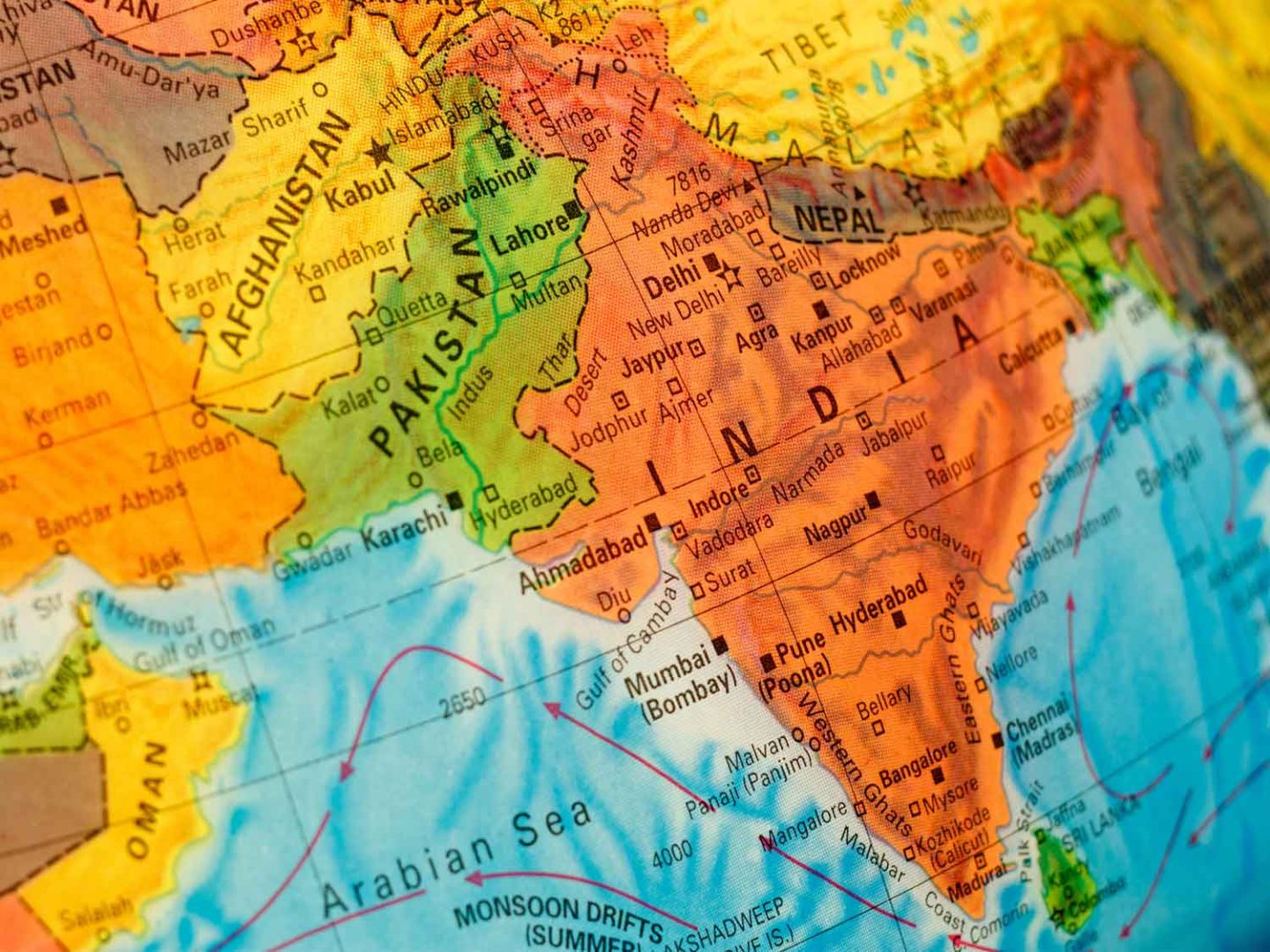
The fragile balance of South Asia’s supply chain network has been thrown into disarray after India and Pakistan imposed tit-for-tat bans on each other’s cargo.

The diplomatic standoff, triggered by recent violence in Kashmir and subsequent military exchanges, has sent shockwaves through ocean freight and air cargo networks, with the full extent of disruption still unfolding.

The restrictions have led to widespread delays and rerouting of vessels. India’s decision to prohibit ships carrying Pakistani cargo from docking at its ports has forced carriers to divert to transhipment hubs such as Colombo, creating congestion and adding time and cost.

Pakistan’s blanket ban on Indian goods in response has only compounded the uncertainty. Vessels already en route have been left scrambling for alternative discharge options, while planned schedules are being hastily redrawn.

Space shortages are emerging on regional sailings as shipping lines juggle altered rotations. Delays have rippled into feeder services and inland supply chains, resulting in longer transit times and missed delivery windows. Importers with urgent supply chain needs, such as fast fashion and electronics, face particular challenges as they attempt to secure scarce space at short notice.

The congestion has already pushed freight rates higher, with emergency surcharges now being levied on Pakistan-bound cargo by some carriers. We expect other shipping lines to follow suit as the cost of rerouting and delays continues to mount. Rates out of India, which had been steadily rising in the weeks prior to the crisis, are now expected to surge further.

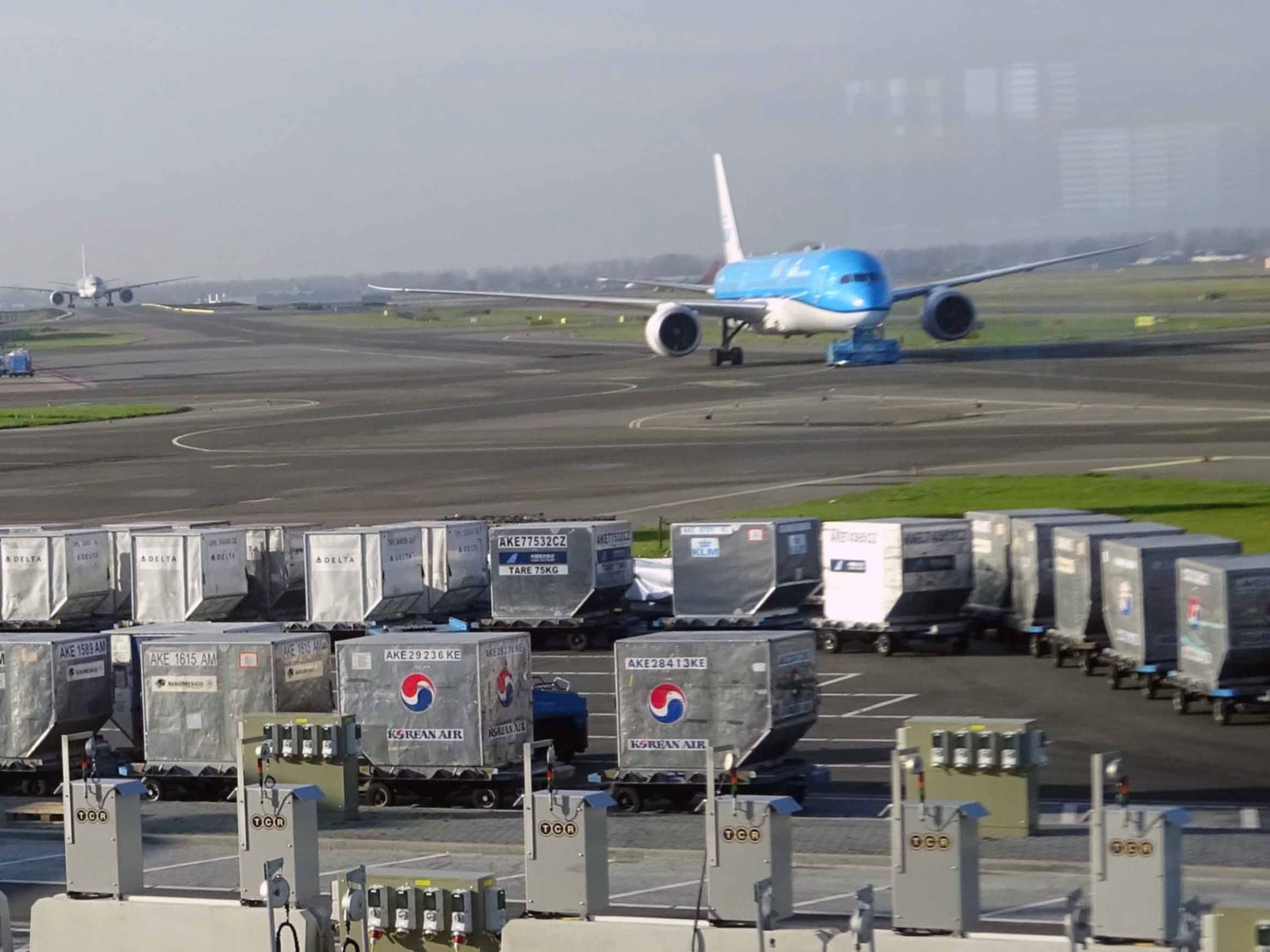
The disruption has also spilled into the air cargo sector. Major airlines have started diverting flights to avoid Pakistan’s airspace, leading to longer flight times, higher fuel costs, and mounting pressure on capacity across Asia-Europe and Asia-US routes.

While two-way trade between India and Pakistan is relatively small, the standoff has had far wider implications. Third-country shipments caught between the two jurisdictions have been caught up in the diplomatic crossfire, with containers stranded or forced to take circuitous routes at significant extra cost.

With no immediate diplomatic solution in sight, supply chain stakeholders are preparing for ongoing uncertainty. Carriers are assessing whether to restructure service loops or add additional calls to alternative ports such as Jebel Ali to minimise customer disruption. However, the fallout comes on top of existing challenges, including ongoing Red Sea-related delays and persistent global port congestion.

The bans underline how geopolitical flashpoints can rapidly cascade into global supply chain instability. For cargo owners and logistics providers, the India-Pakistan crisis is a stark reminder of the need for flexible routing strategies and contingency planning in an era of growing geopolitical risk.

Geopolitical tensions and unexpected port bans can severely disrupt supply chains, as the India-Pakistan cargo restrictions have shown. In these uncertain times, it is critical for cargo owners to ensure that their marine insurance policies are robust and offer continuity of cover under all circumstances. We strongly advise all shippers to review the fine print and clauses of their insurance to avoid costly gaps in protection.

At Metro, we can help you safeguard your supply chain and navigate today’s complex global shipping environment with confidence. EMAIL Andy Smith, Managing Director, to discuss how we can support your business with risk management strategies, secure freight solutions, and expert guidance on marine insurance best practices.

Trump on tv 1440x1080 1

Tariff turmoil threatens US importers as China trade takes a hit

After weeks of speculation, US President Donald Trump has sharply escalated tariffs on Chinese goods to 125%, while simultaneously offering a 90-day reprieve to other trading partners.

The baseline tariff of 10% applies to imports from all countries other than China, including the EU. This rate applies in addition to any existing tariffs, with certain exemptions in place for key sectors such as semiconductors, copper, lumber, pharmaceuticals, bullion, energy, and minerals not found domestically.

Meanwhile, the separate 25% tariff on automobiles and auto parts, introduced last month, remains in effect.

Tariffs of 25% also continue to apply to steel and aluminium imports across the board, alongside the existing 25% duty on goods from Mexico and Canada that do not comply with USMCA free trade agreement terms.

US retailers and importers are reacting quickly. Delaying or cancelling orders and turning to existing inventory while they wait for clarity. According to the National Retail Federation (NRF), the outlook for imports is bleak, with volumes expected to fall sharply in the coming months.

Data from Dun & Bradstreet shows that just 225,900 TEUs of US imports from Asia were booked in the past seven days, down from around 633,000 TEUs the week before. Purchase orders for fall and holiday merchandise are also being postponed by 30 to 60 days.

The NRF’s Global Port Tracker estimates a 20% year-on-year drop in US imports for the second half of 2025. June volumes are forecast to be the lowest since early 2023, with the downturn starting as soon as May. While the 90-day reprieve on non-China tariffs may cushion the blow, the wide disparity in duty rates between China and other Asian nations is already influencing global sourcing decisions.

With tariffs now exceeding 150% on some goods, many Chinese-made products are no longer viable in the US market. By contrast, the impact on goods from countries facing lower tariffs is less severe. A 10% duty typically translates to a retail price increase of around 3%, making these supply chains more resilient in the near term. As a result, sourcing is shifting rapidly towards countries like Vietnam and Taiwan, where the tariff environment is more favourable.

Despite the disruption, shipping lines remain cautiously optimistic. Many believe that once the tariff situation stabilises import volumes could rebound strongly during the peak late summer to autumn season.

Meanwhile, the administration appears to be refining its approach on another controversial measure. The proposed port fees of up to $1.5 million on Chinese-built or operated ships calling at US ports. Speaking before the Senate Finance Committee, USTR Jamieson Greer sought to ease concerns, indicating adjustments are being made to avoid damaging American export competitiveness.

“The president will look very carefully to make sure we have the right amount of time and the right incentives to create shipbuilding here without impacting our commodity exports,” Greer said.

Meanwhile, pressure is building on US Customs and Border Protection (CBP). The increased complexity of tariff codes and documentation is creating more manual processing work, and staffing levels have not risen in line with demand. There is growing concern that CBP could be overwhelmed if volumes rise suddenly or new duties are introduced.

For now, the only certainty is continued volatility. Trade flows are being redrawn, sourcing strategies are in flux, and the longer-term consequences of this tariff upheaval are only just beginning to surface.

We will share further updates as new details emerge, particularly around the EU and shifts in UK trade policy.

If you’d like to review any potential impact on your supply chain, assess your exposure, or explore strategic options, we’re here to help. Metro is well-placed to support you, backed by our expanded US footprint and strong focus on North American trade flows.

If we can help, or simply answer your questions, contact us now for prompt and tailored advice.