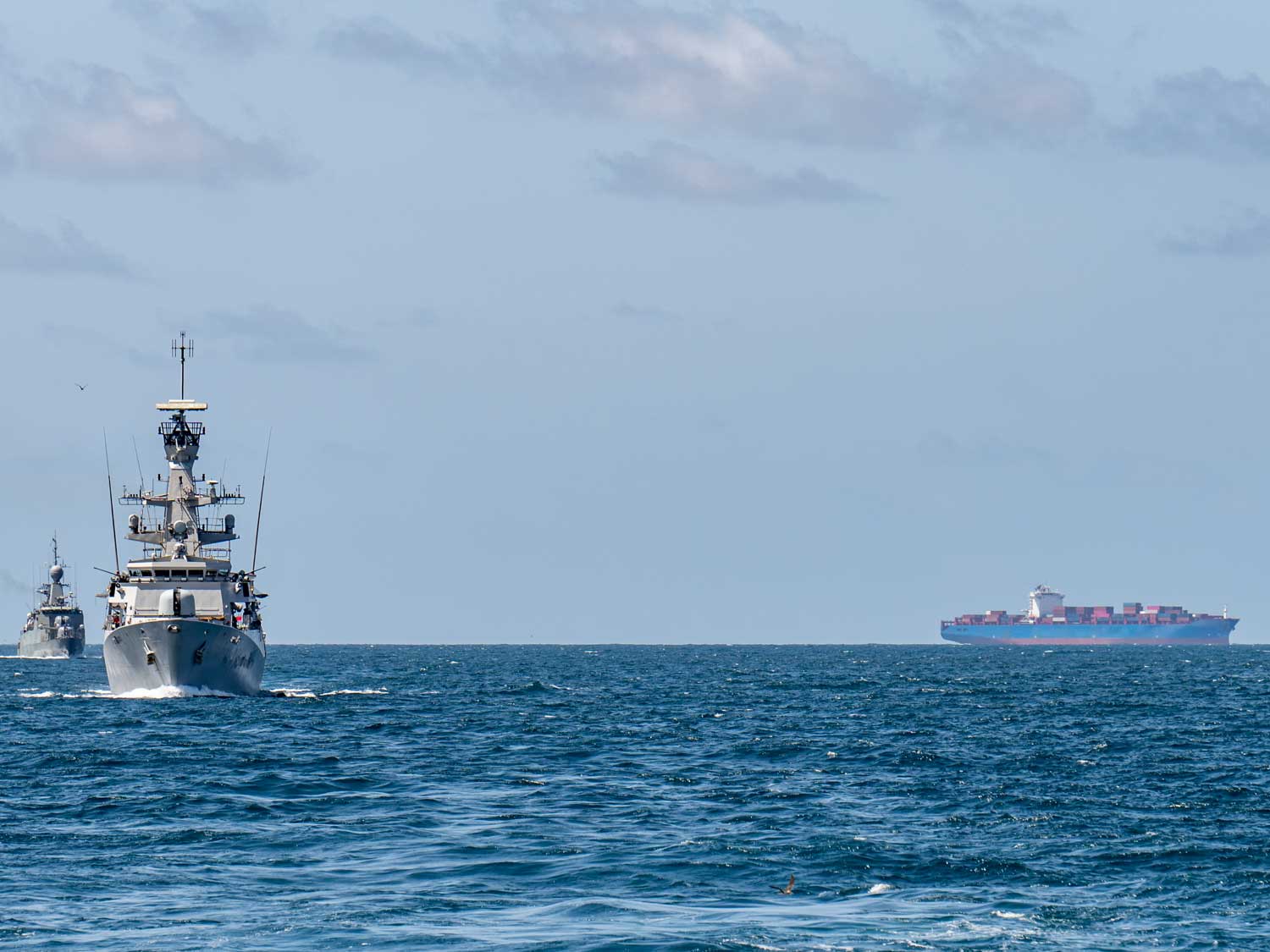
container ship and naval escort

Supply chain disruption continues despite US/Iran ceasefire

Global supply chains are operating in a more stable position than at the peak of the Iran war, but conditions remain far from normal. 

President Trump’s announcement of a ceasefire, tied to the opening of the Strait of Hormuz, has reduced immediate geopolitical tension. However, logistics networks are still dealing with the after-effects of six weeks of disruption across one of the world’s most critical trade corridors.

Shipping activity through the Strait has resumed in limited form, but not at levels that would support a full return to pre-conflict operations. Carriers, insurers and cargo owners continue to treat the region as high risk, and that caution is shaping how goods are moved globally.

A clear indicator is the sustained level of Gulf container diversions to alternative gateways due to risk or congestion. Weekly diversions have risen from under 2,000 to consistently above 9,000 since early March. The UAE still receives 42% of diverted cargo, while Saudi Arabia’s share has climbed from 4% to 24% in five weeks. The 6 April attack on Khawr Fakkan has also removed a key alternative hub, adding further pressure to the network.

Congestion and cost pressures extend beyond the Gulf

The impact of these diversions is now being felt well beyond the Middle East. As cargo is redirected through alternative routes, pressure is building at ports not designed to handle sustained increases in transhipment volumes.

Navi Mumbai transhipment volumes have surged more than 1,300%, while import dwell times peaked at 23 days and remain elevated at around 20 days. Transhipment dwell has also increased, reaching 11 days and continuing to rise.

These developments underline a broader point: while flows have not stopped, the network has become less efficient. Transit times are longer, routing is less direct, and the risk of delay has increased at multiple points along the supply chain.

Energy disruption remains a central factor. The Strait of Hormuz has been functionally constrained for several weeks, removing an estimated 7–10% of global oil supply once partial workarounds are considered. This is feeding directly into transport costs across ocean, air and inland networks, while also increasing volatility in fuel pricing.

Global economies face different but connected pressures

The IMF have issued their updated global economic outlooks, with global GDP expected to slow to 3.1% in 2026 and 3.2% in 2027, while UK growth for 2026 has slowed from 1.3% to 0.8%, reflecting reliance on imported energy and the wider inflationary effects of sustained disruption. 

As energy-driven inflation persists and interest rate cuts are delayed, businesses are seeing pressure on margins, reduced order volumes and tighter working capital, while influences procurement and inventory strategies.

In the United States, supply chains are tightening rather than slowing. The Logistics Manager’s Index rose to 65.7 in March, its highest level since May 2022, with transportation, warehousing and inventory costs all increasing. Diesel prices have risen by almost 50% since late February, pushing trucking fuel surcharges to their highest levels since 2022.

A key difference compared to previous disruptions is the lack of buffer in the system. Inventories are leaner and fleet capacity has already been reduced, leaving less room to absorb further shocks. This increases the risk of stock-outs or service disruption if conditions deteriorate.

Business response: cautious planning and greater resilience

Across sectors, businesses are taking a measured but cautious approach. The ceasefire has improved sentiment, but expectations remain grounded. One retail CEO described it as a positive step that should gradually improve logistics planning and route reliability, while warning that supply chains would take time to rebalance. Another business leader noted that while freight costs had already increased, the business had anticipated this and planned accordingly, although any sustained rise in oil prices would create further pressure.

There are also early signs of upstream impact. In manufacturing supply chains reliant on imported energy, lead times have extended by up to six weeks in some cases. Textile production is reported to be down by around 15–20%, indicating that disruption is beginning to affect output at source. These effects typically take time to filter through to finished goods, but they highlight the potential for delayed disruption later in the supply chain.

In response, businesses are shifting from efficiency towards resilience, with greater emphasis on flexibility in routing, supplier selection and inventory management.

Short-term outlook: stabilisation without normalisation

In the near term, the most likely scenario is continued stabilisation without a full return to normal conditions. Vessel backlogs have eased and airspace restrictions eased, with some capacity redeployed, but diversion levels remain high and alternative hubs are under pressure. The loss of key secondary ports and ongoing uncertainty around the Strait mean carriers are unlikely to revert quickly to previous routing patterns.

For supply chains, this translates into a more complex operating environment. Costs remain elevated, transit times are less predictable, and planning cycles need to account for ongoing disruption rather than a rapid recovery.

In an environment where stability cannot be assumed, the ability to adapt quickly is critical and the right logistics partner can make the difference between maintaining flow and losing control.

With critical market insights, flexible routing options and proactive supply chain management, Metro helps customers overcome the most challenging conditions. 

EMAIL our Managing Director Andy Smith.

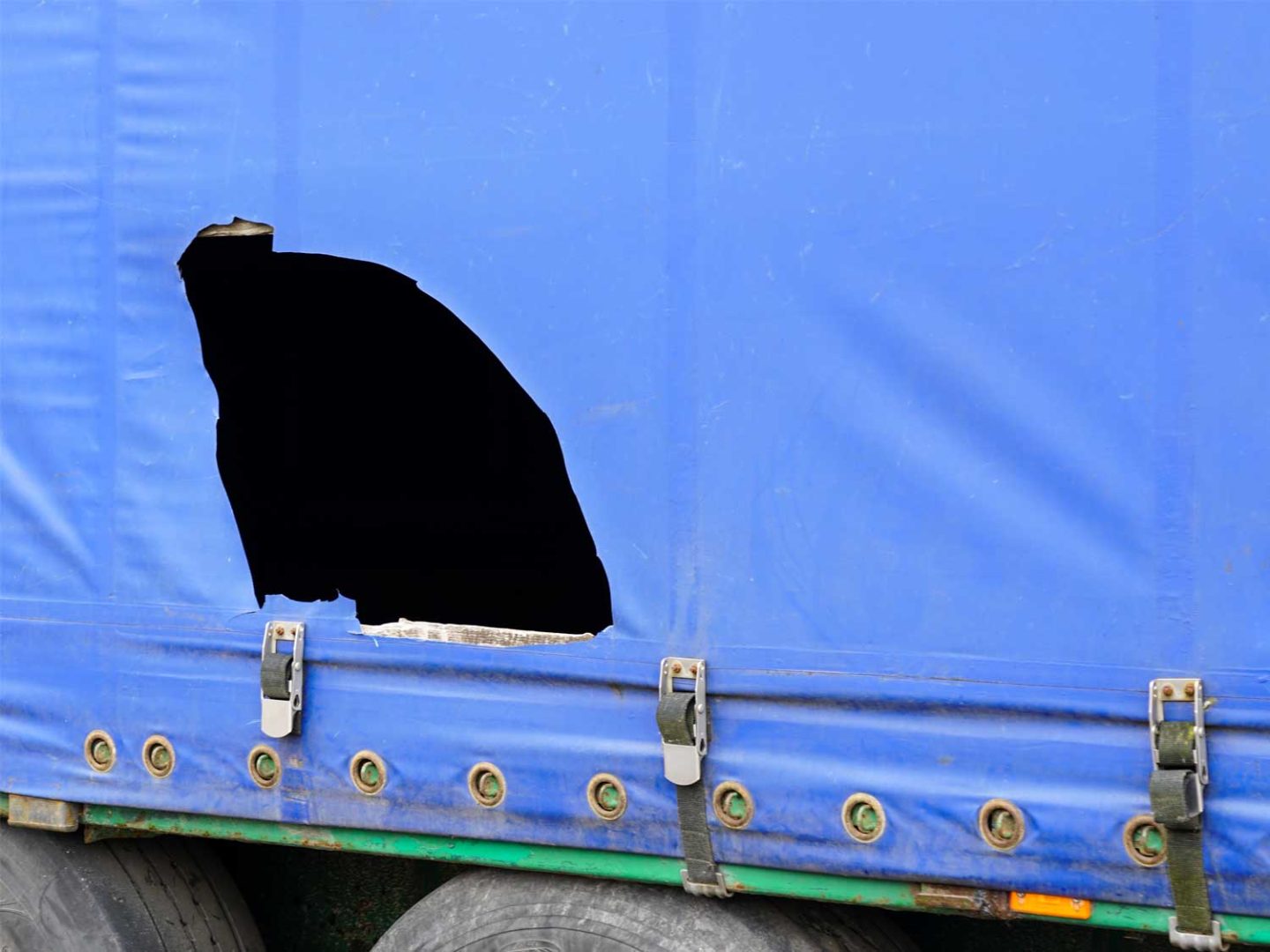
trailer tear copy 1440x1080 1

Rising Freight Crime Sparks Industry, Government and Police Action

Road haulage operators are on high alert as criminal activity peaks during the dark winter months, with investigations revealing how organised gangs are posing as legitimate operators, buying haulage companies, and infiltrating supply chains to steal trailer loads.

The scale of the threat is escalating, with freight-theft losses rising from £68m in 2023 to £111m in 2024 and industry experts warn the true cost could be up to seven times higher once vehicle damage, increased insurance, business disruption and wider supply chain impact are factored in.

A new national “flagging system” is now being trialled to better distinguish freight crime from general vehicle theft, enabling police and government to measure the true scale of the problem and coordinate a national response.

But the challenge remains vast, with criminals using increasingly sophisticated methods to identify high-value loads, monitor haulage movements, and exploit vulnerable roadside parking areas.

Curtain-slashing, door breaches, cloned paperwork and even purchasing haulage firms are increasingly common tactics. Popular stolen products — electronics, alcohol, tobacco, clothing and FMCG — are quickly dispersed across underground retail networks, fuelling other forms of organised crime.

Industry and Law Enforcement Mobilise

The Road Haulage Association (RHA), National Vehicle Crime Intelligence Service (NaVCIS), and transport bodies stress the urgent need for improved secure parking, stronger site accreditation, and better reporting structures.

NaVCIS, part-funded by the logistics industry, is already supporting police forces nationwide through Operation Opal, targeting serious organised acquisitive crime.

However, police leaders acknowledge resources have been “stretched” and further funding is critical to tackling the organised element of freight theft at scale.

Industry associations are also stepping up coordination. The Transported Asset Protection Association (TAPA) — which logged more than 5,800 cargo crime incidents in the UK in two years — has joined forces with The British International Freight Association (BIFA) to improve intelligence-sharing, strengthen supply chain security and support hauliers. Their collaboration aligns with the proposed Freight Crime Bill, due for its second reading in Parliament this month, following research by the All-Party Parliamentary Group on Freight and Logistics estimating freight-related crime cost the UK economy £700m in 2023.

Secure parking remains a priority, with the Park Mark Freight scheme establishing strict standards for perimeter security, CCTV, lighting and on-site patrols. Yet many motorway service areas and truck stops still fall short of best practice, leaving drivers and loads exposed.

Metro’s Proactive Steps to Reduce Cargo Theft

Metro takes a layered approach to reducing theft risk, combining trained personnel, rigorous procedures, and secure equipment. Our national fleet operates with:

  • Two or three-man crews for visibility and safety
  • Box trailers, providing enhanced protection compared with curtainsiders
  • Secure, well-lit, accredited parking facilities
  • Advanced tracking and monitoring for high-value loads

In addition, all Metro drivers follow strict security protocols, including:

  • Minimising unattended vehicle time
  • Avoiding discussions about load or route details
  • Conducting load and trailer checks after every stop
  • Reporting any irregularity in route, delivery address or customer instructions
  • Never picking up hitchhikers
  • Maintaining heightened awareness in known hotspot areas

These measures significantly reduce exposure. However, even the best operational precautions cannot eliminate risk entirely, especially when organised crime groups target all types of cargo, not just high-value shipments.

Why Insurance Matters More Than Ever

One of the harsh realities of rising freight crime is that standard carrier liability rarely covers the true value of goods. Carrier limits are calculated by weight, not cargo value, meaning claims for electronics, fashion, luxury goods and pharmaceuticals often fall short of replacement cost.

Metro strongly recommends securing All Risk marine insurance, which provides comprehensive cover against loss, theft, and damage throughout the entire transit and storage journey. We partner with leading insurance providers to offer:

  • Per-shipment or annual policies
  • Flexible, competitively priced cover
  • Protection aligned to specific cargo profiles
  • Specialist support for high-value and sensitive goods

With freight crime rising sharply — and becoming more sophisticated — comprehensive insurance is no longer optional. It is a critical layer of risk protection for every supply chain.

For more information on All Risk marine insurance and how to protect your cargo, EMAIL Laurence Burford, CFO at our Birmingham HQ.

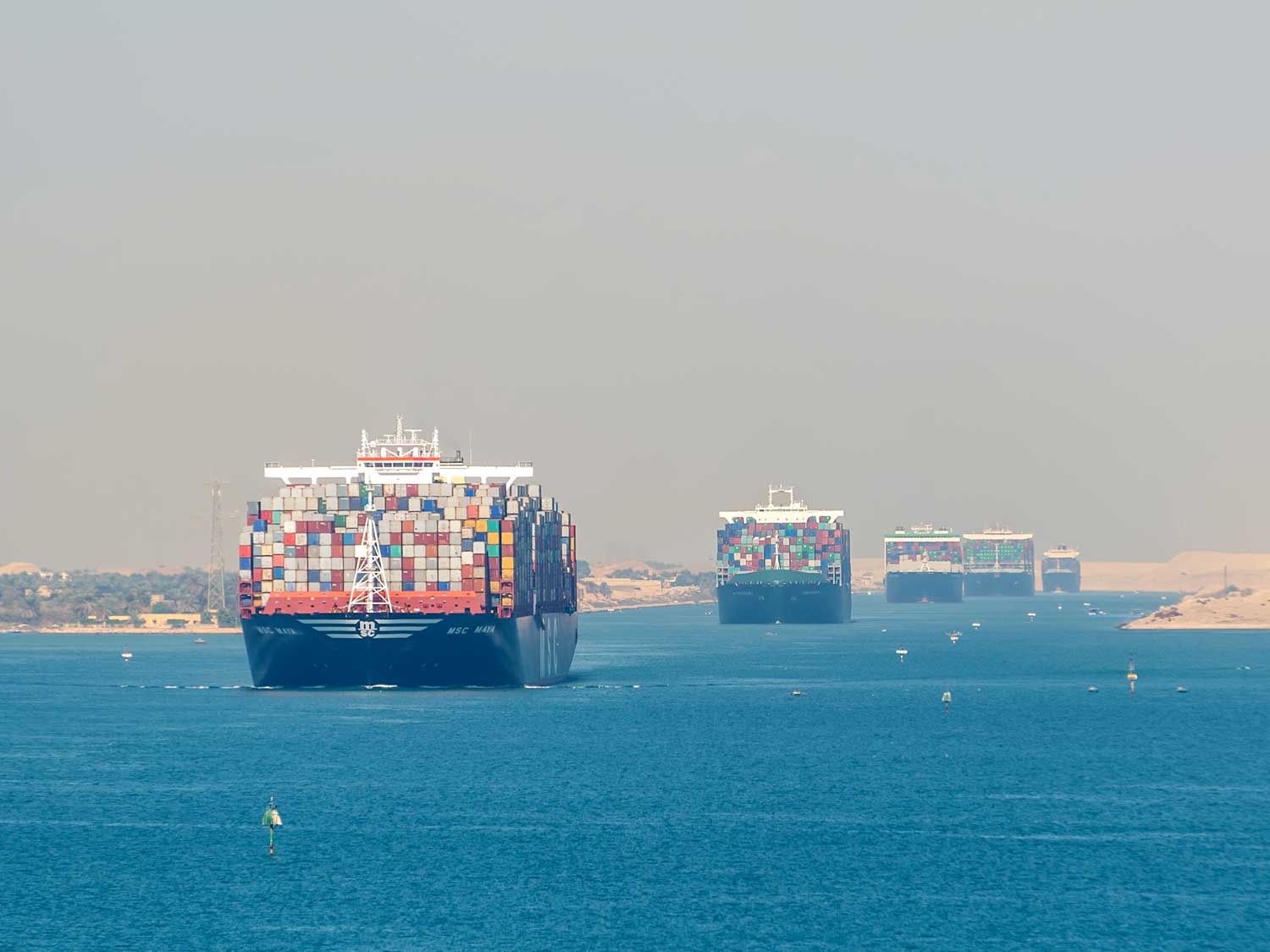
Suez convoy

When the Suez Canal Comes Back Online: Hidden Risks for Supply Chains

With hopes rising of stabilising conflict in the Red Sea region, analysts are increasingly considering what it would mean if shipping lines resume full use of the Suez Canal route, and it’s not all good news. 

While the shorter route from Asia to Europe might seem like a logistical boon, the modelling suggests there are several material pitfalls ahead that shippers need to be aware of.

Since late 2023, container shipping lines operating on Asia–Europe and Asia–North America routes have avoided the Suez Canal, opting instead to sail around the Cape of Good Hope. This detour has extended transit times and absorbed a significant amount of global container capacity. According to Sea-Intelligence, a full and immediate return to the Suez Canal could release up to 2.1 million TEU of capacity, equivalent to around 6.5 % of the global fleet, back into circulation.

However, this sudden release would create a powerful surge of imports into Europe. Modelling suggests that if all carriers reverted to Suez routing at once, inbound volumes from Asia could double for a period of up to two weeks, pushing overall port handling demand almost 40 % higher than previous peaks. 

Even if the transition were more gradual, spread over six to eight weeks, European ports would still face throughput levels around 10 % above historical highs, straining terminal operations, inland connections, and storage capacity.

Key Areas of Risk

  • European Port Congestion and Hinterland Strain
    European ports are already under pressure. A sudden import surge could stretch terminal capacity, yard space, and inland networks, leading to delays, higher handling costs, and increased demurrage.
  • Short-Term Disruption Despite Long-Term Gains
    While the Suez route offers shorter transits and lower fuel use, the transition back is complex. Network structures have been rebuilt around the Cape, and reverting will require major re-engineering, with temporary schedule changes and service disruption.
  • Lingering Risk and Insurance Costs
    The security issues that diverted ships from Suez persist. Even after reopening, residual war-risk premiums and contingency measures could keep operating costs elevated.
  • Capacity Overshoot and Rate Pressure
    Releasing 2.1 million TEU of capacity is likely to swing supply–demand balance, pushing rates down and while shippers may benefit in the short-term, it is likely that carriers would take drastic action to protect margins.
  • Timing and Readiness
    The timing of a full return remains uncertain. Analysts stress that rushing back before networks and ports are ready could trigger fresh disruption rather than restoring stability.

Metro’s sea freight team are already modelling reopening scenarios to ensure capacity, routing, and contingency plans are ready when trade flows shift back through the Suez Canal. 

EMAIL Managing Director, Andrew Smith to arrange a strategic review of your shipping patterns, risk exposure, and options to protect service continuity and cost efficiency when routes realign.

Dollar falling and gold 1440x1080 1

Gold’s Record Surge Amid Falling Dollar: A Global Signal for Trade and Transport

On the 2nd September Gold surged past $3,500 per troy ounce, setting a historic high that resonates beyond financial markets. While often seen as a safe-haven asset, this dramatic rise reflects deep global economic shifts, alongside the depreciation of the US dollar, which underpins much of international trade and commodity pricing.

For supply chains and global logistics, the gold surge is both a symptom and a signal of changing risks and market dynamics.

What’s Driving the Surge?

The US dollar has weakened significantly in 2025 due to a mix of monetary policy easing, geopolitical uncertainty, and controversial tariff policies. As the dominant currency for fuel purchases and trade contracts, the dollar’s decline impacts prices and costs widely. This weakening makes gold cheaper for holders of other currencies, spurring demand and driving gold prices higher.

Geopolitical Tensions and Trade Policies
Ongoing geopolitical conflicts and rising protectionist measures, including tariffs and trade disputes, heighten uncertainty. These factors disrupt supply chains and drive investors and central banks to increase gold reserves as a hedge.

Central Bank Accumulation
Emerging market central banks are aggressively diversifying reserves away from the US dollar towards gold and other currencies to reduce vulnerability to dollar volatility, tightening gold supply and further weakening the dollar.

As the dollar falls, commodities priced in dollars – including oil, gas, and bunker fuel – often rise in dollar terms. This dynamic raises costs for importers and exporters outside the US, despite relative currency strength.

Implications for Trade and Logistics

The dual pressures of currency volatility and geopolitical tension make traditional trade routes and cost forecasts unreliable. Shippers face higher insurance costs, regulatory compliance burdens, and risks of disruption.

The interaction between rising commodity prices and a falling dollar means that importers in Europe and the UK may see costs rise despite their currencies strengthening against the dollar, due to sticky contracts and global market adjustments.

Building resilience is critical. Flexibility in routing, diverse supplier networks, and dynamic contract currency management become essential. Data-driven forecasting and financial hedging strategies can help mitigate currency and commodity price risks.

Strategic Takeaway

Gold’s record-breaking rise amid the US dollar’s fall is more than a financial milestone, it is a barometer of systemic economic stress and changing global monetary dynamics. 

For global trade and logistics leaders, this signals the need to:

  • Monitor geopolitical, economic, and currency developments closely.
  • Invest in supply chain resilience against cost inflation driven by commodity and currency fluctuations.
  • Adapt contracts and sourcing strategies to manage exposure to dollar volatility.
  • Embrace flexible operations and agile financial management to navigate an increasingly volatile global trade environment.

In 2025, the intertwined rise of gold and fall of the dollar underscore a new era where resilience and adaptability in supply chains and trade finance are not optional, but essential.

Effectively overcoming the complexities of currency fluctuations, commodity price volatility, and geopolitical risks demands timely insights and expert guidance. Metro continuously monitors global markets, interest rate movements, currency shifts, evolving trade regulations, and supply chain disruptions to help you de-risk operations and unlock strategic opportunities.

Make confident, informed decisions with Metro’s dedicated support. EMAIL Laurence Burford, Chief Financial Officer, for tailored advice on trade insights, risk management, and optimising your supply chain resilience.