Hidden threat to exporters

Northern Europe’s Ports Struggle with Congestion Amid Network Shifts

Ports across Northern Europe are grappling with rising congestion, causing widespread delays and operational disruption. A confluence of industrial action, infrastructure strain, inland transport bottlenecks and the rollout of new shipping alliances is overwhelming terminals, with no immediate relief in sight.

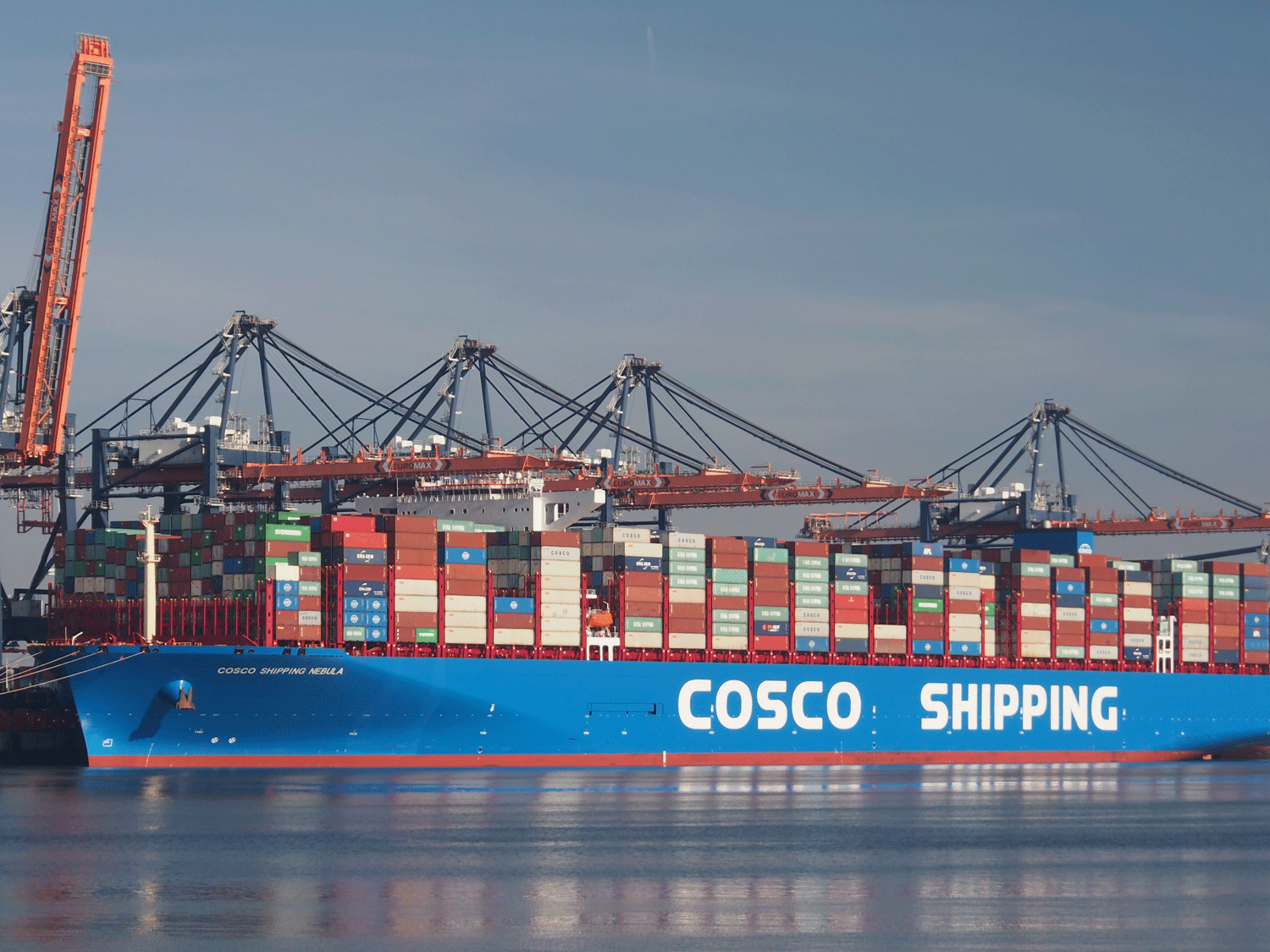
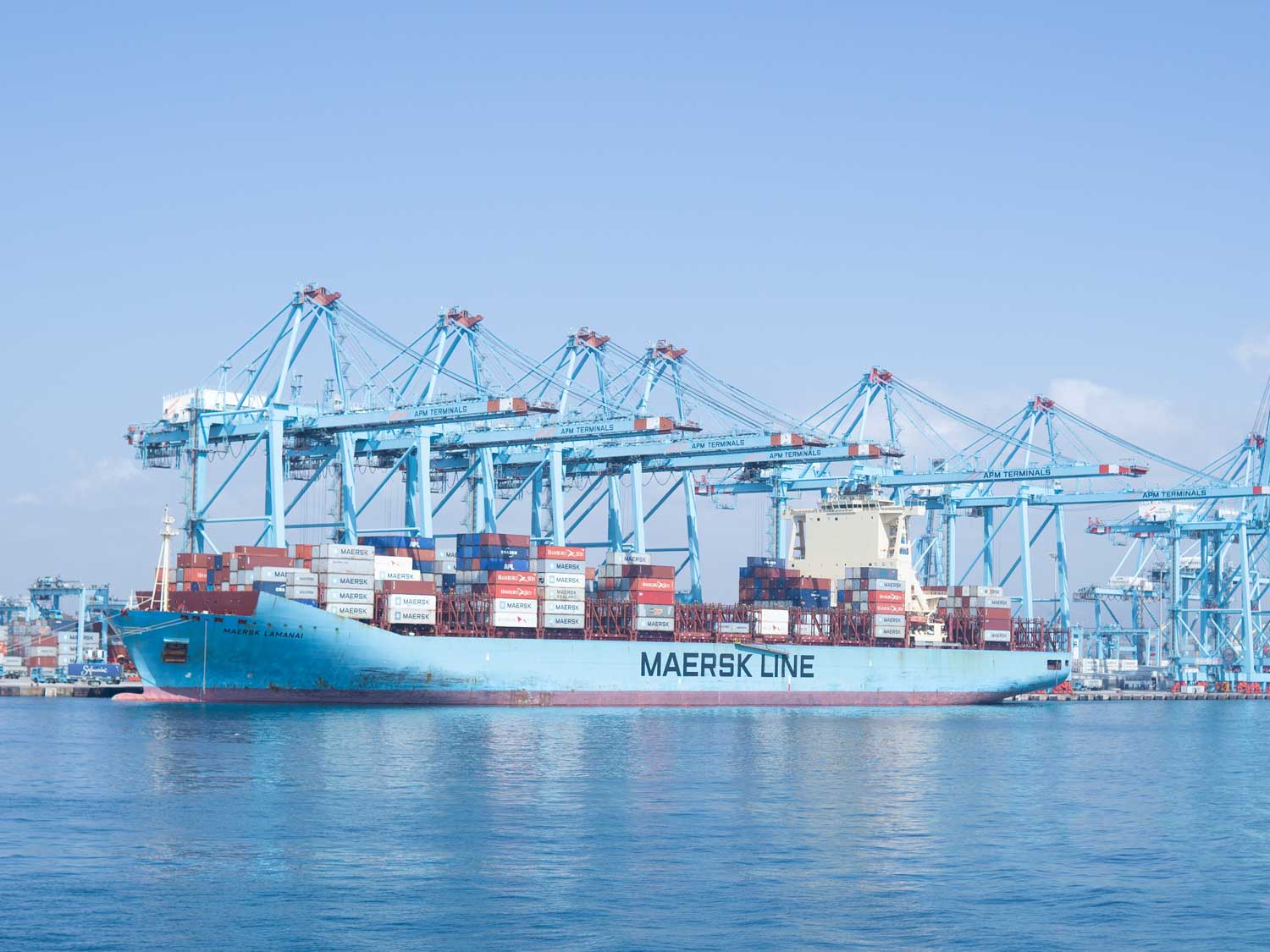
Container volumes have surged at key gateways such as Antwerp-Bruges, Bremerhaven, Rotterdam, and Felixstowe, with waiting times and yard occupancy levels climbing.

Antwerp is experiencing yard utilisation at 96%, with reefer plugs over capacity at 112%.

Nearly half the vessels arriving are waiting for berths, and 52 more containerships are en route. Berthing delays are being exacerbated by residual backlogs following strikes at the end of March, and the port has reduced its export delivery window to five days to help ease pressure.

In Germany, Bremerhaven is seeing similar strain, with nearly 30% of vessels waiting for berths and inland rail disruptions further complicating the situation. Landslides and line closures near Hannover forced lengthy rail detours, impacting traffic to and from major ports including Hamburg, Rotterdam and Duisburg. These rail delays are causing a cascading effect across Northern Europe’s inland logistics.

The Netherlands is also under pressure, with unresolved automation disputes in Rotterdam contributing to labour-related delays. In France, strikes at Le Havre have eased for now during ongoing negotiations, but the risk of renewed action remains high.

The UK is not immune. Felixstowe, London Gateway, and Southampton are all dealing with congestion as vessel diversions from continental ports push volumes higher.

Multiple factors are compounding the problem. The phasing in and out of new alliance schedules—particularly by Maersk, MSC, and Hapag-Lloyd—is disrupting established flows and increasing port calls. Simultaneously, low water levels on the Rhine are limiting barge capacity, shifting more freight to already stretched rail and road networks. Labour shortages, especially during public holidays, have further constrained operations.

With delays mounting, carriers are urging shippers to collect containers promptly and to avoid early delivery of exports. Some terminals, like PSA Antwerp, have shortened delivery windows to reduce yard congestion. Carriers are implementing contingency plans on a vessel-by-vessel basis and may introduce congestion surcharges to offset rising operational costs.

Industry forecasts suggest that congestion could persist for another three to four months, until alliance network changes bed in and volumes normalise. In the meantime, importers and exporters should prepare for longer lead times, increased costs, and fluctuating capacity at Europe’s busiest container ports.

With congestion disrupting major European gateways, our flexible contingency plans are keeping cargo moving, rerouting through alternative ports and opening up new entry points.

To reduce delays and protect your supply chain, share your shipping forecasts early so we can act fast and proactively manage risks.

For expert advice and tailored solutions, EMAIL Andrew Smith, Managing Director, today.

Parcel post 1440x1080 1

New Tariffs and the End of De Minimis

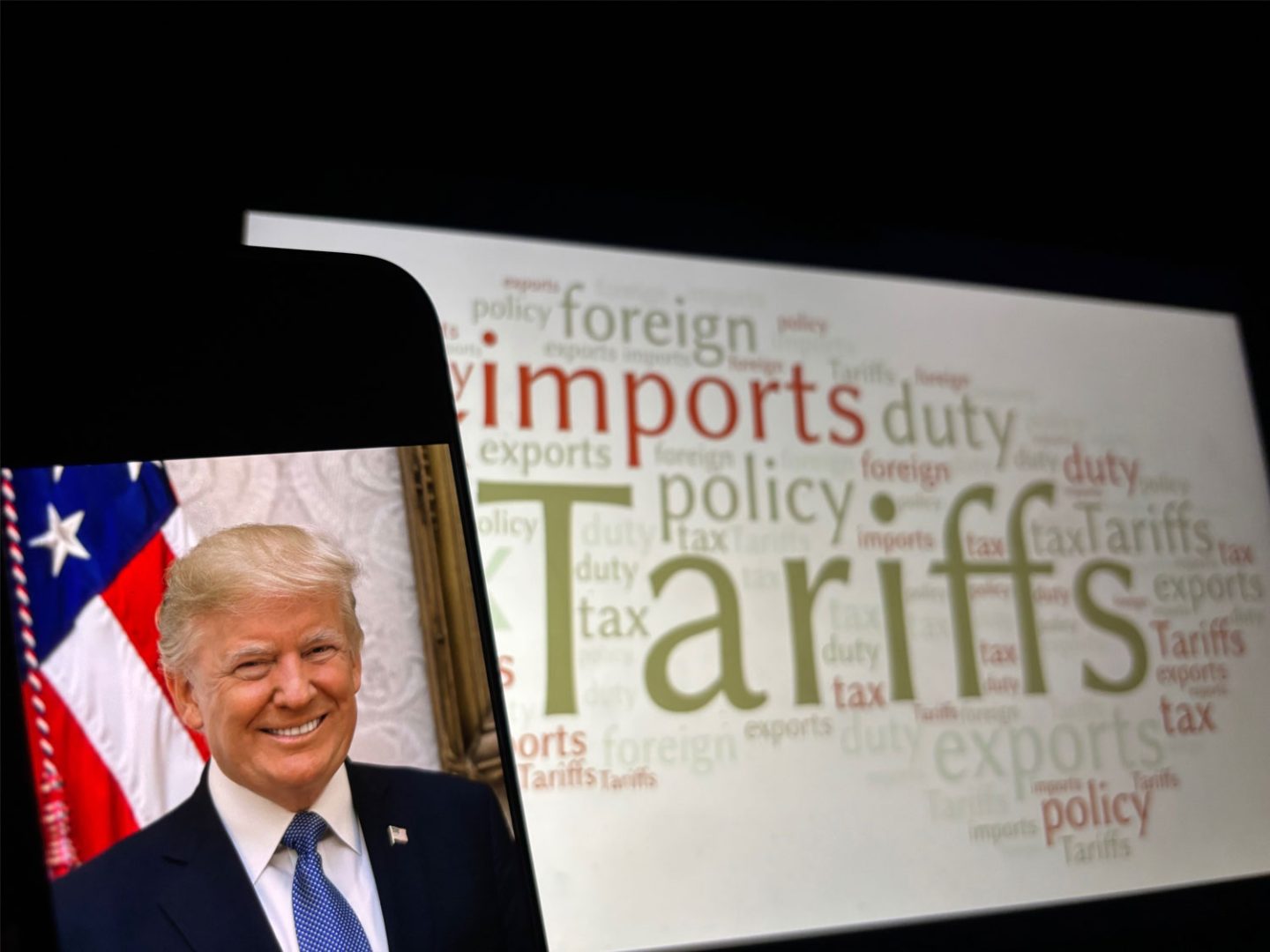
On 2 April 2025, President Donald J. Trump announced sweeping new tariffs, targeting approximately 60 countries, with China singled out for the most severe action. In response to retaliatory tariffs from Beijing, the United States escalated its own duties, ultimately imposing a 125% tariff on all imports from China, Hong Kong, and Macau, in addition to previously existing tariffs.

While the White House has not made extensive public statements on the topic of de minimis imports – the long-standing policy allowing goods valued under $800 to enter the U.S. duty-free – key guidance released on 2 and 8 April confirms that this exemption will soon be withdrawn for goods from China and Hong Kong.

Escalation of U.S. Tariffs on China
The first of the new tariffs took effect on 4 February 2025, when a 10% duty was introduced on top of the existing Section 301 tariffs. This was increased to 20% on 4 March, and then, on 2 April, President Trump announced a 34% reciprocal tariff, which included a new 10% baseline tariff applicable to all countries starting 5 April.

However, after China retaliated with increased tariffs on U.S. exports, the White House raised the China-specific tariff to 84% on 8 April, and then to a staggering 125% on 9 April. 

This final rate became effective at 00:01 ET on 10 April. These duties are stackable, meaning that in many cases, importers will face a total duty burden of around 145%, factoring in earlier Section 301 tariffs and the new reciprocal tariffs.

De Minimis Policy Changes for Chinese Imports
The de minimis exemption, which allows shipments valued at or below $800 USD to enter the United States without duties or import taxes, is being formally eliminated for goods originating from China and Hong Kong, effective 2 May 2025 at 00:01 ET.

This change follows a period of confusion that began on 1 February, when the White House first announced the end of de minimis for Chinese-origin shipments. 

Implementation on 4 February resulted in significant logistical disruptions, including a temporary halt in parcel acceptance by the United States Postal Service (USPS). The policy was reversed just one day later, on 5 February, to give U.S. authorities time to prepare for full enforcement.

Now, with updated executive orders on 8 April and 9 April, the de minimis exemption will definitively end for China and Hong Kong on 2 May. The administration is also considering extending these rules to Macau.

Starting on that date, goods valued under $800 from China and Hong Kong will be subject to a duty calculated at 120% of the item’s value, and a postal fee of $100 per package. 

The postal fee will rise to $200 on 1 June 2025. These amounts were increased from earlier planned levels of 30% duty and $25/$50 postal fees through the two April executive orders.

Additionally, the exemption will no longer apply to low-value goods shipped through couriers or freight companies—not just postal shipments—ensuring broad application across all shipping channels.

What’s Next?
While the de minimis threshold remains in place for most other countries, both the White House and members of Congress are reportedly reviewing broader changes to this policy. 

For now, the key changes apply specifically to China and Hong Kong, but the political momentum suggests the U.S. may tighten or eliminate de minimis privileges more broadly in the near future.

TIMELINE: Tariffs on China
1 Feb Trump announces elimination of de minimis for China (initially).
4 Feb 10% tariff imposed on Chinese and Hong Kong imports. No drawback or exclusion process.
5 Feb De minimis reinstated temporarily due to USPS overload and customs issues.
4 Mar Tariff on China doubled to 20%.
2 Apr Trump announces 34% reciprocal tariff on 60 countries, starting with China.
5 Apr New baseline 10% reciprocal tariff applies to all countries (excl China).
8 Apr After China retaliates, U.S. increases China tariff to 84%; raises de minimis duty to 90%.
9 Apr Tariff on China raised to 125%. De minimis duty rises to 120%.
10 Apr 125% China tariff becomes effective.
2 May End of de minimis for China and Hong Kong. New duties and postal fees apply.
1 June Postal fee increases for low-value shipments from China.

If you’d like to review any potential impact of tariffs on your supply chain, assess your exposure, or explore strategic options, we’re here to help. Metro is well-placed to support you, backed by our expanded US footprint and strong focus on North American trade flows.

Make informed decisions with Metro’s compliance and regulatory insights. EMAIL Andrew Smith, Managing Director.

India office workers

Strategic Growth in India is Building a Platform for the Future

Over the past five years, Metro has significantly expanded its footprint in the Indian Subcontinent, creating a powerful dual-platform presence that continues to evolve as part of our wider global growth strategy.

Today, India stands as one of our most dynamic regions and is set to house more Metro colleagues than any other location worldwide by the end of 2025.

At the heart of this development are two key Metro operations:

  • Metro Indian Subcontinent (MISC): Our established Global Operations Centre, which provides critical operational, accounting, financial, commercial, and administrative support for Metro’s global network.
  • Metro Global India (MGI): Our newly acquired and merging business, which is focused entirely on serving Indian customers and expanding our service offering across the region.

Together, MGI and MISC represent a formidable combination – supporting both local client requirements and global Metro offices – with highly skilled, locally based teams. While MGI ensures physical handling capabilities and tailored solutions for Indian customers, MISC continues to power our global service model through cutting-edge technology and operational expertise.

To support this rapid expansion, we are enhancing our infrastructure in Chennai. In June 2025, Metro will open a second facility in the city, located centrally and designed to accommodate an additional 130 colleagues. This new site will reflect the look and feel of our existing Metro offices around the world and work in tandem with our established Chennai HQ. The two locations will operate collaboratively, sharing responsibilities as our operations scale.

Importantly, this growth does not alter our long-standing partnerships across India. On the contrary, it enhances them. By leveraging a stronger in-country platform, we are better positioned to offer agile, collaborative solutions that bring together the best in experience, expertise, and supply chain capability. In a country where local knowledge is paramount, our ability to tap into deep regional insight gives us a distinct advantage.

Our Indian expansion reflects Metro’s broader global trajectory. Just as we are scaling rapidly in Europe and the USA, our investment in the Indian Subcontinent is being driven by growing customer demand—both for sourcing from and selling into this vibrant market and its neighbouring territories.

Whether supporting our global operations or meeting the needs of local clients, our teams in India are delivering world-class solutions with unrivalled professionalism and commitment.

If you’re currently trading with India and Metro are not yet supporting your supply chain, we’d love to hear from you. Please contact us directly, and we’ll be delighted to show you how we can deliver cost-effective, efficient, and fully integrated services across the Indian Subcontinent.

Trump on tv 1440x1080 1

Tariff turmoil threatens US importers as China trade takes a hit

After weeks of speculation, US President Donald Trump has sharply escalated tariffs on Chinese goods to 125%, while simultaneously offering a 90-day reprieve to other trading partners.

The baseline tariff of 10% applies to imports from all countries other than China, including the EU. This rate applies in addition to any existing tariffs, with certain exemptions in place for key sectors such as semiconductors, copper, lumber, pharmaceuticals, bullion, energy, and minerals not found domestically.

Meanwhile, the separate 25% tariff on automobiles and auto parts, introduced last month, remains in effect.

Tariffs of 25% also continue to apply to steel and aluminium imports across the board, alongside the existing 25% duty on goods from Mexico and Canada that do not comply with USMCA free trade agreement terms.

US retailers and importers are reacting quickly. Delaying or cancelling orders and turning to existing inventory while they wait for clarity. According to the National Retail Federation (NRF), the outlook for imports is bleak, with volumes expected to fall sharply in the coming months.

Data from Dun & Bradstreet shows that just 225,900 TEUs of US imports from Asia were booked in the past seven days, down from around 633,000 TEUs the week before. Purchase orders for fall and holiday merchandise are also being postponed by 30 to 60 days.

The NRF’s Global Port Tracker estimates a 20% year-on-year drop in US imports for the second half of 2025. June volumes are forecast to be the lowest since early 2023, with the downturn starting as soon as May. While the 90-day reprieve on non-China tariffs may cushion the blow, the wide disparity in duty rates between China and other Asian nations is already influencing global sourcing decisions.

With tariffs now exceeding 150% on some goods, many Chinese-made products are no longer viable in the US market. By contrast, the impact on goods from countries facing lower tariffs is less severe. A 10% duty typically translates to a retail price increase of around 3%, making these supply chains more resilient in the near term. As a result, sourcing is shifting rapidly towards countries like Vietnam and Taiwan, where the tariff environment is more favourable.

Despite the disruption, shipping lines remain cautiously optimistic. Many believe that once the tariff situation stabilises import volumes could rebound strongly during the peak late summer to autumn season.

Meanwhile, the administration appears to be refining its approach on another controversial measure. The proposed port fees of up to $1.5 million on Chinese-built or operated ships calling at US ports. Speaking before the Senate Finance Committee, USTR Jamieson Greer sought to ease concerns, indicating adjustments are being made to avoid damaging American export competitiveness.

“The president will look very carefully to make sure we have the right amount of time and the right incentives to create shipbuilding here without impacting our commodity exports,” Greer said.

Meanwhile, pressure is building on US Customs and Border Protection (CBP). The increased complexity of tariff codes and documentation is creating more manual processing work, and staffing levels have not risen in line with demand. There is growing concern that CBP could be overwhelmed if volumes rise suddenly or new duties are introduced.

For now, the only certainty is continued volatility. Trade flows are being redrawn, sourcing strategies are in flux, and the longer-term consequences of this tariff upheaval are only just beginning to surface.

We will share further updates as new details emerge, particularly around the EU and shifts in UK trade policy.

If you’d like to review any potential impact on your supply chain, assess your exposure, or explore strategic options, we’re here to help. Metro is well-placed to support you, backed by our expanded US footprint and strong focus on North American trade flows.

If we can help, or simply answer your questions, contact us now for prompt and tailored advice.