Cathay tailfins 1440x1080 1

Asia–Europe airfreight: Growth and vulnerabilities

Despite growth and robust demand airfreight faces significant challenges, including reliance on eCommerce, capacity pressures, and geopolitical disruptions.

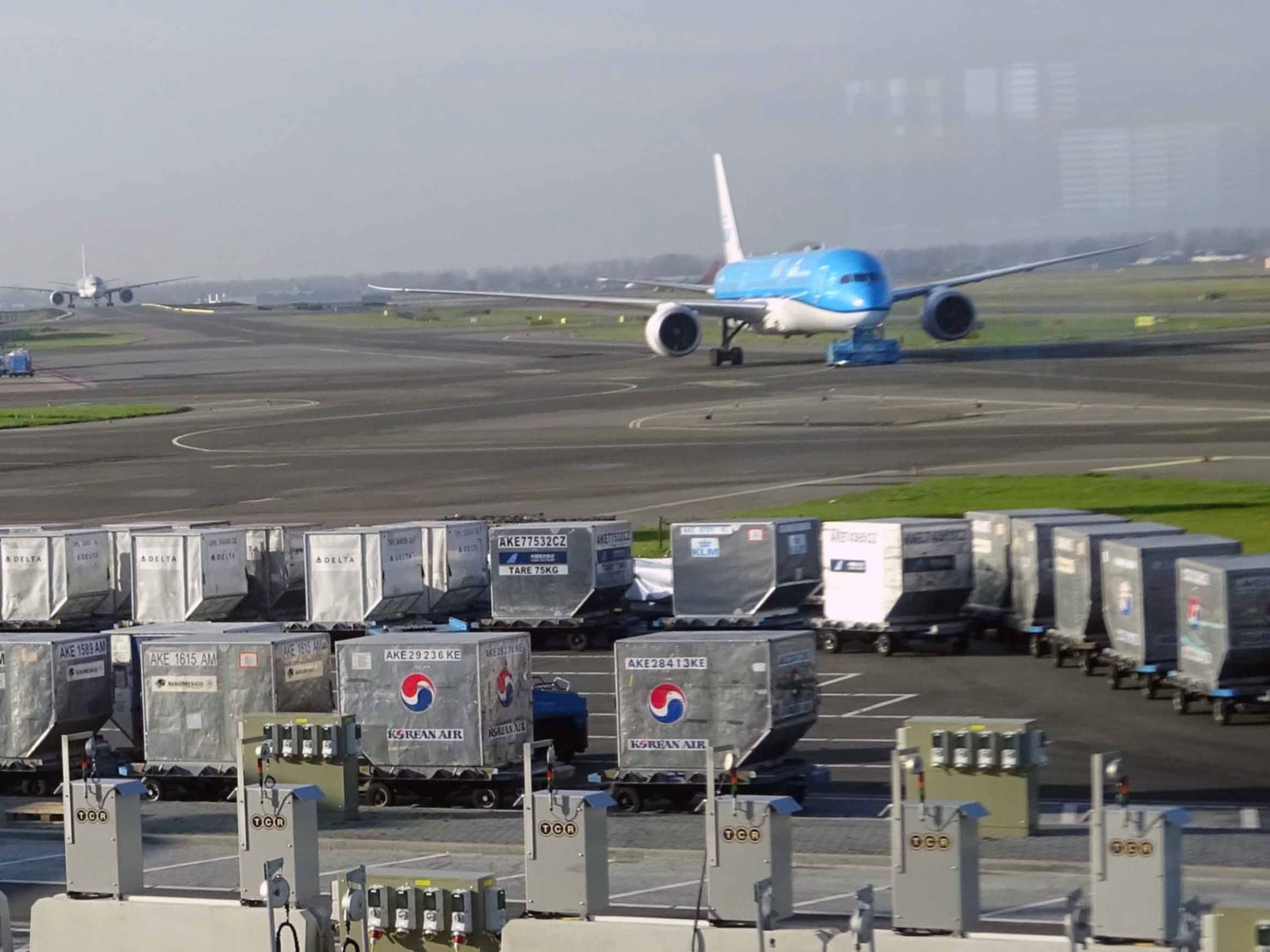
Airfreight demand on the Asia–Europe route saw a strong performance in 2024, bolstered by eCommerce, automotive parts, pharmaceuticals, garments and high-value electronics. Despite a slowdown in Europe’s domestic electric vehicle (EV) market, manufacturers have maintained steady shipments of EV-related spare parts to ensure regional stock levels. Meanwhile, high-value and time-sensitive automotive components remain key drivers of growth.

Pharmaceuticals and perishable goods have seen consistent demand on routes from Europe to Asia, with semi-conductor equipment and machinery playing a significant role. Electronics, one of the region’s most valuable cargo types, continues to move in high volumes, reflecting growing technological and consumer demands across Europe and Asia.

eCommerce slowdown exposes dependency

Despite surging demand for general cargo like electronics, automobile parts and garments out of India, Vietnam and Thailand, the airfreight sector’s strong reliance on eCommerce has been a double-edged sword. While the pandemic initially spurred a boom in eCommerce shipments, recent months have seen a sharp decline, with eCommerce volumes dropping significantly since the start of the year,, particularly from China.

Retailers’ full inventories and softer consumer demand have exacerbated this trend, leaving carriers grappling with reduced activity levels. While other verticals, such as pharmaceuticals and automotive, remain stable, the gap left by diminishing eCommerce volumes presents an ongoing challenge.

Capacity challenges and geopolitical pressures

Capacity remains a key issue on the Asia–Europe route. Airlines have deployed additional resources, including charter flights, to manage peak-season bottlenecks. However, this has come at a premium, with carriers competing for limited space amid strong demand for specific commodities.

Geopolitical factors have further complicated operations. The closure of Russian airspace forced carriers to reroute flights, leading to longer journey times, higher fuel consumption, and increased costs. European carriers also face competition from new Chinese entrants and Middle Eastern airlines have added another layer of complexity. This competition, while offering more options, has compressed margins for traditional carriers.

Balancing resilience with adaptation

Looking ahead, the Asia–Europe airfreight trade lane must strike a balance between resilience and adaptation. While commodities such as automotive parts, pharmaceuticals, garments and high-tech goods provide a stable foundation, diversification across more verticals will reduce vulnerabilities.

Capacity pressures and geopolitical disruptions will require innovative solutions, from optimising routes to strengthening partnerships with supply chain stakeholders.

Metro is here to help you navigate these complexities with tailored solutions that ensure reliability, cost-efficiency, and resilience.

Our airfreight, charter, and sea/air services are designed to handle urgent and sensitive shipments with precision. By leveraging block space agreements (BSA) and capacity purchase agreements (CPA), we lock-in space and competitive rates on the busiest trade lanes.

Whatever you’re shipping, Metro’s expertise and strategic carrier partnerships can optimise your supply chain while saving you money.

EMAIL Elliot Carlile, Operations Director, today to explore how Metro’s solutions can support your business on the Asia–Europe trade lane and beyond.

Antwerp

ICS2 Phase 2: What you need to know and how we can help

On 4th December 2024, Phase 2 of the Import Control System 2 (ICS2) was deployed, requiring maritime and inland waterways house-level filers, including Metro, to directly submit detailed safety and security data to EU customs authorities.

ICS2 is the EU’s advanced customs system designed to enhance supply chain security and facilitate smooth trade across its external borders. By collecting and analysing cargo data in advance, ICS2 allows customs authorities to identify risks early, ensuring efficient processing of low-risk goods while prioritising inspections for high-risk consignments.

Key benefits of ICS2

ICS2 streamlines customs procedures while securing the supply chain by:
Proactively identifying high-risk consignments for early intervention.
Reducing delays and costs through faster and smoother cross-border clearance.
Simplifying data exchange between Economic Operators (EOs) and customs authorities.

Enhanced data requirements
To comply with ICS2, all exporters and logistics providers must provide comprehensive data via the Entry Summary Declaration (ENS), including:

6-digit Harmonised System Code.
Commercial descriptions of goods.
EU-registered EORI numbers.

Complete details of the seller, buyer, and consignee.Prompt submission of this data enables accurate risk assessments, helping to avoid shipment delays.

ENS filing timelines

For maritime transport, ENS submissions must adhere to strict timelines:
1. Two hours before arrival at the first EU port of entry for goods from nearby regions (e.g., Greenland, Morocco, or the Mediterranean) with journeys under 24 hours.
2. Four hours before arrival for bulk cargo in other cases.
3. 24 hours before loading for containerised cargo on longer journeys.

Please note, some carriers may require submissions earlier, such as 24 hours before the estimated time of arrival (ETA) at the port of departure.

Implementation timeline
ICS2 is being deployed in three stages:

1.3rd June 2024: Maritime and inland waterways carriers.
2.4th December 2024: Maritime and inland waterways house-level filers.
3.1st April 2025: Road and rail carriers.

Since 4th December, Metro has been filing directly with EU customs authorities, ensuring compliance and early clearance of shipments. Non-compliance or incomplete ENS submissions can result in shipment delays, stops, and fines.

How we support your compliance

To simplify your compliance with ICS2 Phase 2, we’ve adapted our CuDoS customs brokerage platform to integrate seamlessly with the Shared Trader Interface (STI). This ensures your shipments are cleared early in the process, avoiding costly disruptions.

Our dedicated brokerage team is here to:
Guide you through ICS2 requirements.
Assist with data provision and ENS submissions.
Provide comprehensive support for import and export documentation across the EU.

Don’t let delays or penalties impact your operations. EMAIL Andy Fitchett today to learn how we can help ensure a seamless transition to ICS2 Phase 2 and keep your supply chain moving smoothly.

Customs declaration

November 2024; Customs and compliance update

Our customs consultancy team provide insights on the latest changes, making it easier for you to stay on top of your planning and development needs.

To help us better support your compliance and efficiency goals, including duty/tax reclaims, we encourage you to click the button below to complete our short, five question survey. By responding, you’ll receive tailored insights and support to address any gaps or opportunities within your customs and trade processes.

Carbon Border Adjustment Mechanism (CBAM)
As attention focused on the recent UK government budget, many missed the announcement about the UK’s own carbon border adjustment mechanism (CBAM), coming into effect on 1st January 2027. This CBAM will place a carbon price on high-risk goods imported to the UK from sectors including aluminium, cement, fertiliser, hydrogen, iron, and steel. This measure aims to prevent “carbon leakage” by ensuring the UK’s decarbonisation efforts truly reduce global emissions rather than simply shifting them abroad.

Key points:
• Goods from the glass and ceramics sectors are excluded from CBAM requirements starting in 2027.
• Only businesses importing over £50,000 of CBAM goods annually will need to comply.
• Lessons from the EU’s recent CBAM rollout, which faced data challenges, may offer valuable insights as the UK implements its own system.

Safety & Security Great Britain (SSGB)
The SSGB requires an Entry Summary Declaration (ENS) for all goods imported to Great Britain from the EU, effective from 31st January 2025. Responsibility for filing lies with the carrier or haulier, but as the UK importer, you hold the key data.

Here’s what you need to know:
• For accompanied freight, the origin freight forwarder or haulier is responsible for the ENS submission.
• For unaccompanied freight, the ferry line is responsible.
• Some of the required data can be found on your import customs entry, but certain details may depend on direct or indirect liability, particularly if ENS filing is requested by another party.
• A GB EORI number is essential for those needing access to the system.
• HMRC requires accurate and updated departure details before sailings, although some linking issues with GVMS remain unresolved.

Final guidance is pending, but obtaining EORI information from your suppliers will support this new requirement.

Windsor Framework
The Windsor Framework, replacing the Northern Ireland Protocol, has seen its implementation date pushed from 30th September 2024 to 31st March 2025.

This framework introduces Red and Green lanes for goods traffic and replaces the TSS (Trader Support Service) with the UKIMS (UK Internal Market Scheme). It will simplify trade, particularly for agrifoods moving into Northern Ireland, with the Northern Ireland Retail Movement Scheme (NIRMS) reducing administrative burdens for certain goods.

import control system 2 (ICS2)
As ICS2 progresses for EU surface cargo, European hauliers have voiced concerns about the challenge of gathering essential data. Metro can assist exporters by preparing data in advance from the export entry, keeping hauliers on the move.

Key details:
• Much of the required information is found on the customs entry.
• Emphasis has shifted to 6-digit commodity codes, and the EU consignee’s EORI number is now required.

Simplifying the complex
While the list of complex abbreviations and requirements continues to grow, don’t worry because our team can break down the jargon and provide clear, actionable guidance to ensure smooth customs compliance.

Client survey: Insight into your compliance needs
Please take a few moments to complete our survey. Your responses will help us understand your needs and provide solutions that enhance your compliance and streamline your processes. Thank you for your feedback!

Metro are at the forefront of customs brokerage solutions, with our automated CuDoS declaration platform and dedicated team of customs experts, reacting swiftly to any changes in the UK and EU’s trading regimes.

To learn more about compliance, CBAM, SSGB, The Windsor Framework or ICS2 – OR to see how we can simplify and automate customs declarations – please EMAIL Andy Fitchett, Brokerage Manager.

history banner 2

Enhanced groupage services to France and Germany

In our continued efforts to provide exceptional trans-European logistics solutions, we have recently upgraded our groupage services to France and Germany, offering greater speed and efficiency, alongside competitive rates and our top-tier customer care.

Our French groupage services continue to excel, offering regular, efficient departures and seamless distribution throughout the country. In addition, we have expanded our reach in Germany, a vital hub for European trade. With frequent departures, including into the Ruhr area, one of Germany’s most important industrial regions, we ensure that goods are swiftly distributed across the country thanks to our trusted network of partners.

In today’s fast-paced and ultra-competitive markets, it’s not just about speed and cost—it’s about communication, reliability, and trust. By carefully selecting carrier and network partners in France and Germany, who share our customer-first mindset, we ensure that our clients benefit from smooth communication, timely updates, and a full door-to-door (DDP) solution. Our goal is to make European shipping as hassle-free as possible, providing a service that values our customers’ time and business.

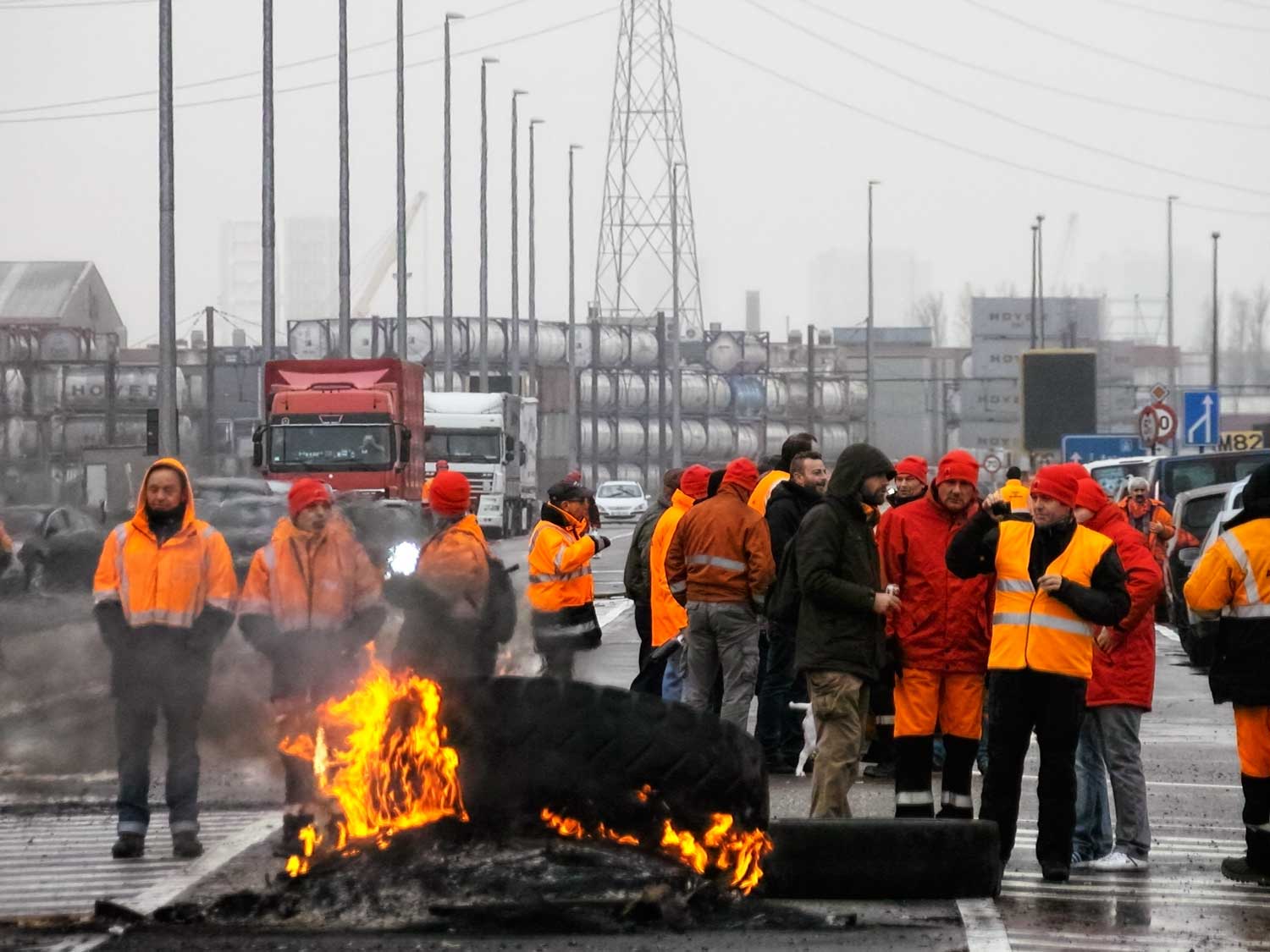
However, businesses shipping to and from Germany should be aware of some potential changes that may impact the logistics landscape. Recently, Germany has enforced stricter border controls aimed at curbing migrant activity. While the long-term effects on freight traffic remain unclear, it is a development that could impact trucks entering and leaving the country.

Additionally, as of November 2024, UK passport holders will be required to register their biometric details, such as fingerprints or a photo, when entering the Schengen area, which could cause some delays for trucks crossing from the UK into the EU.

Despite these challenges, our French and German groupage services remain reliable and dependable, ensuring that goods are delivered efficiently while providing the highest level of customer care.

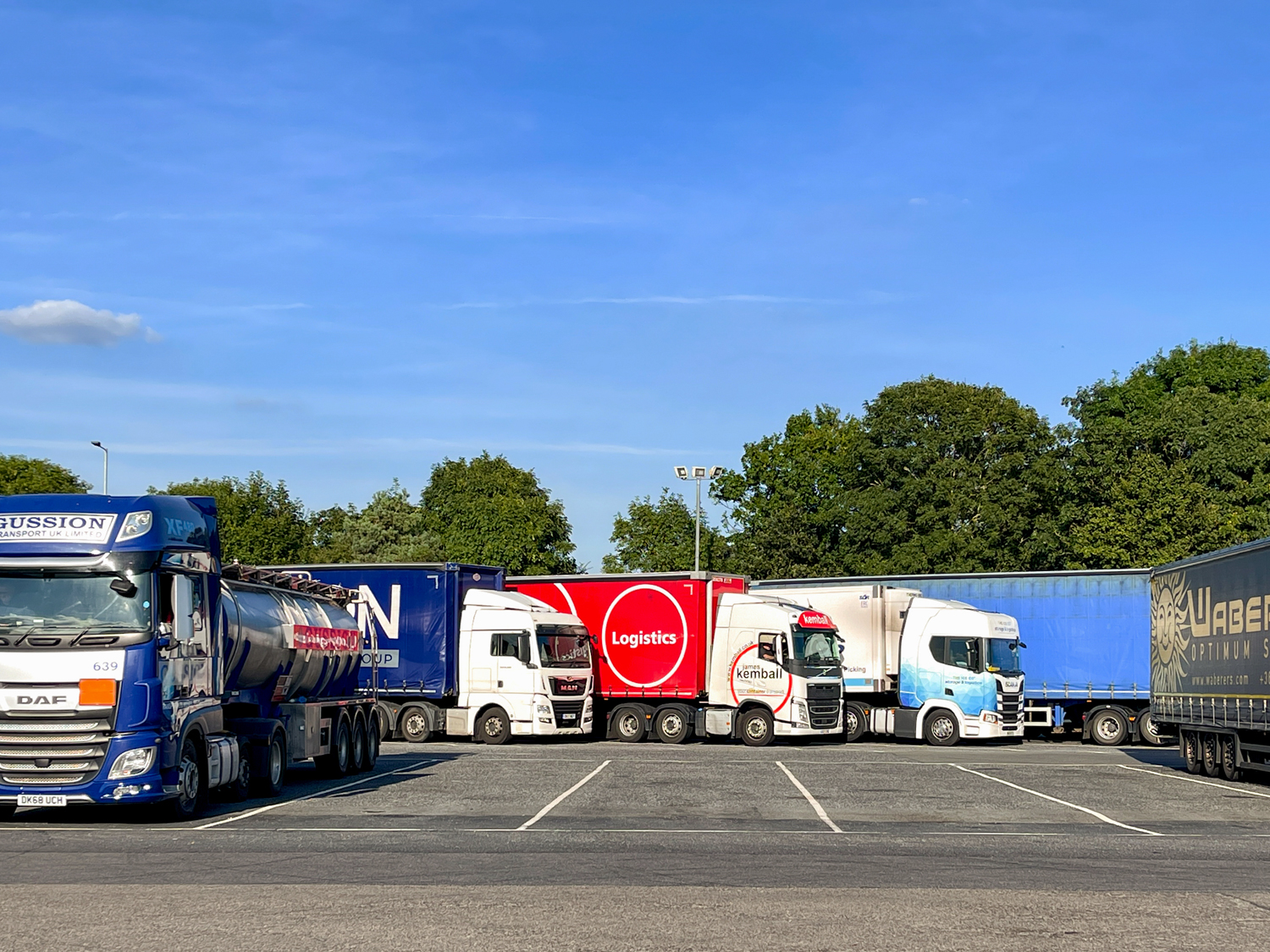
Metro’s road transport solutions incorporate dedicated vehicles moving on set routes for security, with defined delivery deadlines and GPS tracked trucks, to provide full transparency on transit schedules throughout the UK and continental Europe.

Our road freight teams are located close by major manufacturing and transport hubs across the UK. To explore the potential of our German and other European services EMAIL Richard Gibbs to begin a conversation.