Asia Pacific Freight Markets Reshape as Tariffs Shift Trade Flows

Asia Pacific Freight Markets Reshape as Tariffs Shift Trade Flows

Air and sea freight in the Asia Pacific region is at the centre of global freight realignments, as eCommerce and feeder shipping operations are reshaped by recent policy changes in the US. 

Adjustments to tariff rules and the elimination of duty exemptions have pushed shippers to reconsider sourcing strategies, shifting some flows from China to other Asia Pacific markets while amplifying pressure on already-congested sea and air networks.

Air cargo: eCommerce realignment

The removal of de minimis exemptions on China–US eCommerce shipments has sharply reduced volumes from mainland China and Hong Kong to the US, while boosting flows from alternative Asia Pacific origins and into Europe.

Airlines across the region reported strong growth in July, as exporters diverted shipments to avoid tariff penalties and took advantage of front-loading opportunities during temporary pauses in tariff implementation.

This shift highlights the growing role of Asia Pacific beyond China in meeting US and European demand, with trade lanes from Southeast Asia and emerging eCommerce hubs gaining traction. While China remains dominant in cross-border online trade, its reduced share of US-bound volumes has accelerated diversification across the region.

Sea freight: Feeder bottlenecks

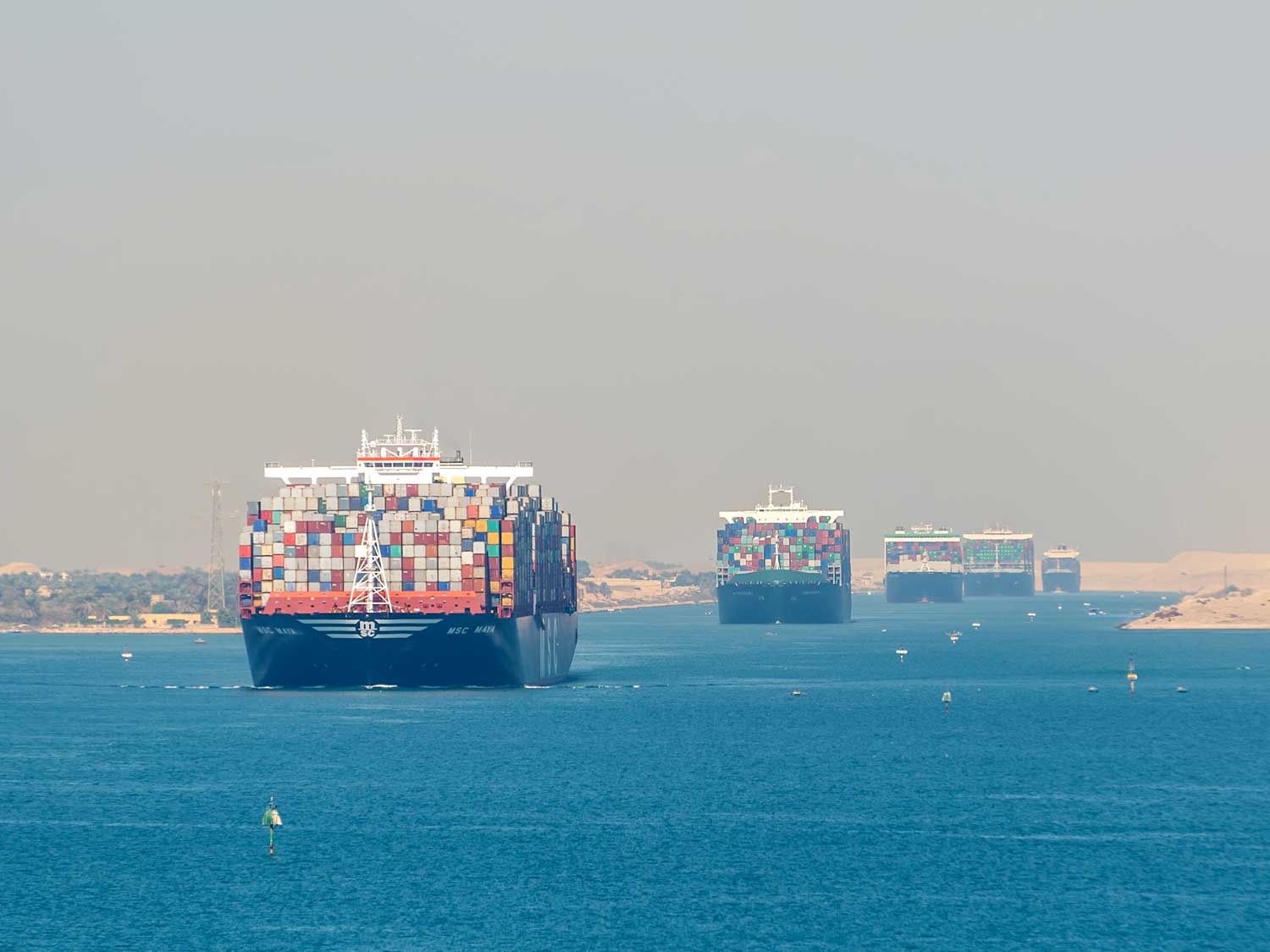
At the same time, feeder shortages in Southeast Asia are disrupting supply chains, delaying transshipments and creating congestion at major hubs including Singapore (operating near 90% yard capacity), Shanghai, Ningbo and Port Klang.

Shippers are being forced to secure space weeks in advance, with rolled cargo and high yard density compounding the disruption.

The surge in demand from Southeast Asia, partly driven by tariff-related cargo diversions, has stretched feeder capacity, with carriers prioritising direct lanes over transshipment-heavy routings. For US exporters, this has meant greater scrutiny over which cargoes are accepted, adding uncertainty to already fragile trade flows.

Implications for US and European businesses

For US and European importers, these developments underline the risks of over-reliance on single-source markets, as both regulatory shifts and operational pressures can disrupt established flows. For exporters, feeder constraints and selective carrier acceptance policies may limit market access and slow supply chains out of Asia.

Diversification of sourcing, earlier booking strategies, and closer collaboration with supply chain stakeholders is essential in navigating these disruptions. With eCommerce volumes continuing to grow and Asia Pacific playing a more pivotal role, freight strategies must evolve to maintain resilience and competitiveness.

Metro gives you the visibility, agility, and expertise to adapt to shifting trade flows and capacity constraints. EMAIL managing director, Andy Smith, today to strengthen your supply chain and secure your freight movements across Asia Pacific, the US and Europe.

Brown Marmorated Stink Bug Season 2025

Brown Marmorated Stink Bug Season 2025

The Brown Marmorated Stink Bug (BMSB) is an agricultural pest native to China, Japan and the Korean peninsula. Each year, Australia and New Zealand enforce strict controls from 1 September through 30 April to prevent the introduction of this invasive pest through international trade.

Accidentally introduced into the United States twenty years ago, the Brown Marmorated Stink Bug (BMSB) is also established in South America and Europe and remains a significant biosecurity threat to Australia and New Zealand.

Non-compliance with BMSB regulations can lead to severe delays, additional costs, or even re-exportation of the shipment. To avoid these complications, importers are strongly encouraged to complete BMSB treatments offshore before the goods arrive in Australia or New Zealand. Accurate and early documentation, including treatment certificates, is essential for expediting inspections and clearing shipments.

New for 2025/26

Emerging Risk Countries: The UK has been added as an emerging risk country, alongside the Republic of Korea and Japan. These countries will be subject to heightened surveillance and random inspections.

Airfreight Inspections: High-risk goods arriving as airfreight from the United States and China will now be subject to random inspections.

New Treatment Option: Ethyl Formate has been introduced as an additional offshore fumigation treatment option alongside existing treatments like sulfuryl fluoride and methyl bromide.

Updated In-Transit and Rolled Policy: A new application process allows for onshore re-treatment approval under specified conditions, providing options for shipments under review or treatment provider suspension.

Risk Countries and Target Goods

The seasonal measures apply to targeted goods manufactured in or shipped from designated risk countries, including 38 core countries and the new emerging risk countries listed above. The measures focus on:

  • Vehicles, machinery parts, tyres, wood articles, and other high-risk goods.
  • Breakbulk, open top, and flat rack containers require strict offshore treatment.
  • Containerised cargo may be treated offshore or onshore without deconsolidation.
  • LCL cargoes are managed at the container level with offshore treatment strongly recommended.
  • Goods in fully sealed containers loaded and sealed before 1 September may be exempt.

Compliance Recommendations

  • Arrange offshore fumigation treatment early wherever possible, as onshore capacity is limited and delays may occur.
  • Ensure cargo packaging permits effective fumigation or heat treatment penetration.
  • Regulations do not apply to packaging materials like cardboard or pallets.
  • Use DAFF-approved treatment providers and maintain required certification documentation.

Metro’s Support Through Preparedness

Metro’s CEO and Managing Director recently undertook visits to partners and clients in Australia, reinforcing their commitment to ensuring all stakeholders are fully aligned and well-prepared for the Brown Marmorated Stink Bug (BMSB) season. 

By working closely with treatment providers and quarantine authorities, Metro has strengthened its capability to meet the strict biosecurity standards demanded. The company has also established dedicated staging and treatment facilities, to minimise potential disruptions.

These facilities are sterilised to meet quarantine and inspection standards, such as those set by the Australian Quarantine and Inspection Service (AQIS), providing a controlled environment for the inspection, cleaning, and fumigation of high-risk cargo.

By ensuring that cargo is treated and transported within a sterile environment, it bypasses quarantine checks upon arrival and moves directly to the destination staging facility for unloading and further distribution, thus streamlining the delivery process and meeting BMSB compliance standards.

Metro remains dedicated to simplifying this complex biosecurity landscape, enabling customers to ship with confidence during the 2025/26 BMSB season.

Visit the Department of Agriculture, Fisheries and Forestry web site for details of their seasonal measures

US Tariffs Reshape Global Supply Chains

US Tariffs Reshape Global Supply Chains

The wave of new US tariffs has triggered a recalibration across global trade and supply chains. While markets initially reacted with relative calm, the cumulative impact of the Trump administration’s layered tariff regime, now reaching more than 60 countries, is beginning to reshape sourcing strategies, cost structures, and trade flows worldwide.

The latest measures, including punitive tariffs of up to 50% on imports from India, and Switzerland, and a standardised 15% levy on most EU goods, follow months of negotiations, with the UK and US agreeing an Economic Prosperity Deal (EPD) on 8 May, as a framework for tariff reductions to 10% and sector-specific cooperation.

While the EU, UK and some other nations have secured temporary reprieves or reduced rates, others are facing some of the steepest trade barriers since the 1930s. Despite legal challenges and ongoing court reviews, the ‘reciprocal’ tariff framework remains in force until 14 October to give the administration time to appeal to the US Supreme Court.

Supply Chain Implications

With the average US tariff rate climbing to 15.2%, up from a pre-Trump level of just 2.3%, importers are confronted by significant new costs and operational uncertainties. Many rushed to ship goods before the new levies took effect, temporarily insulating American consumers from immediate price increases.

However, the landscape is growing more unpredictable. With distinct, sector-specific tariffs on items like semiconductors, consumer electronics, pharmaceuticals, and critical minerals forthcoming, importers face ongoing uncertainty around landed costs and logistical planning.

And while the legality of “reciprocal” tariffs continues under judicial review, it adds yet another layer of risk for firms engaged in international trading.

The structure of the new tariff regime is multi-layered. A base rate of 10% applies to most imports, with steeper levies of 15% to 41% on countries with trade surpluses or those targeted for geopolitical reasons. Sector-specific duties on copper, pharmaceuticals, semiconductors, and critical minerals are being introduced in stages, with transshipment clauses aimed at preventing circumvention.

India, Switzerland and Brazil have emerged among the hardest-hit economies, with duties on some goods now matching or exceeding those applied to China. 

The outlook for trade with China remains fluid. A 90-day truce has paused the imposition of previously announced three-digit tariffs, with further talks expected before the November deadline.

However, a new provision introducing a 40% tariff on suspected transshipped goods, potentially targeting Chinese exports routed through third countries, has introduced added further complexity for supply chain managers.

The EU, UK, Canada, Mexico, Japan, and South Korea, appear better positioned to weather the storm, with existing trade agreements and temporary negotiation windows providing some insulation. Yet, some of these buffers are time-limited, and broader economic impacts are still unfolding.

As tariffs shift the relative cost of sourcing and importing, businesses are actively reviewing their global footprints. For many, the focus is now on building resilience through diversification, friend-shoring, and regionalisation. However, continued tariff uncertainty is delaying investment decisions and complicating long-term planning, especially for industries reliant on integrated global supply chains.

US Tariffs are reshaping global trade. Whether you’re evaluating exporting or sourcing options, reviewing landed costs, or considering tariff engineering, EMAIL our managing director Andy Smith to discuss your exposure and build a future-proof compliance strategy.

EU Freight and Customs Round‑Up

EU Freight and Customs Round‑Up

The movement of goods between Great Britain, Northern Ireland and the EU is entering one of its most challenging and complex periods in recent years. Regulatory changes are reshaping established routes, creating new administrative demands, and raising questions about supply chain resilience.

From the phased enforcement of ICS2 safety and security filings, to the evolving requirements of the Windsor Framework and the digitalisation of EU border controls, operators are facing a series of overlapping obligations. Understanding and preparing for these changes will be critical to maintaining efficiency, avoiding disruption, and keeping trade moving in the months ahead.

ICS2 Phase 3 Staggered Rollout

The EU’s ICS2 Release 3 – requiring detailed safety and security filings for road and rail freight – was due to become fully mandatory on 1 September 2025. While the system itself is active, several Member States have secured temporary derogations delaying enforcement until December 2025.

Germany and the Netherlands, however, are pressing ahead, meaning accompanied RoRo shipments to those markets may face compliance risks if operators are unprepared. Northern Ireland RoRo traffic has also been given a phased start, with the new TIMS platform offering a gradual introduction later this year.

The patchwork of deadlines across Europe underscores the need for close monitoring and proactive compliance to avoid penalties and delays.

GB–NI Trade Under Pressure

The Windsor Framework remains a source of disruption for operators moving goods between GB and Northern Ireland. Complicated “at risk” classifications, excessive paperwork, and inconsistent enforcement are driving inefficiency and higher costs.

Some suppliers are rerouting freight via Dublin rather than using the Irish Sea, while consumers in NI face reduced product choice as online sellers and retailers scale back deliveries.

Industry bodies argue that reforms such as classifying goods at the point of sale and simplifying Just-in-Time exemptions are urgently needed to stabilise trade volumes and restore reliability.

EU Entry/Exit System

The EU’s new Entry/Exit System (EES) is scheduled to go live on 12 October. Designed to digitise border checks by capturing biometric data, the system will eventually cover all non-EU drivers entering the bloc.

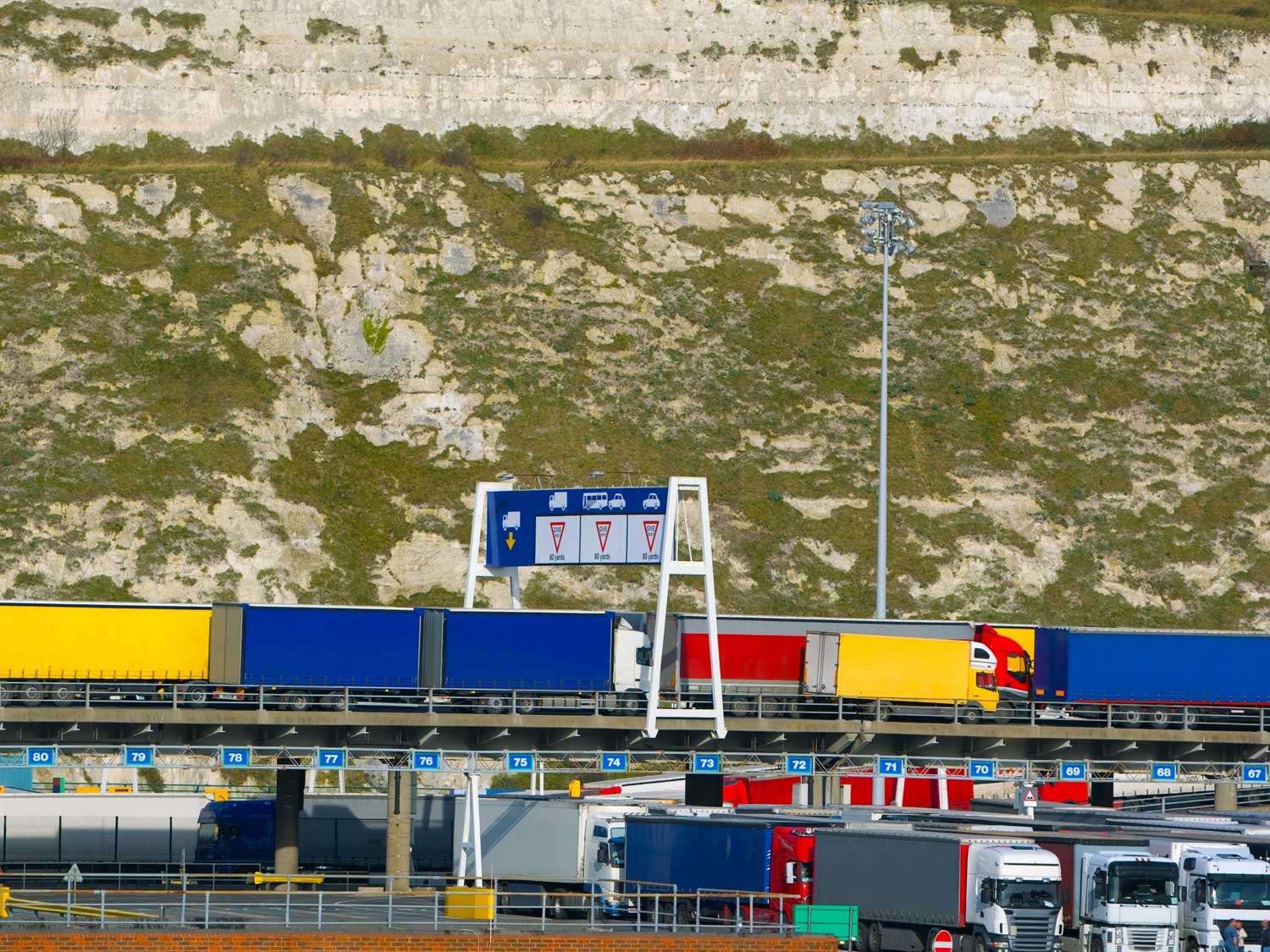
While intended to streamline processes and enhance security, the transition will create additional steps for hauliers and could slow traffic on critical corridors such as Dover–Calais if infrastructure proves inadequate.

UK hauliers face further constraints from the 90/180-day driver access rule, raising concerns over flexibility in meeting customer demand. With weeks left to prepare, shippers should ensure that drivers are prepared, documentation and contingency measures are in place.

Staying Ahead of the Changes

The common thread running through these developments is clear: shippers face a rising tide of complexity at the intersection of GB and EU trade. From border checks and customs filings to NI market access, regulatory shifts demand preparation, agility and informed support.

Metro is committed to helping customers navigate this evolving environment – from expert customs guidance and training to cross-border contingency planning and operational resilience.

To discuss how these changes could affect your supply chains, and the practical steps to stay compliant and competitive, please EMAIL our managing director Andy Smith.