India office workers

Strategic Growth in India is Building a Platform for the Future

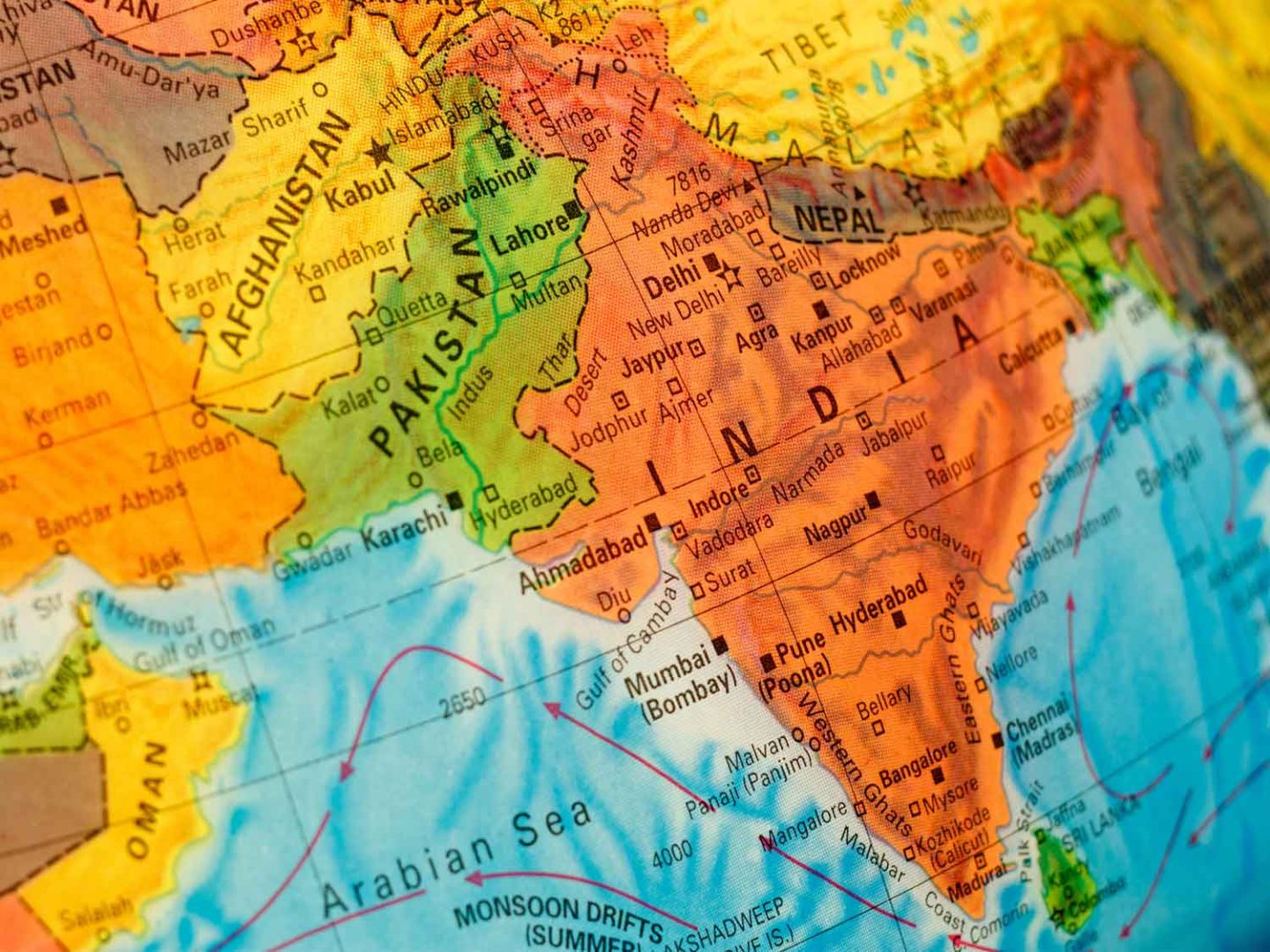
Over the past five years, Metro has significantly expanded its footprint in the Indian Subcontinent, creating a powerful dual-platform presence that continues to evolve as part of our wider global growth strategy.

Today, India stands as one of our most dynamic regions and is set to house more Metro colleagues than any other location worldwide by the end of 2025.

At the heart of this development are two key Metro operations:

  • Metro Indian Subcontinent (MISC): Our established Global Operations Centre, which provides critical operational, accounting, financial, commercial, and administrative support for Metro’s global network.
  • Metro Global India (MGI): Our newly acquired and merging business, which is focused entirely on serving Indian customers and expanding our service offering across the region.

Together, MGI and MISC represent a formidable combination – supporting both local client requirements and global Metro offices – with highly skilled, locally based teams. While MGI ensures physical handling capabilities and tailored solutions for Indian customers, MISC continues to power our global service model through cutting-edge technology and operational expertise.

To support this rapid expansion, we are enhancing our infrastructure in Chennai. In June 2025, Metro will open a second facility in the city, located centrally and designed to accommodate an additional 130 colleagues. This new site will reflect the look and feel of our existing Metro offices around the world and work in tandem with our established Chennai HQ. The two locations will operate collaboratively, sharing responsibilities as our operations scale.

Importantly, this growth does not alter our long-standing partnerships across India. On the contrary, it enhances them. By leveraging a stronger in-country platform, we are better positioned to offer agile, collaborative solutions that bring together the best in experience, expertise, and supply chain capability. In a country where local knowledge is paramount, our ability to tap into deep regional insight gives us a distinct advantage.

Our Indian expansion reflects Metro’s broader global trajectory. Just as we are scaling rapidly in Europe and the USA, our investment in the Indian Subcontinent is being driven by growing customer demand—both for sourcing from and selling into this vibrant market and its neighbouring territories.

Whether supporting our global operations or meeting the needs of local clients, our teams in India are delivering world-class solutions with unrivalled professionalism and commitment.

If you’re currently trading with India and Metro are not yet supporting your supply chain, we’d love to hear from you. Please contact us directly, and we’ll be delighted to show you how we can deliver cost-effective, efficient, and fully integrated services across the Indian Subcontinent.

Trump on tv 1440x1080 1

Tariff turmoil threatens US importers as China trade takes a hit

After weeks of speculation, US President Donald Trump has sharply escalated tariffs on Chinese goods to 125%, while simultaneously offering a 90-day reprieve to other trading partners.

The baseline tariff of 10% applies to imports from all countries other than China, including the EU. This rate applies in addition to any existing tariffs, with certain exemptions in place for key sectors such as semiconductors, copper, lumber, pharmaceuticals, bullion, energy, and minerals not found domestically.

Meanwhile, the separate 25% tariff on automobiles and auto parts, introduced last month, remains in effect.

Tariffs of 25% also continue to apply to steel and aluminium imports across the board, alongside the existing 25% duty on goods from Mexico and Canada that do not comply with USMCA free trade agreement terms.

US retailers and importers are reacting quickly. Delaying or cancelling orders and turning to existing inventory while they wait for clarity. According to the National Retail Federation (NRF), the outlook for imports is bleak, with volumes expected to fall sharply in the coming months.

Data from Dun & Bradstreet shows that just 225,900 TEUs of US imports from Asia were booked in the past seven days, down from around 633,000 TEUs the week before. Purchase orders for fall and holiday merchandise are also being postponed by 30 to 60 days.

The NRF’s Global Port Tracker estimates a 20% year-on-year drop in US imports for the second half of 2025. June volumes are forecast to be the lowest since early 2023, with the downturn starting as soon as May. While the 90-day reprieve on non-China tariffs may cushion the blow, the wide disparity in duty rates between China and other Asian nations is already influencing global sourcing decisions.

With tariffs now exceeding 150% on some goods, many Chinese-made products are no longer viable in the US market. By contrast, the impact on goods from countries facing lower tariffs is less severe. A 10% duty typically translates to a retail price increase of around 3%, making these supply chains more resilient in the near term. As a result, sourcing is shifting rapidly towards countries like Vietnam and Taiwan, where the tariff environment is more favourable.

Despite the disruption, shipping lines remain cautiously optimistic. Many believe that once the tariff situation stabilises import volumes could rebound strongly during the peak late summer to autumn season.

Meanwhile, the administration appears to be refining its approach on another controversial measure. The proposed port fees of up to $1.5 million on Chinese-built or operated ships calling at US ports. Speaking before the Senate Finance Committee, USTR Jamieson Greer sought to ease concerns, indicating adjustments are being made to avoid damaging American export competitiveness.

“The president will look very carefully to make sure we have the right amount of time and the right incentives to create shipbuilding here without impacting our commodity exports,” Greer said.

Meanwhile, pressure is building on US Customs and Border Protection (CBP). The increased complexity of tariff codes and documentation is creating more manual processing work, and staffing levels have not risen in line with demand. There is growing concern that CBP could be overwhelmed if volumes rise suddenly or new duties are introduced.

For now, the only certainty is continued volatility. Trade flows are being redrawn, sourcing strategies are in flux, and the longer-term consequences of this tariff upheaval are only just beginning to surface.

We will share further updates as new details emerge, particularly around the EU and shifts in UK trade policy.

If you’d like to review any potential impact on your supply chain, assess your exposure, or explore strategic options, we’re here to help. Metro is well-placed to support you, backed by our expanded US footprint and strong focus on North American trade flows.

If we can help, or simply answer your questions, contact us now for prompt and tailored advice.

us china tradewar

US Tariff Developments and Global Trade Reactions

Further to our recent update on the major changes to US tariffs (link), the global trade landscape remains highly fluid, with the situation evolving rapidly.

Last Wednesday, 2nd April, President Donald Trump announced a comprehensive tariff strategy, imposing a universal 10% tariff on all imported goods, effective from the 5th April.

Additionally, as of today, 9th April, a second wave of higher “reciprocal” tariffs has been implemented, targeting specific countries with rates ranging from 11% to 50%, based on perceived trade imbalances and barriers. Notably, China which now faces a tariff rate of 104% on its exports to the US, combining previous and new duties.

The UK, Australia, Indonesia, Singapore, Vietnam, and Taiwan have confirmed they will not introduce countermeasures at this stage. Notably, both Vietnam and Taiwan have expressed willingness to negotiate with the US and explore zero-tariff agreements.

In contrast, China responded with retaliatory tariffs of up to 34% on US goods, which has seen President Trump follow through with his threatened escalation of an additional 50% duty on Chinese imports. As a result, US importers now face an unprecedented degree of uncertainty around landed costs.

The European Union has proposed a zero-tariff arrangement on autos and industrial goods, which was rejected by the US. So far, the EU’s potential response appears limited to steel and aluminium, though speculation persists around broader negotiations and potential shifts in trade policy.

This environment puts US importers in a difficult position: ship now and risk overpaying if tariffs are reversed, or delay and risk facing even higher costs if further duties are imposed. Many are opting to pause shipments where possible, disrupting vessel utilisation, bookings, and spot market rates.

Early indicators suggest the impact on global logistics is already being felt. Sea freight container bookings into the US from China have dropped a massive 67% in the past 7 days compared to the week prior, with export bookings also down 40%. If these figures are anywhere near accurate, this marks an extremely large and immediate disruption to trade flows into the US.

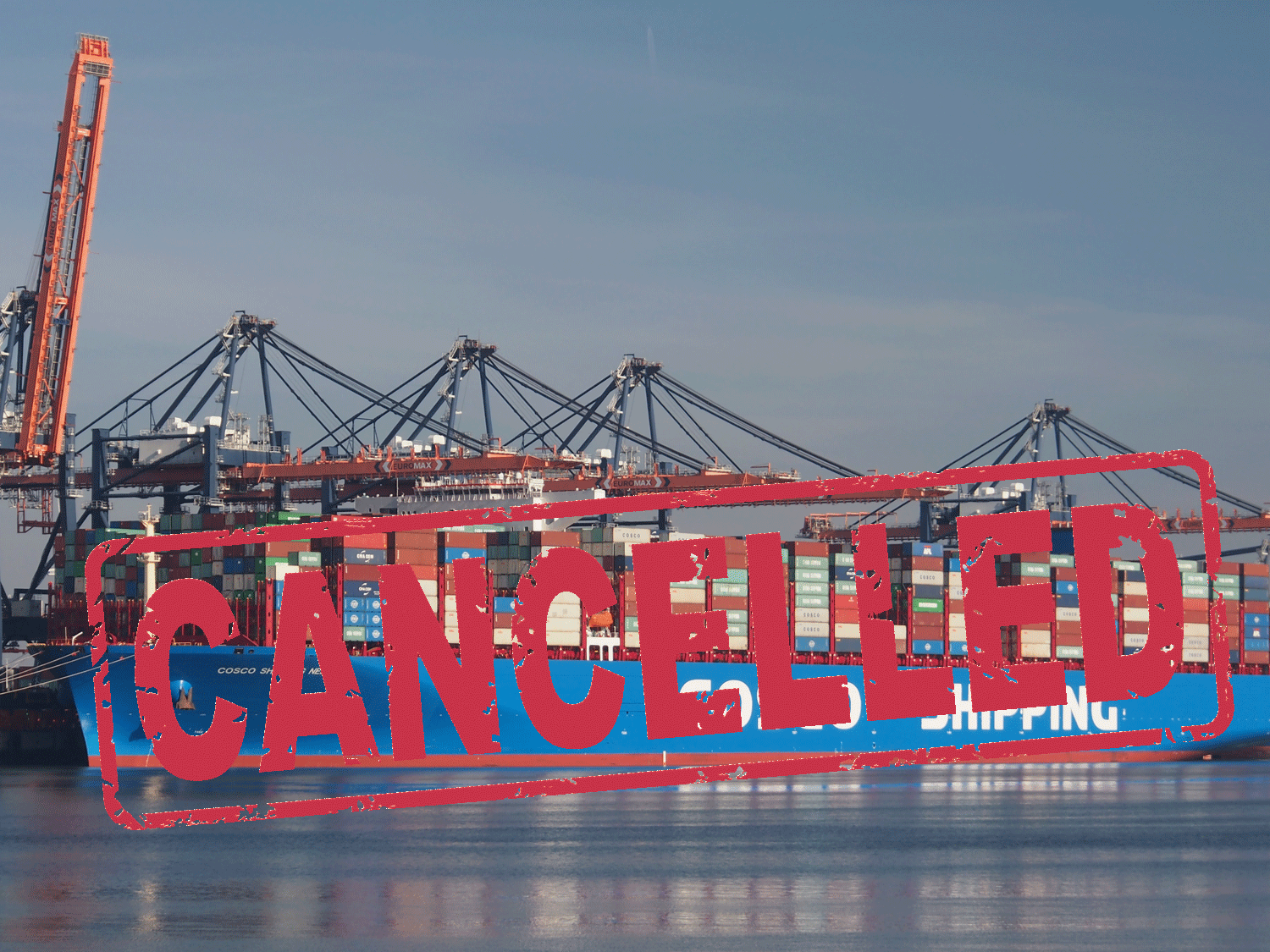
If this slowdown continues, significant blank sailings from the carriers are inevitable, and signs of this are already emerging. Yesterday, Ocean Network Express (ONE) announced that the Premier Alliance PN4 Pacific service, scheduled to begin in May, has been suspended until further notice—an early indication of broader cancellations to come.

There are several mechanisms that can be utilised to temporarily avoid duties for exports into the USA including Free/ Foreign Trade Zones, customs regimes, bonded facilities, temporary import bonds (TIB’s), carnets and more. There are options to carry on shipping goods to USA and not clear them until it is absolutely clear whether commodity tariff rates will be reduced or withdrawn as, or if, deals are agreed between countries.

From an objective standpoint, it remains unclear what concessions the US is seeking in exchange for easing these tariffs, particularly since the justification of “tariffs imposed on the US” lacks clarity in many cases.

For shippers and carriers the coming days and weeks will require vigilance and adaptability. The tariff landscape may shift dramatically and without warning, both upward and downward.

We continue to monitor developments closely and will issue further updates as more information becomes available, particularly concerning potential EU countermeasures and UK trade policy responses.

If you would like to review your specific supply chain impact, assess your exposure, or explore strategic alternatives, please don’t hesitate to get in touch. Metro is well-positioned to support you, bolstered by our expanded US presence and strong focus on North American trade flows.

Expect further insights in the coming days as the situation unfolds and if you have any questions please give me a call, or drop a message, and we will ensure that you receive immediate attention and advice.

ship aerial 1440x1080 1

Uncertain Waters: Securing Ocean Freight Rates

While there’s talk in the market about further pressure on rates, the reality is more complex, with container spot rate indices showing mixed signals last week, suggesting that any softening on key east-west routes might not last.

The global supply chain remains unpredictable, and several factors are still keeping the container market tight, which means any short-term dip in rates could quickly reverse, making it risky to assume that prices will continue to ease.

Carriers Act to Support Rates
Shipping lines are actively removing capacity from major east-west trades to reduce supply and put upward pressure on pricing. According to Drewry’s, 68 sailings across the Pacific, Asia-Europe, and Transatlantic trades have been blanked between this week and the end of April, while Sea-Intelligence data reports 47 blank sailings in the same period.

While methods of tracking blank sailings may vary, particularly as the major alliances transition between old and new service structures, the trend is clear; carriers are taking deliberate action to support General Rate Increases (GRIs) and stabilise the market in their favour.

Charter Market Dynamics Are Holding Rates Firm
While spot pricing may hint at a softer market, the time-charter sector continues to show strength. Many non-operating shipowners are keeping older, fully paid vessels in service, since they remain profitable even at lower margins.

This keeps theoretical capacity high but delays any significant correction in long-term charter rates, providing a buffer of rate stability for carriers. Basically the return is greater to ship owners to work the aging vessels in the current market than to scrap them. However once the charter rates diminish as freight rates are not at sustainable levels to support higher charter rates then scrapping vessels becomes more profitable and the supply of capacity will be eroded.

This willingness to keep tonnage in play – rather than scrap it – creates a layer of structural overcapacity. But crucially, it also delays any meaningful correction in longer-term charter costs, which in turn supports rate stability for shipping lines.

Shippers on the Asia-Europe trade lane should be particularly alert. With the traditional peak season approaching and transit times still extended due to Red Sea routing changes, demand could pick up sooner than expected, just as it did in 2024, when European importers advanced bookings to avoid delays.

Utilisation remains relatively high, and the market is only one or two strong booking weeks away from tightening significantly. Once that happens, space could quickly become constrained and prices may respond accordingly.

Congestion, Reliability and GRIs
At the same time, much of the market’s theoretical capacity isn’t actually accessible. Port congestion continues across Europe, including Antwerp, Hamburg, Rotterdam, and Le Havre, with yard occupancy levels of 75–90%, disrupting container flows and delaying vessel turnarounds.

Conditions are similar in Asia. Shanghai is experiencing delays due to fog and vessel bunching, while Singapore and Port Klang are seeing large backlogs and productivity slowdowns. Globally, schedule reliability remains under 55%, and with new carrier alliances still in rollout mode until July, disruption is likely to persist.

This operational friction reduces effective supply, keeping pressure on rates and creating risk for those waiting to move goods last-minute.

The container shipping lines have begun applying General Rate Increases (GRIs) and surcharges in recent weeks to stabilise rate levels in key corridors. While results may vary, these moves signal a clear intent to maintain pricing discipline, particularly as demand indicators begin to shift.

In an environment where schedule reliability is poor, congestion is high, and demand could rebound with little notice, waiting for rate relief may come with unintended consequences.

Certainty Beats Volatility
Shippers looking to avoid surprises would be well advised to fix rates where possible—because securing capacity and cost visibility offers valuable protection in a market that remains anything but predictable.

Freight markets can shift quickly, and when they do, the cost of waiting may outweigh any potential benefit. Fixing rates now delivers stability, security, and peace of mind in today’s volatile environment.

Our fixed-rate agreements act as a practical safeguard against market swings, offering predictable costs to support confident budgeting and planning.

Whether you’re managing high-volume trade lanes or simply seeking greater control over your supply chain, we’re here to help you stay ahead in 2025.

EMAIL our Managing Director, Andy Smith, to learn how we can support your business today.