Qatar unloading

Air freight enters a new supply‑constrained phase

Global air freight markets have shifted abruptly from gradual recovery to a far more volatile, supply‑constrained environment, with the Middle East crisis now the dominant driver of pricing, routing and capacity decisions.

Rates have risen quickly in recent weeks, with fuel costs, network disruption and capacity reallocation creating a more complex operating environment. Despite the recent US–Iran ceasefire, conditions remain very far from normal, and will take far longer to unwind than the political headlines might imply.

Recent data points to a clear inflection. Over a four-week period to early April, global air freight rates increased by more than 25%, returning towards peak season levels. On some key corridors, the increases have been significantly steeper. India–Europe rates, for example, have more than doubled, while Hong Kong–Europe lanes have seen sustained upward pressure. These shifts reflect tightening supply rather than a surge in demand.

At the same time, global airfreight tonnage declined by around 4% in March, underlining the disconnect between demand and pricing. The market is no longer demand-led. Instead, it is being shaped by constrained effective capacity and rising operating costs.

Capacity disruption, fuel costs and network reconfiguration

Airspace restrictions, security concerns and operational risk have reduced flexibility, forcing airlines to reroute flights and extend transit times. While a ceasefire has eased immediate tensions, it has not resolved the structural challenges now embedded in the market.

At the peak of disruption, an estimated 15–20% of global air cargo capacity was effectively offline. Although some capacity has since returned, longer routings and operational inefficiencies mean that usable capacity remains significantly below nominal levels.

This is reflected in network behaviour. Capacity has not disappeared entirely, but it has been redistributed. Freighter capacity increased by approximately 9% month-on-month in March, as operators responded to gaps left by reduced belly-hold availability through Middle Eastern hubs. However, this growth has been uneven.

Routes directly affected by the crisis have seen double-digit capacity declines, while others have expanded rapidly. Asia–Europe has emerged as a key beneficiary, with airlines shifting towards more direct routings and alternative hubs. By contrast, Asia–North America lanes have softened, reflecting weaker demand and ongoing policy uncertainty.

Fuel is now a central factor in this shift. Jet fuel prices have risen sharply, in some regions by as much as 160% year-on-year, driven by supply constraints and extended replenishment cycles. In practical terms, this is increasing operating costs across all long-haul routes, particularly those requiring rerouting around restricted airspace.

These cost pressures are feeding directly into pricing, with carriers adjusting pricing to reflect higher fuel exposure and reduced network efficiency.

The combined impact of capacity constraints and fuel inflation is reshaping the structure of the air freight market. Growth expectations have already been revised downwards, with several percentage points of anticipated expansion lost in a matter of weeks.

More significantly, the market is no longer moving in a synchronised way. Instead, it is fragmenting into a series of regional and corridor-specific dynamics. Some lanes are experiencing acute capacity shortages and sharp rate increases, while others remain relatively stable or are softening.

Even with signs of stabilisation, a return to pre-disruption conditions is not expected in the near term. Rebuilding network efficiency, rebalancing fuel supply chains and restoring operational confidence will take time. Extended transit times, reduced routing flexibility and ongoing geopolitical uncertainty will continue to shape the market.

Metro delivers resilient air freight solutions built around your priorities. Combining strong airline relationships, global gateway options and flexible routing to secure space, maintain transit reliability and keep your cargo moving, even as market conditions shift. EMAIL our Managing Director Andy Smith to learn more.

Jebel Ali

Ocean rates and fuel surcharges climb on disruption

Ocean freight markets are entering a more complex phase, as carriers respond to sustained pressure from fuel markets and network disruption, with pricing increasingly driven by cost recovery rather than volume growth.

Across April, carriers have implemented a series of general rate increases (GRIs), emergency fuel surcharges and peak season surcharges on East-West routes and particularly on US-bound trades. The result has been a sharp uplift in spot rates on key corridors, with transpacific pricing rising by between 7% and 24% in recent weeks, depending on coast and routing.

These increases have been driven less by base rate movement and more by the rapid introduction of fuel surcharges. In many cases, all-in pricing has risen by around 10–15% week-on-week, reflecting the direct pass-through of higher bunker costs rather than a tightening of underlying demand.

On the transatlantic, the shift has been more pronounced. With the World Container Index (WCI) Rotterdam-New York leg jumping 25% week on week, driven by a combination of reduced capacity and carrier pricing discipline. Available capacity on this trade has fallen by around 13% month-on-month, tightening supply and accelerating rate increases.

Further upward pressure is expected in the near term, with additional surcharge adjustments and peak season pricing already announced for May.

Fuel disruption and network constraints drive divergence across trades

Reduced refinery output and constraints on key energy routes have pushed bunker prices sharply higher, increasing operating costs across global shipping networks.

Fuel availability has also tightened in key bunkering hubs, particularly in Asia, making it more difficult to secure contracted volumes and introducing further uncertainty into voyage planning. As fuel is one of the largest cost components in container shipping, these pressures are being reflected quickly in carrier pricing strategies.

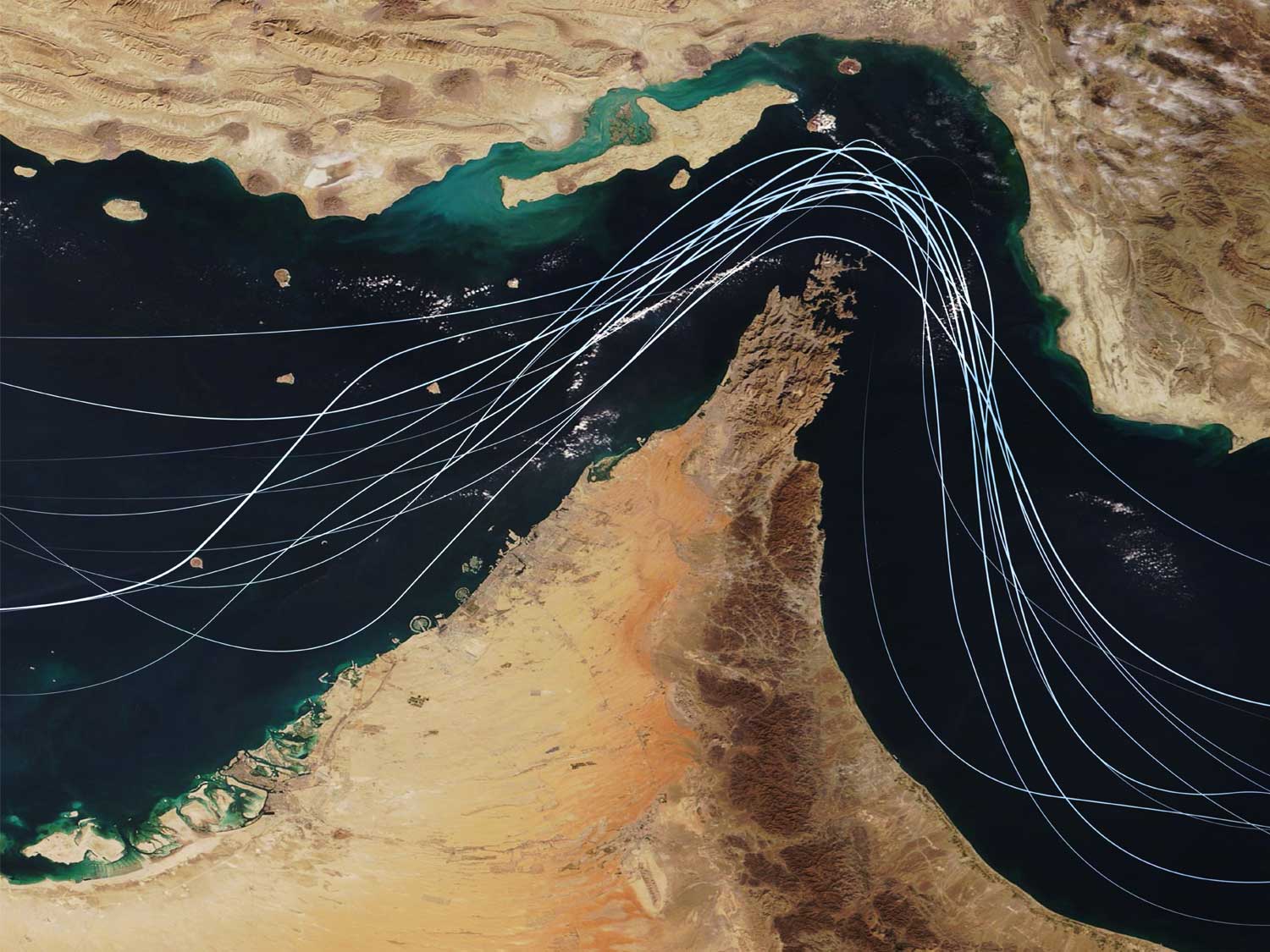
Although some stability has returned around the Strait of Hormuz, operators remain cautious, with reluctance to fully reinstate services through high-risk areas. This is extending voyage times, increasing fuel consumption and reducing overall network efficiency.

Beyond fuel, operational disruption is also affecting port performance. Across Northern Europe, yard density has exceeded 75% at key gateways, with vessel waiting times averaging more than two days in some locations. These delays are the result of earlier weather-related disruption, but their impact is compounding existing network inefficiencies.

Schedule reliability remains a critical challenge, with global reliability dropping over 3% in March to 59.0%. While performance into Northern Europe has improved from earlier lows, it continues to hover only slightly above recent averages, with consistency still lacking. 

This is limiting the effectiveness of any short-term capacity adjustments and contributing to ongoing uncertainty for cargo planning.

Capacity shifts create an uneven global market

While pricing is rising on some trades, the global picture remains uneven. Capacity into Europe has remained relatively stable, with minimal blank sailings and continued vessel deployment.

At the same time, capacity elsewhere is being actively repositioned. The Asia–Mediterranean trade has seen a significant increase in deployed capacity, rising by around 25% month-on-month as carriers reroute cargo previously moving through the Gulf. This shift is enabling continuity of flow but also creating new pressure points across 

Mediterranean ports, which may face congestion if volumes continue to build.

The result is a fragmented market, where pricing and performance vary sharply by corridor. US-bound trades are experiencing strong upward pressure, driven by cost recovery and tighter capacity.

Even if geopolitical conditions stabilise in the short-term, the structural impacts of recent disruption will take time to unwind. Fuel supply chains remain tight, network efficiency has been reduced, and port performance continues to lag.

Metro works closely with customers to overcome changing conditions, providing market insight, routing flexibility and cost control across ocean freight. 

In a market defined by volatility, proactive planning and the right logistics partner are critical to maintaining resilience and protecting your supply chain’s performance. 

EMAIL Managing Director, Andy Smith to learn why Metro’s the right logistics partner.

Jet fuel

Jet fuel crisis escalates

The global air freight market is entering a more critical phase, as a deepening jet fuel crisis begins to threaten operational stability through the second quarter and beyond. What initially appeared as a short-term shock linked to Middle East disruption is now developing into a structural constraint on global air cargo operations.

The continued closure of the Strait of Hormuz has removed a key artery for global energy flows, restricting access to around 20–25% of the world’s oil supply. While a ceasefire has eased immediate geopolitical tensions, fuel supply chains remain disrupted, with refining output constrained and replenishment cycles extended.

As a result, jet fuel prices have more than doubled since late February, significantly outpacing the rise in crude oil prices. In some regions, prices have increased by over 100%, while forward markets indicate elevated levels that will persist through the rest of the year. This has fundamentally altered cost structures across the aviation sector, where fuel typically accounts for close to 30% of operating expenses.

Capacity cuts spread

In response to the fuel crisis airlines are implementing capacity reductions across multiple regions, with several major carriers trimming services to manage rising operating costs and preserve profitability.

Cathay Pacific has announced capacity cuts of around 2% from mid-May through June, alongside the suspension of certain Middle East routes. Other carriers, including United Airlines, Air India, Air New Zealand and Vietnam Airlines, have taken similar steps, reducing flight frequencies, cancelling services and tightening operational expenditure.

In Asia, where reliance on Gulf-sourced fuel is particularly high, the impact has been more severe. Some carriers have reduced flight activity significantly, while others have moved into cost-control or contingency modes. Across key Gulf-facing hubs, flight volumes have fallen to roughly one-third of normal levels, reflecting both operational constraints and reduced network viability.

European markets are now beginning to feel the effects. Industry bodies have warned that airports across the EU could face a systemic jet fuel shortage within weeks if supply routes are not restored. With the summer travel season approaching, rising demand for aviation fuel is expected to intensify pressure on already constrained supply chains.

Airlines are responding by reviewing contingency plans. These include further capacity reductions, grounding older aircraft and reallocating fleets towards more fuel-efficient operations. In some cases, carriers are preparing to cut capacity by up to 5% if conditions deteriorate, highlighting the scale of the challenge now facing the sector.

Surcharges surge as cost pressures feed through to rates

On key routes, fuel surcharges have risen dramatically. In some cases, increases of nearly 300% have been recorded month-on-month, with additional uplifts in security-related charges on lanes affected by Middle East disruption. Across global markets, around half of all monitored airfreight routes have seen monthly price increases of 20% or more.

These changes are being driven by a dual pressure: reduced effective capacity and rising operating costs. The withdrawal of capacity from Middle Eastern hubs, which previously handled a significant share of Asia–Europe cargo flows, has forced a reconfiguration of global networks. At the same time, higher fuel costs are increasing the cost per available tonne kilometre across all long-haul routes.

A prolonged disruption with structural implications

The jet fuel crisis is no longer a short-term disruption. Even if geopolitical conditions stabilise, the structural impacts on fuel supply chains, refining capacity and global air networks will take time to resolve.

Europe’s reliance on imported jet fuel has been exposed, with limited domestic refining capacity increasing vulnerability to external shocks. Calls are growing for coordinated action, including joint procurement, alternative sourcing strategies and regulatory adjustments to improve supply resilience.

For air freight markets, the outlook remains uncertain. Capacity is tightening, costs are elevated and volatility is likely to persist through May, June and beyond. The balance between supply and demand is being shaped less by cargo volumes and more by the availability and cost of fuel.

Metro supports customers through these conditions with agile air freight solutions, proactive routing strategies and real-time market insight. As fuel-driven disruption reshapes global air cargo, having the right partner in place is critical to maintaining flow, controlling cost and protecting supply chain performance.

EMAIL Managing Director Andy Smith.

Gulf of Oman 1440x1080 1

Container and RoRo flows disrupted as Gulf remains closed

The effective closure of key Gulf shipping routes has halted vessel access to major regional hubs, leaving ships anchored or diverted and forcing carriers to discharge cargo at alternative ports across Oman and the UAE.

These ports are now acting as critical stopgap gateways, but they lack the scale, infrastructure and connectivity of established hubs such as Jebel Ali. As a result, cargo flows are becoming fragmented, with increased reliance on transhipment and secondary routing options.

This disruption is also impacting automotive supply chains. As of 30 March, 15 deep-sea pure car and truck carriers (PCTCs) remain locked in the Persian Gulf, including vessels linked to major Asian operators. Prior to the escalation, more than two dozen PCTCs were calling Gulf ports weekly, underlining the scale of capacity now removed from the market.

Although the number of vessels directly affected is relatively limited, the impact is amplified by the volume of vehicles already loaded and destined for the region. With transit through the Strait of Hormuz effectively closed, operators are holding cargo on board, returning vessels to origin in Asia, or discharging at alternative locations.

East Africa is emerging as a temporary relief valve, with ports such as Lamu receiving diverted RoRo volumes. Thousands of CEUs are now being held in storage, awaiting clarity on onward routing, further extending lead times and tying up equipment.

At the same time, longer-term routing options remain constrained. Potential alternatives via Red Sea gateways such as Jeddah or Aqaba face their own limitations, particularly as ongoing security concerns continue to divert Asia–Europe RoRo traffic around the Cape of Good Hope.

Pressure is already building across container flows. Congestion is rising at substitute ports, while markets such as Western India are beginning to experience delays as they absorb displaced volumes. Although global trade lanes outside the region remain broadly stable, rerouting activity is increasing and reshaping network dynamics.

A drone strike on the Salalah container terminal on 28 March further exposed the fragility of these alternative networks. The incident forced a temporary closure of one of the region’s key transhipment hubs, disrupting operations at a critical access point for Gulf-bound cargo. While the port reopened three days later, operational constraints are expected to continue, limiting throughput and extending delays.

Equipment imbalances, cargo restrictions and congestion

Beyond routing disruption, structural pressure is building within the ocean freight system. Equipment availability is becoming increasingly uneven as flows are disrupted, with empty container shortages emerging in certain markets.

At the same time, cargo handling restrictions are tightening. Metro is seeing direct evidence across Oman and other regional ports that hazardous containers are no longer being accepted, regardless of classification. Units already on terminal are being required to move off port as a priority.

However, with no viable repatriation hubs available within the region, options are extremely limited. In many cases, hazardous containers must be redirected back to origin or moved to upstream ports outside the affected area, adding cost, delay and operational complexity.

Port congestion remains a persistent constraint. Around 3 million TEU of global capacity is currently tied up in port delays, highlighting the gap between theoretical vessel capacity and the reality of moving cargo through constrained infrastructure.

Even where vessel space exists, operational limitations at ports are restricting throughput. Alternative ports are not configured to handle sustained high-volume flows, while feeder networks and regional services are being adjusted to accommodate changing conditions.

The disruption is also creating wider scheduling challenges, with sailings being rerouted and transit times becoming less predictable as carriers respond to evolving constraints.

Pressure building, with risk of spillover across modes

For now, the global impact remains more contained than previous crises, with major east–west trade lanes continuing to operate. However, underlying pressure is increasing, and the longer disruption persists, the greater the risk of wider spillover across both container and RoRo networks.

Rerouting is becoming more widespread, congestion is building at key alternative gateways and equipment imbalances are beginning to take hold. At the same time, rising oil prices are feeding into bunker costs, adding a further layer of cost pressure across all trades.

The key variable remains duration. If disruption continues, today’s regional challenges are likely to extend into broader network instability, affecting schedule reliability, transit times and overall supply chain predictability across multiple cargo types.

For shippers and other supply chain participants, the focus is shifting towards maintaining flexibility, securing capacity early and planning for multiple routing scenarios as conditions evolve.

Maintain flow across container and automotive supply chains

Metro is helping customers minimise disruption across containerised and automotive supply chains with practical, experience-led solutions.

With secure vessel capacity, alternative discharge strategies and flexible routing options, Metro keeps cargo moving as networks shift, including complex RoRo diversions and delayed vehicle flows.

Metro’s on-the-ground insight into operational constraints, including hazardous cargo restrictions and port-specific limitations, enables early intervention and reduces the risk of costly delays, diversions or cargo being stranded.

Through MVT, customers gain real-time visibility of shipments, congestion and routing options, enabling faster, data-led decisions across both container and automotive movements.

To review your current ocean or automotive supply chain exposure, hazardous cargo options or contingency plans, EMAIL Andrew Smith, Managing Director.