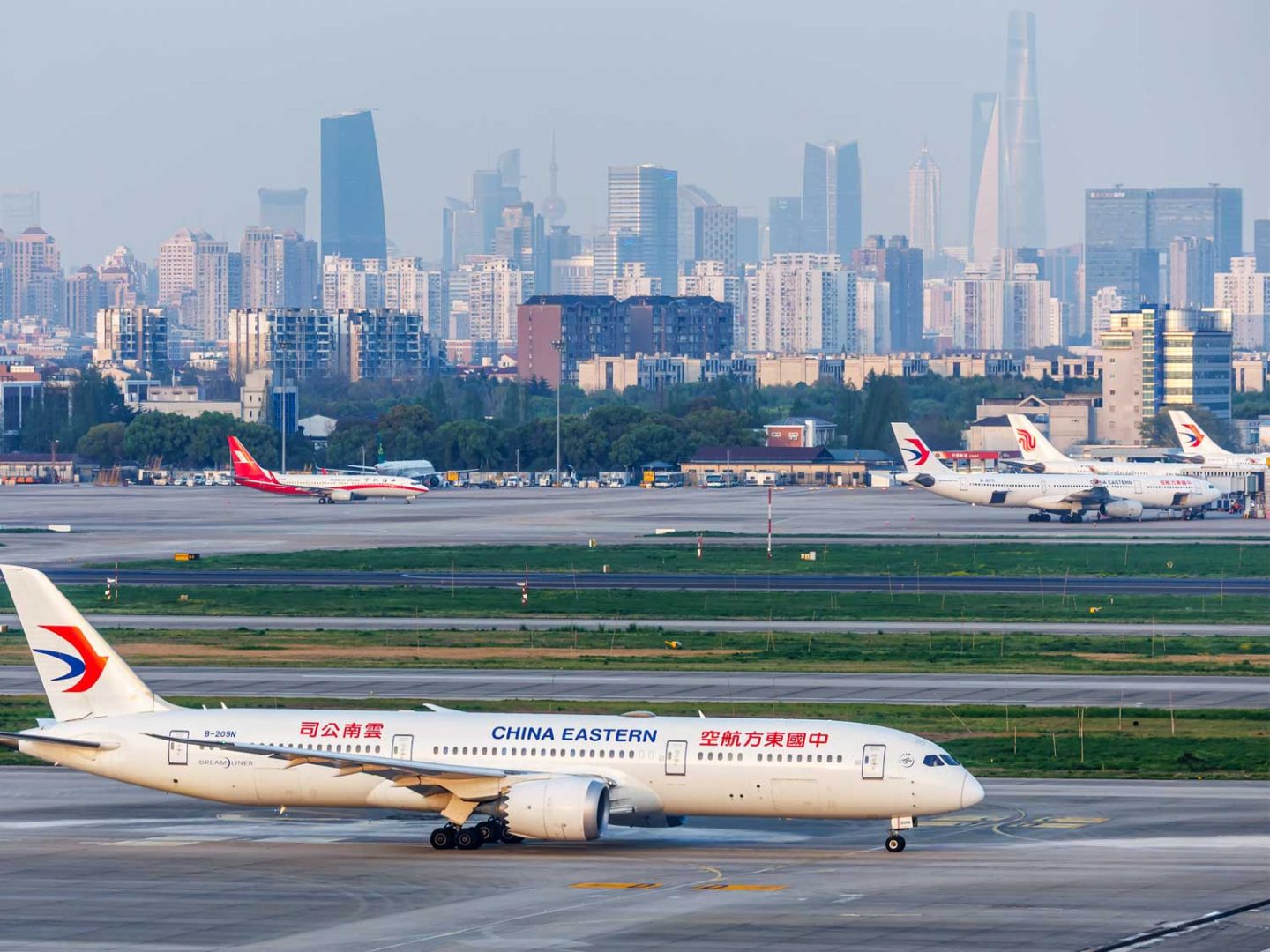
Global air freight markets have shifted abruptly from gradual recovery to a far more volatile, supply‑constrained environment, with the Middle East crisis now the dominant driver of pricing, routing and capacity decisions.
Rates have risen quickly in recent weeks, with fuel costs, network disruption and capacity reallocation creating a more complex operating environment. Despite the recent US–Iran ceasefire, conditions remain very far from normal, and will take far longer to unwind than the political headlines might imply.
Recent data points to a clear inflection. Over a four-week period to early April, global air freight rates increased by more than 25%, returning towards peak season levels. On some key corridors, the increases have been significantly steeper. India–Europe rates, for example, have more than doubled, while Hong Kong–Europe lanes have seen sustained upward pressure. These shifts reflect tightening supply rather than a surge in demand.
At the same time, global airfreight tonnage declined by around 4% in March, underlining the disconnect between demand and pricing. The market is no longer demand-led. Instead, it is being shaped by constrained effective capacity and rising operating costs.
Capacity disruption, fuel costs and network reconfiguration
Airspace restrictions, security concerns and operational risk have reduced flexibility, forcing airlines to reroute flights and extend transit times. While a ceasefire has eased immediate tensions, it has not resolved the structural challenges now embedded in the market.
At the peak of disruption, an estimated 15–20% of global air cargo capacity was effectively offline. Although some capacity has since returned, longer routings and operational inefficiencies mean that usable capacity remains significantly below nominal levels.
This is reflected in network behaviour. Capacity has not disappeared entirely, but it has been redistributed. Freighter capacity increased by approximately 9% month-on-month in March, as operators responded to gaps left by reduced belly-hold availability through Middle Eastern hubs. However, this growth has been uneven.
Routes directly affected by the crisis have seen double-digit capacity declines, while others have expanded rapidly. Asia–Europe has emerged as a key beneficiary, with airlines shifting towards more direct routings and alternative hubs. By contrast, Asia–North America lanes have softened, reflecting weaker demand and ongoing policy uncertainty.
Fuel is now a central factor in this shift. Jet fuel prices have risen sharply, in some regions by as much as 160% year-on-year, driven by supply constraints and extended replenishment cycles. In practical terms, this is increasing operating costs across all long-haul routes, particularly those requiring rerouting around restricted airspace.
These cost pressures are feeding directly into pricing, with carriers adjusting pricing to reflect higher fuel exposure and reduced network efficiency.
The combined impact of capacity constraints and fuel inflation is reshaping the structure of the air freight market. Growth expectations have already been revised downwards, with several percentage points of anticipated expansion lost in a matter of weeks.
More significantly, the market is no longer moving in a synchronised way. Instead, it is fragmenting into a series of regional and corridor-specific dynamics. Some lanes are experiencing acute capacity shortages and sharp rate increases, while others remain relatively stable or are softening.
Even with signs of stabilisation, a return to pre-disruption conditions is not expected in the near term. Rebuilding network efficiency, rebalancing fuel supply chains and restoring operational confidence will take time. Extended transit times, reduced routing flexibility and ongoing geopolitical uncertainty will continue to shape the market.
Metro delivers resilient air freight solutions built around your priorities. Combining strong airline relationships, global gateway options and flexible routing to secure space, maintain transit reliability and keep your cargo moving, even as market conditions shift. EMAIL our Managing Director Andy Smith to learn more.