India Pakistan map 1440x1080 1

India and Pakistan Impose Cargo Bans

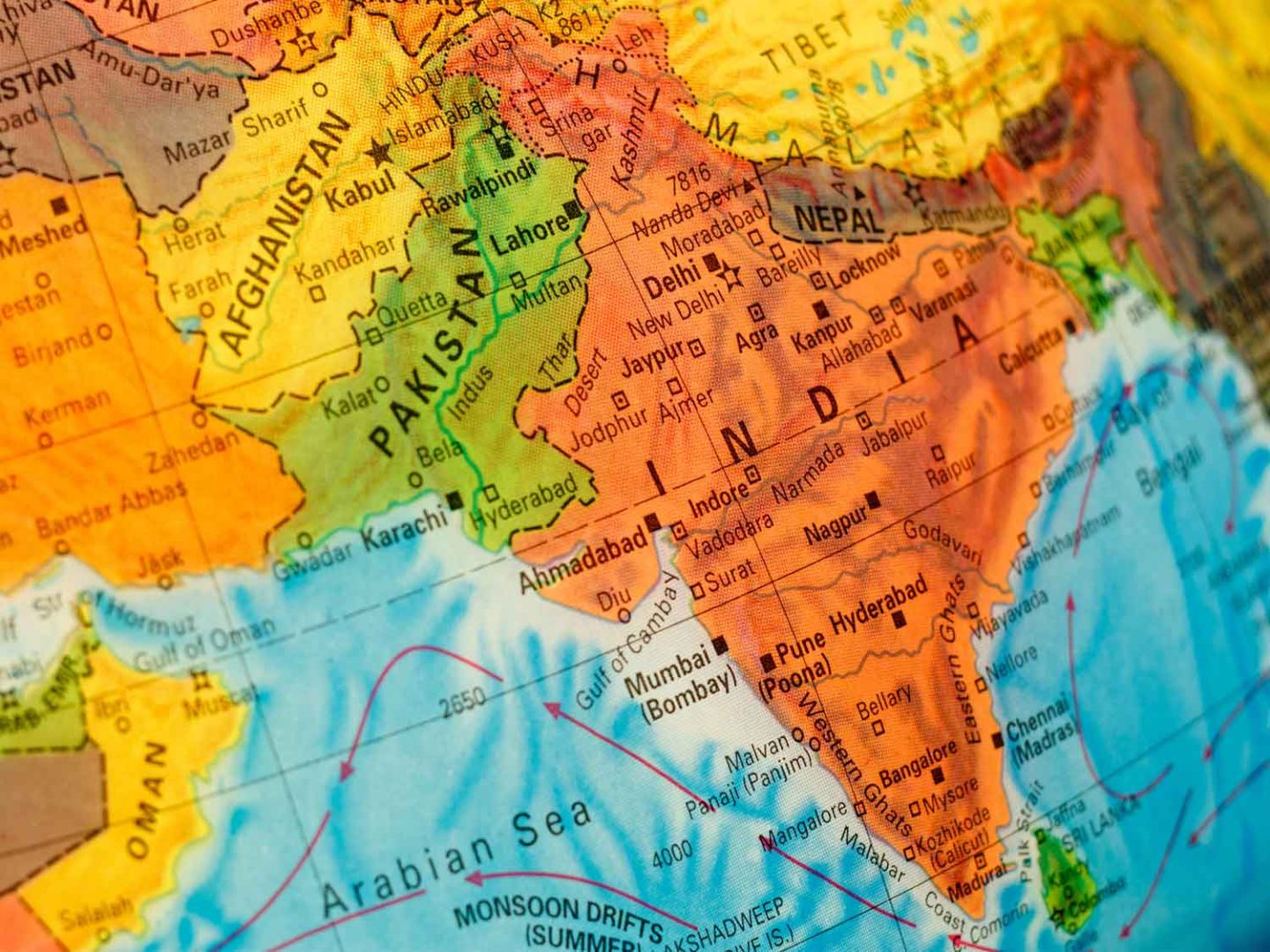
The fragile balance of South Asia’s supply chain network has been thrown into disarray after India and Pakistan imposed tit-for-tat bans on each other’s cargo.

The diplomatic standoff, triggered by recent violence in Kashmir and subsequent military exchanges, has sent shockwaves through ocean freight and air cargo networks, with the full extent of disruption still unfolding.

The restrictions have led to widespread delays and rerouting of vessels. India’s decision to prohibit ships carrying Pakistani cargo from docking at its ports has forced carriers to divert to transhipment hubs such as Colombo, creating congestion and adding time and cost.

Pakistan’s blanket ban on Indian goods in response has only compounded the uncertainty. Vessels already en route have been left scrambling for alternative discharge options, while planned schedules are being hastily redrawn.

Space shortages are emerging on regional sailings as shipping lines juggle altered rotations. Delays have rippled into feeder services and inland supply chains, resulting in longer transit times and missed delivery windows. Importers with urgent supply chain needs, such as fast fashion and electronics, face particular challenges as they attempt to secure scarce space at short notice.

The congestion has already pushed freight rates higher, with emergency surcharges now being levied on Pakistan-bound cargo by some carriers. We expect other shipping lines to follow suit as the cost of rerouting and delays continues to mount. Rates out of India, which had been steadily rising in the weeks prior to the crisis, are now expected to surge further.

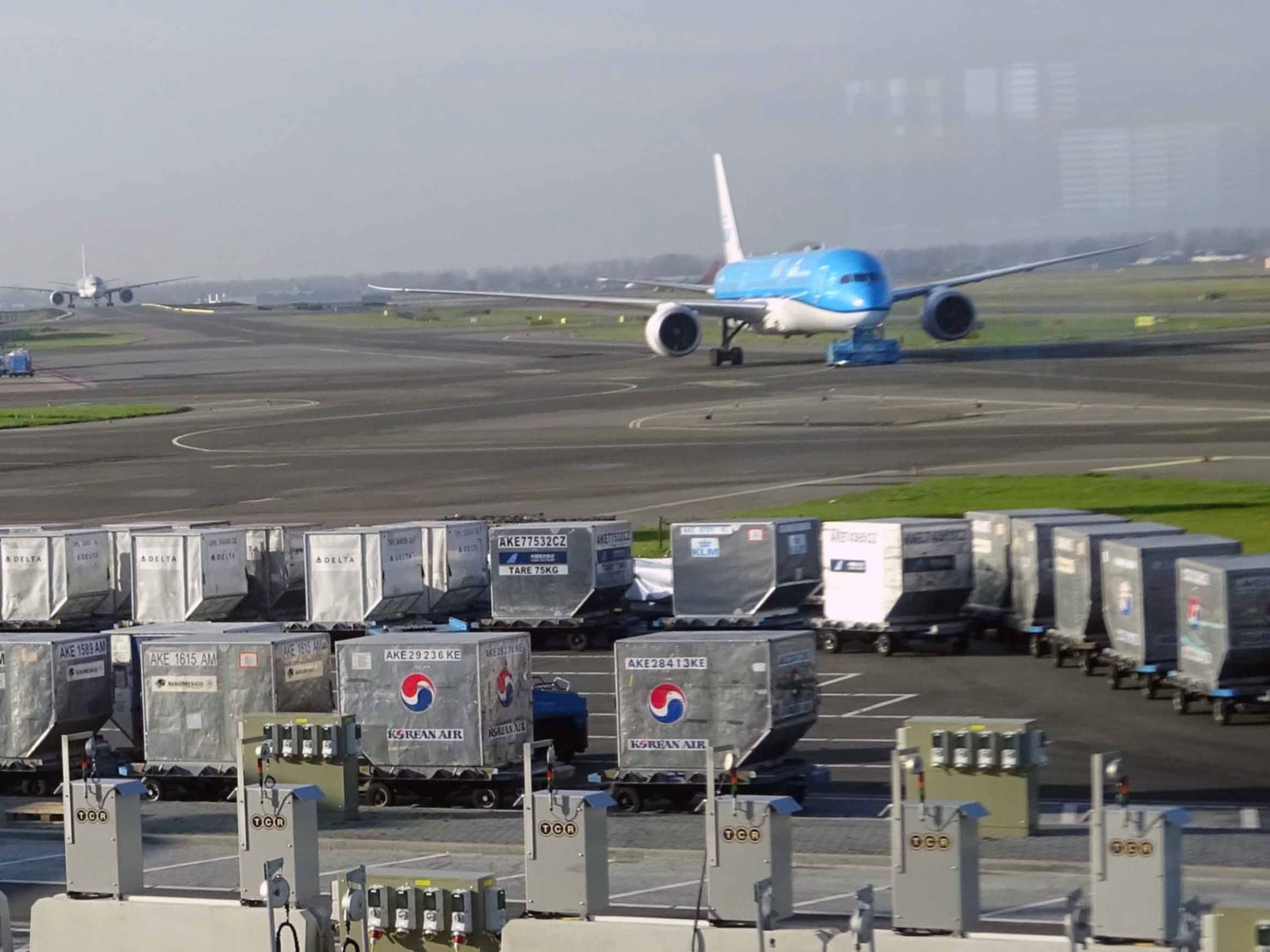
The disruption has also spilled into the air cargo sector. Major airlines have started diverting flights to avoid Pakistan’s airspace, leading to longer flight times, higher fuel costs, and mounting pressure on capacity across Asia-Europe and Asia-US routes.

While two-way trade between India and Pakistan is relatively small, the standoff has had far wider implications. Third-country shipments caught between the two jurisdictions have been caught up in the diplomatic crossfire, with containers stranded or forced to take circuitous routes at significant extra cost.

With no immediate diplomatic solution in sight, supply chain stakeholders are preparing for ongoing uncertainty. Carriers are assessing whether to restructure service loops or add additional calls to alternative ports such as Jebel Ali to minimise customer disruption. However, the fallout comes on top of existing challenges, including ongoing Red Sea-related delays and persistent global port congestion.

The bans underline how geopolitical flashpoints can rapidly cascade into global supply chain instability. For cargo owners and logistics providers, the India-Pakistan crisis is a stark reminder of the need for flexible routing strategies and contingency planning in an era of growing geopolitical risk.

Geopolitical tensions and unexpected port bans can severely disrupt supply chains, as the India-Pakistan cargo restrictions have shown. In these uncertain times, it is critical for cargo owners to ensure that their marine insurance policies are robust and offer continuity of cover under all circumstances. We strongly advise all shippers to review the fine print and clauses of their insurance to avoid costly gaps in protection.

At Metro, we can help you safeguard your supply chain and navigate today’s complex global shipping environment with confidence. EMAIL Andy Smith, Managing Director, to discuss how we can support your business with risk management strategies, secure freight solutions, and expert guidance on marine insurance best practices.
IMEC launch 1440x1080 1

IMEC: Europe’s New Trade Bridge to India

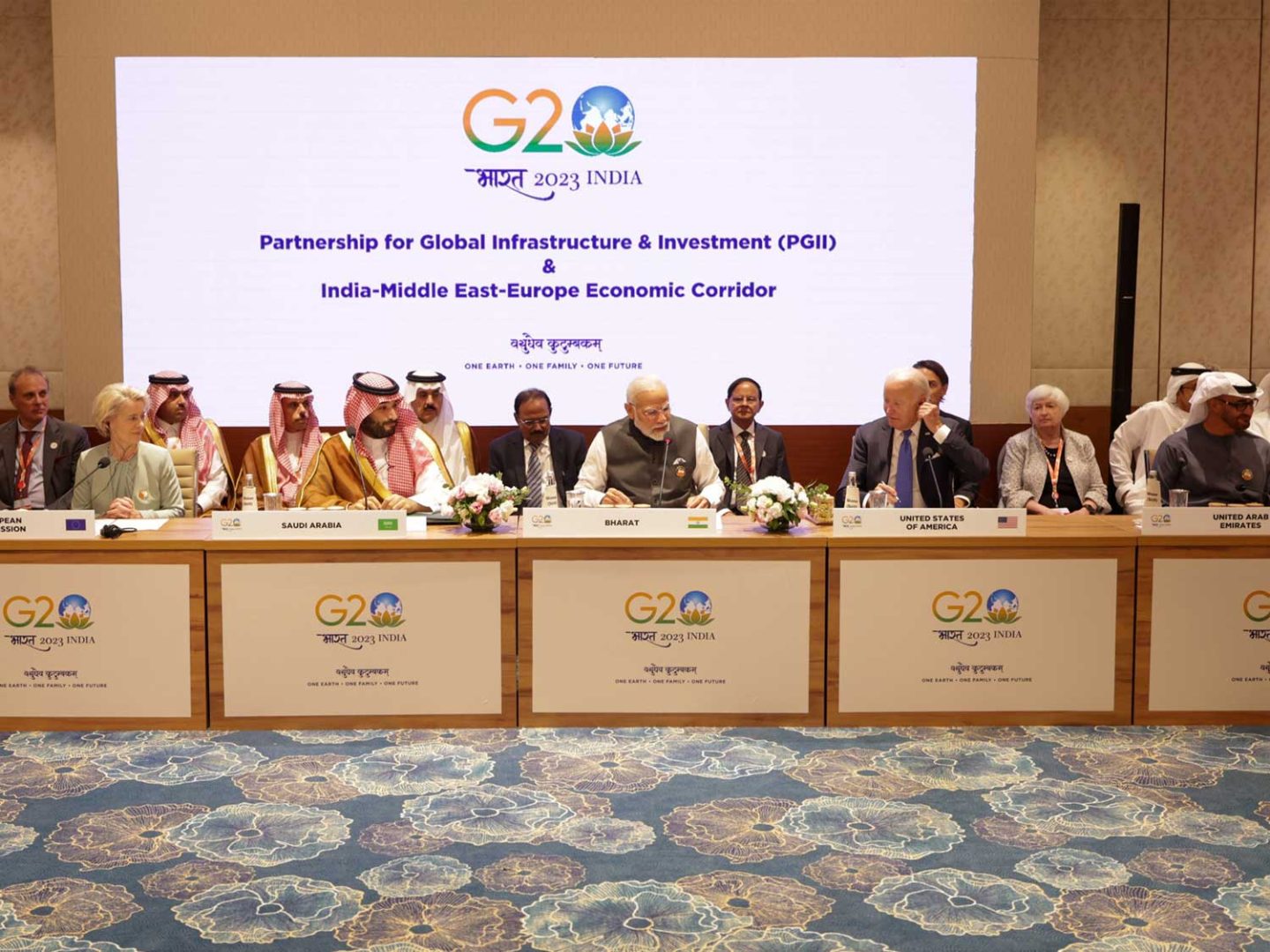
Launched as a strategic counterweight to China’s Belt and Road Initiative, the India–Middle East–Europe Economic Corridor (IMEC) is poised to reshape global trade flows between Europe, India, and beyond.

Backed by a coalition of world powers including the US, EU, India, and key Middle Eastern nations, IMEC promises to link South Asia with Europe through a multimodal network of ports, railways, and digital and energy infrastructure.

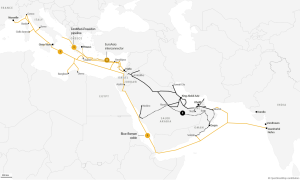
Announced during the G20 summit in New Delhi in 2023, the corridor will connect India’s western coast to Europe via the UAE, Saudi Arabia, Jordan, and Israel. From India’s planned Vadhavan deepwater port, ships would cross the Arabian Sea to Jebel Ali in the UAE, with cargo then moving by rail across the Arabian Peninsula to Israel’s port of Haifa. A final sea leg would take goods from the Mediterranean into European markets.

The corridor is designed to shorten transit times between India and Europe by up to 40%, with a summit of IMEC partners planned before the end of 2025 to present concrete initiatives.

With an estimated cost of $600 billion, IMEC also includes undersea data cables and pipelines for green hydrogen, making it as much an energy and digital connectivity play as a trade route.

Initial implementation has focused on India’s western coast, where the Modi government has greenlit the construction of the Vadhavan port. This $9 billion project is designed to handle mega-vessels and includes dedicated terminals for petroleum and automobile imports. Operational capacity is expected to reach nearly 300 million metric tons per year, with phased completion set for 2029.

From Europe’s perspective, IMEC opens up long-term opportunities to diversify supply chains, reduce reliance on volatile routes like the Suez Canal, and deepen strategic engagement with India. Transiting via Haifa not only provides a direct connection into the Mediterranean, but also serves as a hedge against disruptions in the Red Sea, including threats posed by Houthi rebel activity.

However, IMEC’s path is not without hurdles. Political instability in the region threaten the corridor’s viability and experts argue that normalised Saudi-Israeli relations would be key to securing the route, especially to ensure infrastructure security and cross-border cooperation.

India sees IMEC as central to its export-led growth model. Trade flows between India and Europe are forecast to grow by 6% annually through 2032, but current infrastructure cannot handle the expected increase. By offering a more direct and integrated pathway, IMEC positions India as a vital hub in global supply chains.

While financing remains a key challenge, particularly for European stakeholders juggling defence, energy, and industrial spending, IMEC’s geopolitical weight initially secured rare bipartisan backing in Washington. Although the project was launched during Joe Biden’s presidency, with strong US endorsement, the stance of the current administration toward international infrastructure projects remains less defined. Its evolving approach to global trade may not prioritise IMEC with the same intensity.

Images used under CC BY-SA 4.0
IMEC map
GODL-India

With India’s manufacturing capacity expanding and the IMEC corridor set to transform east–west trade, now is the time to re-evaluate your logistics strategy.

Metro is already investing in India’s future, helping global brands tap into a faster, more resilient, and sustainable trade route to Europe.

EMAIL Andrew Smith, Managing Director, to explore how our on-the-ground expertise in India can future-proof your supply chain.

India office workers

Strategic Growth in India is Building a Platform for the Future

Over the past five years, Metro has significantly expanded its footprint in the Indian Subcontinent, creating a powerful dual-platform presence that continues to evolve as part of our wider global growth strategy.

Today, India stands as one of our most dynamic regions and is set to house more Metro colleagues than any other location worldwide by the end of 2025.

At the heart of this development are two key Metro operations:

  • Metro Indian Subcontinent (MISC): Our established Global Operations Centre, which provides critical operational, accounting, financial, commercial, and administrative support for Metro’s global network.
  • Metro Global India (MGI): Our newly acquired and merging business, which is focused entirely on serving Indian customers and expanding our service offering across the region.

Together, MGI and MISC represent a formidable combination – supporting both local client requirements and global Metro offices – with highly skilled, locally based teams. While MGI ensures physical handling capabilities and tailored solutions for Indian customers, MISC continues to power our global service model through cutting-edge technology and operational expertise.

To support this rapid expansion, we are enhancing our infrastructure in Chennai. In June 2025, Metro will open a second facility in the city, located centrally and designed to accommodate an additional 130 colleagues. This new site will reflect the look and feel of our existing Metro offices around the world and work in tandem with our established Chennai HQ. The two locations will operate collaboratively, sharing responsibilities as our operations scale.

Importantly, this growth does not alter our long-standing partnerships across India. On the contrary, it enhances them. By leveraging a stronger in-country platform, we are better positioned to offer agile, collaborative solutions that bring together the best in experience, expertise, and supply chain capability. In a country where local knowledge is paramount, our ability to tap into deep regional insight gives us a distinct advantage.

Our Indian expansion reflects Metro’s broader global trajectory. Just as we are scaling rapidly in Europe and the USA, our investment in the Indian Subcontinent is being driven by growing customer demand—both for sourcing from and selling into this vibrant market and its neighbouring territories.

Whether supporting our global operations or meeting the needs of local clients, our teams in India are delivering world-class solutions with unrivalled professionalism and commitment.

If you’re currently trading with India and Metro are not yet supporting your supply chain, we’d love to hear from you. Please contact us directly, and we’ll be delighted to show you how we can deliver cost-effective, efficient, and fully integrated services across the Indian Subcontinent.

Trump on tv 1440x1080 1

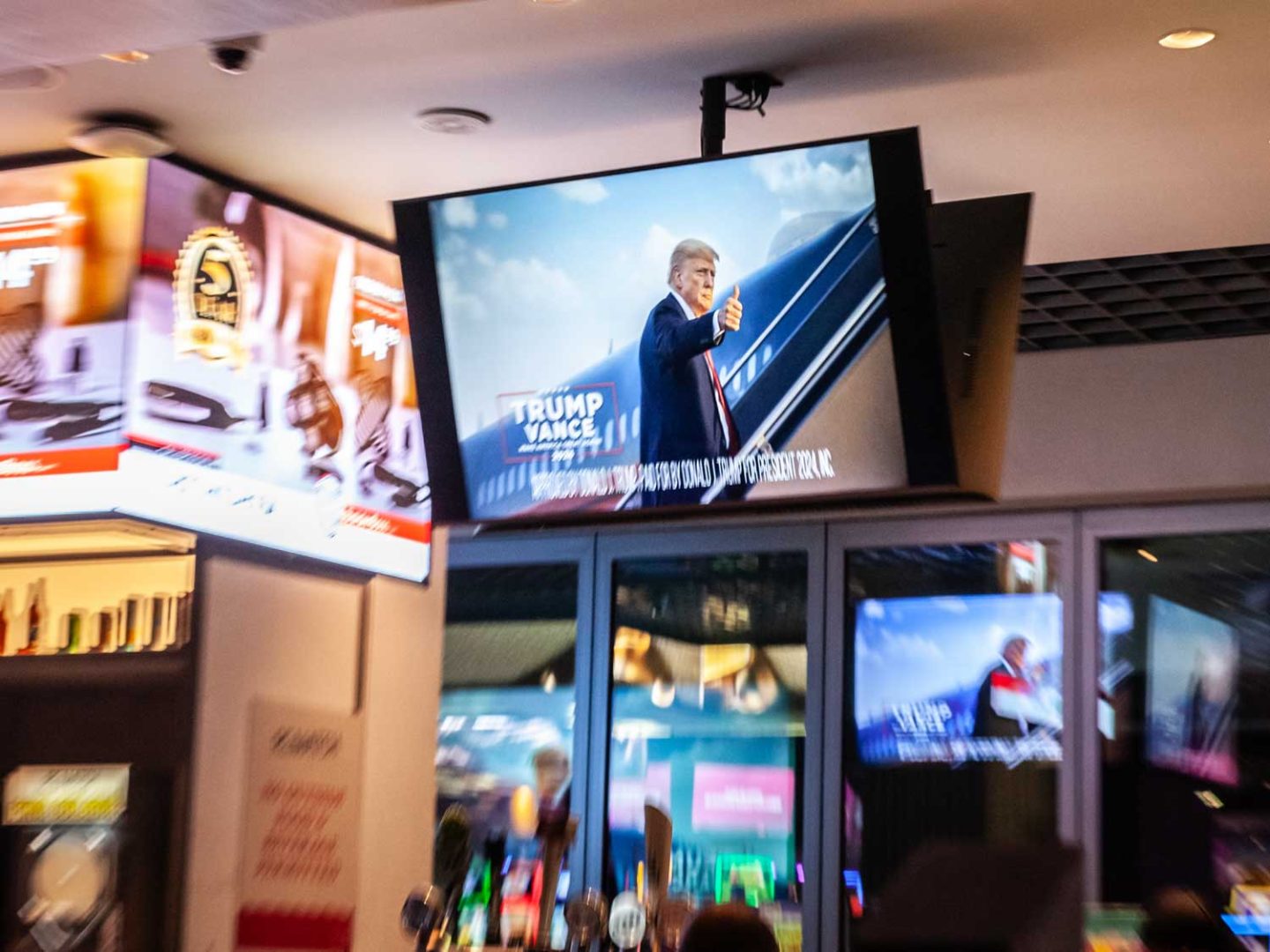
Tariff turmoil threatens US importers as China trade takes a hit

After weeks of speculation, US President Donald Trump has sharply escalated tariffs on Chinese goods to 125%, while simultaneously offering a 90-day reprieve to other trading partners.

The baseline tariff of 10% applies to imports from all countries other than China, including the EU. This rate applies in addition to any existing tariffs, with certain exemptions in place for key sectors such as semiconductors, copper, lumber, pharmaceuticals, bullion, energy, and minerals not found domestically.

Meanwhile, the separate 25% tariff on automobiles and auto parts, introduced last month, remains in effect.

Tariffs of 25% also continue to apply to steel and aluminium imports across the board, alongside the existing 25% duty on goods from Mexico and Canada that do not comply with USMCA free trade agreement terms.

US retailers and importers are reacting quickly. Delaying or cancelling orders and turning to existing inventory while they wait for clarity. According to the National Retail Federation (NRF), the outlook for imports is bleak, with volumes expected to fall sharply in the coming months.

Data from Dun & Bradstreet shows that just 225,900 TEUs of US imports from Asia were booked in the past seven days, down from around 633,000 TEUs the week before. Purchase orders for fall and holiday merchandise are also being postponed by 30 to 60 days.

The NRF’s Global Port Tracker estimates a 20% year-on-year drop in US imports for the second half of 2025. June volumes are forecast to be the lowest since early 2023, with the downturn starting as soon as May. While the 90-day reprieve on non-China tariffs may cushion the blow, the wide disparity in duty rates between China and other Asian nations is already influencing global sourcing decisions.

With tariffs now exceeding 150% on some goods, many Chinese-made products are no longer viable in the US market. By contrast, the impact on goods from countries facing lower tariffs is less severe. A 10% duty typically translates to a retail price increase of around 3%, making these supply chains more resilient in the near term. As a result, sourcing is shifting rapidly towards countries like Vietnam and Taiwan, where the tariff environment is more favourable.

Despite the disruption, shipping lines remain cautiously optimistic. Many believe that once the tariff situation stabilises import volumes could rebound strongly during the peak late summer to autumn season.

Meanwhile, the administration appears to be refining its approach on another controversial measure. The proposed port fees of up to $1.5 million on Chinese-built or operated ships calling at US ports. Speaking before the Senate Finance Committee, USTR Jamieson Greer sought to ease concerns, indicating adjustments are being made to avoid damaging American export competitiveness.

“The president will look very carefully to make sure we have the right amount of time and the right incentives to create shipbuilding here without impacting our commodity exports,” Greer said.

Meanwhile, pressure is building on US Customs and Border Protection (CBP). The increased complexity of tariff codes and documentation is creating more manual processing work, and staffing levels have not risen in line with demand. There is growing concern that CBP could be overwhelmed if volumes rise suddenly or new duties are introduced.

For now, the only certainty is continued volatility. Trade flows are being redrawn, sourcing strategies are in flux, and the longer-term consequences of this tariff upheaval are only just beginning to surface.

We will share further updates as new details emerge, particularly around the EU and shifts in UK trade policy.

If you’d like to review any potential impact on your supply chain, assess your exposure, or explore strategic options, we’re here to help. Metro is well-placed to support you, backed by our expanded US footprint and strong focus on North American trade flows.

If we can help, or simply answer your questions, contact us now for prompt and tailored advice.