RoRo-in-US

Automotive RoRo Market Steadies as Asian Exports Surge

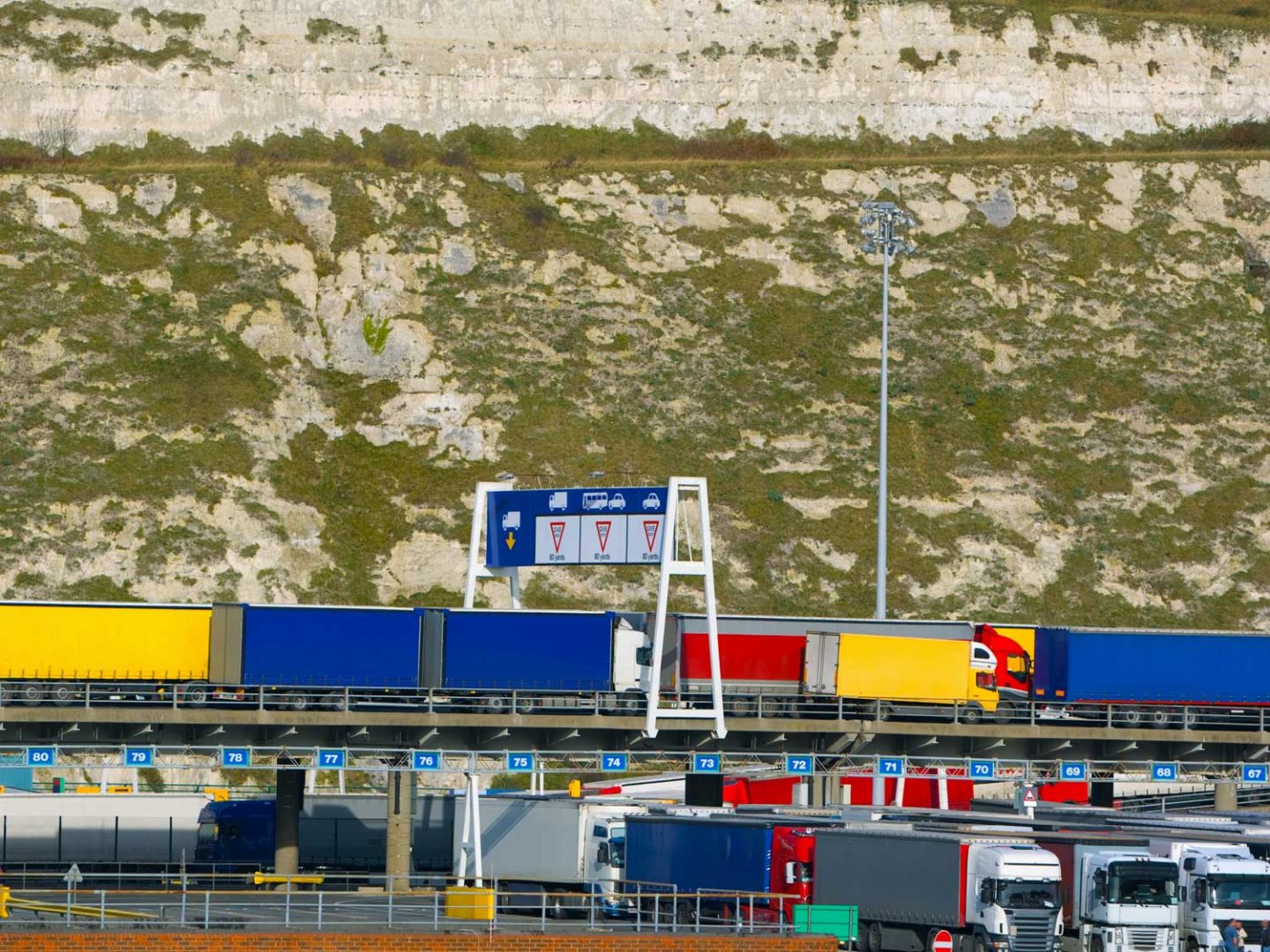
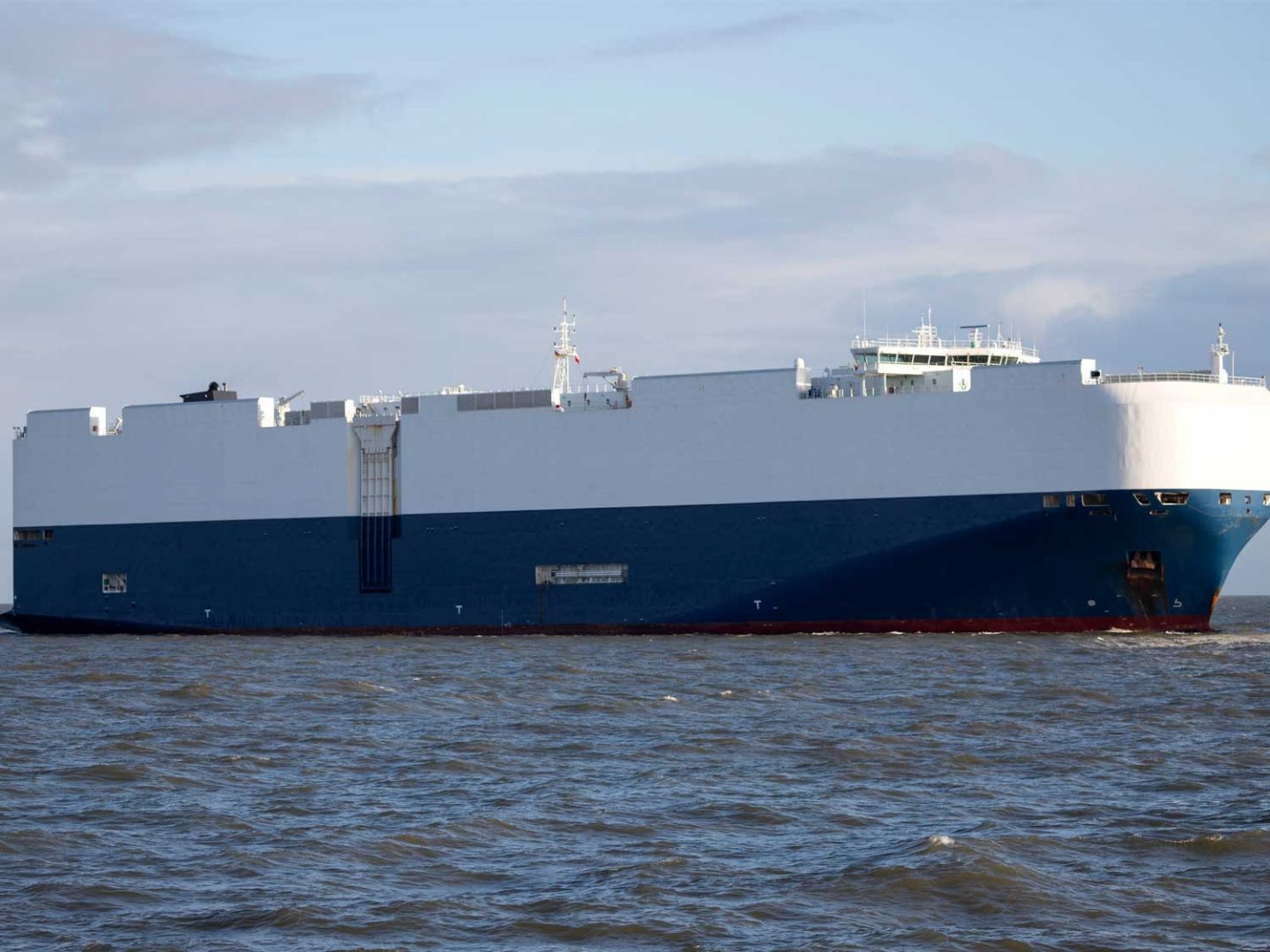
The global car carrier sector is showing renewed stability as strong vehicle exports from Asia offset earlier trade uncertainty. 

Recent tariff adjustments in the US and falling charter rates have created favourable conditions for major roll-on/roll-off (RoRo) operators, sustaining volumes and underpinning solid earnings through mid-2025.

In the second quarter, leading carriers reported record levels of Asian exports. One operator saw a 13% sequential rise to nearly 14 million cubic metres of cargo, while another posted a quarterly record of 2 million cubic metres, up 47% year on year. 

The imbalance between rising Asian exports and weaker flows from Europe and the US is stretching capacity, driving operators to charter additional tonnage.

Charter rates have fallen sharply as new vessels enter the market, dropping from around $115,000 per day in early 2024 to $45,000 this summer for a 6,500-CEU ship. This decline has enabled carriers to secure short-term tonnage at competitive rates, either on single voyages or multi-month contracts, to match Asian demand.

Profitability also remains firm. One major operator posted a 28% increase in quarterly net profit to $403 million, supported by the sale of a logistics subsidiary, while another reported $123 million in profit on revenues of $367 million. 

Long-term contracts continue to provide earnings visibility, with more than 80% of capacity for 2026 already secured under multi-year deals worth over $300 million.

Regulatory changes have also played a part in stabilising the market. A reduction of US vehicle import tariffs to 15% from higher levels has limited disruption to trade flows, while revisions to proposed US port fees cut one operator’s projected annual bill by more than half. Although carriers remain wary of longer-term cost impacts, current trading conditions remain favourable.

The current developments can be translated into positives for shippers in a few ways:

Falling charter rates: Even though capacity is tight ex-Asia, the sharp drop in charter costs means operators can add temporary capacity more affordably, reducing the risk of bottlenecks.

Strong long-term contracts: With over 80% of 2026 capacity already secured, shippers benefit from predictability and stability in service.

Tariff clarity: Lower US import tariffs and revised port fees reduce immediate cost pressures and smooth near-term trade flows, creating a more stable environment for planning.

Fleet growth: The influx of new-build vessels soften rates, boost overall carrying capacity and help to balance future trade imbalances.

For automotive shippers, recent market shifts bring opportunities as well as challenges. Lower charter rates and greater tariff clarity are helping to stabilise trade flows, while long-term carrier contracts ensure continuity of service.

Metro’s automotive logistics specialists understand the complexities of the RoRo market. We work with leading carriers to secure reliable capacity, design resilient supply chains, and optimise distribution from factory to dealer.

EMAIL Metro’s Automotive Team today to discuss how we can safeguard your vehicle flows and unlock efficiencies in your global logistics.

Growth Sustained, But Reliability and Policy Risks Loom for Air Freight

Growth Sustained, But Reliability and Policy Risks Loom for Air Freight

Air cargo volumes surprised on the upside again in August, rising by around 5% year on year, the second consecutive month of growth at this pace. Capacity also increased by 4%, though yields came under pressure as rates softened.

Despite the stronger demand, the outlook for Asia–Europe and Asia–US markets in particular remains uncertain, with policy changes and operational constraints threatening to erode recent gains.

Average spot rates from Southeast Asia to North America and Europe declined by around 20% compared with last year, reflecting easing capacity pressure, while North East Asia to North America fell by just 8%. Rates on North East Asia–Europe routes were broadly stable year on year, though down slightly month on month. Transatlantic markets saw rates edge up by 5% annually, but momentum slowed as the summer holiday period cut into demand.

These shifts underline the fragility of recovery. Purchasing Managers’ indices in key exporting economies fell again in August, and American consumer sentiment softened. Growth on Asia–Europe and Asia–US trades has been sustained largely by front-loading and tariff avoidance, rather than stronger consumption.

Regulatory pressures and cost dynamics

The removal of the de minimis exemption for low-value shipments entering the US at the end of August is reshaping flows. While originally targeted at Chinese eCommerce, the new rules apply across all origins. For European and Asian exporters, this adds new administrative steps and costs, particularly for SMEs. Observers expect lower eCommerce volumes into the US, with some share shifting back towards China due to lower production costs.

Average spot rates across global markets fell by about 3% year on year in August, with sharper declines once currency depreciation is factored in. Capacity expansion has kept pressure on yields, even as jet fuel costs dropped by 7% year on year, providing some relief to carriers. The balance between steady demand and competitive pricing remains delicate, with the sustainability of current growth dependent on careful capacity management.

Reliability challenges deepen

Operational reliability has become a significant concern. On-time performance among major carriers slipped from 81% in May to 80% in June, and down again to 77% in July. For context, anything below 90% is considered mediocre, and mid-70s is cause for concern. Among the 22 airlines surveyed, the gap was wide, with punctuality as low as 57%, to a high of 94%.

For shippers, this can translates into missed connections, additional storage costs, and strained deadlines. Contributing factors include congested airports, ground-handling labour shortages, outdated facilities, and limited data integration across the air cargo chain. Without structural improvements, reliability risks may become systemic, undermining the demand growth achieved in recent months.

Outlook

The near-term outlook for air freight is mixed, with improving but weak economic fundamentals and policy changes that add friction. Key routes from Asia to Europe and the US continue to anchor growth, yet they are the lanes under constant pressure from regulatory shifts and declining schedule reliability. Unless carriers can address operational shortcomings and adjust capacity effectively, current momentum may prove short-lived.

Demand is shifting and schedule reliability is a moving target, but Metro continues to secure space and certainty by actively managing capacity, optimising routings, and leveraging trusted carrier partnerships.

On our MVT platform, real-time flight telemetry provides:
– Live aircraft position and route mapping
– Accurate departure/arrival confirmations
– Time-stamped milestones updated in real time
Plan with confidence, optimise inventory, and protect deadlines, even as conditions change.

EMAIL Andrew Smith, Managing Director, to learn how our data-driven air freight keeps your supply chain moving.

Road freight prices edge higher in August

Road freight prices edge higher in August

Stronger August demand lifted UK road transport prices, with both haulage and courier markets firming despite fresh capacity entering the system.

The latest TEG Price Index shows overall prices rising nearly 2% month on month and sitting 2.4% above August 2024 levels. Haulage led the gains, up just over 2.5% on July and 3.6% year on year, while courier prices advanced 1.2% in the month to stand 1.3% higher than a year ago.

Seasonal spending around the late-summer Bank Holiday and warm weather drove a sharp 6.26% jump in transport demand, tilting the balance of the market. Additional supply helped restrain steeper inflation, but not enough to neutralise the upward pressure on rates.

Demand outpaces tight supply

Articulated vehicle demand surged more than 13% in August and was closely matched by an almost 15% increase in supply. Even so, articulated prices climbed over 3% month on month, reflecting continued operational constraints from annual leave and persistent driver shortages.

Recruitment challenges are feeding into wage trends: average HGV driver pay reached £42,121 in August, marking a second consecutive month above the UK national average. Fleet renewal is also lagging; SMMT data points to an 11% year-on-year decline in new HGV registrations, suggesting articulated supply could remain constrained even if demand stays elevated.

A recent cut in the Bank of England’s base rate to 4% supported consumer confidence and spending through the peak summer period, adding a further tailwind to freight demand.

Our network of national and pan-European operators provide solutions for every cargo type, shipment size and deadline, giving us the control and flexibility to shield customers from freight market price swings.

By planning the most efficient domestic and European routes, we keep your road transport moving reliably and competitively.

EMAIL our Managing Director Andy Smith to discover how our road freight solutions can strengthen and protect your supply chain.

UK Economic Pulse: Stagnation in July Signals a Fragile Balance for Trade

UK Economic Pulse: Stagnation in July Signals a Fragile Balance for Trade

The UK economy stalled in July 2025, with GDP flatlining after June’s 0.4% rise. While this performance matched market expectations, the detail matters: services and construction posted marginal gains, but a 0.9% drop in industrial output dragged the total to zero.

For manufacturers, the 1.3% decline in production over the three months to July is a warning sign. Weakness in sectors such as pharmaceuticals, which typically underpin high-value exports, reflects reduced investment and ongoing global trade frictions. For importers, slower factory output means less demand for inbound raw materials and components, while exporters face thinner volumes and heightened uncertainty around international orders.

Services activity edged up by 0.1% in July, supported by retail and hospitality, while construction expanded 0.2%. For retailers, this stability is important as consumer-facing demand keeps supply chains active and underpins steady import flows of finished goods.

The resilience of construction, meanwhile, sustains demand for bulk transport, materials distribution, and specialist haulage.

Retail and eCommerce continue to play a vital role in logistics real estate, driving nearly one-third of all industrial and warehouse take-up in the 12 months to Q2 2025. However, rising vacancies and slower rental growth suggest a more competitive property market, with prime property leading.

A Slow-Growth Outlook

Economists forecast modest UK growth of 0.3% for Q3, keeping recession fears at bay but offering little upside. For manufacturers and exporters, this translates into subdued demand at home and limited relief from external pressures. Importers may see steadier conditions if services-driven consumer activity holds, but global headwinds, from tariffs to shifting sourcing strategies, will continue.

For logistics providers, the picture is mixed: growth in some verticals offsets decline in others, but rising operating costs and skills shortages are eroding margins. Many firms are delaying expansion or fleet upgrades until greater economic clarity emerges.

The Bank of England cut rates to 4% in August but has since signalled a pause on further easing. Inflation, still close to 4%, and slowing wage growth leave policymakers cautious. 

For SMEs in logistics and manufacturing, elevated borrowing costs remain a major obstacle. Access to affordable credit is restricted, curbing investment in new vehicles, facilities, and technology. Nearly one-third of smaller operators report scaling back operations due to finance constraints.

Retailers and importers, heavily reliant on efficient logistics, are indirectly affected. Higher financing costs across the supply chain can reduce investment in capacity and innovation, tightening the system at a time when resilience is most needed.

Logistics as an Economic Anchor

Despite these challenges, the logistics industry continues to prove its value. Contributing over £170 billion to the economy in 2024 and employing more than 8% of the workforce, logistics underpins every sector that manufacturers, retailers, importers, and exporters depend on.

Occupier demand for prime logistics space remains steady, investment volumes are expected to rise in the second half of the year, and long-term fundamentals are strong. Yet the market is shifting. New warehouse completions and a rise in secondhand stock are pushing up vacancy rates, softening rents, and increasing incentives for occupiers, which may present opportunities to secure favourable terms in a cooling market.

Conclusion: Caution and Opportunity

July’s GDP stagnation is not a crisis, but a signal that the economy is balancing precariously. Manufacturers face declining output, retailers and construction are holding the line, and importers and exporters must manage supply chains against a backdrop of tariffs, weak trade flows, and limited finance.

Logistics sits at the centre of this crossroads. The sector is challenged, but it also offers opportunities—from property leverage to supply chain optimisation—for businesses that act decisively. For shippers, the message is clear: staying agile, building resilience, and forging strong logistics partnerships will be critical to navigating the months ahead.

With growth flat and costs elevated, every decision on sourcing, inventory, capacity and space matters. Metro combines market monitoring with cost modelling, contract strategy and logistics optimisation to help you seize opportunities and protect margins.

EMAIL Laurence Burford, CFO, for expert guidance on risk management and supply chain resilience.