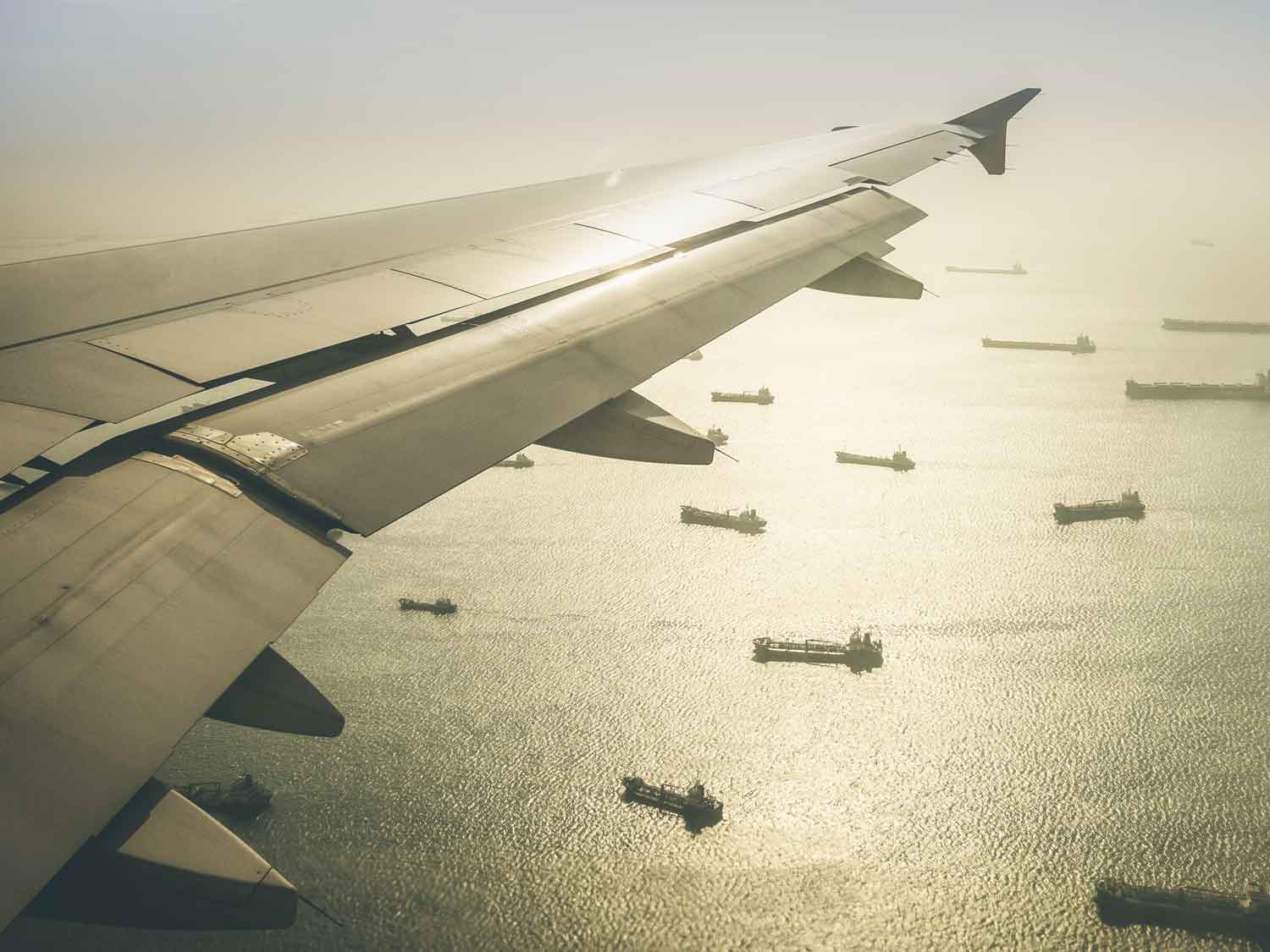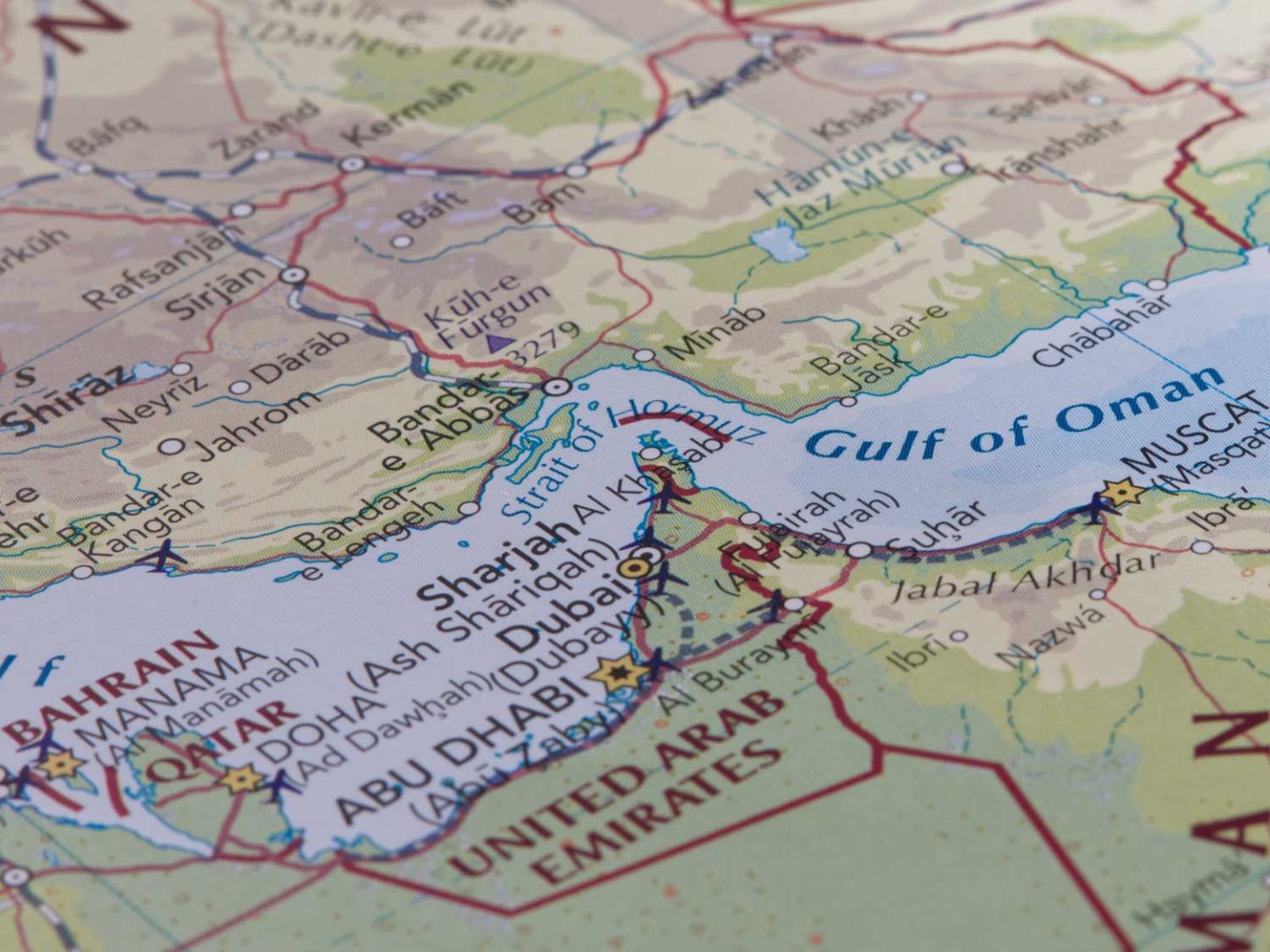
Singapore boats at anchor 1440x1080 1

Asian Cargo Surge Threatens to Overwhelm North Europe Ports

North Europe’s container gateways face a turbulent August and September as a surge of inbound cargo from Asia collides with already stretched terminal operations.

Strong import demand through the first half of the year has driven double‑digit growth in volumes, with the peak season now set to push many ports to breaking point.

For months, operators have battled chronic congestion, with delayed vessel arrivals throwing schedules into disarray and container yards struggling under sustained high occupancy. The anticipated wave of summer imports will magnify these pressures, raising the risk of longer delays and service disruption well into the autumn.

Rising volumes, falling reliability
Exports from Asia to Europe have maintained strong growth into the second half, with China–EU shipments in particular climbing at a double‑digit rate year‑on‑year. This pattern typically sees July sailings arrive in Europe through August and September, concentrating peak loads into an already fragile network.

Schedule reliability has deteriorated sharply. On‑time arrivals for Asia–North Europe services have dropped from more than two‑fifths in May to less than one‑third in July. Larger vessels deployed to circumvent southern Africa are adding to the strain, extending berth stays and raising yard utilisation. Prolonged transit times are feeding greater volatility and unpredictability across the supply chain.

Not all ports are equally affected, but the most severe congestion has been concentrated at London Gateway, Antwerp, Hamburg, and Rotterdam. Antwerp and Hamburg are further hampered by high barge delays, worsened by low water levels restricting inland waterway capacity. Some gateways still report healthy throughput, yet overall capacity buffers are now minimal.

Carrier work‑arounds
Lines are adjusting strategies to ease bottlenecks. Some are replacing transhipment legs with direct calls to Scandinavian ports, reducing container moves by two‑thirds on certain routes. Others are diverting volumes away from heavily congested hubs or shifting calls to less‑utilised terminals such as Le Havre, Zeebrugge, Bremerhaven, and Wilhelmshaven.

Carriers are also moving boxes from deep‑sea terminals into inland depots to free yard space, although low Rhine water levels continue to limit barge utilisation. With inland capacity already tight, this offers only partial relief.

While tactical adjustments may prevent a complete choke‑point, the outlook for the remainder of the summer remains challenging. Persistent high demand, combined with limited progress in clearing congestion, suggests the sector will remain under pressure until at least the final quarter of the year.

Metro’s sea freight teams are actively monitoring port performance, vessel schedules, and rate movements across all major trade lanes. We work with customers to secure priority bookings, optimise equipment and container allocation, and design alternative routings to avoid bottlenecks and minimise disruption.

Email Managing Director, Andrew Smith, to discuss current market conditions, risk‑mitigation strategies, and booking solutions tailored to your business priorities.

Ho Chi Minh 1440x1080 1

Tighter Transshipment Rules Put Southeast Asia’s Supply Chains Under the Spotlight

The latest US trade agreements have introduced tougher measures targeting the rerouting of Chinese goods, reflecting heightened scrutiny on supply chain flows through Southeast Asia.

While these rules are designed to curb “origin washing” — the mislabelling of goods to disguise their true country of origin — the underlying reality is more complex, with genuine production shifts also reshaping regional trade.

Much of the recent manufacturing growth in  Southeast Asia countries including Vietnam and Indonesia stems from legitimate relocation of production, rather than disguised transshipment. Chinese manufacturers, facing steep US tariffs since President Trump’s first term, have increasingly invested in factories across Southeast Asia, seeking competitive labour costs and tariff advantages. This process has enabled these host countries to increase domestic value‑added in exports while reducing reliance on Chinese‑sourced inputs.

In Vietnam, for example, the domestic share of value in strategic exports to the US has risen steadily, driven by sustained foreign investment and capacity building. This mirrors China’s own transformation after joining the WTO, when its foreign content in exports fell significantly over time as local supply chains matured.

The New US Approach to Transshipment
In their recent trade deal President Donald Trump announced a 20% tariff on Vietnam’s exports, but 40% on any “transshipping” of production elsewhere. In the agreement with Jakarta, if there is any rerouting of output from a higher-tariff country, then the evaded duty will be added to the 19% rate for Indonesia.

This aims to prevent goods subject to heavy US duties from entering the market via a lower‑tariff partner after minimal additional work. In practice, enforcement involves tighter certification regimes, closer customs inspections, and stricter rules of origin documentation.

While legitimate outsourcing is allowed under WTO rules, the US measures blur the line between blocking illegal rerouting and discouraging lawful production relocation. This creates uncertainty for businesses investing in diversified regional supply chains.

Implications for Supply Chain Strategy
The new measures could:

  • Increase compliance costs – Exporters must strengthen origin verification, certification, and documentation to avoid tariff penalties.
  • Slow diversification plans – Firms considering shifting production from China to Southeast Asia may reassess timelines and risk exposure.
  • Disrupt regional supply chains – Interconnected production networks risk being treated as transshipment hubs, even when substantial value is added locally.

For Southeast Asian economies, the challenge lies in demonstrating clear value addition and avoiding the perception of serving as simple conduits for Chinese goods.

If these rules are applied broadly, they could reshape the regional manufacturing landscape. Instead of encouraging investment in new production capacity, the measures may discourage multinational manufacturers from fully committing to Southeast Asia for fear of tariff exposure.

For supply chain planners, this environment demands careful mapping of production footprints, investment in compliance infrastructure, and contingency planning for potential trade disruptions.

Whether you’re already shipping from Southeast Asia, exploring new sourcing options, or committed to shifting production, Metro has the tools and expertise to optimise your supply chain from the region. Our MVT platform delivers vendor management and end‑to‑end visibility, making it easier to manage new supply sources and control inbound inventory.

EMAIL Managing Director, Andrew Smith, today to review your shoring strategy and build a more sustainable, resilient supply chain.

US EU flags on desk 1440x1080 1

US–EU Trade Deal Signals New Trade Era

The US and EU have agreed a landmark trade framework taking effect 1 August, with a 15% baseline tariff, replacing many higher existing rates.

In addition to lowering tariffs the new trade deal opens markets, and pledges huge investment flows, with significant opportunities for UK traders able to leverage the EU’s expanded access to the U.S. market.

Headline tariff changes:

  • Cars & parts – Cut from 27.5% to 15%
  • Pharmaceuticals & semiconductors – 0% tariff until review; max. 15% after
  • Steel & aluminium – Stay at 50% pending quota deal
  • Zero‑for‑zero tariffs – On aircraft, some chemicals, generic drugs, semiconductor equipment, selected agri‑products, raw materials
  • Still under negotiation – Wine and spirits tariffs

Strategic commitments:

  • EU to buy $750bn in US oil, LNG and nuclear technology
  • EU firms to invest $600bn in the US over Trump’s second term
  • Defence procurement from US suppliers planned

Opportunities for US, EU & UK Traders

The agreement creates multiple areas of advantage for transatlantic trade:

For EU exporters to the U.S.:

  • Reduced tariffs on high-value sectors such as cars, pharmaceuticals, and technology components.
  • Greater certainty in supply chain planning with capped tariff rates post-investigation.

For U.S. exporters to the EU:

  • Immediate tariff elimination for priority goods, expanding competitiveness in aerospace, chemicals, and agri-products.
  • Increased market access supported by European government procurement in energy and defence.

For UK exporters and importers:

  • Ability to leverage EU supply chains for tariff-advantaged U.S. market access.
  • Opportunities to integrate into transatlantic supply networks in sectors such as automotive, chemicals, and renewable energy.

Leverage Metro’s EU network, in‑house customs brokerage, and on‑the‑ground teams in the United States to navigate this new trade landscape. Whether you’re reassessing sourcing strategies, managing new tariffs, or planning market entry, our experts can deliver compliant, cost‑effective solutions across every mode and market.

Email Managing Director, Andrew Smith, to explore how we can optimise your US/EU trade strategy.

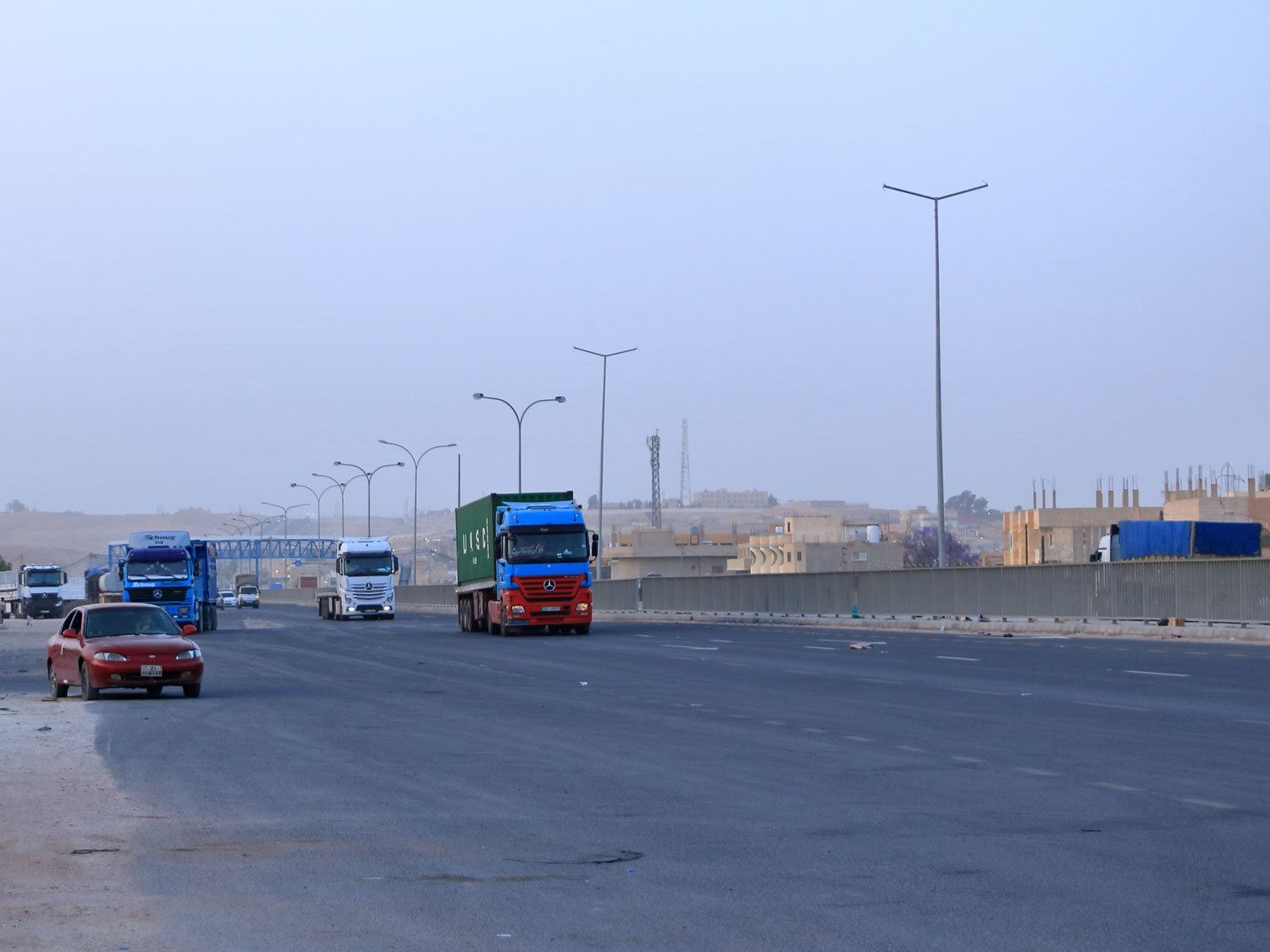
container lorry queue

Carriers Reroute as European Ports Buckle Under Congestion

European container terminals continue to face mounting congestion, triggering service reshuffles, extended inland delays, and spiking freight rates. At several key hubs, container yard density surpassed 80%, pushing carriers to adjust port calls and rethink network strategies in the heart of the traditional peak shipping season.

Carriers have responded to the gridlock by diverting ships away from overloaded gateways. Some carriers have selected Southampton as an alternative for services originally scheduled at London Gateway. Major carriers are reshuffling calls across Rotterdam, Hamburg, and Antwerp, where vessels arrive late, berths are full, and inland connections are strained.

Inland, the disruption ripples out; with truck and, on the continent, barge operators facing long wait times. Terminals have been suspending empty container redeliveries and rail services are under pressure. A full rail shutdown in Hamburg this month has already forced some shippers to reroute cargo via Bremerhaven. Further south, Italian ports like Genoa face looming rail blackouts due to planned infrastructure works, extending from late July into August.

Asian Volumes Surge Into Europe
Asia-Europe container flows surged by around 9% year-on-year in the first four months of 2025, with volumes from Asia to North Europe up nearly 7% and Asia-Mediterranean flows climbing over 12%. Carriers responded by deploying record capacity into North Europe in July, exceeding 1.15 million TEUs. However, blank sailings have also increased, reflecting attempts to balance strong demand with schedule disruptions.

In contrast, Asia-Mediterranean services will see a record 883,000 TEUs deployed in August, with blank sailings sharply reduced, underscoring the divergent strategies between North Europe and Med routes.

Freight-all-kinds (FAK) rates on Asia-North Europe lanes climbed by nearly $500 per FEU in July, as major carriers pushed through increases. Overweight surcharges are also appearing on some China origins, with carriers prioritising lighter cargo and high-cube containers to optimise vessel utilisation.

Inland Disruption Worsens
Average barge waiting times have reached over three days at Antwerp and nearly three days at Rotterdam, further compounded by low water levels on the Rhine that restrict barge loads and trigger surcharges.

Meanwhile, inland networks across Italy brace for rail service suspensions through August, cutting off key routes from ports like Genoa, La Spezia, and Vado Ligure.

The effects are far-reaching, with extensive delays, higher costs, equipment shortages at many locations and circular modal stress, as rail shutdowns push more volume onto trucks and barges.

With peak season in full swing and continued demand expected into August, shippers should share space requirements early, ideally one to two weeks in advance, to avoid delays, book the optimum service and secure container equipment.

Metro’s sea freight teams are closely monitoring port performance, vessel schedules, and rate shifts across all major trade lanes. We help customers secure priority bookings, optimise equipment and container allocation, and design alternative routings to bypass bottlenecks.

EMAIL our Managing Director Andrew Smith to discuss current conditions, risk mitigation strategies, and booking solutions tailored to your business priorities.