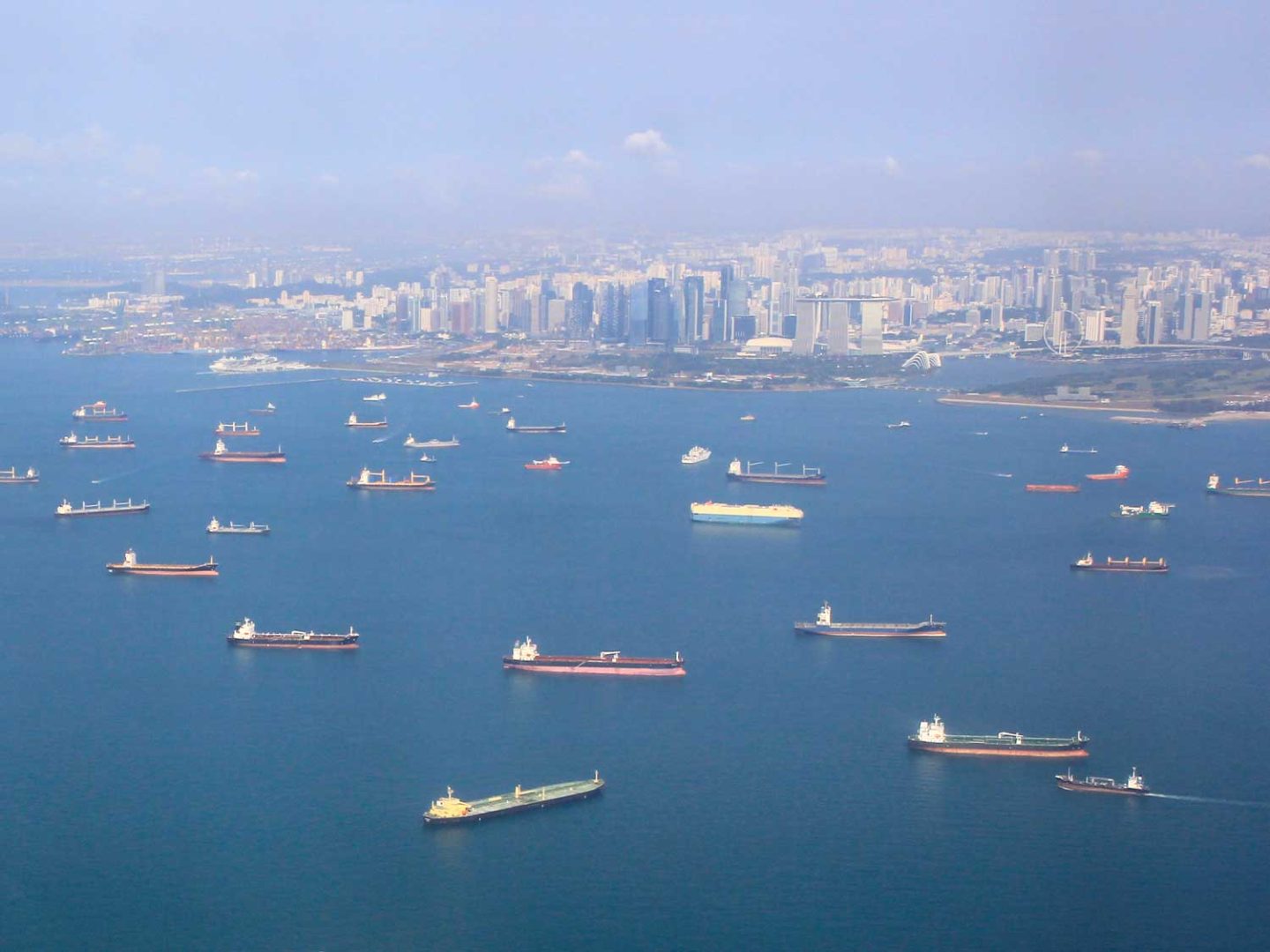
RoRo in US 1440x1080 1

U.S. RoRo Port Fees Set to Disrupt Automotive Logistics

The U.S. Trade Representative (USTR) has confirmed it will introduce new fees on foreign-built roll-on/roll-off (RoRo) car carriers calling at U.S. ports from October 14, 2025, as part of a broader push to counter China’s maritime influence.

The initial fee of $150 per Car Equivalent Unit (CEU) is designed to incentivise shipping lines to invest in U.S. built vessels. A temporary remission is offered to companies that order and take delivery of a U.S. built car carrier of equal or greater capacity within three years. They can avoid the charges during that period.

However, recent USTR updates suggest the fee may shift to a $14 per net ton charge to simplify administration and reduce the risk of fee evasion. The final decision is pending following public consultations.

Impacts on RoRo Operators and Automotive Logistics
Major global vehicle carriers operating between Europe, Asia, and the U.S. are warning of significant cost increases, potentially reaching hundreds of millions of dollars annually. 

A leading Nordic carrier estimates its annual liability could reach $300 million, based on 300–350 annual voyages to the U.S, while another major Norwegian operator projects $60–70 million per year in additional fees.

Major carriers impacted include Japanese operators “K” Line, Mitsui O.S.K. Lines, NYK Line, and South Korea’s Hyundai Glovis, all of whom have extensive U.S. vehicle import operations.

While some carriers plan to pass costs onto customers, there is growing concern that surcharges will ripple through supply chains, raising prices for manufacturers, dealers, and ultimately consumers.

There is also confusion over how mixed-use vessels, those carrying both cars and containers will be classified, with some operators calling for fees to be based on actual cargo moved, not total vessel capacity.

The risk of double charges on multi-port U.S. calls is further raising alarm, with some carriers warning they may be forced to reduce or withdraw U.S. services altogether if the fee regime is not clarified or adjusted.

The fees will not apply to U.S. government cargo or vessels operated directly for the government by agents or contractors.

Critics argue that the USTR’s blanket approach to all foreign-built RoRo vessels may create unintended market distortions, harming non-Chinese carriers, squeezing capacity, and undermining U.S. automotive supply chains, while doing little to curb China’s maritime ambitions.

Final regulations are expected before the end of the summer, and the industry is watching closely.

Stay ahead of global logistics shifts, with Metro’s technology and expertise helping you overcome change. Drive automotive supply chain performance with Metro’s specialised logistics solutions. From finished-vehicle transport to after-sales support, we deliver precision, resilience, and cost efficiency across global automotive supply chains. EMAIL Managing Director, Andy Smith, to learn more

LHR BA landing

Preparing for Air Cargo Peak Season Amid Tariff Uncertainty

Air freight markets are entering the second half of 2025 in a state of volatility, as early signs of peak season demand clash with consumer caution and a shifting tariff landscape.

Despite President Trump suggesting that the next round of US tariffs may not take effect until August, the legal reality is firmer: the executive order issued on 9 April mandates that reciprocal tariffs will be enforced from 12:01 am EDT on 9 July, unless a further Executive Order is made. This deadline is already influencing behaviour across key trade routes and sectors, with shippers attempting to front-load freight and adjust their sourcing strategies.

As expected, June saw a seasonal lull across many air freight corridors. Rates out of Hong Kong to both Europe and North America softened slightly month-on-month, falling by low single digits, while year-on-year declines were sharper to North America, reflecting weaker consumer demand and reduced eCommerce.

The removal of de minimis exemptions combined with the imposition of tariffs on many goods, has triggered a pronounced shift in flows: air cargo volumes from China to the US have fallen around 15% since March, while rates have dropped by more than 15% over the same period. In contrast, tonnage from China to Europe is up 15% year-on-year, supported by stable rates and reallocated capacity.

Transatlantic lanes also reflect the summer dynamic. With increased belly-hold capacity from passenger flights, rates between Europe and North America dipped slightly in June. However, spot freight prices on both directions of the transatlantic remain higher than a year ago, suggesting underlying resilience.

Spot Market Dominance and Capacity Volatility
One of the most significant developments this quarter has been the dramatic shift toward the spot market on Asia Pacific–US lanes. By June, more than 70% of general cargo bookings on these routes were made on spot terms, up from around 50% in the same period last year. This trend reflects carrier uncertainty, volatile demand, and diverging expectations around tariff timing and impact.

For comparison, spot market activity on Asia-Europe lanes has remained relatively stable, with roughly 47% of cargo moving under short-term rates. The growing disparity between contract and spot pricing points to the challenges of forecasting capacity needs in politically sensitive markets.

Peak Season Prospects: Uncertainty Over Tradition
Traditionally, air freight demand accelerates from mid-August as retailers ramp up inventory for back-to-school, autumn sales, and the holiday period. However, the current market is anything but traditional. Consumer confidence remains fragile due to rising living costs and trade friction, with the largest shippers increasingly hesitant to commit to long-term air freight contracts.

Global air cargo volumes rose by just 1% year-on-year in June, with capacity growth outpacing demand for the first time in over 18 months. This imbalance is likely to pressure rates across many lanes, even as jet fuel prices spike and geopolitical risks persist.

While some Southeast Asia–US routes saw modest rate gains in June, buoyed by pre-tariff demand and capacity rebalancing, overall expectations for Q3 remain muted. Analysts warn that weaker consumer spending and ongoing tariff complications could limit any meaningful peak season surge, especially on transpacific routes.

Outlook 
Despite the structural pressures, there are opportunities for shippers in the current environment. Short-term rates are more flexible, capacity is more available than in past peak seasons, and carriers are actively repositioning services to match evolving demand patterns.

The real wildcard remains US trade policy. Without a new executive order, 9 July marks the start of a new tariff chapter that will ripple across global supply chains, just as the air freight industry typically gears up for its busiest season.

Now is the time to plan ahead.
With more flexible short-term rates, improved capacity availability, and carriers adapting to demand shifts, shippers have a unique window to secure cost-effective and reliable air freight solutions before peak season pressure builds.

EMAIL our managing director, Andrew Smith today to assess your options and take advantage of current market conditions.

ship aerial 1440x1080 1

Europe Builds Momentum as Trans-Pacific Slowdown Deepens

Global container shipping is evolving rapidly, with Asia–Europe trade lanes showing fresh strength just as the transpacific market enters a significant slowdown. This divergence is creating new challenges and opportunities for shippers.

On the Asia–Europe route, demand has been steadily rising, with spot freight rates climbing significantly since the end of May. After a sluggish start to the year, the peak season seems to have arrived, driven by stronger consumer sentiment in Europe, improved macroeconomic indicators, and renewed retailer confidence in stock building.

Forecasts for European imports have been upgraded. Instead of the previously expected 3.5% annual growth, volumes are now set to increase by 6% through 2025. This is being supported by lower inflation, falling unemployment, rising disposable income, and stronger euro/sterling, which is making imports from Asia more affordable.

A new UK trade agreement is also giving exporters a boost by reducing U.S. tariffs on inbound goods to 10%. Discussions with the EU are ongoing, and similar tariff terms could apply more broadly to European supply chains, further stimulating demand.

In contrast, container traffic from Asia to North America is heading in the opposite direction. The sharp increase in demand earlier this year, driven by front-loading stock ahead of tariff deadlines, has left warehouses full and order volumes slowing. With inventory levels high and economic uncertainty persisting, import activity is falling, and rates have dropped since early June from Asia.

Adding to this pressure is the looming reintroduction of US tariffs. Temporary suspensions on general and China-specific tariffs are set to expire in July and August respectively. While extensions are possible, the expected imposition of new duties, potentially rising to 55% for some Chinese goods, may suppress demand further and shift sourcing decisions in the second half of the year.

Although a short-lived spike in cargo arrivals at US West Coast ports may materialise in July, driven by attempts to beat the tariff deadlines, this is expected to be a temporary reprieve in a broader downtrend.

Meanwhile, carriers on the Asia–Europe route are preparing to balance higher demand with tighter capacity. Shipping lines plan to withdraw approximately 90,000 TEU of scheduled space in August compared to July, using blank sailings and capacity cuts to maintain pricing discipline. If volumes remain strong, this could lead to a second wave of rate increases before the end of summer.

Beyond commercial dynamics, security remains a key concern in the Red Sea. A bulk carrier was attacked this week using drone boats, rocket-propelled grenades, and small arms, in the first such assault since December. Analysts warn that the threat level to commercial shipping has risen significantly, with continued disruption to Suez-linked services.

As trade routes shift, tariffs tighten, and risks increase, the ability to adapt quickly and make informed shipping decisions is more critical than ever.

Metro’s sea freight team provides expert guidance to help you navigate volatile conditions, mitigate disruption, and make your supply chain more resilient. Whether you’re importing from Asia or exporting to global markets, we’ll keep your cargo moving and your costs under control.  EMAIL our managing director Andrew Smith.

customer survey 1440x1080 1

Survey Highlights Why Supply Chains Must Evolve or Fall Behind

Global businesses must prepare for a fundamental overhaul of their supply chains, as the cumulative impact of geopolitical tension, climate volatility, cost inflation and sourcing risk reshapes the logistics landscape.

According to a recent survey by the Boston Consulting Group (BCG), 87% of leading global companies are planning to restructure their global supply chains. Over half have already suffered serious procurement cost increases, with more than one in five citing disruption from climate-related events such as wildfires and flooding. 

In addition to economic uncertainty and climate-related disruption, businesses are contending with fractured supplier networks, unstable trade relationships, and growing geopolitical risk. Ongoing conflict in Europe, heightened tensions between global powers, and renewed unrest in the Middle East are all adding urgency. 

The Challenges BCG Identified:

  • 57% of firms have suffered supply shortages
  • 55% are being hit hard by procurement cost inflation
  • 33% see energy prices as a major threat
  • 23% have experienced disruption from climate events
  • 20% cite global geopolitical tensions as a business risk

Fragmented supplier networks and over-reliance on vulnerable sourcing channels are being exposed, yet fewer than half of companies are using digital tools to spot weaknesses or manage risk proactively. While many are now diversifying suppliers, near-shoring and conducting more frequent evaluations, most remain trapped in reactive decision-making.

Although 40% of businesses now carry out regular supplier assessments and 36% have adopted dual or multi-sourcing strategies, the majority still operate reactively. Only 45% are using digital tools to anticipate and address supply chain vulnerabilities before they escalate. The result is a growing gap between firms that can adapt, and those that can only respond.

From Restructuring to Resilience
The shift is clear: supply chains need to be more agile, digitally enabled, and less geographically dependent. But this transformation doesn’t happen through strategy alone. It requires digital processes, and partners built to handle change.

That’s where Metro’s supply chain control platform, MVT, provides a distinct advantage. Developed to unify procurement, freight, fulfilment and inventory management, MVT transforms fragmented operations into a connected, insight-driven system—giving businesses the visibility and control needed to stay ahead of disruption.

Whether you’re managing multi-country supplier networks, tracking shipment milestones in real time, or integrating with your ERP and sales platforms, MVT enables data-backed decisions at every stage. It’s more than visibility—it’s the backbone for scalable, resilient logistics.

With Metro’s global reach, sector expertise, and fully integrated services across freight, customs, warehousing and fulfilment, we help customers re-engineer supply chains that are responsive, cost-efficient, and future-ready.

Unlock the power of connected logistics
Disruption may be constant—but with the right digital tools and operational model, your supply chain doesn’t have to be vulnerable.

EMAIL our managing director, Andrew Smith, to learn how MVT can give you total control of your supply chain.