strike at port

Labour disputes at European ports disrupt container shipping

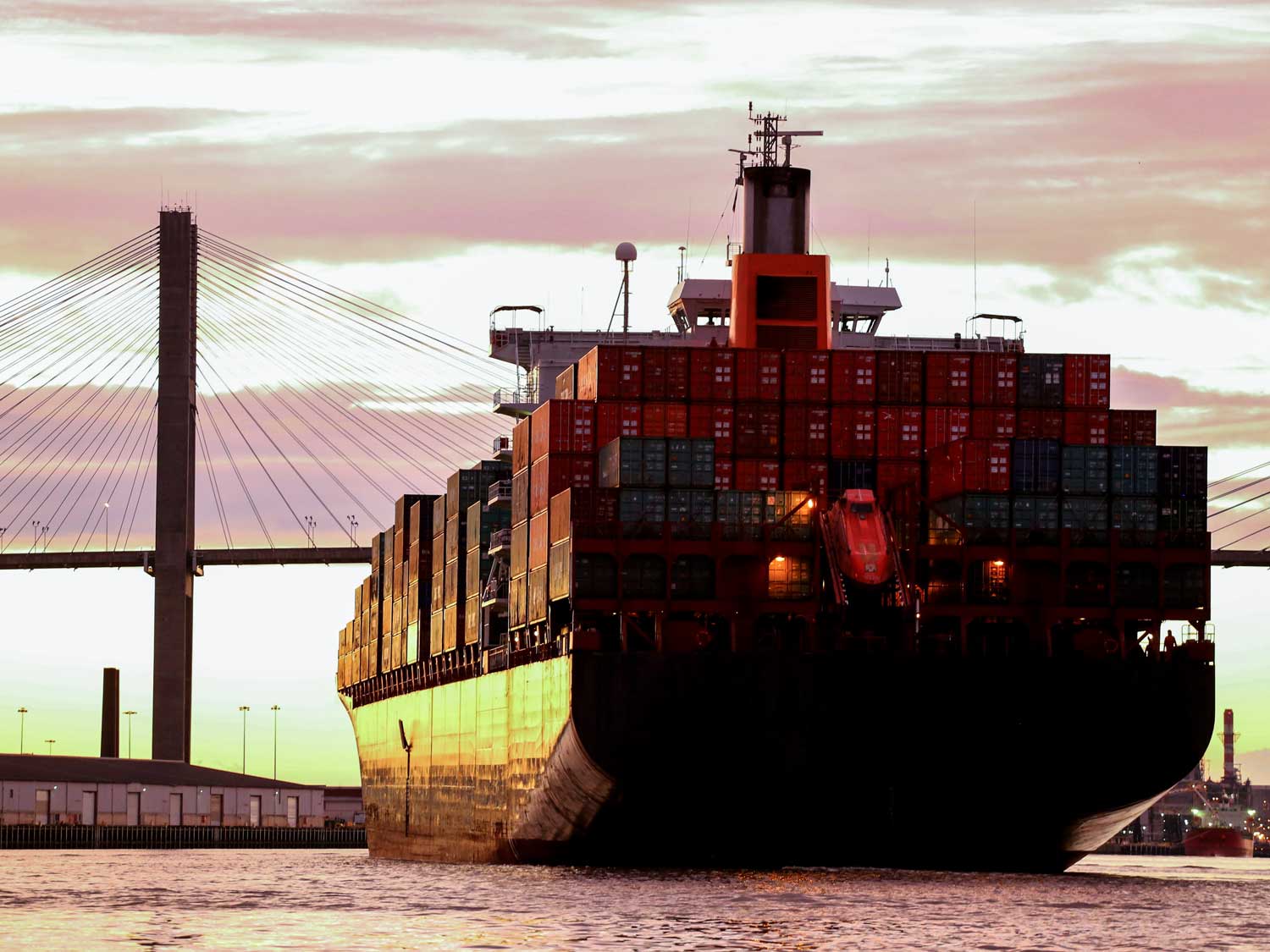
Trade union action across major European ports, particularly in Rotterdam and France, are causing significant disruptions to container shipping, exacerbating existing supply chain challenges.

Strikes at Rotterdam’s Delta II terminal and ongoing industrial action at French ports have created congestion, delays, and logistical bottlenecks, prompting carriers to reroute vessels and seek alternative solutions.

Rotterdam turmoil and ripple effects
Contract negotiations that began in November have stalled, while the FNV Havens and CNV unions have been locked in dispute with employers since the second half of last year over port automation concerns. Dockworkers have been staging intermittent strikes that have severely impacted deep-sea vessel operations, feeder ship schedules, and inland-bound cargo movements. The situation has escalated with calls for solidarity action across Europe, urging other ports not to handle diverted vessels. While no widespread solidarity strikes have been reported, shipping lines remain on high alert, monitoring developments and adjusting vessel rotations as necessary.

Congestion at Rotterdam has intensified due to a combination of adverse weather, holiday-related backlogs, and surging cargo volumes from Asia. As a result, vessels are facing extended waiting times, with some opting to bypass the port altogether. The container yard capacity is nearing full utilisation, and precautionary measures, such as limiting empty container acceptance, have been implemented to manage the strain.

French port strikes deepen crisis
Meanwhile, industrial action at French ports is compounding the disruption. Dockworkers are protesting against pension reforms, with frequent work stoppages and a series of strikes planned throughout March. These actions have significantly impacted cargo handling operations at key ports, including Le Havre and Marseille-Fos, leading to increased transport costs and supply chain strain for businesses dependent on timely shipments.

The business community has voiced concerns over the economic fallout, citing rising supply chain costs, shipment delays, and a decline in sales due to the port closures. Calls for government intervention and a coordinated public-private response have been made in an effort to mitigate the impact and prevent further damage to trade and industry.

Wider European impact
As Rotterdam and French ports struggle with ongoing disruptions, other European hubs, such as Antwerp-Bruges, are facing additional pressure. With cargo diversions increasing, terminal congestion at Antwerp has reached critical levels, forcing operators to implement emergency measures. 

Import deliveries are being prioritised over exports, and yard space constraints are leading to restrictions on transshipment volumes. Barge and feeder operations are experiencing significant delays, further straining inland logistics networks.

With no immediate resolution in sight for either the Rotterdam or French port disputes, container carriers are bracing for continued volatility.

With escalating labour disputes at key European ports, including Rotterdam and France, container shipping is facing increasing delays, congestion, and logistical challenges. At Metro, we have contingency plans in place to bypass affected ports, leveraging alternative routes and entry points to keep your cargo moving.

To minimise disruptions, we encourage you to share your shipping forecasts as early as possible so we can proactively mitigate potential issues.

For tailored solutions and expert guidance on protecting your supply chain, 

EMAIL Andrew Smith, Managing Director, today.

Ocean market report 1440x1080 1

Stay Ahead with Metro’s Ocean Freight Market Update

In the ever-changing world of global trade, staying informed is not just an advantage, it’s a critical necessity. That’s why Metro provides the Ocean Freight Market Update, a comprehensive, data-driven report designed to help businesses navigate the complexities of container shipping.

Subscribers to this monthly report gain valuable insights into spot, short- and long-term rate trends, carrier reliability, port congestion, canceled sailings, sustainability initiatives, and more—ensuring they can make informed, strategic decisions in real-time.

Highlights from the March 2025 Ocean Freight Market Update

Rate Developments: Despite attempts to impose general rate increases (GRIs), rates on Far East Westbound trade lanes have softened. Volatility is expected through April, with Asia-Europe lanes facing capacity shortages.

Schedule Reliability & Port Congestion: Global vessel reliability dipped slightly to 50-55%, while major ports like Singapore, Busan, and Piraeus continue to experience significant congestion.

Bunker & Biofuels Transition: The shipping industry is accelerating its shift toward decarbonisation, but new EU carbon emissions surcharges are increasing costs.

Supply & Demand Outlook: An 8% increase in capacity versus just a 3% rise in demand suggests blank sailings will be necessary to balance market conditions.

Red Sea Transits: Major carriers continue to avoid the Suez Canal due to ongoing security concerns, maintaining Cape of Good Hope reroutes.

Why Subscribe?
Metro’s Ocean Freight Market Update is an unbiased, intelligence-driven resource backed by data from leading industry sources. In a landscape shaped by supply chain disruptions, regulatory shifts, and market fluctuations, having access to timely, expert insight is more critical than ever.

Subscribe now to receive monthly updates straight to your inbox and stay ahead in the dynamic world of ocean freight.

Contact your Key Account Director, or EMAIL Lucy Hulston to subscribe and receive the latest update.

ship aerial 1440x1080 1

Ocean freight market report

Global shipping dynamics are shifting, with rates under pressure, 5% growth in global container shipping capacity, and the impact of the US’ new trade policies.

The ocean freight market is navigating a complex landscape, marked by operational and regulatory shifts. The Shanghai Containerised Freight Index (SCFI) has dropped since the start of the year, primarily due to the resolution of the US East Coast port strike. However, freight rates remain volatile, driven by service disruptions, alliance reshuffling, and geopolitical tensions in the Red Sea. Market capacity is also under pressure, with 30% of Far East westbound sailings expected to be blanked.

Capacity

Liner capacity growth has slowed following a record increase in 2024 and is now forecasted at 5% for 2025.

  • Global port congestion hit a three-month high (10.3%), particularly at Chinese ports before Lunar New Year.
  • The liner sector remains fully utilised, with only 0.2% of vessels (30 ships) idle.
  • 16,000 TEU vessels are becoming the new standard as carriers shift away from ultra-large container ships (ULCS).

From February to April 2025, the ocean freight market is expected to be volatile, driven by the post-Lunar New Year slowdown and carrier alliance reshuffles:

  • February: Capacity shortages are anticipated on Asia–North America and Asia–Europe lanes, with Transatlantic routes also under pressure, potentially increasing freight rates.
  • March: Market balance may improve as new alliance networks stabilise, though capacity constraints could persist from Asia.
  • April: Conditions should stabilise.

Rates & Schedule Reliability

  • Freight rates are in decline across all trades, with:
    • SCFI falling 17% since the beginning of 2025.
    • WCI down 12%.
    • Drewry World Container Index 118% higher than pre-pandemic.
  • Despite strong demand leading up to Chinese New Year, rates have continued to fall due to service disruptions and alliance changes.
  • Global schedule reliability has remained between 50%-55%, but port congestion has reached a three-month high.
  • 10.5% of the global fleet (3.3 million TEU) is currently stuck in port congestion.

Demand Outlook

Demand trends remain mixed, with a rush in US-bound cargo ahead of potential tariff hikes, while the traditional seasonal slowdown is following Lunar New Year.

  • December PMI data shows continued global growth disparities:
    • The US is outperforming other developed economies.
    • India leads emerging markets.
    • Global business confidence has declined.

Looking ahead the Far East is projected to remain a critical driver of global container trade, contributing significantly to the 3.3% CAGR expected from 2026 to 2028. The region’s demand is forecasted to grow by 2.9%, underpinned by robust intra-Asia trade and strong export performance, particularly to North America and Europe. 

Despite ongoing trade challenges, including regulatory and tariff impacts, the Far East’s economic resilience, led by China and India, is expected to support continued growth in freight volumes.

On the Transatlantic, demand is projected to remain stable, with North America expected to see a 2.5% increase in trade volumes. However, carriers are reducing capacity on this route, potentially impacting freight rates and capacity availability. The shift towards smaller vessels and the restructuring of carrier alliances may lead to temporary disruptions, but the market is likely to stabilise as the new network configurations take effect.

Market Developments

The US continues to lead developed markets, while China’s exports have exceeded expectations despite export tax rebate cuts. However, market outlook was already cautious, with business confidence waning amid concerns over economic growth, particularly in Europe and the UK. And now the de-stabilising impact of President Trump’s aggressive trade policies need to be factored in.

  • Market imbalances persist across key trade routes:
    • Asia outbound capacity is strained, creating pressure on freight rates.
    • The Transatlantic trade lane has seen capacity reductions, with carriers downsizing vessels.
    • The upcoming alliance reshuffle is expected to disrupt operations, leading to short-term demand surges until new networks stabilise.
    • Demand exceeds capacity on multiple routes, particularly:
      • Asia–North America
      • Asia–Europe
      • Asia–Middle East
    • Some regional markets are more balanced, but capacity pressures remain high.

Conclusion

The ocean freight market continues to challenge, with rate volatility, capacity constraints, and shifting trade policies. While global liner capacity is set to grow by 5% in 2025, port congestion and alliance reshuffles are contributing to market instability, particularly on Asia–North America and Asia–Europe routes.

Despite the post-Lunar New Year slowdown and the impact of new US trade policies, demand from the Far East remains a key growth driver, underpinned by strong intra-Asia trade and export flows to North America and Europe. 

As geopolitical risks and market disruptions continue to impact global shipping, building resilient supply chains and ensuring budgetary certainty, to mitigate risks and maintain stability, are more crucial than ever.

At Metro, our fixed-rate agreements on popular shipping routes provide a practical safeguard against rate volatility, offering predictable costs for effective budgeting. Whether you’re managing high-volume trade lanes or seeking greater stability for your supply chain, our tailored solutions can help you thrive in 2025.

To discover how Metro can strengthen your business and provide peace of mind, EMAIL our Managing Director, Andy Smith, today.

US India jigsaw 1440x1080 1

US and India growth strategies

Recent senior executive visits to the United States and India reinforce Metro’s strategic partnerships, enhance trade opportunities and positioning the company for continued global growth in 2025.

With international trade facing shifting policies, evolving supply chain dynamics, and increasingly demanding compliance solutions, Metro is strengthening its international footprint to provide clients with seamless, efficient and reliable logistics services worldwide.  

Expanding Metro’s presence in the US

CEO Grant Liddell and Managing Director Andy Smith recently concluded a two-week visit to key clients, partners, and carriers across the United States. These meetings focused on developing new trade lanes, enhancing service offerings, and optimising routes from the US into Metro’s global network.

One of the key outcomes of the visit was the decision to establish a dedicated sales platform within the US, Metro Global USA. This expansion will strengthen Metro’s local presence and allow the company to support clients and partners more effectively in this crucial market.

With North America remaining a priority market, Metro is also collaborating with carriers, ports, and airports to ensure optimised routes and enhanced operational efficiencies. As the global trade landscape shifts, closer alignment between Metro and US-based partners will be critical to navigating new challenges and opportunities.

The US/UK trade balance in goods is evenly matched and hopes are high that a comprehensive US/UK trade agreement could provide stability, boost trade, and remove barriers to growth.

Both economies share similar structures and ambitions, making further collaboration a natural progression. A deepened trade and investment agreement could unlock new opportunities for Metro’s clients, ensuring more predictable and streamlined transatlantic logistics solutions.

Scaling up Metro’s India operations

Metro’s expansion in India is also gathering momentum, with Director Tom Fernihough and COO Chris Gavin recently completing a multi-city visit to clients, partners, and Metro’s Indian headquarters in Chennai (MISC Chennai).

With India’s economy on track to become the world’s third largest by 2050, Metro is capitalising on the country’s growing manufacturing and export capabilities by scaling up its operations and investing in new infrastructure.

During the visit, Metro executives secured additional facilities, expanded recruitment efforts, and initiated plans to establish Metro Global India. This new entity will include an operational and physical handling centre dedicated to a key client manufacturing across the country, increasing Metro’s local headcount to a level comparable with the UK.

With UK exports to India valued at £16.6 billion and total trade reaching £42 billion last year, the revival of India-UK free trade talks presents substantial opportunities. A trade deal would enhance Metro’s ability to facilitate faster, more cost-effective logistics solutions for clients engaged in UK-India commerce.

As India’s role in global supply chains grows, Metro’s investment in local expertise and infrastructure will enable clients to benefit from seamless trade flows, reduced lead times, and enhanced supply chain resilience.

Metro’s evolving global network

By reinforcing existing relationships and forging new ones, Metro ensures that clients benefit from a global network that delivers efficiency, reliability, and strategic advantage.

Combining global reach with local expertise, ensures that clients always have access to tailored, best-in-class supply chain solutions in every location, no matter how complex the challenge.  Consistent investment in key markets, digital capabilities, and operational scalability will position Metro as a leader in global logistics, helping businesses thrive in an unpredictable trade environment.

To explore how Metro’s partnerships can support your business needs, please EMAIL Peter Orange for more information.