MSC and Maersk 1440x1080 1

New shipping alliances for 2025

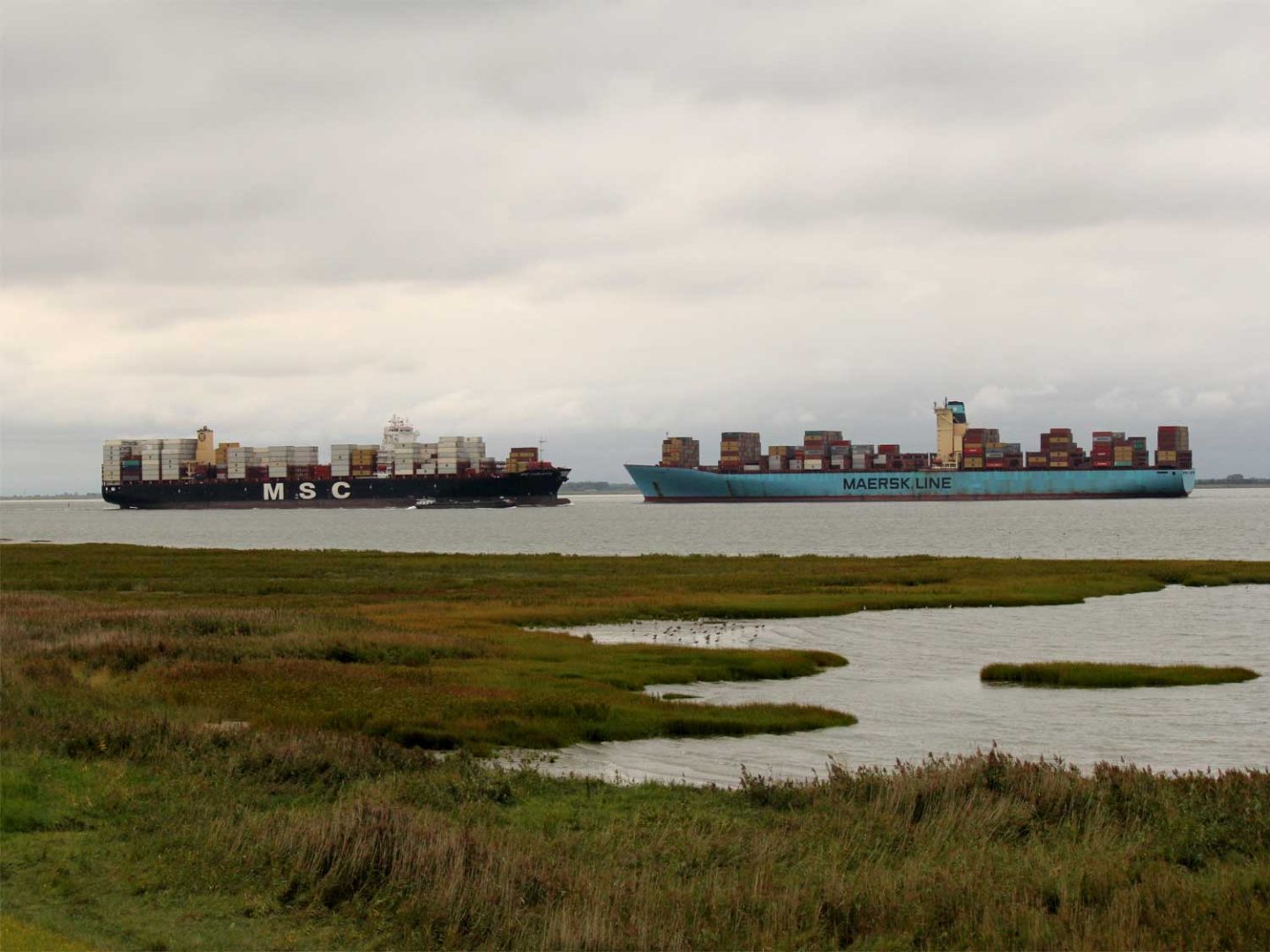
With the dissolution of the 2M partnership between MSC and Maersk in February 2025, new partnerships and slot-sharing agreements are emerging, positioning shipping companies in a transformed global market.

One of the key developments is the formation of the Premier Alliance, which will replace THE Alliance. This new partnership brings together Ocean Network Express (ONE), HMM, and Yang Ming, with MSC also entering into a vessel-sharing agreement (VSA) with the group.

The Premier Alliance will focus on key East-West trade lanes, including Asia-Europe, Asia-North America, and Asia-Mediterranean routes. The agreement will offer customers more direct coverage and frequent sailings, with plans for six Asia-North Europe services, including five in cooperation with MSC.

Now the world’s largest container shipping company, MSC has moved quickly to capitalise on its scale. Following its departure from the 2M alliance with Maersk, MSC will operate largely independently while maintaining slot-sharing agreements with the Premier Alliance and Zim.

MSC will manage 34 loops across five major trade routes, covering Asia-North America, Asia-Europe, the Mediterranean, and the trans-Atlantic. It will offer customers direct port-to-port services, providing over 1,900 direct port pairings through the Suez Canal (when it is accessible) and more than 1,800 via the Cape of Good Hope.

The formation of the Gemini Cooperation, a new alliance between Maersk and Hapag-Lloyd, adds another layer of competition. Unlike MSC’s direct coverage approach, Gemini Cooperation will focus on a hub-and-spoke service network. This divergence in strategy highlights how alliances are tailoring their operations to meet the specific needs of global trade.

As these alliances come into play, the shipping landscape will continue to evolve. The Premier Alliance and MSC, with their extensive network of direct services, will provide enhanced port coverage and flexibility, while Gemini Cooperation’s hub-based model may appeal to shippers seeking more consolidated routes.

Together, these developments signal a reshaping of global shipping routes, aimed at increasing efficiency and meeting the growing demands of international trade. With direct access to over 80 ports and expanded service options, the new alliances are set to redefine global logistics for the years to come.

We will keep you advised and updated on important developments within the container ocean freight market as they materialise.

If you have any questions or concerns about the Premier Alliance agreement, or would like to discuss the wider implications of the shipping alliance changes, please EMAIL our Chief Commercial Officer, Andy Smith.

strike at port

Ongoing labour disputes threaten global supply chains

While recent developments in India and Canada suggest some relief from labour disputes, the threat of strikes continues to loom over port operations and global supply chains. The situation remains precarious, especially with the added complications from Red Sea diversions, which could magnify the impact of any further industrial action.

Typically, strikes at ports and other supply chain hubs cause only localised disruptions. However, the current climate is fraught with uncertainty. Sea-Intelligence has warned that even a single day of strike action on the U.S. East Coast could create a six-day backlog to clear containers.

If a strike were to last a week in early October, its effects might not be fully resolved until mid-November, while a two-week strike’s impact might be felt well into 2025, further straining already fragile supply chains.

Recent resolutions

Canada
The Canadian government acted within a day to end a rail strike that began on 23rd August, ordering Canadian Pacific Kansas City (CPKC) and Canadian National (CN) to resume operations and enter binding arbitration with the Teamsters Union. The Canada Industrial Relations Board extended expired collective agreements until new ones are finalised, temporarily safeguarding the supply chain.

However, the union has challenged this decision by filing four separate appeals with the Federal Court of Appeal, suggesting that the risk of further strike action may not be entirely averted.

India
Potential nationwide strike action involving 12 major ports from the 28th August was avoided when the government agreed to wage increases and additional benefits for around 20,000 port workers. Union leaders insist that the strike threat played a crucial role in securing the deal, preventing significant disruption during the peak export season.

Ongoing threats

Germany
The threat of strikes at major ports remains, as the trade union ver.di has rejected the latest offer from the Central Association of German Seaport Operators (ZDS). With the contract now expired, warning strikes have already occurred in key ports such as Hamburg and Bremerhaven. Ver.di is pressing ZDS to return to negotiations with a more substantial offer, raising concerns about potential disruptions if an agreement is not reached soon.

United States
The risk of strikes at East and Gulf Coast ports is growing, with the International Longshoremen’s Association (ILA) threatening action from 1st October. Container spot rates from Asia to the U.S. have remained high, and carriers acknowledge that a strike could sustain these elevated rates through the end of the year.

The ILA has been holding ‘wage scale meetings’ in New Jersey this week, where delegates are reviewing master contract demands and preparing strike committees from Maine to Texas in anticipation of the 1st October deadline.

East Coast port employers, represented by the United States Maritime Alliance (USMX), have stated that they have been unable to secure a meeting with the ILA but remain committed to negotiating a new agreement with the union’s leadership.

The early peak season, driven by shippers eager to front-load holiday goods, has already caused concerns about overcapacity. A strike could exacerbate these issues, leaving carriers with limited options to mitigate the impact.

As negotiations remain tense and the risk of disruptions continues to grow, businesses and supply chain managers must stay vigilant and proactive in their planning. Unresolved labour disputes could have significant consequences for global trade, particularly as the year-end approaches.

We have contingency plans in place to avoid ports likely to be most affected by strikes, as well as alternative routes and entry points. Please share your forecasts as early as possible so that we can mitigate possible issues ahead of time.

To discuss these issues and how Metro can protect your supply chain, please EMAIL Andrew Smith, Chief Commercial Officer.

GPTW India 1440x1080 1

Metro expands Great Place to Work Certification globally

Metro has reached a significant milestone by extending its Great Place to Work (GPTW) certification to its Chennai office, reflecting the hard work and dedication of the Metro India team and affirming the company’s commitment to creating a supportive and fulfilling work environment across all its offices worldwide.

The Great Place to Work certification is a globally recognised symbol of excellence. Awarded to companies that excel in providing a positive employee experience, it is based on anonymous employee feedback and a rigorous audit of workplace practices, which ensures that only companies truly committed to fostering a great work culture achieve accreditation.

In the recent audit, Metro received impressive feedback from its employees, with 93% affirming that Metro is a great place to work. Further highlights include 95% of employees stating that they felt welcomed upon joining the company, 97% expressing pride in telling others they work for Metro, and 96% commending management for their clear vision and ethical business practices.

Metro’s Managing Director, Grant Liddell, praised the achievement, saying, “This is another important milestone for Metro, becoming the employer of choice in our industry in both the UK and India. I am personally delighted to know that my colleagues enjoy our work culture, feel safe, valued, and treated fairly.”

Grant also highlighted the certification’s role in attracting top talent globally, giving Metro’s HR team a recruiting advantage with a research-backed verification of the company’s positive employee experience.

The GPTW certification not only helps Metro recruit top-tier talent, it builds pride among employees and places Metro in a community of other great workplaces, sharing insights and practices that help strengthen its work culture even further.

As Metro continues to expand globally, this recognition as a Great Place to Work further solidifies its position as a leader in the logistics and supply chain industry. The company’s dedication to creating a supportive, ethical, and engaging workplace ensures that it remains competitive in attracting and retaining the best talent worldwide.

If you, or someone you know, would like to work with a progressive colleague-focused business, please EMAIL Paul Moss a CV, with covering letter.

container ship and naval escort

SECURITY UPDATE: Red Sea

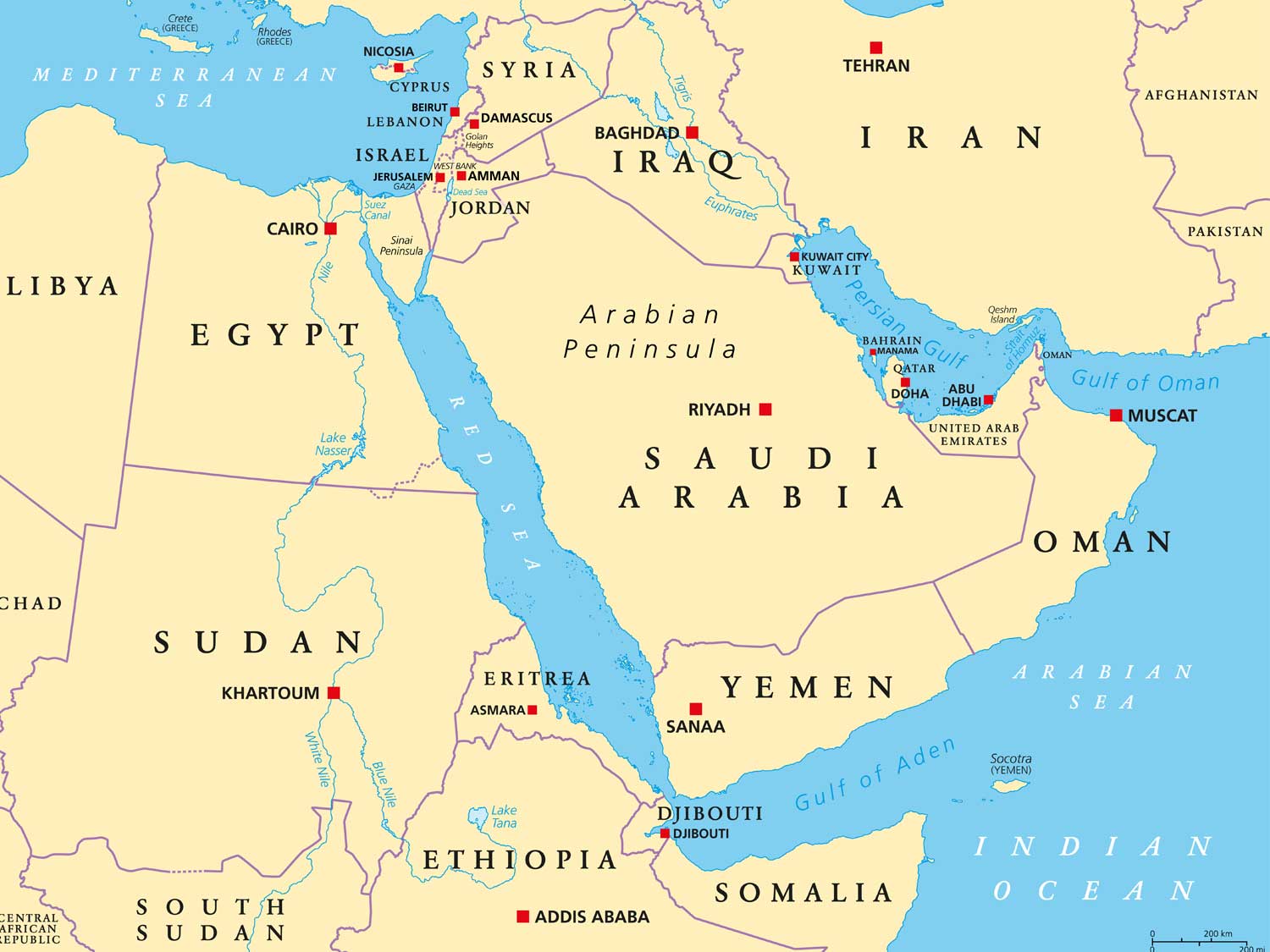
The recent sinking of the Prestige Falcon oil tanker, following a Houthi attack, marks the deadliest incident involving these strikes to date.

The vessel capsized near the Omani coastal city of Duqm, and while the Indian Navy rescued nine of the 16 crew members, one was found deceased, and six remain unaccounted for, feared to have gone down with the ship.

The Prestige Falcon, flagged under the Comoros, was targeted approximately 5 nautical miles southeast of Ras Madrakah, Oman, closer to the Persian Gulf than the typical Red Sea and Bab al-Mandeb strait attack zones. With at least 100 Houthi attacks on merchant ships so far, resulting in the deaths of four seafarers, this incident could significantly increase that toll.

These Red Sea attacks have contributed to elevated containership charter and freight rates. Industry experts predict continued Cape of Good Hope diversions until at least 2025, keeping rates high.

Recent escalations include Israel’s attack on the Hodeidah port in Yemen, following a Houthi drone strike on Tel Aviv. The method of the Houthi drone attack remains unclear, raising concerns about potential threats to shipping in the Eastern Mediterranean.

Speculation suggests the drone may have been launched with the aid of militants closer to Israel, highlighting the risk of supply chain disruptions if drones can be deployed from nearer locations or if groups like Hezbollah become involved.

The Houthi’s have already warned that they plan to expand their campaign of attacks on commercial shipping, to include vessels in the Mediterranean. While the Pentagon has stated that the US has seen no sign of the Iran-armed rebels attempting to do so yet, it has admitted to being worried about the possibility.

“The Houthis have an advanced array of weaponry and they have weapons that could reach the Mediterranean. It definitely is of concern that they have that capability.”

According to some projections, the current Houthi attack campaign will continue for at least the rest of this year, and many commercial vessels will keep avoiding the Gulf of Aden and southern Red Sea until 2025 or beyond. In fact, it could get much worse with some of the new developments this week between Israel and The Lebanon also. We will endeavour to keep you updated as frequently as news is issued and on the impact associated with your supply chain and logistics requirements.

Experts warn that until the Houthis are deprived of the weapons they are using to conduct these attacks at source, we should expect more attacks and damage to international trade.

If you have concerns or questions about the issues covered here, please EMAIL our Chief Commercial Officer, Andy Smith.