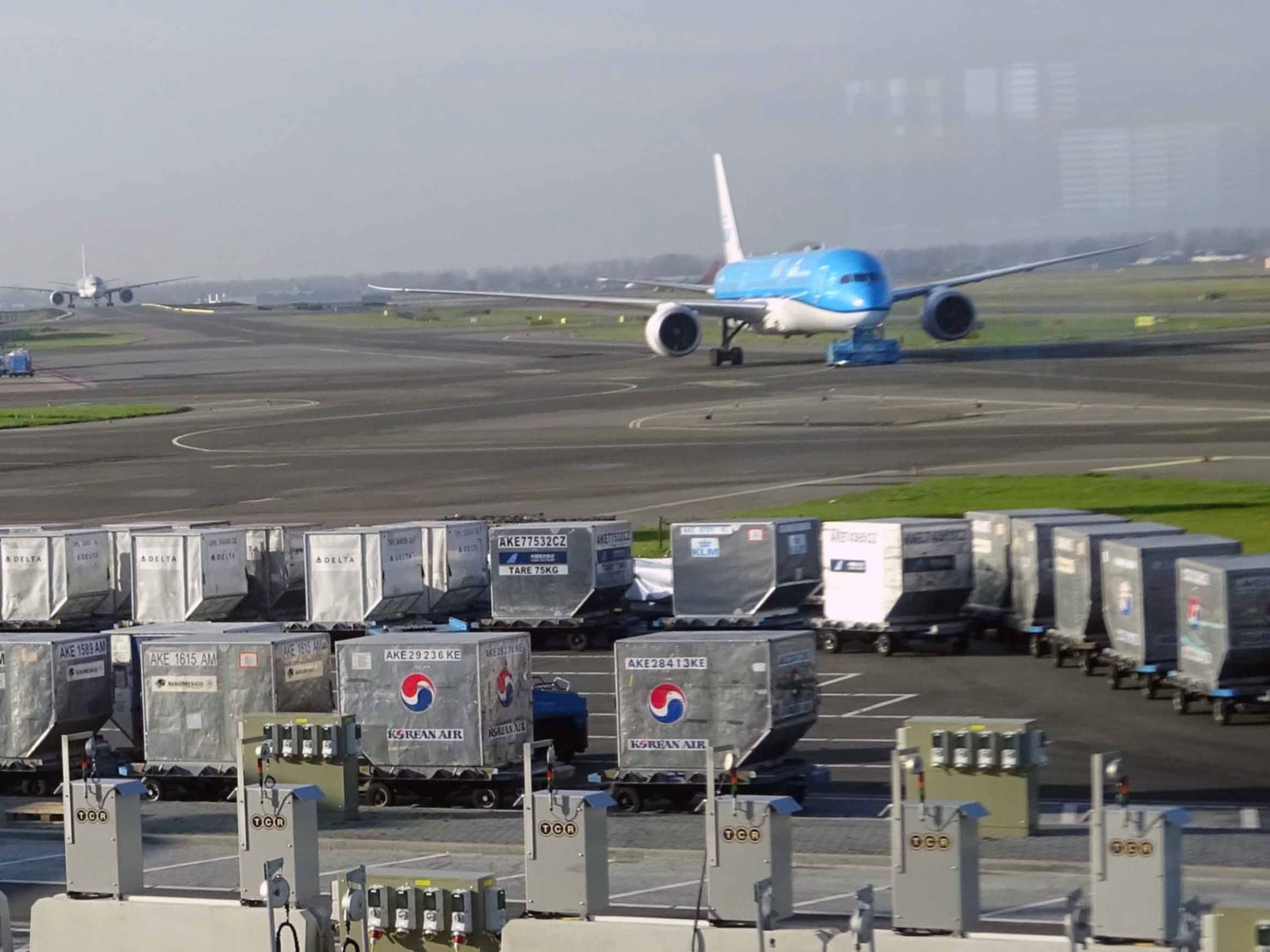
Typhoon HKG 1440x1080 1

Blank Sailings, GRIs and a Typhoon Disrupt Asia Shipping

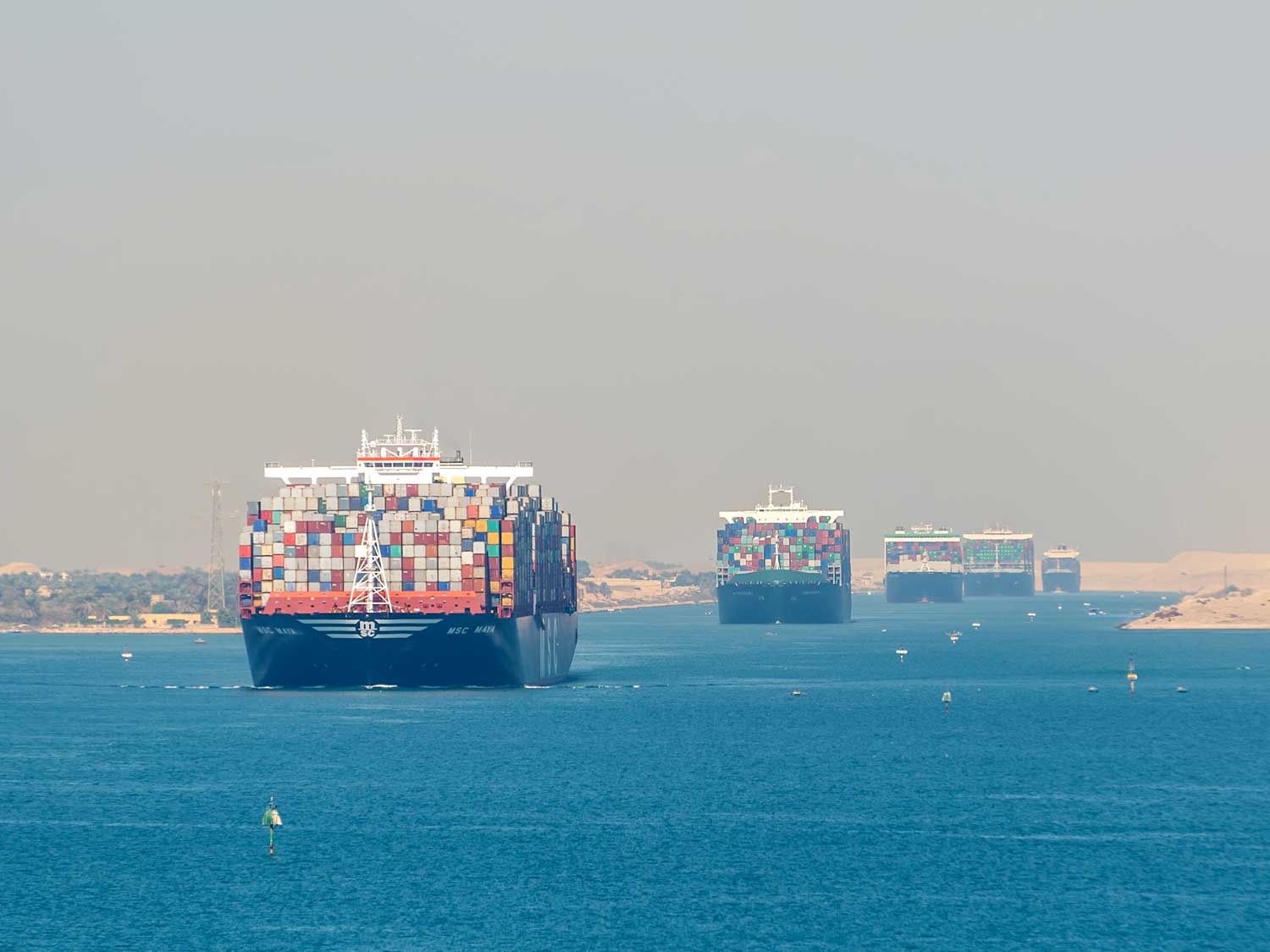
Shippers moving goods out of Asia are bracing for the tightest space and schedule disruptions as the major container shipping lines accelerate blank sailings in the lead-up to China’s extended Golden Week holidays.

Following weeks of tentative planning, lines have now confirmed broad capacity withdrawals, cancelling between 14–17% of sailings on core Asia–Europe and Asia–US routes to offset softer demand amid seasonal and weather challenges.

The unprecedented combination of Golden Week and the Mid-Autumn Festival has pushed factory shutdowns to an eight-day stretch this year, pausing exports at the world’s manufacturing hub.

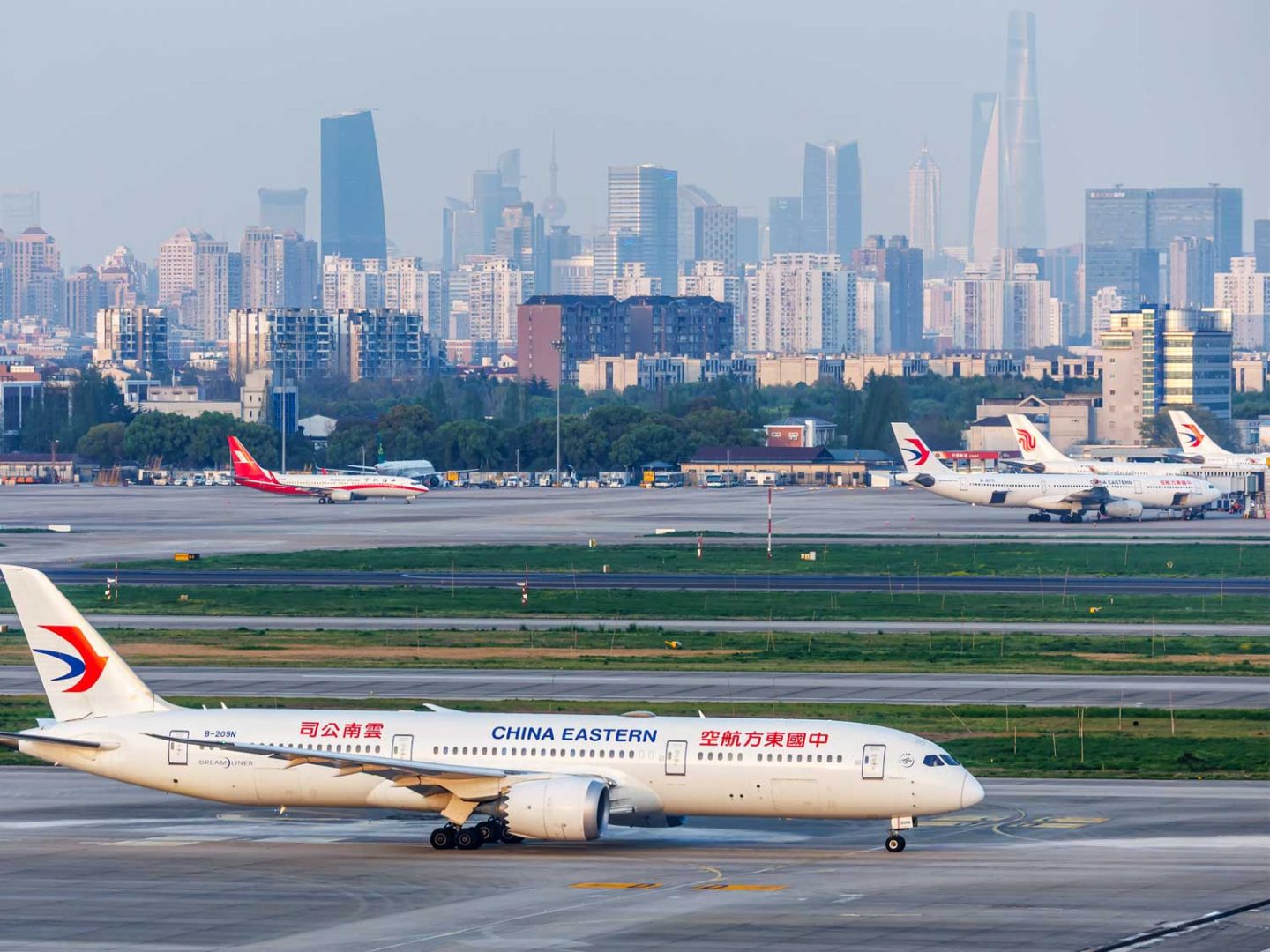
Just days before the holiday, Super Typhoon Ragasa hammered South China, triggering port closures, flight cancellations, and severe equipment shortages. Local experts now expect cargo backlogs and shipping delays to stack up for at least a week beyond the holiday’s official end, intensifying the regional congestion and supply chain volatility.

Carrier Alliances Adjust Rapidly

Analysis of carrier announcements reveals distinct strategies among the largest ocean alliances. Early movers blanked sailings soon after market signals softened, while others opted for aggressive, late-stage cuts in the final pre-holiday weeks. Whether by steady withdrawals or front-loaded cancellations, overall capacity reductions are now on par with historical Golden Week patterns, yet the scale and timing of adjustments this year dwarf previous years and reflect the urgent need for carriers to rebalance supply with dampened demand.

In parallel with capacity cuts, carriers are moving to restore profitability through new general rate increases (GRIs). One major line has announced GRIs effective from early October:

  • Far East–North Europe: $1,200 per 20ft and $2,000 per 40ft.
  • Far East–West Mediterranean: $1,750 per 20ft and $2,500 per 40ft.
  • Far East–East Mediterranean: $1,800–$2,150 per 20ft and $2,600–$2,700 per 40ft, depending on destination.

Meanwhile, another leading carrier has confirmed a peak season surcharge on the westbound transatlantic, at $400 per 20ft and $600 per 40ft.

These surcharges highlight how quickly pricing can swing when capacity is withheld and seasonal demand shifts.

Adding to the disruption, last week’s Typhoon Ragasa forced widespread factory closures and halted container movements across South China. Surges in trucking and equipment charges at origin have been exacerbated by the post-typhoon scramble.

Why Carriers Blank Sailings

Blank sailings, a carrier’s decision to skip or cancel specific port calls, or even entire voyages, are a crucial tool for controlling costs and freight market stability. These cancellations can occur due to falling demand, port congestion, storms, mechanical breakdowns, or as part of a calculated strategy to support freight rates in an oversupplied market.

Blank sailings happen for several reasons:

  • Low demand – such as after Chinese New Year or Golden Week.
  • Port congestion – strikes, bottlenecks, or canal delays.
  • Weather disruptions – storms or unsafe docking conditions.
  • Mechanical issues – urgent vessel repairs.
  • Market strategy – cutting supply to stabilise freight rates.
  • Regulatory or political disruption – new rules or regional instability.

The Shipper’s Challenge

Blank sailings mean longer lead times, unpredictable offloads, and more frequent cargo rollovers. Freight may get rerouted, remain at origin for extended periods, or be consolidated on later vessels, driving both and planning complexity up.

To keep shipments moving and mitigate delays, shippers should:

  • Build more time buffers into supply chain schedules during holiday and storm periods.
  • Use tracking and analytics tools for early indications of disruption.
  • Diversify carriers, prioritising reliability and fast rerouting capabilities.
  • Communicate proactively about possible delivery delays.
  • Explore alternative transport modes for urgent consignments.

With volumes likely to stay subdued until the seasonal year-end surge, further blank sailings could be triggered in response to lingering congestion and uneven recovery.

The weeks ahead demand vigilance, agility, and close collaboration.

At Metro, we work hand-in-hand with our network and carrier partners across China to keep your cargo moving, even when the market is disrupted. From time-sensitive shipments to sudden blankings, our sea freight team finds the capacity and alternative solutions you need.

By sharing forecasts on critical dates and volumes, you’ll help us secure the right space to safeguard your supply chains and shield you from looming GRIs.

EMAIL Andrew Smith, Managing Director, today to explore how we can protect your ex-Asia supply chains and insulate you from threatened GRIs.

Ho Chi Minh 1440x1080 1

Asia Pacific Freight Markets Reshape as Tariffs Shift Trade Flows

Air and sea freight in the Asia Pacific region is at the centre of global freight realignments, as eCommerce and feeder shipping operations are reshaped by recent policy changes in the US. 

Adjustments to tariff rules and the elimination of duty exemptions have pushed shippers to reconsider sourcing strategies, shifting some flows from China to other Asia Pacific markets while amplifying pressure on already-congested sea and air networks.

Air cargo: eCommerce realignment

The removal of de minimis exemptions on China–US eCommerce shipments has sharply reduced volumes from mainland China and Hong Kong to the US, while boosting flows from alternative Asia Pacific origins and into Europe.

Airlines across the region reported strong growth in July, as exporters diverted shipments to avoid tariff penalties and took advantage of front-loading opportunities during temporary pauses in tariff implementation.

This shift highlights the growing role of Asia Pacific beyond China in meeting US and European demand, with trade lanes from Southeast Asia and emerging eCommerce hubs gaining traction. While China remains dominant in cross-border online trade, its reduced share of US-bound volumes has accelerated diversification across the region.

Sea freight: Feeder bottlenecks

At the same time, feeder shortages in Southeast Asia are disrupting supply chains, delaying transshipments and creating congestion at major hubs including Singapore (operating near 90% yard capacity), Shanghai, Ningbo and Port Klang.

Shippers are being forced to secure space weeks in advance, with rolled cargo and high yard density compounding the disruption.

The surge in demand from Southeast Asia, partly driven by tariff-related cargo diversions, has stretched feeder capacity, with carriers prioritising direct lanes over transshipment-heavy routings. For US exporters, this has meant greater scrutiny over which cargoes are accepted, adding uncertainty to already fragile trade flows.

Implications for US and European businesses

For US and European importers, these developments underline the risks of over-reliance on single-source markets, as both regulatory shifts and operational pressures can disrupt established flows. For exporters, feeder constraints and selective carrier acceptance policies may limit market access and slow supply chains out of Asia.

Diversification of sourcing, earlier booking strategies, and closer collaboration with supply chain stakeholders is essential in navigating these disruptions. With eCommerce volumes continuing to grow and Asia Pacific playing a more pivotal role, freight strategies must evolve to maintain resilience and competitiveness.

Metro gives you the visibility, agility, and expertise to adapt to shifting trade flows and capacity constraints. EMAIL managing director, Andy Smith, today to strengthen your supply chain and secure your freight movements across Asia Pacific, the US and Europe.

Globe 1440x1080 1

US Tariffs Reshape Global Supply Chains

The wave of new US tariffs has triggered a recalibration across global trade and supply chains. While markets initially reacted with relative calm, the cumulative impact of the Trump administration’s layered tariff regime, now reaching more than 60 countries, is beginning to reshape sourcing strategies, cost structures, and trade flows worldwide.

The latest measures, including punitive tariffs of up to 50% on imports from India, and Switzerland, and a standardised 15% levy on most EU goods, follow months of negotiations, with the UK and US agreeing an Economic Prosperity Deal (EPD) on 8 May, as a framework for tariff reductions to 10% and sector-specific cooperation.

While the EU, UK and some other nations have secured temporary reprieves or reduced rates, others are facing some of the steepest trade barriers since the 1930s. Despite legal challenges and ongoing court reviews, the ‘reciprocal’ tariff framework remains in force until 14 October to give the administration time to appeal to the US Supreme Court.

Supply Chain Implications

With the average US tariff rate climbing to 15.2%, up from a pre-Trump level of just 2.3%, importers are confronted by significant new costs and operational uncertainties. Many rushed to ship goods before the new levies took effect, temporarily insulating American consumers from immediate price increases.

However, the landscape is growing more unpredictable. With distinct, sector-specific tariffs on items like semiconductors, consumer electronics, pharmaceuticals, and critical minerals forthcoming, importers face ongoing uncertainty around landed costs and logistical planning.

And while the legality of “reciprocal” tariffs continues under judicial review, it adds yet another layer of risk for firms engaged in international trading.

The structure of the new tariff regime is multi-layered. A base rate of 10% applies to most imports, with steeper levies of 15% to 41% on countries with trade surpluses or those targeted for geopolitical reasons. Sector-specific duties on copper, pharmaceuticals, semiconductors, and critical minerals are being introduced in stages, with transshipment clauses aimed at preventing circumvention.

India, Switzerland and Brazil have emerged among the hardest-hit economies, with duties on some goods now matching or exceeding those applied to China. 

The outlook for trade with China remains fluid. A 90-day truce has paused the imposition of previously announced three-digit tariffs, with further talks expected before the November deadline.

However, a new provision introducing a 40% tariff on suspected transshipped goods, potentially targeting Chinese exports routed through third countries, has introduced added further complexity for supply chain managers.

The EU, UK, Canada, Mexico, Japan, and South Korea, appear better positioned to weather the storm, with existing trade agreements and temporary negotiation windows providing some insulation. Yet, some of these buffers are time-limited, and broader economic impacts are still unfolding.

As tariffs shift the relative cost of sourcing and importing, businesses are actively reviewing their global footprints. For many, the focus is now on building resilience through diversification, friend-shoring, and regionalisation. However, continued tariff uncertainty is delaying investment decisions and complicating long-term planning, especially for industries reliant on integrated global supply chains.

US Tariffs are reshaping global trade. Whether you’re evaluating exporting or sourcing options, reviewing landed costs, or considering tariff engineering, EMAIL our managing director Andy Smith to discuss your exposure and build a future-proof compliance strategy.

Six question marks 1440x1080 1

H1 2025: Six Developments Reshaping Global Trade

The first half of 2025 has been one of the most turbulent periods for supply chains in recent memory. From renewed tariff wars to fresh geopolitical flashpoints, logistics professionals have had to contend with a constantly shifting landscape.

At the same time, structural challenges around skills, safety, and sustainability have continued to grow. Here we review six developments that defined H1 2025.

1. Tariffs return to the fore
The pause in US tariff escalation ended in August, with the White House reintroducing “reciprocal” tariffs that apply baseline duties of 10% to all countries and higher rates of 10–41% depending on origin. The UK sit at the low end, while Syria faces the steepest levels. Brazil has been singled out further, hit by an additional 40% levy. Canada also saw tariffs raised from 25% to 35% on certain goods, justified by Washington’s claim that Ottawa has not done enough to curb fentanyl flows.

The executive order applies from 7 August 2025, with a grace period allowing cargo already loaded onto vessels before that date to arrive until 5 October 2025. To add complexity, US Customs will also impose new fees on Chinese-built or operated vessels from 14 October, potentially forcing alliances such as the Ocean Alliance into costly fleet reshuffles. Carriers are already working through how to redeploy capacity to avoid penalties, with COSCO and OOCL particularly exposed.

2. New shipping alliances reshape networks
The recomposition of global shipping alliances in Q1 has reshaped carrier strategies. The launch of the Gemini Cooperation between Maersk and Hapag-Lloyd marked one of the most significant realignments in recent years, focused on achieving 90%+ schedule reliability. Shippers are already seeing more dependable services, but questions remain about whether premium pricing will follow.

Other alliances, particularly Ocean and THE Alliance (now Premier Alliance), are recalibrating networks, with competition sharpening across Asia–Europe and transpacific trades. For shippers, the alliance changes mean rethinking service contracts and adapting to new network structures that could endure for much of the decade.

3. Houthi attacks deepen Red Sea crisis
The Red Sea crisis, triggered by Houthi rebel attacks, has now stretched on for nearly two years. In July 2025 the threat escalated further with the sinking of the Magic Seas, a Greek-operated vessel targeted for its links to companies calling at Israeli ports. Analysis suggests that one in six vessels globally could now be considered threatened under the Houthis’ broad definition of violators.

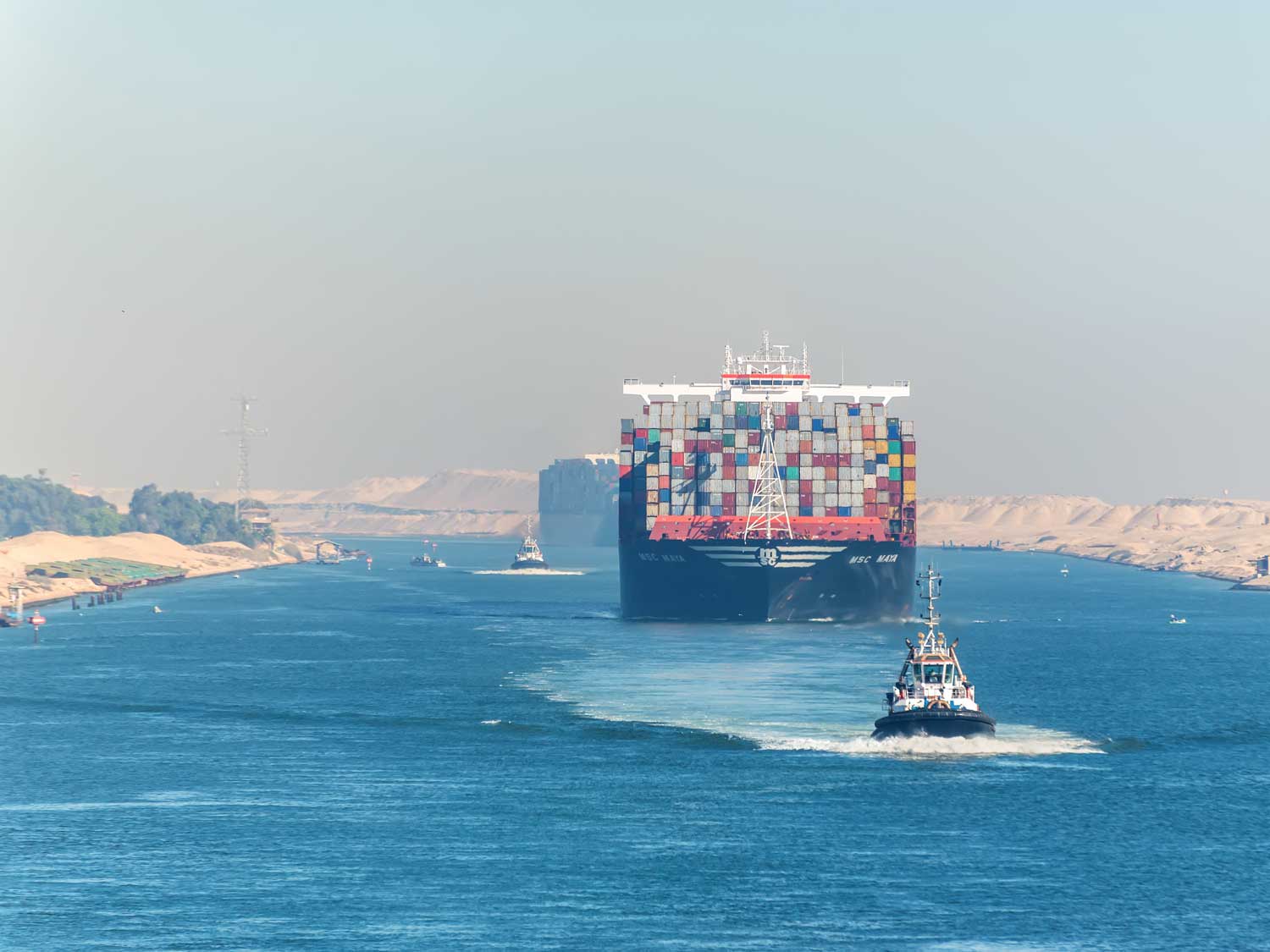
For container lines, this effectively rules out a return to Suez Canal routings before 2026 — and possibly not until 2027. Rerouting around the Cape of Good Hope adds up to two weeks to Asia–Europe journeys, pushing up costs and insurance premiums, and putting additional strain on fleet capacity. The Red Sea instability has been a reminder of how localised conflicts can have global consequences for supply chains.

4. Logistics skills shortages persist
The UK continues to face a significant shortfall in logistics skills, with the Road Haulage Association estimating a deficit of around 50,000 HGV drivers. The ONS also reports 6,000 fewer courier and delivery drivers than the previous year. With 55% of HGV drivers aged between 50 and 65, the demographic imbalance remains a long-term concern.

Factors include reduced access to EU workers post-Brexit, poor industry perception, and limited uptake of government training schemes. Although the crisis is not as acute as during the height of the pandemic, the ageing workforce and lack of young entrants mean structural shortages will continue. Rising wage costs, recruitment struggles, and bottlenecks in road transport all add to the burden on UK supply chains.

5. EV shipping challenges raise alarm
The growth of electric vehicle (EV) trade has created new safety risks at sea. Several high-profile fires on car carriers have been linked to lithium-ion batteries, sparking concern among insurers, regulators, and shipowners. Insurers are pushing for tougher loading protocols, enhanced crew training, and more advanced fire suppression systems.

For supply chains, this adds cost and complexity to automotive logistics, with carriers facing higher insurance premiums and the need to retrofit vessels. It is also slowing the momentum of EV exports, just as demand for cleaner vehicles accelerates globally.

6. Sustainability regulations tighten
Sustainability regulation is reshaping procurement strategies. The EU’s Carbon Border Adjustment Mechanism (CBAM) is beginning to impact trade in carbon-intensive products such as steel, aluminium, and cement, with importers required to report embedded emissions.

At the same time, sustainable aviation fuel (SAF) is moving toward a tipping point. UK and EU mandates are pushing airlines to integrate SAF into their fuel mix, with new investments underway to scale production.

While tariffs and geopolitics grab headlines, sustainability is quietly becoming a decisive factor in supplier choice, cost structures, and long-term resilience planning. For many organisations, compliance with emissions and ESG frameworks is no longer optional but critical.

Outlook
H1 2025 has exposed the vulnerability of supply chains to political shocks, armed conflict, safety risks, and structural labour shortages. Tariffs, alliances, and attacks have disrupted networks, while long-term challenges around sustainability and skills remain unresolved.

The message for supply chain leaders is clear: resilience, agility, and visibility will be critical in the second half of 2025, as disruption becomes the new normal.

H1 2025 has underlined how vulnerable global supply chains have become and staying ahead demands visibility, expertise, and a trusted partner by your side.

Metro’s account management team works proactively with customers to anticipate risks, share insights, and design solutions that are resilient and adaptable to change.

Our expertise encompasses dangerous goods and lithium battery shipping, customs, and multimodal freight, backed by a strong people strategy that includes apprenticeships, engagement programmes, and our Great Place to Work certification.

We are also leading the way on sustainability. Metro has been carbon neutral for five years, pioneering the use of Sustainable Aviation Fuel (SAF), while our MVT ECO platform helps businesses forecast, measure, and offset emissions across their global supply chains.

EMAIL Andrew Smith, Managing Director, to learn how Metro can build resilience into your supply chain.