General Red Sea Update

General Red Sea Update

The US and UK carried out eight strikes on Houthi targets in Yemen on Monday, as the Iran-aligned armed group continues to target commercial shipping in the Red Sea, with no sign that the conflict will de-escalate anytime soon.

While many hoped that the situation in the Red Sea might be a short-lived crisis, it is edging closer to the challenges that global supply chains faced during the COVID-19 pandemic. 

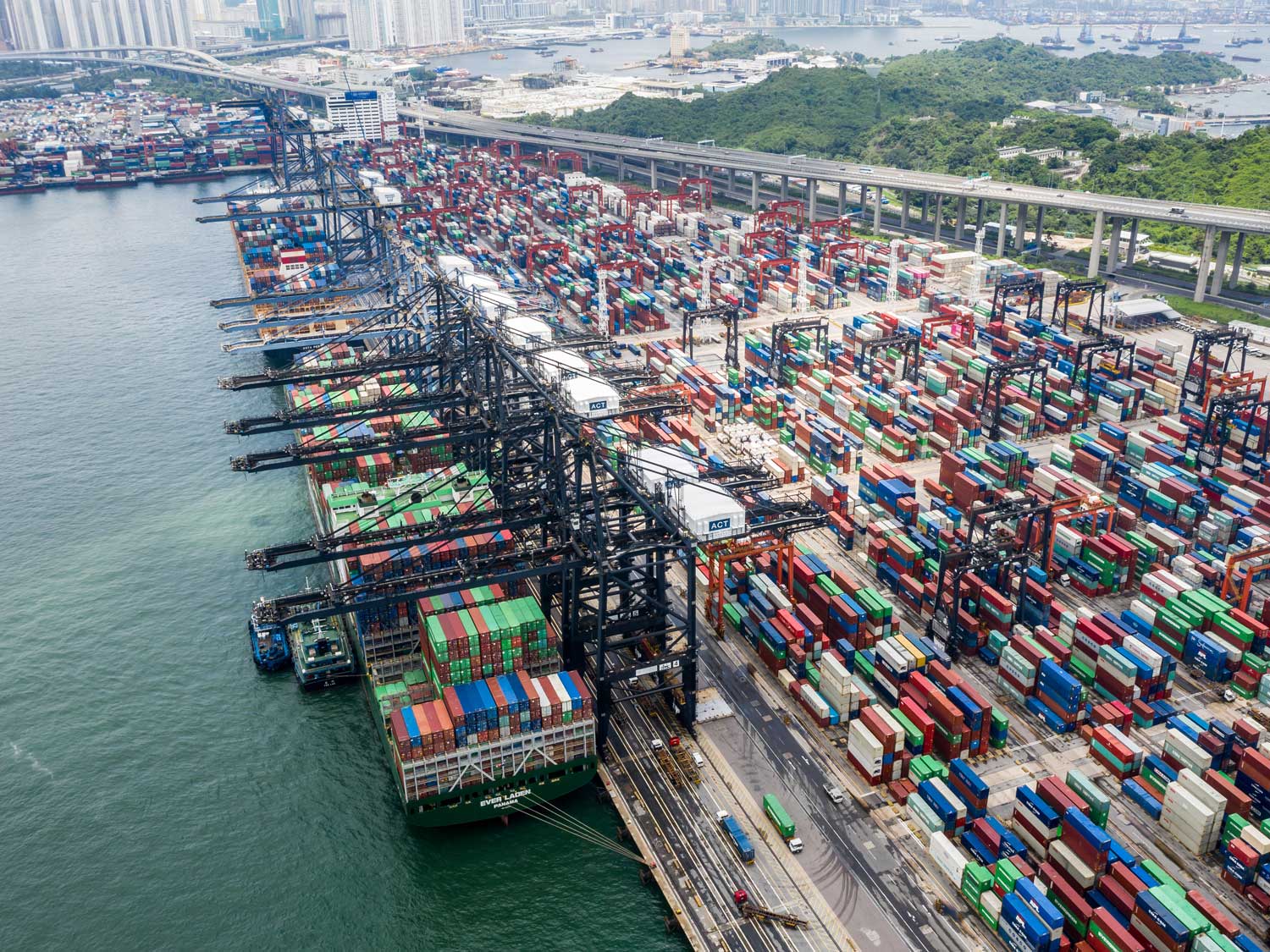
The ripple effects caused by the necessity of re-routing around 90% of all container ships from Asia around the Cape of Good Hope are immense. Analyst Sea-Intelligence are concluding that the vessel capacity drop is the second largest after the ‘Ever Given’ got stuck in the Suez Canal for six days during March 2021. 

With 10+ days added to the normal transit the drop in available capacity has sent freight rates rocketing, with container equipment challenges growing and expected to become far more difficult in the run up to the Chinese lunar new year. 

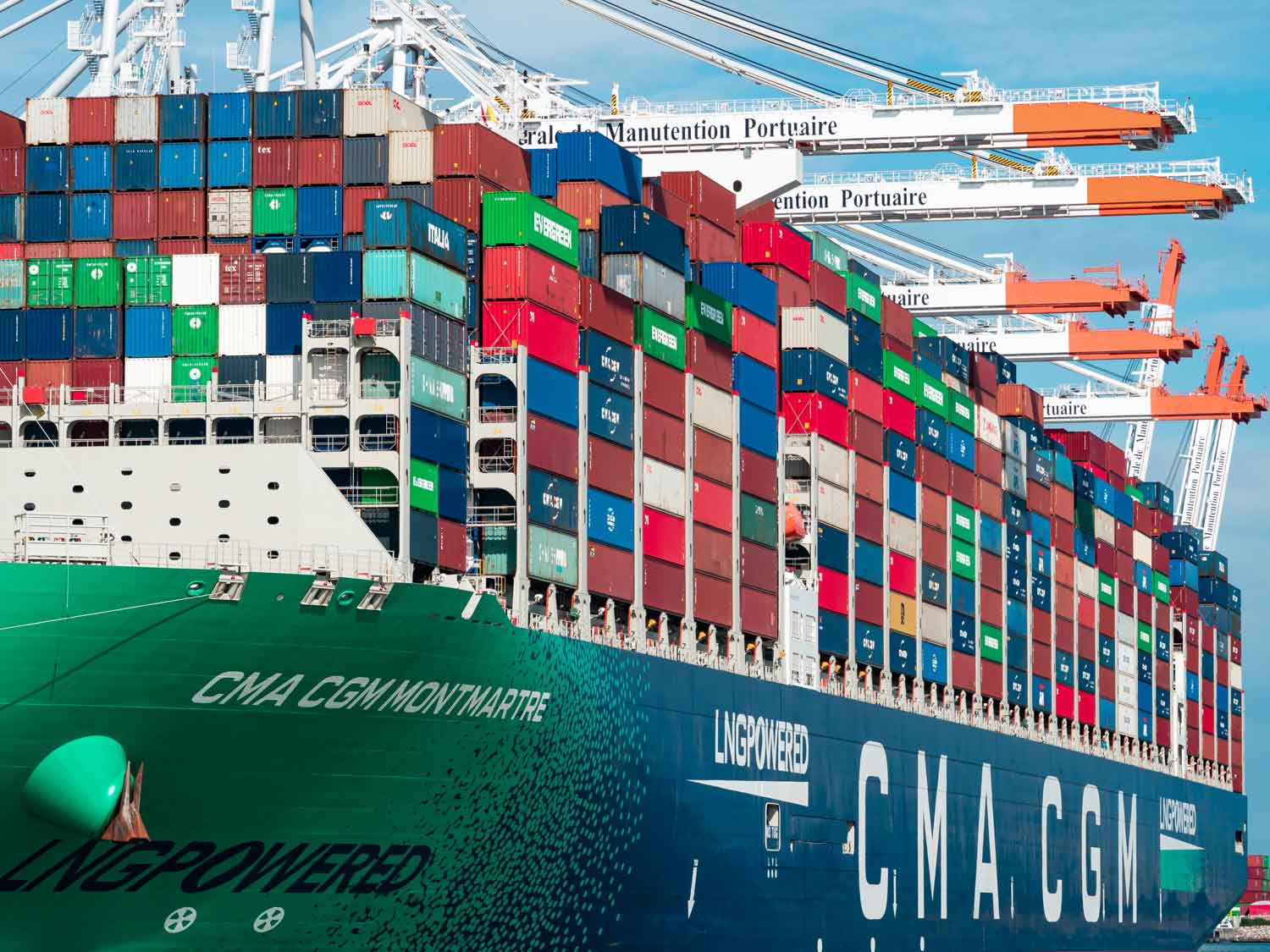
CMA CGM, the world’s third-largest carrier, announced an empty container imbalance surcharge of $100 per unit on top of similar equipment surcharges out of Turkey to the Mediterranean and North Africa announced last week.

There is one significant difference between now and the Ever Given situation and the pandemic, which is demand is lower and the shipping lines have injected significant capacity to maintain services. 

The Ever Given disruption occurred during a period of scarce capacity and historic peak demand, which was why rates skyrocketed and while we aren’t currently at those highs, the recent rate surge is noticeable in the short term.

The current delays and projected longer transit times are already impacting manufacturers across the globe, with many forced to halt production due to shipment delays, while many retailers have warned of product delays and cost increases. 

The next two-to-three weeks could be interesting, with bunched vessels arriving at the main ports, potentially triggering port delays driver shortages and cargo build-ups at warehouses.

The window for booking air freight ahead of Chinese New Year is closing and vessels are quickly filling, which is why we would urge you for your shipping deadlines, so that we can book your space and services at the best possible rates. 

Sharing forecasts for your forthcoming movements is an essential tool in managing your freight and expectations, and reserving the equipment you need, when you need it. 

If you have any questions or concerns about the impact of the Suez situation on your Asia supply chain, or would like to discuss its wider implications, please EMAIL our Chief Commercial Officer, Andy Smith.

Economic impact of Suez Canal diversions

Economic impact of Suez Canal diversions

For the UK and Europe fears are growing that any prolonged denial of access to the Suez Canal could impact faltering economies and derail plans to start cutting interest rates later this year.

Despite the confidence of European and UK central banks, uncertainties about the Red Sea crisis’ impact remain and prolonged denial of access to the Suez Canal could derail plans to start cutting interest rates this year.

No major impact from the Houthi attacks in the Red Sea has yet turned up in main economic indicators, including December inflation numbers, which ticked up only slightly.

The global economy is still performing below par, suggesting plenty of slack around the system.

Oil prices were the most obvious commodity to hit economies in Europe and beyond, but they haven’t surged because supplies haven’t been impacted and demand is slowing.

Less sanguine, the World Bank says the Middle East crisis, with the war in Ukraine, could still lead to surging energy prices, with broader implications for global activity and inflation.

Bangladesh is the world’s second-largest apparel exporter and garments are its main foreign currency earner. Ocean freight rates have gone up 40% from Chittagong to Europe and America, as a direct result of the security crisis in the Red Sea, with fears growing that buyers will begin to look for alternative sourcing.

Sea freight rates from India to the UK and Europe are up an astonishing 500% and there are some signs that the extended equipment turnarounds are leading to equipment scarcity, with fewer 40’ HC empties at busy ports, including Mundra and some inland container depots in northern India.  

Oxford Economics estimates that gains in container transport prices would add just 0.6% to UK inflation in a year. The ECB is expecting Euro zone inflation to fall from 5.4% in 2023 to 2.7% this year, with the BoE expecting UK inflation to average 2.4% in 2024, which suggests that a sustained closure of the Red Sea wouldn’t prevent inflation from falling, though it would slow the speed at which it returns to normal.

In the longer term, some companies may advance plans for alternative, more predictable supply routes, which could involve longer but more secure trade paths or “near-shoring” to bring production closer. 

Whichever options are considered, the likelihood is they will involve higher costs, and supply chain risk by its very nature is unpredictable.

Metro support our customers continuing success, by protecting their supply chains, with innovation and resilience, whatever the economic or operational challenges.  

Our unique blend of experience, systems and processes means that we can react quickly to overcome challenges or exploit opportunities; optimising global inventory, reducing costs and streamlining the supply chain. 

Please EMAIL Andy Smith to discuss how we can optimise your supply chain and help you overcome the issues you currently face.

Supply chain; a year in review

Supply chain; a year in review

2023 was supposed to be the year that global supply chains bounced back from pandemic lockdowns and factory shutdowns, trade wars, tariffs and war in Europe, but now container shipping is disrupted by attacks in the Red Sea and restrictions on the Panama Canal.

The COVID pandemic and its aftermath, with supply-side fluctuations, shipping delays and port congestion created a logistics storm so brutal that many wondered if supply chains would ever recover.

The dramatic increase in consumer spending during the pandemic that left shippers scrambling for air, road and sea space, quickly fell away at the beginning of the year as consumers faced potential recession and a cost of living crisis.

That fall in demand provided the breathing space for carriers and ports to resolve their capacity and performance issues, clear backlogs and reposition equipment effectively, with markets reverting to pre-pandemic levels in terms of capacity and pricing.

The uncertainties surrounding tariffs, trade wars and geopolitical tensions remain, but there has been no significant move away from China, though we are seeing some diversification of sourcing, with Vietnam and Bangladesh – among other origins – increasingly popular.

While container shipping demand fell away the global shortage of RoRo capacity for finished vehicle shipments led to some car manufacturers to acquire their own vessel assets, while others looked to our containerised shipping solutions, for cheaper sea freight movement and certainty of service.

On the air freight front, having joined the Air France, KLM, Martinair Cargo Sustainable Aviation Fuel (SAF) programme in 2022, we were extremely pleased to support their second sustainable flight challenge in the summer, which was followed a few months later by the first transatlantic SAF-powered crossing, accelerating the transition to a more sustainable airline industry.

Metro’s road freight division has grown significantly in 2023, with more team members joining our UK Birmingham HQ and new support operations located close by manufacturing hubs in Desford and Wythenshawe.

Under new leadership the road freight team have increased European FTL/LTL capability, adding more lanes and expanded our groupage offering, alongside the increasingly popular European Distribution (EU/DDP) solutions. 

As the UK deferred post-Brexit food checks for the 5th time, to avoid adding to food inflation, the EU expanded its Emissions Trading System to the container shipping sector, in a move that will cost carriers, and by extension shippers, $Billions from the start of 2024.

In a move that took the market by surprise (but shouldn’t have) the European Commission announced that it would not renew the container shipping sector’s Consortia Block Exemption to operating alliances in 2024.

Despite the initial panic, it is likely that the EC’s decision will have little real impact, particularly as the Maersk and MSC 2M alliance was already ending, with the others likely to reorganise into new structures.

With 2024 just weeks away, scheduled Trans-Pacific and Asia to North Europe container shipping capacity was up 30% and 10%, raising fears of a massive blank sailing program to try and support rates, but now, with the Suez Canal transit suspended and Panama Canal disruption, we may see increased rates and delays, with air freight’s popularity rising.

We are hopeful that the US and coalition navies can restore maritime security quickly, because the prolonged re-routing of vessels away from the Suez Canal, via the Cape of Good Hope will increase transit times and costs, with a massive reduction in available capacity and a return to equipment imbalances.

Whatever challenges 2024 may bring, you can rest assured that we will keep you informed and protected, because we always have your back covered.

Manufacturing costs highest in 30 years

Manufacturing costs highest in 30 years

UK manufacturers continue to face a challenging operating environment, with stretched supply chains, disrupted production schedules and increasing component and raw material prices.

The manufacturing sector saw growth slow down last month, with surging material costs and staff shortages, according to the IHS Markit/CIPS Purchasing Managers Index (PMI), despite rates of expansion in output and new orders gaining some traction.

According to the latest PMI release, manufacturers continue to face a challenging operating environment, as the demands on supply chains disrupt production schedules and drive up input prices to the greatest extent in the survey’s 30-year history.

The release showed all five of the PMI components had a positive influence, as production, new orders, employment and stocks of purchases rose and supplier lead times lengthened.

Output increased for the eighteenth month running in November, with improved new work intakes – especially from the domestic market – and efforts to build safety stocks supported increased output.

Exports dropped for the third month in a row, with reports of weaker demand from China, disruption to trade with the EU and the cancellation of some orders due to extended lead times. Which isn’t good reading for UK manufacturing.

Prior to news of the Omicron variant breaking, business optimism had risen to a three-month high, linked to Covid recovery, economic growth, new product launches, planned marketing campaigns, business expansions, diversification, innovation, and reduced supply chain stress.

Whilst some manufacturers are reassessing existing supply chains, finding new suppliers and more direct routes to source, most are challenged by global supply chains, components shortages and logistics availability.

The strain on supply chains also led to further substantial lengthening of lead times. This resulted in shortages of components and commodities, combined with input demand outstripping supply, led to a survey record increase in average purchase prices. 

Around three-quarters of manufacturers reported a rise, compared to less than 1% seeing a fall. Cost and market pressures also affected selling prices, which rose at a rate close to October’s series-record.

About 74% of supply chain managers paid more for their goods in November, as prices charged also accelerated at a rapid pace, raising fears that the UK economy could over inflate if supply chain disruption doesn’t subside in the first quarter of 2022.

But with ocean carriers cherry-picking the largest-volume shippers and locking them into multi-year deals, with the largest increases recorded, consumers are likely to see more price increases filter through.

Capacity also remained stretched at UK manufacturers during November, with backlogs of work reaching a near record high. This supported further job creation in the sector, with employment rising for the eleventh month running and at the quickest pace since August.

Duncan Brock, group director at CIPS, said most manufacturers felt conditions would improve, despite rising inflation and the highest recorded fuel levels.

“With more success in finding skilled labour they are preparing for supply chain issues to even out and for price rises to subside,” he said.

However you assess the situation, the only conclusion can be it isn’t easy and it doesn’t look likely to get any easier for the foreseeable future. But Metro can assist in softening the impact.

The supply chains challenges we continue to overcome, from origin to destination, and the elevated freight rates experienced across all modes, will continue into next year, without much compromise expected.

We make it our key mission to recognise our customers situation, needs and expectations, so that we can manage outcomes, in line with their business objectives.

With a thorough knowledge of what is needed, we can identify the most effective service options, to design optimised logistics, transport and supply chain solutions, that represent the best available in the current market.

We encourage an engaged and collaborative partnership approach, with all of our customers. For further information and to discuss your ongoing requirements, please contact Elliot Carlile or Grant Liddell.