Antwerp

ICS2 Phase 2: What you need to know and how we can help

On 4th December 2024, Phase 2 of the Import Control System 2 (ICS2) was deployed, requiring maritime and inland waterways house-level filers, including Metro, to directly submit detailed safety and security data to EU customs authorities.

ICS2 is the EU’s advanced customs system designed to enhance supply chain security and facilitate smooth trade across its external borders. By collecting and analysing cargo data in advance, ICS2 allows customs authorities to identify risks early, ensuring efficient processing of low-risk goods while prioritising inspections for high-risk consignments.

Key benefits of ICS2

ICS2 streamlines customs procedures while securing the supply chain by:
Proactively identifying high-risk consignments for early intervention.
Reducing delays and costs through faster and smoother cross-border clearance.
Simplifying data exchange between Economic Operators (EOs) and customs authorities.

Enhanced data requirements
To comply with ICS2, all exporters and logistics providers must provide comprehensive data via the Entry Summary Declaration (ENS), including:

6-digit Harmonised System Code.
Commercial descriptions of goods.
EU-registered EORI numbers.

Complete details of the seller, buyer, and consignee.Prompt submission of this data enables accurate risk assessments, helping to avoid shipment delays.

ENS filing timelines

For maritime transport, ENS submissions must adhere to strict timelines:
1. Two hours before arrival at the first EU port of entry for goods from nearby regions (e.g., Greenland, Morocco, or the Mediterranean) with journeys under 24 hours.
2. Four hours before arrival for bulk cargo in other cases.
3. 24 hours before loading for containerised cargo on longer journeys.

Please note, some carriers may require submissions earlier, such as 24 hours before the estimated time of arrival (ETA) at the port of departure.

Implementation timeline
ICS2 is being deployed in three stages:

1.3rd June 2024: Maritime and inland waterways carriers.
2.4th December 2024: Maritime and inland waterways house-level filers.
3.1st April 2025: Road and rail carriers.

Since 4th December, Metro has been filing directly with EU customs authorities, ensuring compliance and early clearance of shipments. Non-compliance or incomplete ENS submissions can result in shipment delays, stops, and fines.

How we support your compliance

To simplify your compliance with ICS2 Phase 2, we’ve adapted our CuDoS customs brokerage platform to integrate seamlessly with the Shared Trader Interface (STI). This ensures your shipments are cleared early in the process, avoiding costly disruptions.

Our dedicated brokerage team is here to:
Guide you through ICS2 requirements.
Assist with data provision and ENS submissions.
Provide comprehensive support for import and export documentation across the EU.

Don’t let delays or penalties impact your operations. EMAIL Andy Fitchett today to learn how we can help ensure a seamless transition to ICS2 Phase 2 and keep your supply chain moving smoothly.

car mirror 1440x1080 1

2024: Reflecting on a Dynamic Year in Global Supply Chains

As 2024 comes to an end, we look back at a year filled with extraordinary events that shaped the global supply chain landscape. From geopolitical challenges to shifts in logistics trends, the past year has underscored the importance of resilience, adaptability, and innovation in our industry.

Here are just a few of the major supply chain developments we covered and that defined 2024:

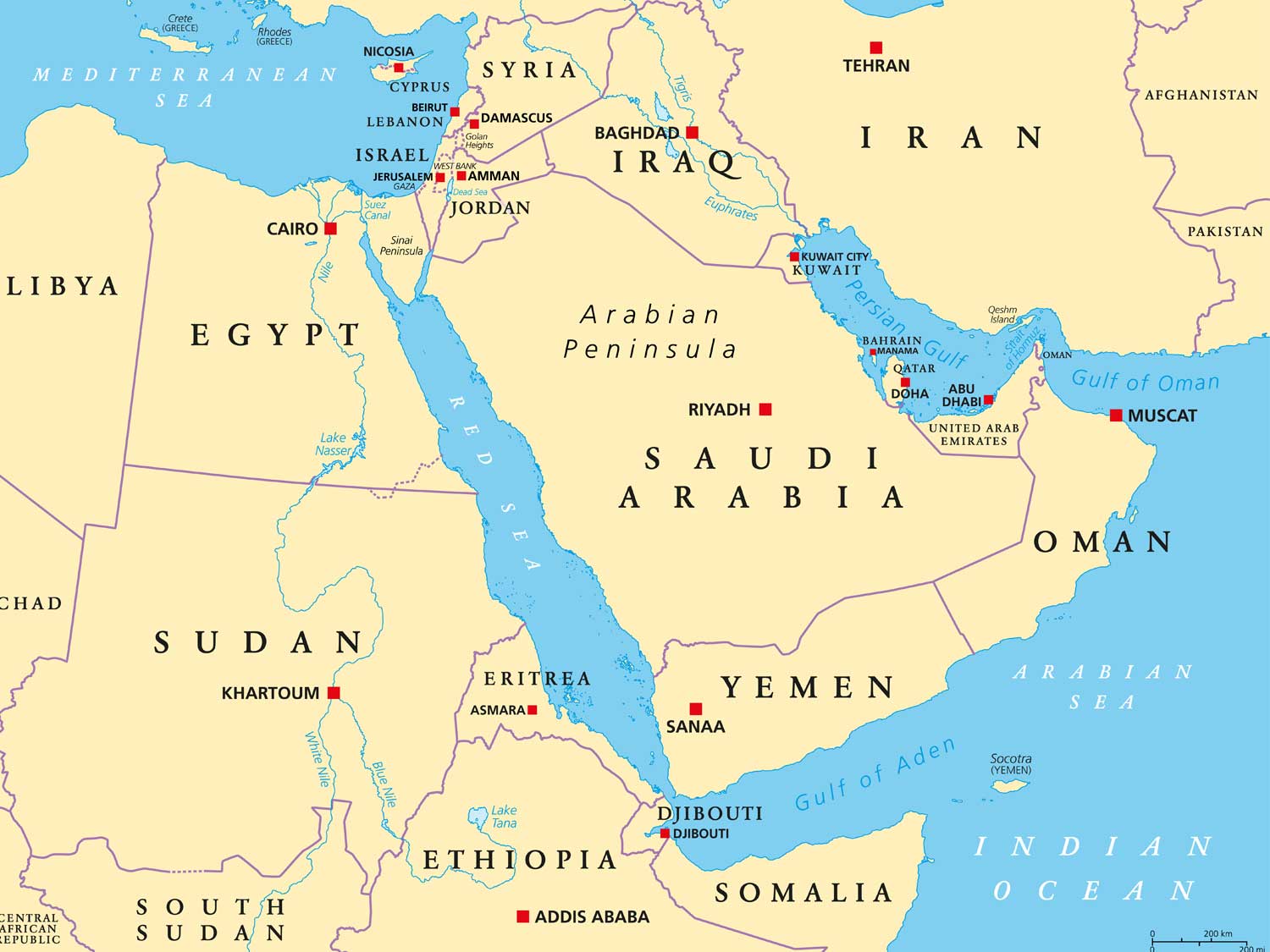
Houthi attacks in the Red Sea: The crisis continues, forcing vessels to divert around the southern tip of Africa, creating new delays and challenges for global trade.

Global RoRo capacity shortages: The shipping of automobiles was heavily impacted as carriers grappled with fleet reductions from the pandemic.

Labour unrest: Strikes surged 42% year-over-year, including a six-week standstill at the Ports of Los Angeles and Long Beach.

Port of Baltimore closure: The collision and collapse of the Francis Scott Key Bridge caused a three-month disruption.

eCommerce growth: Air freight demand soared on Asia-North America lanes as online shopping reached new heights.

ILA strike: A three-day US East Coast dockworker strike in October highlighted ongoing tensions over automation, with another strike looming in January 2025.

Global reefer shortages: The demand for refrigerated containers remains unmet, impacting perishable goods transport.

Political shifts: The re-election of Donald Trump signals potential changes in trade policies, with protectionism and tariffs on the horizon.

Shipping alliances: New alliances reshaped container shipping routes, including Maersk’s departure from Felixstowe.

Metro’s Highlights

2024 was also a year of achievements for Metro Shipping:

Air Freight Business of the Year: We were proud to receive this accolade at the Logistics UK Awards.

Road freight expansion: Our growing road freight division continues to support our clients’ evolving needs.

Publishing sector portfolio launch: We introduced tailored logistics solutions for the publishing industry.

Great Place to Work: Metro was officially accredited, reflecting our commitment to a positive and empowering workplace culture.

As we get ready to step into 2025, we are prepared to face challenges head-on, supporting our customers with expert insights, seamless operations, and innovative solutions.

Thank you for your trust and partnership in 2024.

Wishing you a wonderful holiday season and a successful year ahead.

food study

Air freight situation and outlook for 2025

Global air freight market continues to experience robust growth, driven by eCommerce and the peak season, but faces capacity constraints due to reduced belly cargo capacity and a limited supply of wide-body freighters, particularly on key trade routes.

Demand rose 10% year on year in November, marking the 13th consecutive month of double-digit growth. However, capacity has only increased by 2%, pushing the cargo load factor to its highest level in over 30 months at 63%, with average spot rates 22% up year-on-year.

Regional performance
Europe: Transatlantic rates have risen due to capacity cuts in freighter and belly cargo availability, coinciding with the winter season. European imports from the Middle East remain strong, driven by sea-air volumes and Red Sea disruptions.

Asia: Air freight demand is set for double-digit growth in key lanes, particularly between North Asia and Europe, despite elevated rates and tight capacity. The anticipated cargo rush to avoid new US tariffs has not yet materialised, but demand remains buoyant.

Americas: The US is grappling with capacity challenges stemming from South America congestion and redirected EU-to-AML routes. Port strikes in Canada have slightly increased air freight demand, adding further pressure to regional supply chains.

Outlook for 2025
Global air cargo volumes are projected to rise by 5.8% year on year in 2025, reaching 72.5 million tonnes. This growth will be supported by booming eCommerce originating in Asia, although any changes by the U.S. to the current ‘de minimis’ thresholds, could have a profound impact.

Geopolitical uncertainty will continue to play a significant role in shaping air freight dynamics. The Red Sea crisis is expected to persist, influencing routing decisions and costs. Potential tariff changes in the United States could impact trade volumes, though benefits from deregulation under a business-friendly administration may offset some of the negative effects.

Rates and capacity
Air freight rates are likely to remain elevated if demand continues to outpace capacity. Airlines are responding with rate increases and expanding dedicated services to key regions. For example, Air China has announced rate adjustments, reflecting confidence in the strength of the market.

Global available cargo tonne-kilometres (ACTKs) are expected to grow gradually, though at a decelerating rate. Capacity expansion remains constrained by limited availability of freighters and reduced belly cargo options on key routes.

The air freight market is poised for continued growth in 2025, bolstered by strong demand from eCommerce and evolving trade dynamics, while challenges such as capacity constraints and geopolitical uncertainties remain.

For urgent and sensitive shipments, Metro offers tailored airfreight, charter, and sea/air solutions. With block space agreements (BSA) and capacity purchase agreements (CPA), we guarantee space and competitive rates on the busiest routes.

Our Birmingham International Hub and partnerships with regional airports provide significant time and cost benefits, while our global network ensures agility in a dynamic market.

Whatever your cargo size, type, or deadline, we deliver the best rate and service combinations to meet your needs.

EMAIL Elliot Carlile, Operations Director, for insights and pricing today.

container ships

Sea freight situation and outlook for 2025

With 2024 characterised by elevated freight rates and fluctuating dynamics, the container shipping lines have emerged as the primary financial beneficiaries, leveraging rate increases and stabilisation efforts to maintain profitability.

The outlook for 2025 presents a mixed landscape of opportunities and challenges, driven by shifting demand patterns, increased capacity, and geopolitical uncertainties.

Current market dynamics
Freight rates remain significantly above pre-crisis levels. Despite a gradual downward trend in global head-haul rates, the market has stabilised, suggesting a potential period of relative equilibrium in the coming quarters. 

Recent general rate increases (GRIs) by Asia-Europe carriers have demonstrated success, with rates on key routes from Asia to Europe rising by over 20%.

These elevated rates are expected to persist until the Chinese New Year in late January 2025. However, the seasonal decline in demand and the introduction of new alliance networks in February may present an opportunity for shippers.

Supply chain and capacity dynamics
Global shipping capacity grew by nearly 5% in Q3 2024, supported by minimal fleet idling and increased vessel activity. Ships previously affected by Suez Canal disruptions have returned to regular service, further bolstering capacity.

Nevertheless, the risk of overcapacity looms large. Continued vessel deliveries, combined with low scrappage rates, may necessitate fleet rationalisation if demand weakens. Carriers remain bullish, adding capacity to secure competitive positioning despite potential imbalances.

Outlook for 2025
The sea freight market in 2025 is expected to face moderate demand growth, projected at around 3-4%, though low consumer confidence and increased import tariffs in key markets, particularly the United States, may temper this growth. Additionally, manufacturing indices in major regions, including China and Europe remain suppressed limiting demand potential.

Geopolitical uncertainties will continue to shape the market. Ongoing negotiations in U.S. East and Gulf ports could lead to disruptions if unresolved by the 15th January 2025, while tensions in the Red Sea pose potential risks to key shipping routes.

Trade policy remains a critical factor, with proposed tariff increases in the United States potentially reshaping containerised cargo flows, particularly on Asian export routes. Meanwhile, the temporary rerouting of vessels around the Cape of Good Hope has absorbed some capacity, but a return to normal operations through the Suez Canal could intensify supply-demand imbalances.

As geopolitical risks and market disruptions continue to loom over the industry, maintaining resilient supply chains and budgeting effectively will be key priorities for shippers navigating the complexities of 2025’s sea freight landscape.

In a volatile sea freight market, our fixed-rate agreements on popular shipping routes reduce risk and provide essential budgetary certainty. 

To explore how Metro’s fixed-rate options could support your business in 2025, please EMAIL chief commercial officer Andy Smith.