Graph and pound coins 1440x960 1

A Quiet Week in finance…

When we sit down to discuss the latest article on recent happenings in the financial world and their impact on the supply chain and the businesses that operate in this sector, we find no shortage of topics.

We could discuss the upcoming changes to Employer NIC rates, where the amount paid on behalf of employees increases from 13.8% to 15%, as well as the reduction in the secondary threshold from £9,100 to £5,000 per year, leading to higher payroll costs soon to be borne by companies.

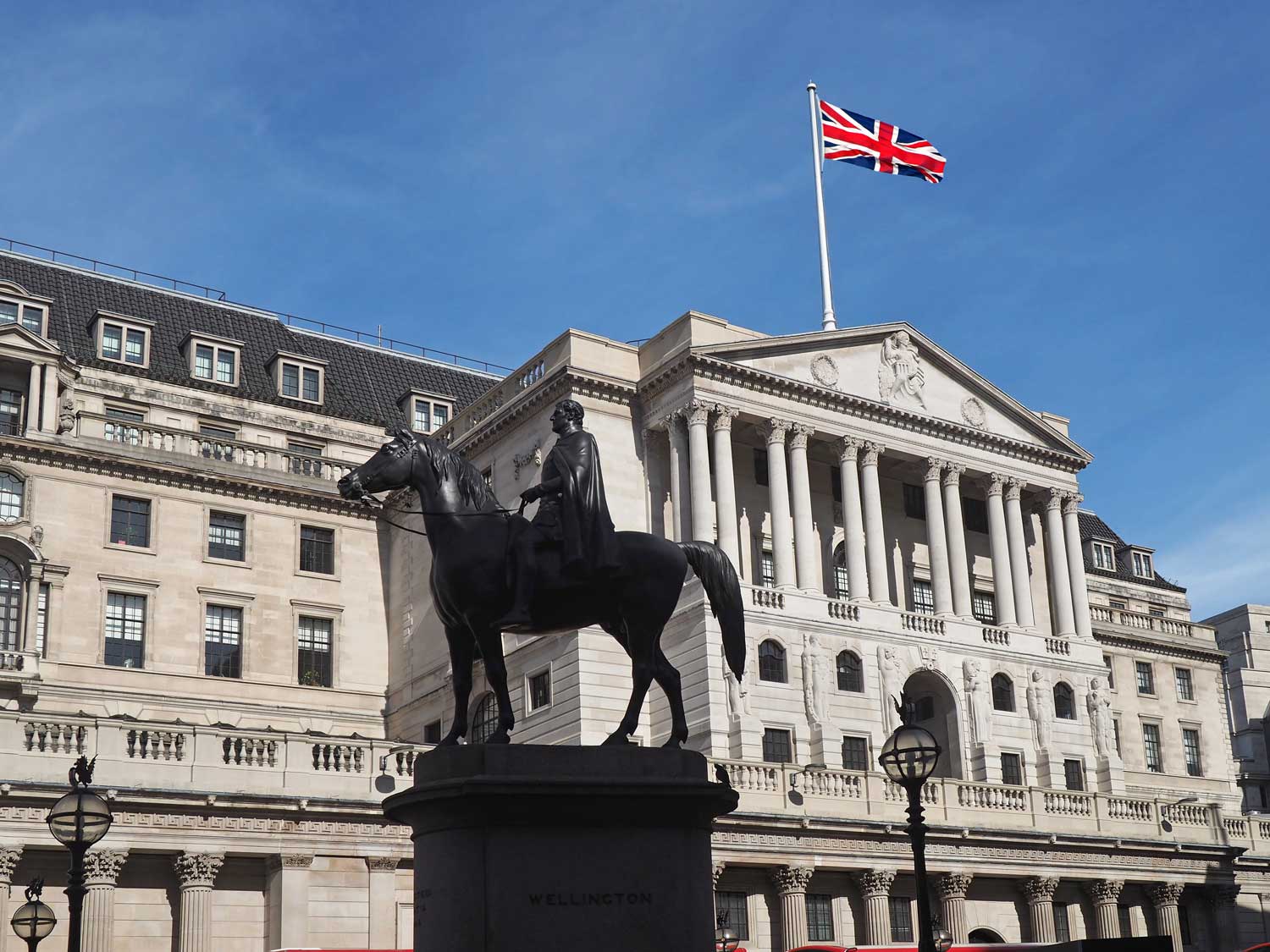
We could also discuss the upcoming Bank of England meetings set to be held on March 20, May 8, June 19, and August 7, with further meetings in September, November, and December. Whilst economists tell us several interest rate cuts may happen throughout 2025, the next cut is reportedly unlikely to happen at the upcoming meeting on March 20. Economists predict the BoE will likely reduce rates in May, with further cuts later in the year.

If time and space allowed, we could discuss the return of a familiar face in Mark Carney as the Prime Minister of Canada and the immediate challenges he faces, including a trade war with the US. Carney aims to pursue fiscal responsibility and social justice while forging new trading relationships, leveraging his crisis management experience to counter Trump’s hostilities.

Trade wars and tariff discussions are not limited to Canada. At the time of writing, Trump has introduced a 25% tariff on all steel and aluminium imports from around the world, as well as 25% tariffs on other imports from Mexico and a 20% levy on Chinese goods.

Retaliation has followed, with the EU targeting US goods worth a reported £22bn. These tariffs, covering products ranging from boats to bourbon to motorbikes, will start on April 1 and be fully in place by April 13. It is reported that American distillers are rushing to ship as much whiskey as possible to the EU before the above 50% tariff takes effect.

On the other side of the Atlantic, we could discuss Europe’s anticipated defence spending, which could provide an economic boost and reduce the need for the ECB to provide financial support. If we had time, we could also discuss the strengthening of the EURO, which is currently one of the top performers among G10 currencies. Increased fiscal spending and the potential end to the Ukraine war, alongside uncertainty in the US, where renewed recession fears have emerged, have led to improved sentiment toward both the EUR and GBP, causing the swift rise back to 1.29.

There are lots of things we could write about in this forum, or you could reach out to us on any specific topic, and we can discuss how any of the above may impact you and your business specifically.

EMAIL Laurence Burford, Chief Financial Officer.

Rollercoaster 1440x1080 1

The Roller Coaster Ride Continues

The foreign exchange (FX) market has always been highly sensitive to political and economic events, and 2025 has been no exception. Recent data releases on both sides of the Atlantic have fuelled fluctuations in the GBP to USD exchange rate, making for a volatile start to the year.

Over the past few weeks, GBP/USD has oscillated between periods of relative stability and significant movement. As of the time of writing, the exchange rate stands at approximately 1.26 USD per GBP, a notable rebound from the early January lows of 1.21, with some vessel exchange rates even dipping to 1.19 or lower.

The Fall: Early January 2025
Several factors contributed to the pound’s decline against the dollar in early 2025:

  • US economic strength: Strong job growth and retail sales supported the USD, increasing investor confidence and driving dollar appreciation.
  • Interest rate policies: The Federal Reserve’s decision to maintain interest rates, alongside a more cautious stance from the Bank of England, weighed on the pound.
  • Weak UK economic data: Lower-than-expected GDP growth and disappointing retail sales figures further eroded confidence in the pound, leading to increased pressure on GBP/USD.

The Rebound: Post 18th January 2025
A reversal in fortunes saw GBP/USD recover from its lows, supported by a shift in economic and political dynamics:

  • Improved UK economic indicators: Better-than-expected GDP growth and strong retail sales provided a much-needed boost to sterling.
  • Mixed US economic data: A slowdown in US retail sales and concerns about weakening consumer demand cast doubt over the sustainability of the dollar’s strength.
  • US political uncertainty: The shifting political landscape in the US, particularly discussions around fiscal policies and trade relations, increased market uncertainty. Trump’s renewed focus on reciprocal tariffs has raised concerns over trade disruptions, denting investor confidence in the USD.

Navigating Volatility
The recent GBP/USD fluctuations illustrate how tariff speculations, economic releases, and political developments can significantly impact FX markets. While trade concerns remain a major driver of sentiment, broader macroeconomic conditions and monetary policy decisions are also playing a crucial role in shaping currency movements.

Investors and traders will continue to monitor key data releases, central bank signals, and policy announcements to navigate what remains an uncertain and fast-moving market.

Market Outlook
Looking ahead, the GBP/USD exchange rate is likely to remain highly sensitive to economic data, political shifts, and central bank policies. The interplay between economic fundamentals and policy decisions will continue to drive currency volatility, with no signs of simplification in sight.

Staying ahead of exchange rate movements can make all the difference to your business and while no one can predict the future of FX movements, at Metro we continuously monitor market trends, trade policies, and economic shifts to help businesses mitigate risks and seize opportunities.

By closely tracking currency fluctuations and global trade indicators, we provide insights that empower you to make the informed, strategic decisions that will protect your supply chain.

EMAIL Laurence Burford, Chief Financial Officer, for personalised insights and recommendations.

Stressed businessman 1440x1080 1

Seven supply chain shocks in seven weeks

Just seven weeks into 2025, global supply chains have already faced a whirlwind of challenges.

From industrial action to trade barriers and shifting alliances, businesses must stay agile to navigate ongoing disruptions. Here are seven of the most impactful developments so far this year.

1. US east coast port strike averted (8th January)
A major disruption was narrowly avoided as the International Longshoremen’s Association (ILA) and United States Maritime Alliance (USMX) reached a tentative six-year agreement. The deal, approved on 7 February, prevented a strike that could have crippled US east coast ports for months. A final vote on 25 February will confirm its ratification.

2. Uncertainty over Suez Canal return (19th January)
Despite a fragile ceasefire in Gaza, container ships will not be returning to the Red Sea anytime soon. Carriers remain cautious, fearing renewed instability and prioritising the established Cape of Good Hope diversions. Even if ships do resume transit, severe disruption is expected, with schedules taking up to two months to stabilise.

3. Trump’s trade policies spark concerns (20th January)
Following his inauguration, President Trump swiftly reignited trade tensions, threatening tariffs on Colombia, China, Canada, and Mexico. Proposals include a 25% levy on steel and aluminium from Canada and Mexico, with reciprocal tariffs also being considered for UK imports. The potential trade war could have widespread consequences for global supply chains.

4. US air cargo demand under threat (1st February)
Trump’s decision to impose a 10% tariff on all Chinese imports and temporarily suspend the de minimis exemption for low-value Chinese shipments has sent shockwaves through the air freight sector. While the exemption was reinstated, changes to eCommerce regulations could significantly disrupt air cargo flows into the US, which is expected to receive 1.4 billion eCommerce packages this year.

5. New Asia shipping alliances reshape trade (2nd February)
The long-anticipated shift from three major container alliances (Ocean, THEA, 2M) to four key players (Ocean, Premier, Gemini, MSC) is now in effect. Asia-North Europe scheduled liner capacity will shrink by 11%, yet the number of weekly sailings will increase from 26 to 28. These changes will reshape global shipping networks for years to come.

6. European road freight rates stabilising (4th February)
After three years of decline, European road freight spot rates may have hit their lowest point. According to the European Road Freight Rate Benchmark, spot rates fell just 1% year-on-year in Q4 2024. While demand remains weak, cost pressures have kept rates 15% above pre-pandemic levels, with short-term volatility expected.

7. Carriers cut sailings to stabilise rates (14th February)
Shipping lines are aggressively blanking sailings to ease the transition to new alliance schedules and sustain freight rates. Between 17 February and 23 March, 51 sailings have been cancelled across key east-west trade routes, with February’s cancellations rising to 133 from 104 in January. Further capacity withdrawals and a general rate increase (GRI) could follow if demand fails to recover.

With trade disputes, shipping realignments, and geopolitical instability shaping global supply chains, the first quarter of 2025 has already presented significant challenges.

Staying ahead requires proactive strategy adjustments to mitigate risks and build resilience. That’s why we share these insights and why your Metro account management team is always by your side, ready to provide expert advice, share knowledge, and develop bespoke solutions tailored to your supply chain needs.

For high-level support, EMAIL Andrew Smith, Managing Director.

Bank of England

Fresh Start for UK Trade

The UK economy has faced significant challenges in recent years, impacted by global economic shocks, but signs of recovery are emerging as GDP growth returns, inflation declines, interest rates fall and consumer confidence grows.

Economic projections are indicating a positive outlook, despite some lingering challenges, with GDP growth, consumer spending, business investment, and productivity levels all providing optimism.

– 2024 GDP Growth: Projected to rise to 1.0%
– 2025 GDP Growth: Expected to reach 1.9%, aligning closely with the pre-COVID average growth rate of 2.0% (2010-2019)

Government Priorities
The new government has launched several policy initiatives in their first weeks in office, clearly signalling a focus on economic growth and international trade. A forthcoming Trade White Paper is expected to detail their strategies, potentially aligning with the Industrial Strategy.

– SME Exports: Support for small and medium-sized enterprises to expand their overseas sales
– Free Trade Agreements (FTAs): Emphasising quality over quantity in new agreements
– Market Access: Identifying areas beyond trade deals where the government can reduce market access barriers
– EU and Other Markets: Enhancing cooperation with the EU and other key markets, including the US
– China Strategy: Balancing economic and national interests in a new approach to China
– Response to EU and US Actions: Deciding on the UK’s stance regarding EU and US actions on Chinese electric vehicles

The Outlook
The outlook for the UK economy is improving after a challenging 2023. However, to secure sustainable long-term growth, the government must address the ongoing productivity issues through clear trade and investment strategies. Prioritising economic policies can unlock sustained growth in trade, manufacturing, and exports by bolstering business investment and fostering growth into the next decade.

– Consumer Spending: Expected to drive GDP growth and imports, increasing by 0.8% in 2024 and 2.5% in 2025, due to rising household incomes
– Business Investment: Though weak in 2024, is projected to grow by 1.8% in 2025 as economic activity strengthens

Inflation fell to the Bank of England’s target of 2% in the second quarter of 2024 and is expected to remain stable at 2% in 2025. Correspondingly, the Bank Rate is projected to decrease to a terminal rate of 3.5% in 2025.

By addressing these key areas, the UK can navigate the path to economic recovery and establish a robust foundation for future growth in imports and exports.

In conclusion, the UK economy looks to be on a path to recovery, with government policy initiatives and an upcoming Trade White Paper, to strengthen international trade and economic growth. By focusing on productivity and strategic trade policies, the UK can achieve sustainable long-term growth, enhancing its position in global markets and fostering a resilient economic future.

We continuously monitor and share the latest news on market influences, including currency FX and macroeconomic performance, which can impact our customers’ supply chains.

By closely tracking global trade indicators and money markets, we provide valuable insights to help you mitigate currency fluctuations.

For personalised advice and recommendations, please EMAIL Laurence Burford, our Chief Financial Officer.