Cathay tailfins 1440x1080 1

March Airfreight Surge Sets Stage for Further Growth as US-China Trade Tensions Ease

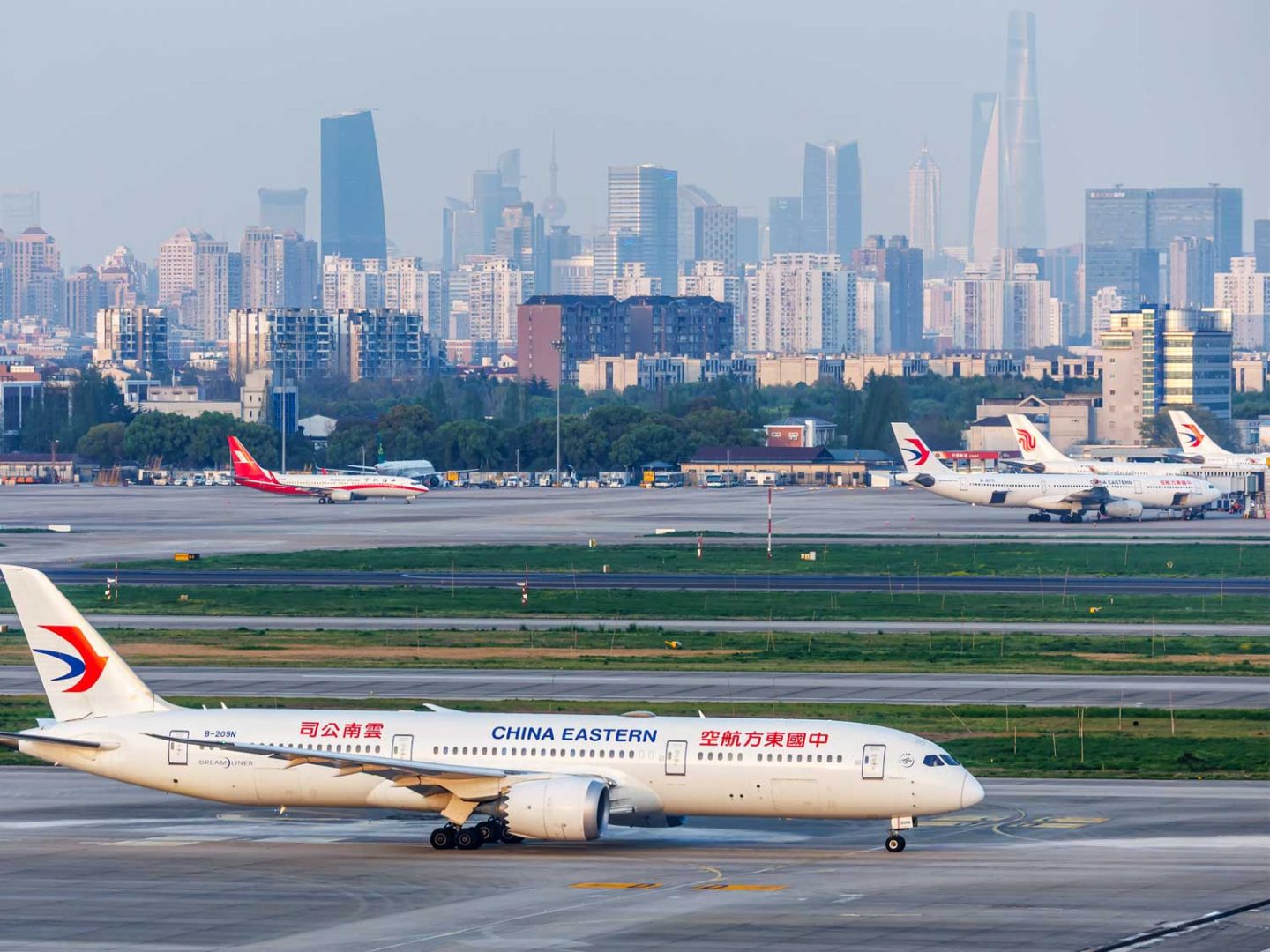
Airfreight markets posted a record performance in March, with particularly strong activity on Asia, US, Europe and UK trade lanes. The surge, driven by shippers front-loading cargo ahead of anticipated US tariffs, has provided a benchmark for what could follow in the months ahead as recent tariff reductions between the US and China hint at a renewed spike in activity.

According to IATA, global demand measured in cargo tonne-kilometres rose by 4.4% year-on-year, with international cargo traffic increasing by 5.5%. Capacity, meanwhile, increased by a similar margin, helping to stabilise load factors despite the sudden surge in volumes. Asia-Pacific carriers led growth with a 9.6% rise in demand and an 11% increase in available capacity. North American airlines recorded a 9.5% increase in volumes, while European carriers posted a more moderate rise.

Asia-North America remained the largest and fastest-growing trade lane by market share, as exporters sought to avoid the sharp rise in tariffs. The Europe-North America route also experienced strong activity and was the busiest overall in March, underpinned by steady intra-European demand which grew by 2%.

The operating environment provided further stimulus, with world industrial output and global trade volumes expanding by just under 3%. Falling energy costs provided additional support, with jet fuel prices down for the ninth consecutive month. Inflation rates also stabilised across key markets, providing additional certainty for international shippers. China’s deflationary environment also showed signs of softening, with the rate improving to just below zero.

The result was a sharp escalation in demand from sectors that rely on rapid supply chains and cannot risk ocean freight delays. Electronics, high fashion, automotive and perishable goods were among the leading commodities contributing to the increased volumes.

The extraordinary March performance may not remain an isolated event. The recent temporary US-China tariff reduction has the potential to trigger another wave of increased airfreight activity.

While the extent of future growth will depend on how negotiations between the world’s two largest economies unfold, the easing of tariffs has already bolstered market sentiment.

However, market analysts note that after the March peak, demand may return to more typical seasonal levels in the short term, particularly as capacity has increased by over 6% on international routes, offering more space for shippers. Yet, the fundamental reliance on airfreight for high-value and time-critical shipments between Asia, the US, Europe and the UK remains unchanged.

Should trade relations between the US and China continue to thaw, the market could be poised for another significant uplift in volumes. The key will be whether the current political stability translates into sustained confidence among exporters and freight forwarders across these critical trade lanes.

With airfreight demand surging and tariffs in flux, now is the time to optimise your supply chain strategy. EMAIL Elliot Carlile, Operations Director, to explore how we can help you secure space and streamline your international shipments.

Houthis 1440x1080 1

Trump’s Red Sea Gambit

A dramatic shift in the Red Sea shipping crisis may be underway following US President Donald Trump’s announcement that Houthi militants have agreed to halt their campaign against commercial vessels.

His declaration has sparked hopes of restored freedom of navigation through one of the world’s most vital maritime corridors. However, conflicting signals from the Houthis and persistent security concerns leave the industry navigating uncertain waters.

Trump’s comments, made ahead of a high-profile meeting with Canadian Prime Minister Mark Carney on May 6, suggested that after months of military escalation, a breakthrough had been reached. The President claimed that the Houthis had “capitulated” and would cease missile and drone strikes on commercial shipping. He pledged that US airstrikes on Yemeni targets would also end in response.

Omani diplomatic sources have echoed the ceasefire narrative, pointing to coordinated discussions that purportedly yielded a de-escalation agreement and a commitment to non-aggression on both sides.

Yet, the Houthis have swiftly rejected Trump’s portrayal, asserting that no formal truce exists. According to Houthi representatives, the group’s military stance remains unchanged, particularly in relation to Israel, and any pause in attacks was a tactical decision rather than the result of concessions.

This ambiguity undermines confidence among major container lines, many of which continue to avoid Red Sea routes due to crew safety concerns and inflated insurance premiums.

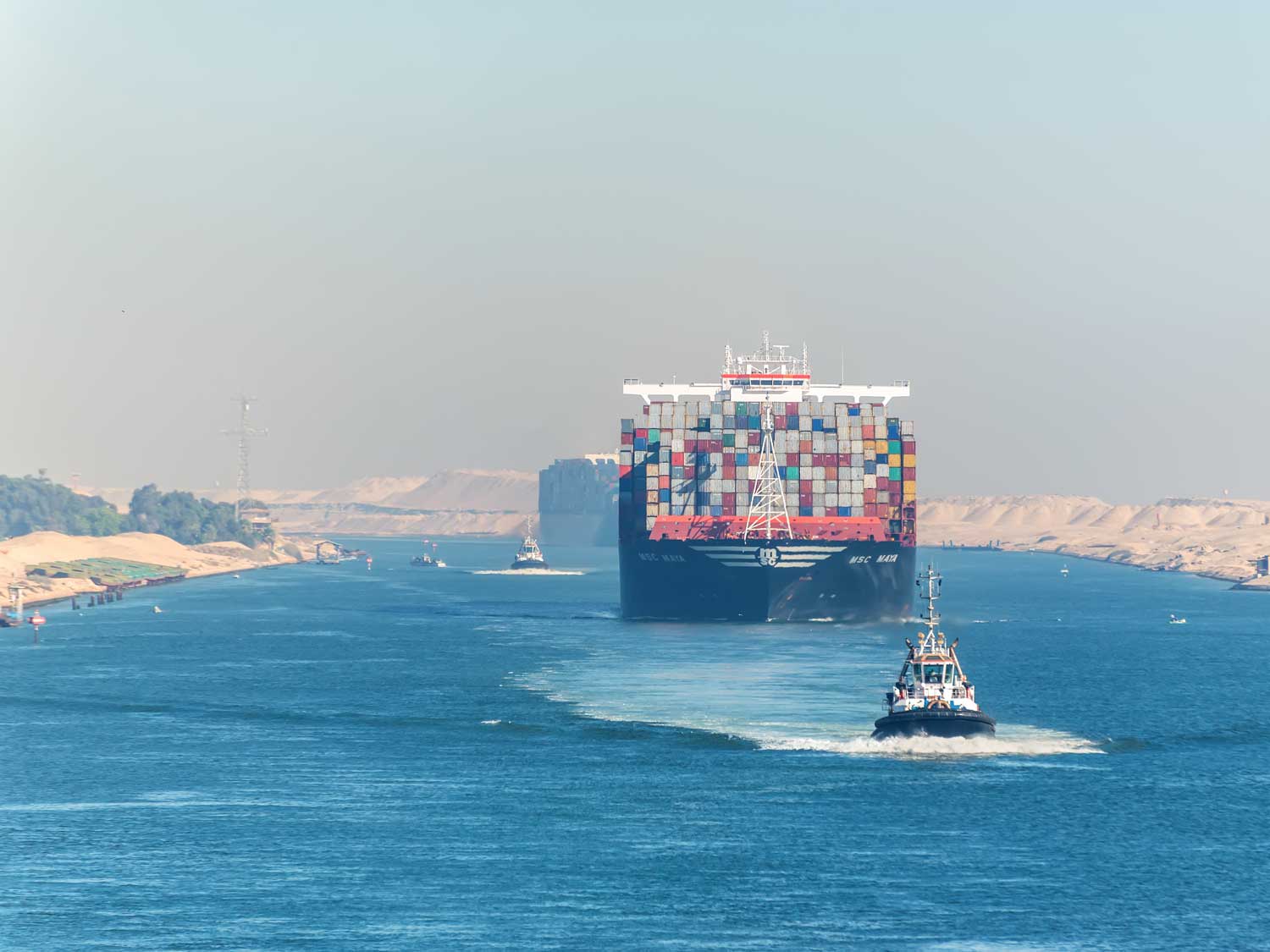
If hostilities genuinely subside, container carriers could begin rerouting vessels back through the Suez Canal. Around 10% of global container capacity has been absorbed by the longer, costlier voyages around southern Africa. A return to Suez would free up this latent capacity, potentially exacerbating overcapacity issues already pressuring the industry. With the container vessel order book standing at about a quarter of the current fleet size, the market faces mounting risk of supply-demand imbalance.

Freight rates, which surged earlier due to the Red Sea crisis, could spike again if carriers resume shorter transits en masse, before softening once schedules settle back down. And while rate increases and extended lead times could finally see some relief the resulting supply-side glut may create new headaches for the container shipping lines.

Port activity along the Red Sea remains subdued, with volumes reportedly down by around half compared to last year. A reliable and lasting resolution could rejuvenate regional trade flows, benefiting not only global carriers but also Gulf-based shippers and transhipment hubs that have been cut off from direct east-west routes.

For now, the shipping industry remains caught between political theatre and on-the-ground reality. Whether Trump’s announcement marks the dawn of stability or another premature claim depends on actions in the Bab al-Mandab, not words in Washington.

The situation in the Red Sea remains unpredictable and liable to change. If your business relies on consistent global shipping operations, this is the perfect time to review your contingency plans and explore flexible alternatives. EMAIL Andy Smith, Managing Director, to learn how we maintain stability and keep supply chains running smoothly, whatever the challenge.

Hong Kong X ray costs and delay fears

Transpacific Air and Sea Downturns amid Capacity Volatility

As demand falters on both sides of the transpacific, container and air freight flows are facing extreme volatility, with sharp drops in bookings and vessel space coinciding with sweeping tariff changes and regulatory disruptions.

The number of blanked sailings has surged, with the share of Asia–North America West Coast blanked capacity more than doubling in a week, reaching nearly 30% by late April. On East Coast routes, blank sailings jumped to over 40% of planned capacity by early May. These cancellations mirror typical post-holiday slowdowns but have appeared abruptly and without the usual lead time, suggesting a reactionary market driven by plummeting demand.

The root cause lies in a sharp reduction in shipping volumes as US firms halt sourcing and bookings ahead of tariff implementations. Bookings for truck delivery or pick-up in the US have fallen by over 40% month-on-month, with some regions seeing drops as steep as 60%.

Elevated volumes in March, driven by front-loading ahead of tariff deadlines, briefly clogged US ports and inland rail hubs. That surge has since collapsed into a dramatic slowdown, with analysts warning that once global trade conditions stabilise, a sharp rebound in demand could overwhelm logistics networks, triggering widespread delays and pushing up costs. A similar scenario played out during the pandemic, when container rates soared fourfold and a surge in inbound volumes led to vessel backlogs and port gridlock.

While a steep trough dominates the short-term picture, there is growing concern that once inventory is depleted, a spike in import orders later in the year could overwhelm supply chains again, especially if companies rely too heavily on ad hoc bookings and lose access to planned space.

In air freight, the outlook is equally challenging. Growth forecasts have been revised downward in response to the end of the de minimis duty exemption on low-value imports from China on May 2. Previously expected to grow up to 7.4% this year, air cargo is now forecast to contract slightly or, at best, remain flat.

Volumes from China and Hong Kong to the US have declined for four consecutive weeks, down 16% compared to the same period last year. While some Southeast Asian countries, like Vietnam, Taiwan and Thailand, have posted gains, it has not been enough to offset overall transpacific weakness. Air freight rates from Asia to the US have fallen by 8%, with steeper declines from certain markets, such as Vietnam, down 28%.

The rollout of new customs processes in the US is adding further complexity, with low-value shipments from China previously exempt under de minimis rules now facing steep duties, with some goods increasing in price by over 160%. Manual duty calculations are placing additional strain on customs brokers, particularly as the US Customs & Border Protection’s automated system struggles to cope with last-minute updates.

Together, these developments point to a precarious outlook. The shipping slowdown may offer temporary relief from congestion, but structural challenges remain. The combined effect of trade policy shifts, operational uncertainty, and fluctuating demand could see supply chains once again thrown into disarray if and when volumes rebound sharply in the second half of the year.

With cancelled sailings, falling volumes, and shifting demand patterns, pressure on global supply chains is growing. At Metro, we provide integrated sea and air freight solutions that deliver the certainty you need, whatever the market throws at you.

From fixed-rate ocean agreements that protect against volatility, to agile air freight strategies with secured capacity and competitive rates, we help you stay on schedule and in control.

EMAIL Andy Smith, Managing Director, to explore how Metro can strengthen your supply chain across both modes.

COSCO appoint Metro partner

New US Port Fees Target Chinese and Non-Chinese Carriers

New US port fees aimed at Chinese-owned and Chinese-built ships are set to begin in October 2025, challenging China’s dominance in shipbuilding and shipping, while attempting to bolster the US maritime industry.

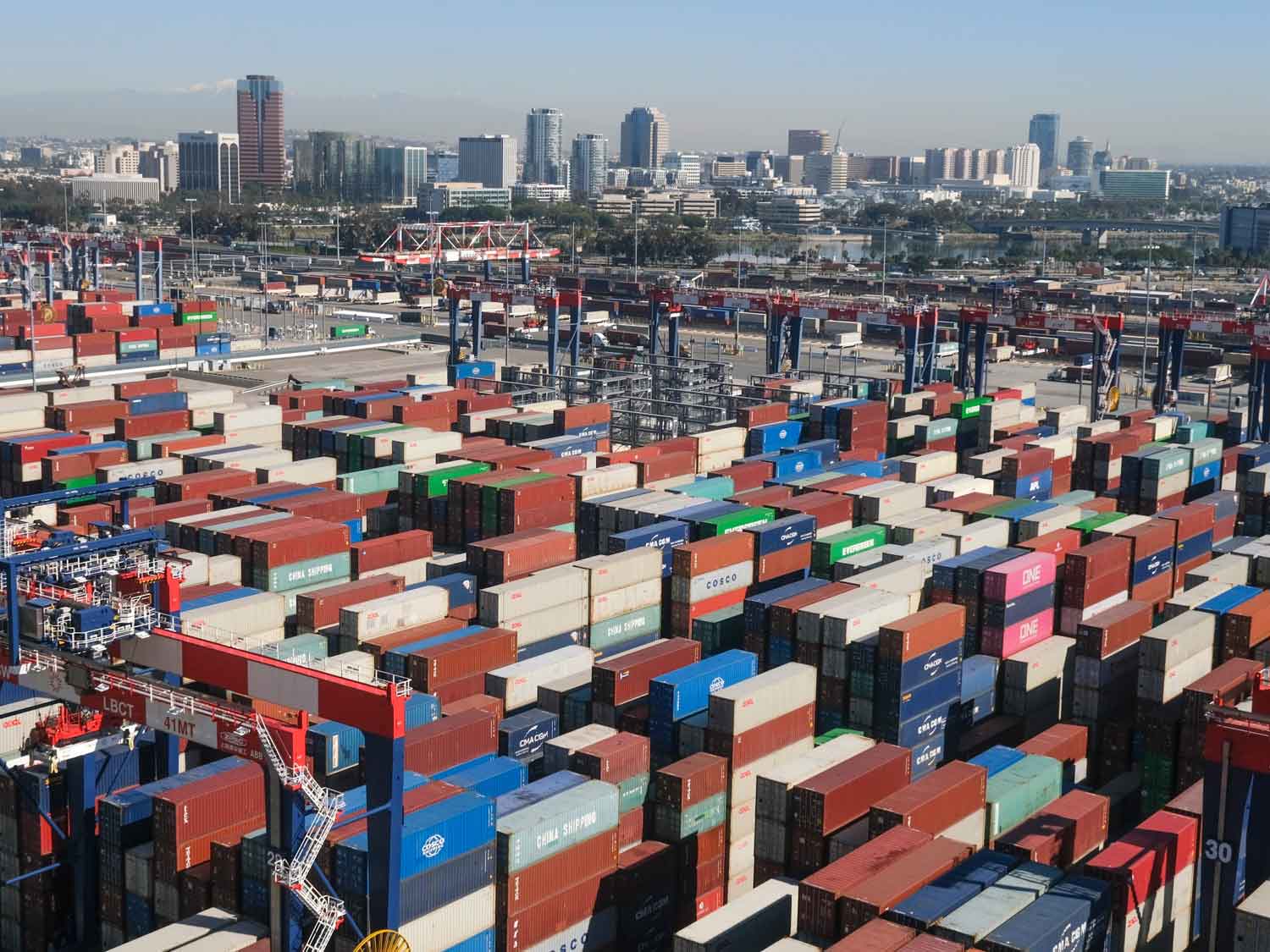
Under the new structure, Chinese ship owners and operators face charges starting at $120 per container when calling at US ports, with fees increasing annually to reach $250 per container by 2028. Vehicles carried on non-US built ships will incur a separate charge of $150 per vehicle. For container ships, the fee is based on the number of containers carried, rather than the ship’s tonnage.

Non-Chinese carriers operating Chinese-built ships will also be subject to container-based fees, at an initial $120 per container, rising to $153 in 2026 and up to $250 by 2028, aligning with the fee structure for Chinese carriers over time. This convergence means that while initial impacts differ, the long-term cost burden will become comparable.

Each affected vessel will be charged once per US port call, capped at a maximum of five charges per year. Ships arriving empty to collect bulk exports such as coal or grain are exempt.

Despite being less severe than the $1M+ per port call initially proposed, the financial burden remains significant. Analysts estimate that large Chinese container ships could face fees translating into approximately $300 to $600 per container, depending on ship size and cargo load. And for Chinese carriers the financial pressure will be three times higher than that faced by non-Chinese carriers initially.

Already, global trade patterns are shifting, with shipments originally bound for the US diverting to European ports. In the first quarter of 2025, Chinese imports into the UK rose by 15% and into the EU by 12%, contributing to congestion at key ports such as Felixstowe, Rotterdam, and Barcelona.

Carriers are now actively considering reshuffling service networks to minimise exposure to the new fees. Within the Ocean Alliance, partners such as CMA CGM and Evergreen Marine are expected to adjust operations, potentially taking on more US-bound services while Cosco and OOCL redeploy ships to European routes.

The long-term implications for container and vehicle supply chains are profound. Higher operating costs are likely to filter down to consumers, particularly in the US, while European and UK ports could face continued strain from increased cargo volumes. The situation is fluid, and further adjustments by carriers and shippers are expected as the October deadline approaches.

We’re working closely with clients as we monitor regulatory developments, ready to react and adapt container shipping strategies in real time. If your supply chain depends on US port access, now is the time to assess your exposure and prepare contingencies.

EMAIL our Managing Director, Andrew Smith, to learn how we can protect your network, manage cost risks, and keep you competitive — no matter how the tide turns.