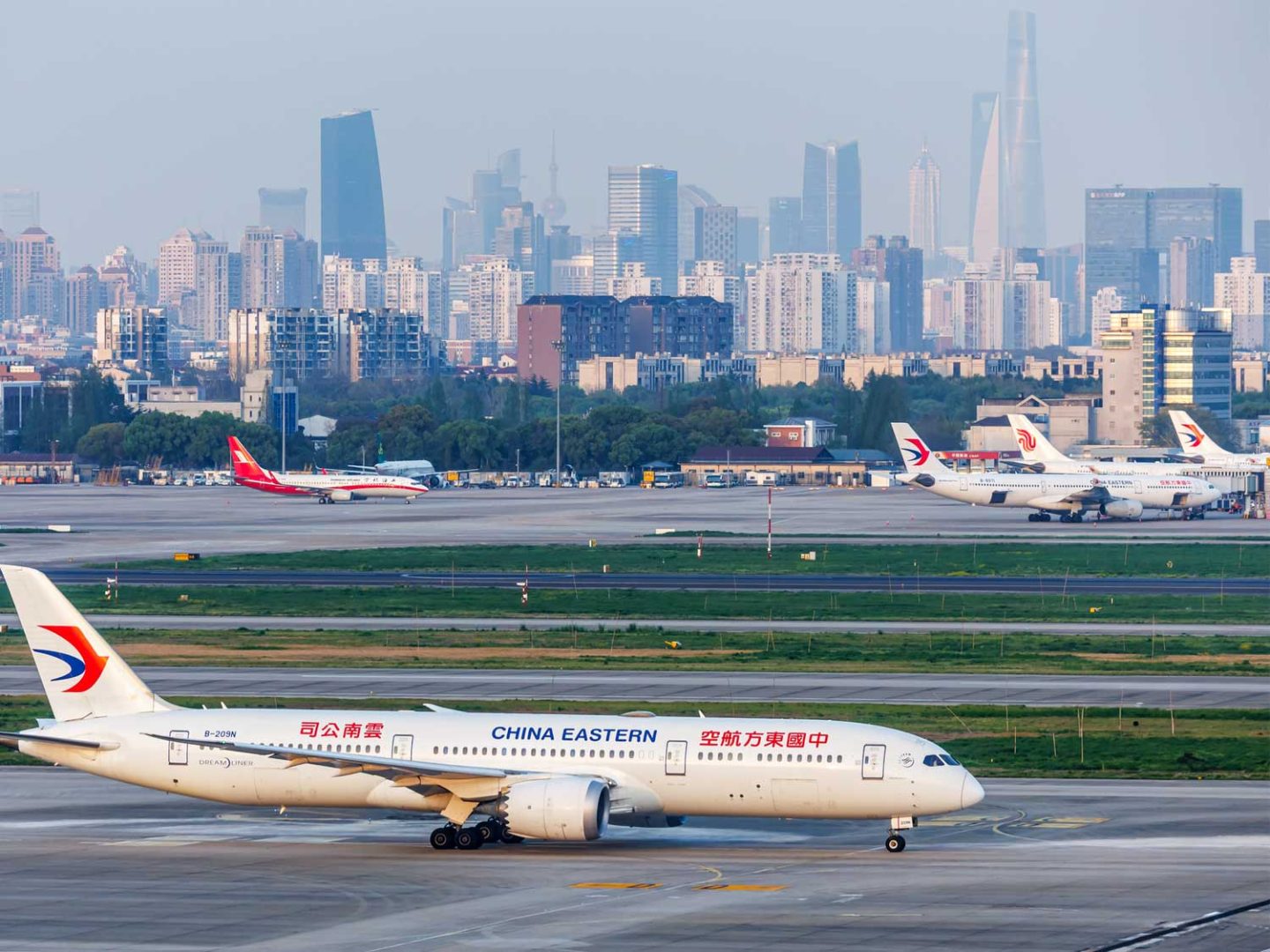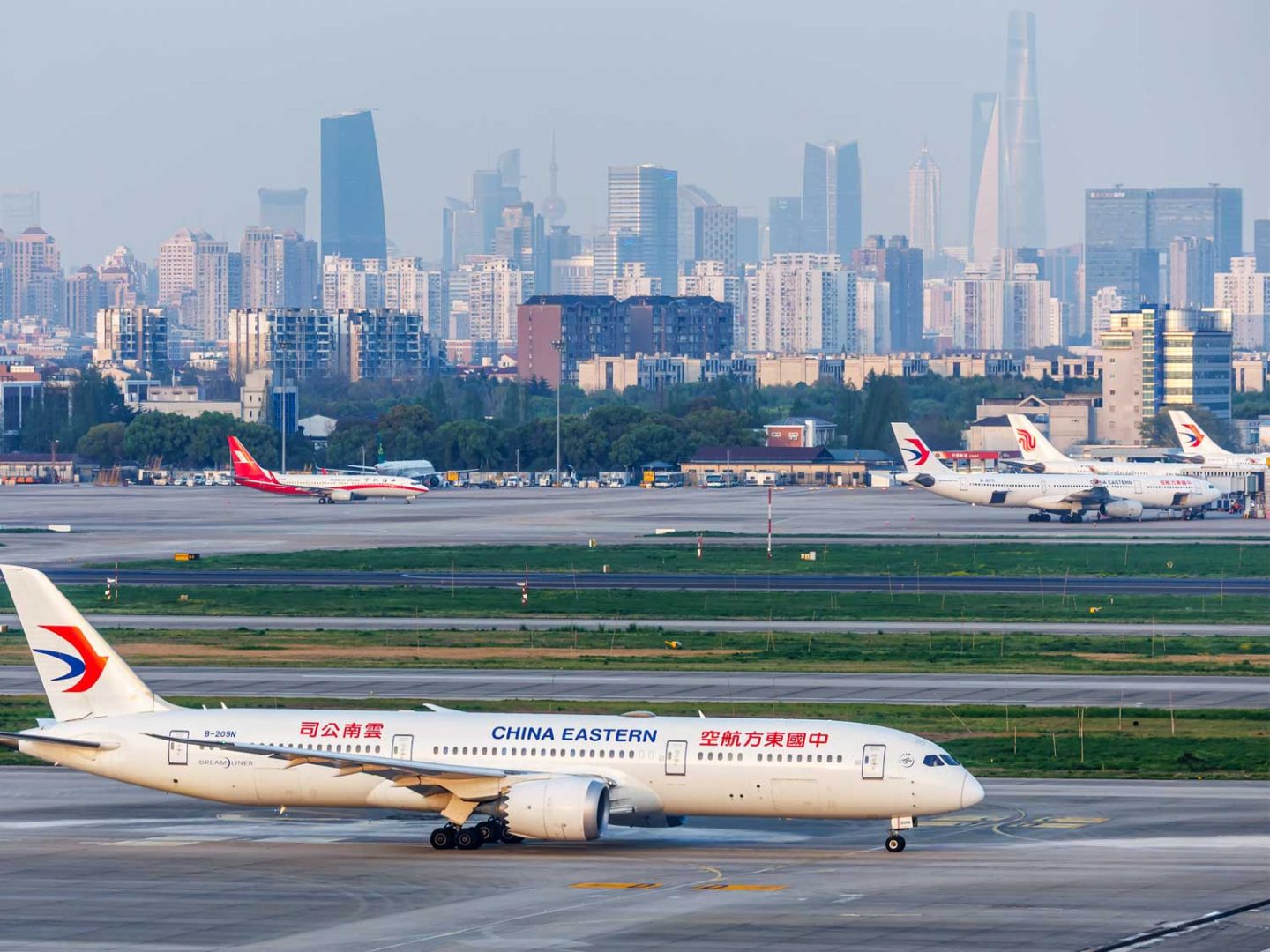
Shanghai Hongqiao Airport 1440x1080 1

Ex-China Airfreight: Turbulence and Transformation

For shippers moving goods by air into Europe and the US, the peak season has arrived with a complexity not seen in recent years. As flights are cancelled and rates trend sharply upward, a fundamental reshaping of the marketplace is underway.

In September, a powerful typhoon swept through southern China just as the annual Golden Week holiday loomed. Traditionally, Golden Week brings a slowdown as manufacturing pauses and workers take leave, creating ripples in cargo flow.

This year, the typhoon compounded the crisis: hundreds of flights were suspended and key export ports shuttered, abruptly tightening airfreight supply. Airport terminals saw mounting backlogs, with some shipments delayed by nearly a week before normal operations could resume.

The squeeze led to dramatic, double-digit percentage increases in airfreight rates for shipments from China to Europe, climbing between 30% and 50% compared to average off-season levels. Routes to the United States also saw significant jumps, though the impact was mitigated by shifting demand patterns and new import restrictions in the US.

Europe Bound: A Market in Flux

While every major trade lane felt the impact of these disruptions, the China-to-Europe corridor has emerged as both the most stressed and the most resilient. Demand for space surged as volumes, particularly of high-tech and eCommerce goods, outpaced declining US-bound shipments.

This pattern reflects a broader structural change: capacity typically serving transpacific markets is now being redirected to European routes, reinforcing the upward pressure on rates.

The European Union’s relative trade stability and ongoing restocking by retailers have kept import flows buoyant. In contrast, the US market is seeing smaller volume growth and increasingly complex customs checks, which have led to sporadic diversions of supply chains to alternative gateway countries and slower overall throughput.

US Adjustments and Alternative Strategies

The US airfreight market from China, though still sizeable, has shifted course under the weight of new regulatory developments. The end of duty-free de minimis rules has decreased the viability of direct eCommerce shipments for small parcels.

As a result, shippers have begun to favour indirect strategies, routing goods through third countries to manage duties, or utilising other North American hubs to avoid new tariff thresholds.

This has prompted a measurable contraction in direct air cargo volumes to the US from China, even as some businesses attempt to hedge risk by booking additional capacity in advance for the holiday season. Leading carriers report rates holding steady or growing only modestly compared to Europe-bound lanes.

The Road (Skies) Ahead

Looking through 2025’s peak season and into the coming year, the airfreight market faces continued unpredictability. Recovery from typhoon-related disruptions is expected to be gradual, with many factories extending their Golden Week closures and logistical bottlenecks possibly persisting into mid-October.

Industry analysts project that rates on China-Europe flights are likely to rise further by up to 10% before normalising, while transpacific pricing will remain highly sensitive to evolving US trade policy and inventory cycles.

At the same time, underlying trends, such as the shift of high-value tech goods via air and the migration of eCommerce flows through alternative channels, suggest that unpredictability will remain a defining feature.

Early communication is becoming indispensable for urgent shipments. We would encourage shippers to forecast and book well in advance, providing transparent communication about possible route or schedule changes, and retain contingency plans for the likely rolling pockets of disruption.

Metro gives you the visibility, agility, and expertise to overcome turbulence and transformation, strengthening your supply chain and securing your airfreight movements from China to the US and Europe.

With demand surging and carrier schedules in flux, securing space and certainty has never been more critical. Metro is actively monitoring capacity, adjusting routings, and working with trusted carrier partners to protect booking allocations.

Our latest innovation takes visibility and control to new levels, with real-time flight telemetry tracking to provide:

– Live aircraft position and route mapping
– Accurate departure and arrival confirmation
– Time-stamped milestone events, updated in real time

This level of transparency means you can plan confidently, optimise inventory, and protect service levels even in unpredictable conditions.

Partner with Metro for smarter, faster, and more resilient air freight solutions, powered by live data and long-standing carrier relationships.

EMAIL Andrew Smith, Managing Director, today to explore how we can support your success.

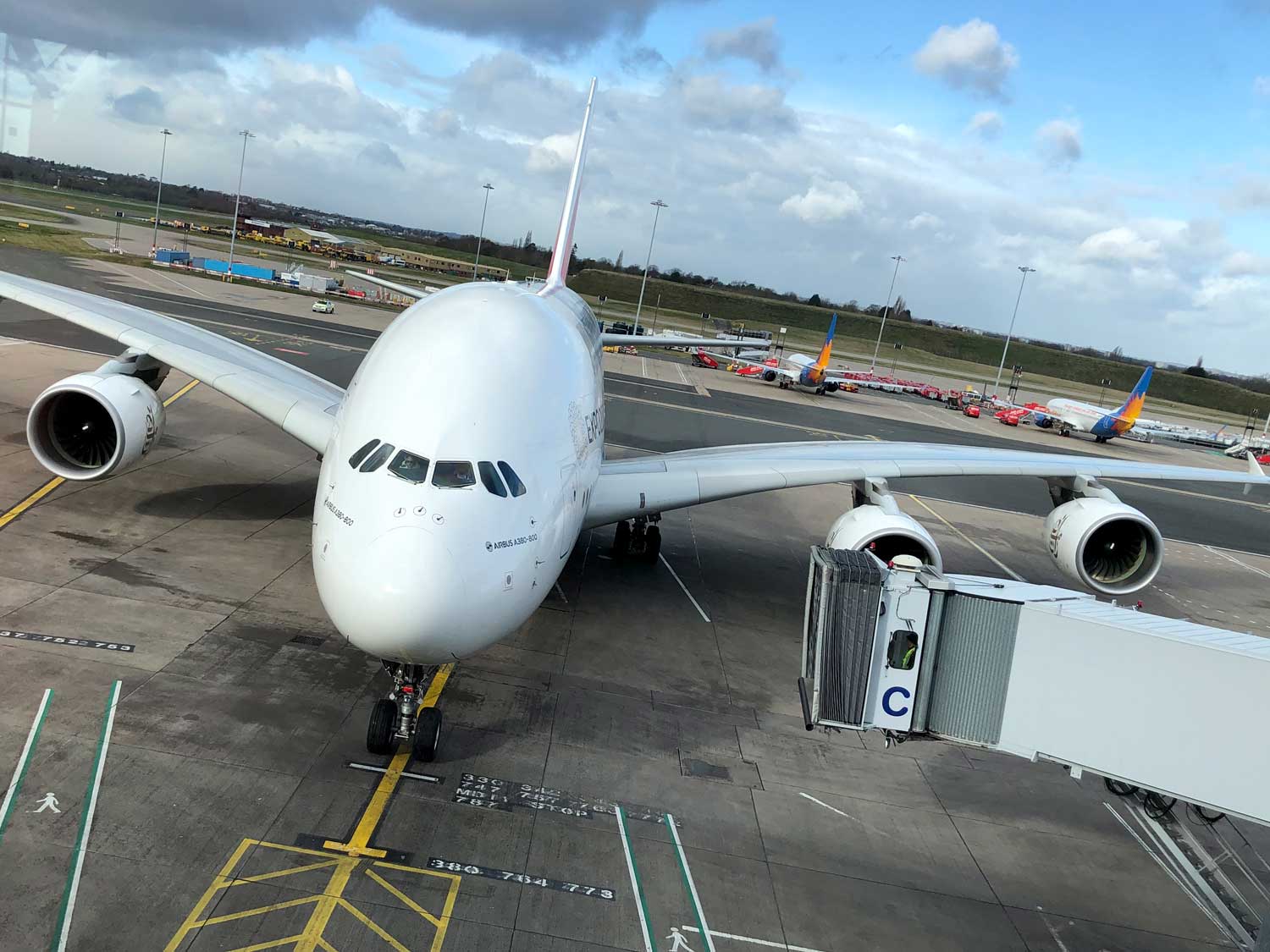
LHR terminal 5

Growth Sustained, But Reliability and Policy Risks Loom for Air Freight

Air cargo volumes surprised on the upside again in August, rising by around 5% year on year, the second consecutive month of growth at this pace. Capacity also increased by 4%, though yields came under pressure as rates softened.

Despite the stronger demand, the outlook for Asia–Europe and Asia–US markets in particular remains uncertain, with policy changes and operational constraints threatening to erode recent gains.

Average spot rates from Southeast Asia to North America and Europe declined by around 20% compared with last year, reflecting easing capacity pressure, while North East Asia to North America fell by just 8%. Rates on North East Asia–Europe routes were broadly stable year on year, though down slightly month on month. Transatlantic markets saw rates edge up by 5% annually, but momentum slowed as the summer holiday period cut into demand.

These shifts underline the fragility of recovery. Purchasing Managers’ indices in key exporting economies fell again in August, and American consumer sentiment softened. Growth on Asia–Europe and Asia–US trades has been sustained largely by front-loading and tariff avoidance, rather than stronger consumption.

Regulatory pressures and cost dynamics

The removal of the de minimis exemption for low-value shipments entering the US at the end of August is reshaping flows. While originally targeted at Chinese eCommerce, the new rules apply across all origins. For European and Asian exporters, this adds new administrative steps and costs, particularly for SMEs. Observers expect lower eCommerce volumes into the US, with some share shifting back towards China due to lower production costs.

Average spot rates across global markets fell by about 3% year on year in August, with sharper declines once currency depreciation is factored in. Capacity expansion has kept pressure on yields, even as jet fuel costs dropped by 7% year on year, providing some relief to carriers. The balance between steady demand and competitive pricing remains delicate, with the sustainability of current growth dependent on careful capacity management.

Reliability challenges deepen

Operational reliability has become a significant concern. On-time performance among major carriers slipped from 81% in May to 80% in June, and down again to 77% in July. For context, anything below 90% is considered mediocre, and mid-70s is cause for concern. Among the 22 airlines surveyed, the gap was wide, with punctuality as low as 57%, to a high of 94%.

For shippers, this can translates into missed connections, additional storage costs, and strained deadlines. Contributing factors include congested airports, ground-handling labour shortages, outdated facilities, and limited data integration across the air cargo chain. Without structural improvements, reliability risks may become systemic, undermining the demand growth achieved in recent months.

Outlook

The near-term outlook for air freight is mixed, with improving but weak economic fundamentals and policy changes that add friction. Key routes from Asia to Europe and the US continue to anchor growth, yet they are the lanes under constant pressure from regulatory shifts and declining schedule reliability. Unless carriers can address operational shortcomings and adjust capacity effectively, current momentum may prove short-lived.

Demand is shifting and schedule reliability is a moving target, but Metro continues to secure space and certainty by actively managing capacity, optimising routings, and leveraging trusted carrier partnerships.

On our MVT platform, real-time flight telemetry provides:
– Live aircraft position and route mapping
– Accurate departure/arrival confirmations
– Time-stamped milestones updated in real time
Plan with confidence, optimise inventory, and protect deadlines, even as conditions change.

EMAIL Andrew Smith, Managing Director, to learn how our data-driven air freight keeps your supply chain moving.

Ho Chi Minh 1440x1080 1

Asia Pacific Freight Markets Reshape as Tariffs Shift Trade Flows

Air and sea freight in the Asia Pacific region is at the centre of global freight realignments, as eCommerce and feeder shipping operations are reshaped by recent policy changes in the US. 

Adjustments to tariff rules and the elimination of duty exemptions have pushed shippers to reconsider sourcing strategies, shifting some flows from China to other Asia Pacific markets while amplifying pressure on already-congested sea and air networks.

Air cargo: eCommerce realignment

The removal of de minimis exemptions on China–US eCommerce shipments has sharply reduced volumes from mainland China and Hong Kong to the US, while boosting flows from alternative Asia Pacific origins and into Europe.

Airlines across the region reported strong growth in July, as exporters diverted shipments to avoid tariff penalties and took advantage of front-loading opportunities during temporary pauses in tariff implementation.

This shift highlights the growing role of Asia Pacific beyond China in meeting US and European demand, with trade lanes from Southeast Asia and emerging eCommerce hubs gaining traction. While China remains dominant in cross-border online trade, its reduced share of US-bound volumes has accelerated diversification across the region.

Sea freight: Feeder bottlenecks

At the same time, feeder shortages in Southeast Asia are disrupting supply chains, delaying transshipments and creating congestion at major hubs including Singapore (operating near 90% yard capacity), Shanghai, Ningbo and Port Klang.

Shippers are being forced to secure space weeks in advance, with rolled cargo and high yard density compounding the disruption.

The surge in demand from Southeast Asia, partly driven by tariff-related cargo diversions, has stretched feeder capacity, with carriers prioritising direct lanes over transshipment-heavy routings. For US exporters, this has meant greater scrutiny over which cargoes are accepted, adding uncertainty to already fragile trade flows.

Implications for US and European businesses

For US and European importers, these developments underline the risks of over-reliance on single-source markets, as both regulatory shifts and operational pressures can disrupt established flows. For exporters, feeder constraints and selective carrier acceptance policies may limit market access and slow supply chains out of Asia.

Diversification of sourcing, earlier booking strategies, and closer collaboration with supply chain stakeholders is essential in navigating these disruptions. With eCommerce volumes continuing to grow and Asia Pacific playing a more pivotal role, freight strategies must evolve to maintain resilience and competitiveness.

Metro gives you the visibility, agility, and expertise to adapt to shifting trade flows and capacity constraints. EMAIL managing director, Andy Smith, today to strengthen your supply chain and secure your freight movements across Asia Pacific, the US and Europe.

BMSB 1440x1080 1

Brown Marmorated Stink Bug Season 2025

The Brown Marmorated Stink Bug (BMSB) is an agricultural pest native to China, Japan and the Korean peninsula. Each year, Australia and New Zealand enforce strict controls from 1 September through 30 April to prevent the introduction of this invasive pest through international trade.

Accidentally introduced into the United States twenty years ago, the Brown Marmorated Stink Bug (BMSB) is also established in South America and Europe and remains a significant biosecurity threat to Australia and New Zealand.

Non-compliance with BMSB regulations can lead to severe delays, additional costs, or even re-exportation of the shipment. To avoid these complications, importers are strongly encouraged to complete BMSB treatments offshore before the goods arrive in Australia or New Zealand. Accurate and early documentation, including treatment certificates, is essential for expediting inspections and clearing shipments.

New for 2025/26

Emerging Risk Countries: The UK has been added as an emerging risk country, alongside the Republic of Korea and Japan. These countries will be subject to heightened surveillance and random inspections.

Airfreight Inspections: High-risk goods arriving as airfreight from the United States and China will now be subject to random inspections.

New Treatment Option: Ethyl Formate has been introduced as an additional offshore fumigation treatment option alongside existing treatments like sulfuryl fluoride and methyl bromide.

Updated In-Transit and Rolled Policy: A new application process allows for onshore re-treatment approval under specified conditions, providing options for shipments under review or treatment provider suspension.

Risk Countries and Target Goods

The seasonal measures apply to targeted goods manufactured in or shipped from designated risk countries, including 38 core countries and the new emerging risk countries listed above. The measures focus on:

  • Vehicles, machinery parts, tyres, wood articles, and other high-risk goods.
  • Breakbulk, open top, and flat rack containers require strict offshore treatment.
  • Containerised cargo may be treated offshore or onshore without deconsolidation.
  • LCL cargoes are managed at the container level with offshore treatment strongly recommended.
  • Goods in fully sealed containers loaded and sealed before 1 September may be exempt.

Compliance Recommendations

  • Arrange offshore fumigation treatment early wherever possible, as onshore capacity is limited and delays may occur.
  • Ensure cargo packaging permits effective fumigation or heat treatment penetration.
  • Regulations do not apply to packaging materials like cardboard or pallets.
  • Use DAFF-approved treatment providers and maintain required certification documentation.

Metro’s Support Through Preparedness

Metro’s CEO and Managing Director recently undertook visits to partners and clients in Australia, reinforcing their commitment to ensuring all stakeholders are fully aligned and well-prepared for the Brown Marmorated Stink Bug (BMSB) season. 

By working closely with treatment providers and quarantine authorities, Metro has strengthened its capability to meet the strict biosecurity standards demanded. The company has also established dedicated staging and treatment facilities, to minimise potential disruptions.

These facilities are sterilised to meet quarantine and inspection standards, such as those set by the Australian Quarantine and Inspection Service (AQIS), providing a controlled environment for the inspection, cleaning, and fumigation of high-risk cargo.

By ensuring that cargo is treated and transported within a sterile environment, it bypasses quarantine checks upon arrival and moves directly to the destination staging facility for unloading and further distribution, thus streamlining the delivery process and meeting BMSB compliance standards.

Metro remains dedicated to simplifying this complex biosecurity landscape, enabling customers to ship with confidence during the 2025/26 BMSB season.

Visit the Department of Agriculture, Fisheries and Forestry web site for details of their seasonal measures