Trump on graph 1440x1080 1

Tariff Pause Triggers Surge in Ocean Freight Rates – But Legal Roadblocks Lie Ahead

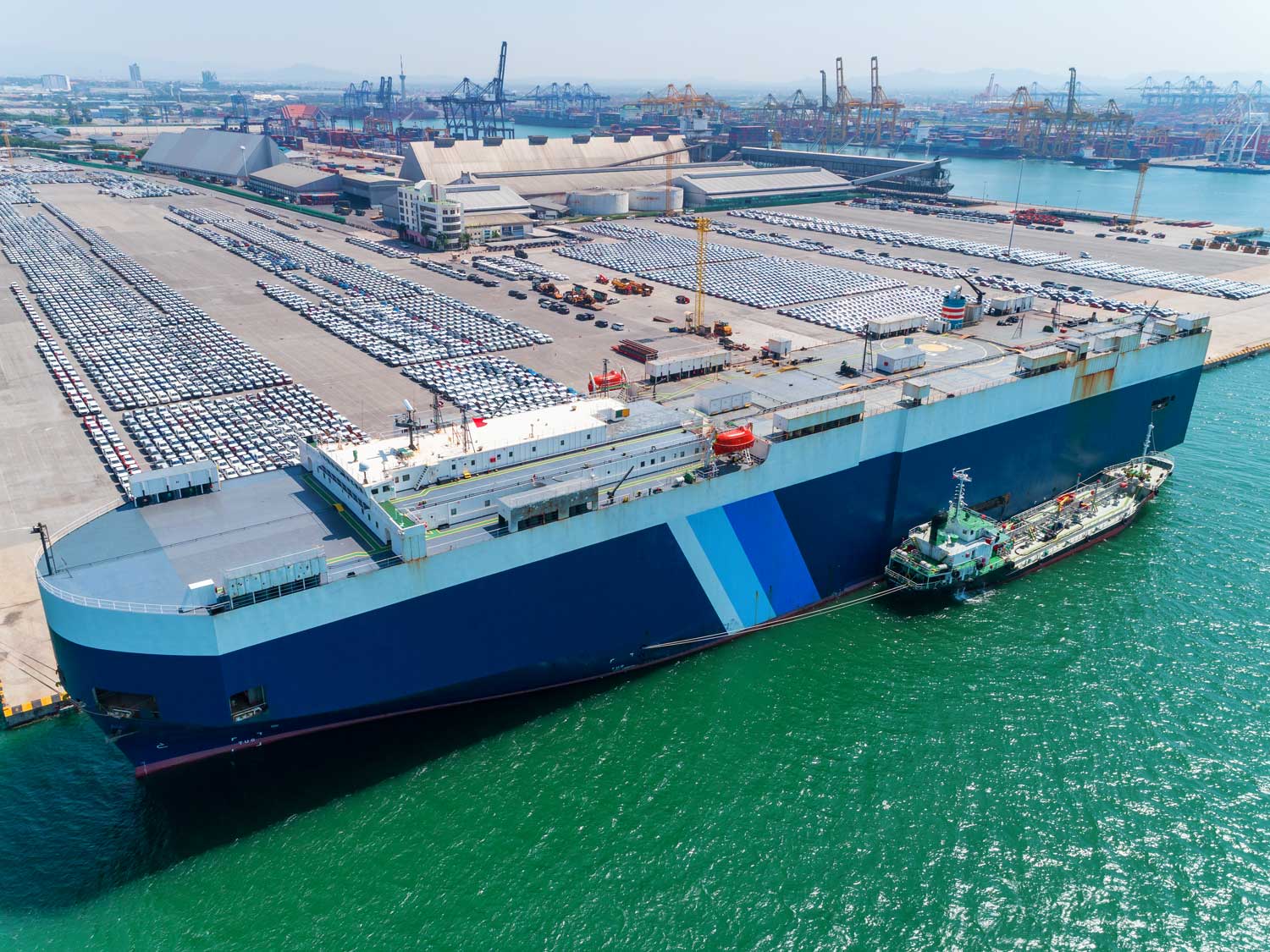
Container shipping lines are driving spot rates sharply higher, with the 2025 transpacific peak season likely to begin earlier than usual, fuelled by a surge in US imports from Asia.

Spot rates on key routes are rising faster than during the pandemic-era boom. Carriers implemented general rate increases (GRIs) on 1 June and plan further hikes for mid-June and 1 July, seizing the moment while demand is high.

According to the WCI, Shanghai–Los Angeles rates surged 57% week-on-week, while Shanghai–New York climbed 39%. Since mid-April, West Coast rates are up 173%, and East Coast rates have more than doubled. For comparison, rates rose just 20% over the same period in 2021. Asia–Europe lanes are also rallying, with the Shanghai–Rotterdam index up 32% and Shanghai–Genoa rising 38%, the highest weekly increases in many months.

But this momentum may be short-lived, as a wave of new capacity is entering the market. On Asia–West Coast routes, supply will grow by 13% in June and 16% in July. This additional capacity is expected to blunt the impact of further rate hikes, and limit the length of the current rally.

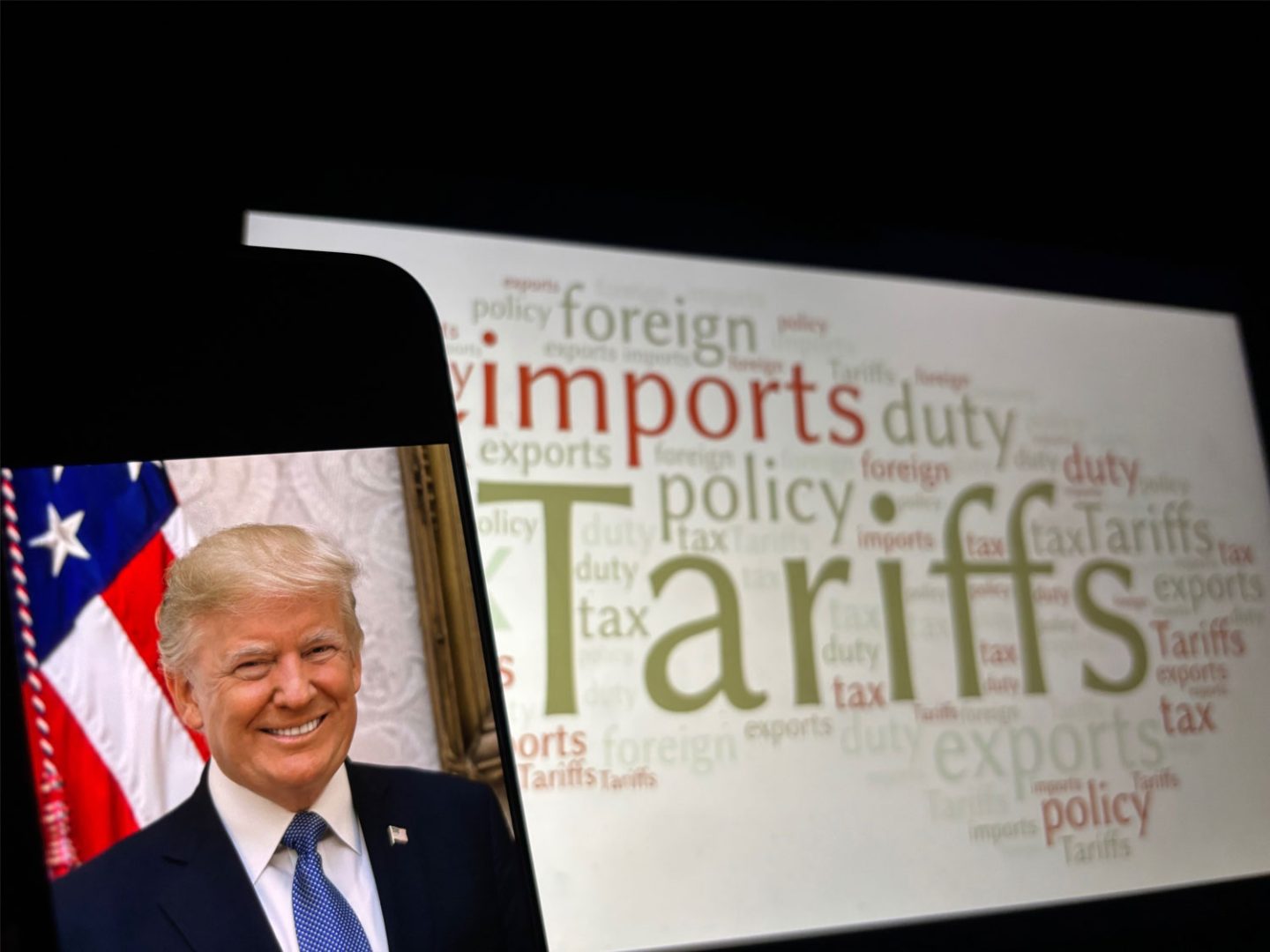
At the same time, the legal outlook for Trump ‘reciprocal’ tariffs remains highly uncertain. On 29 May, a federal appeals court temporarily reinstated the tariffs, just one day after the US Court of International Trade ruled that the former president had exceeded his authority and ordered an immediate block. The Court of Appeals for the Federal Circuit in Washington paused that decision to consider the government’s appeal, with final briefs due by 9 June.

However, legal experts suggest that the original court ruling is on strong footing. Under the current framework, principally the International Emergency Economic Powers Act (IEEPA), presidential authority to impose broad-based tariffs is limited. The Court of International Trade ruled that Trump’s use of IEEPA to impose tariffs on non-emergency, peacetime imports likely overstepped constitutional bounds.

If the appeal fails, Trump’s tariffs will face two remaining paths: either a legislative push to expand presidential tariff authority through Congress, or a ruling from the Supreme Court. The latter remains a real possibility if the administration persists and seeks to test the constitutional limits of executive trade powers.

In the meantime, the legal limbo is prompting importers to accelerate orders while the tariffs remain suspended, adding further pressure to ocean freight markets. But with front-loading already well advanced, this year’s peak season is expected to be earlier and shorter than the usual August–October window. While carriers are determined to ride the wave of high rates, fundamentals suggest the next one or two GRIs may be the last before rates begin to level off.

With legal uncertainty surrounding US tariffs and ocean freight markets under intense pressure, early planning and expert guidance are more critical than ever.

Metro’s experienced sea freight and customs brokerage teams are here to support your transpacific and Asia–Europe supply chains, with in-market expertise and local operations in the US.

Whether you’re juggling critical shipments, reviewing tariff exposure, or seeking end-to-end compliance support, Metro has the insight and capability to keep your cargo moving.

EMAIL our managing director, Andrew Smith, today to stay ahead of disruption and secure your space at the best possible rates.

Freighter

Air Cargo Outlook Strengthens

Global air cargo demand continues to show signs of recovery, driven by seasonal trends, front-loaded shipments and shifting trade flows. However, market conditions remain volatile, with varying regional dynamics, capacity fluctuations and ongoing uncertainty.

Air cargo demand, measured in cargo tonne-kilometres (CTKs), rose nearly 6% year-on-year in April, supported by the seasonal uplift in fashion and consumer goods, pre-emptive shipping ahead of US tariff changes, and falling jet fuel prices. Month-on-month, demand rose 2.3%, building on a strong March performance and growing again in May.

Freighter capacity returns to the trans-Pacific
Freighter capacity is rising again, especially on the transPacific, as airlines cautiously reintroduce wide-body lift in response to improving demand. Asia–Europe and Middle East–Asia freighter supply grew 11%, while Asia Pacific–North America increased 8% in the first week of June.

After a sharp fall in eCommerce volumes triggered by new US tariff rules, capacity had shifted away from China–US lanes. But as volumes recover, albeit slowly, freighters are returning.

Freighter services are also being bolstered through indirect routings. Chinese carriers, for example, have added new air–air links via Hanoi to support Vietnam–US demand, while capacity from South Korea is tightening, especially for high-tech and perishables.

Tariff volatility driving unpredictable rate trends
The Baltic Air Freight Index rose 1.2% month-on-month in May, but was over 5% down win the same period in 2024. Spot freight rates on lanes out of China softened in early May before rising sharply later in the month. The spot rate index for Hong Kong was up 1% compared to April but down 6.3% year-on-year.

A patchwork of changing US tariff rules created considerable mid-month turbulence. eCommerce shipments, which made up 50% of China–US air freight in 2024, have been hit hard. The May 2 removal of the de minimis exemption for low-value shipments was followed by a brief truce and a reduction in duties. First from 145% to 120%, then to 54%, with a flat $100 fee on postal items. These changes triggered both short-term front-loading and momentary drops in volumes.

Carriers are warning that further disruptions may arise if shippers wait too long to secure capacity, especially with the current 90-day tariff truce due to end in mid-August. Late-quarter demand and compliance bottlenecks could create pressure points, especially on high-traffic lanes such as China–US and intra-Asia.

Regional variation and trade lane shifts
Rates and demand trends continue to diverge across regions. Intra-Asia demand is firm, supported by high-tech and perishables, while South Korea–US routes require bookings up to two weeks in advance. Rates from Japan to Europe are rising, though capacity from Guangzhou and other hubs has been reduced. Meanwhile, outbound rates from Vietnam and India remain lower year-on-year.

In the Americas, rates from the US to South America are significantly higher than a year ago, although some observers are beginning to flag early signs of overcapacity. Rates from Europe are mixed, and seasonal factors like cherry and peach exports are also starting to influence flows and capacity allocation.

Jet fuel remains a bright spot for airlines. Prices were 21% lower year-on-year and 4% down month-on-month, offering margin support even in the face of softening yields.

As air cargo markets navigate shifting demand and volatile rates, securing reliable space at the best rates is more critical than ever. Metro’s global air freight specialists work across key trade lanes, including Asia, Europe and the Americas, to help you air freight with confidence.

Whether you’re moving high-tech, fashion, perishables, eCommerce or anything else, our team ensures fast, reliable and cost-effective air freight solutions tailored to your needs.

EMAIL managing director, Andrew Smith, today to secure capacity, avoid disruption and keep your supply chain moving efficiently.

Trumps tariffs 1440x1080 1

Court Ruling Challenges Trump’s Trade Strategy Amid Global Uncertainty

A U.S. federal court has ruled that President Donald Trump’s sweeping “Liberation Day” tariffs are illegal — delivering what may prove to be a major blow to his trade policy agenda, or simply a temporary setback.

On May 28, 2025, the United States Court of International Trade determined that President Trump exceeded his authority under the International Emergency Economic Powers Act (IEEPA) by imposing broad tariffs on imports from numerous countries. The court found that the administration’s justification did not meet the IEEPA’s requirement of an “unusual and extraordinary threat,” rendering the tariffs an improper use of executive power.

The three-judge panel unanimously held that the IEEPA does not authorise the president to unilaterally impose such sweeping tariffs, stressing the need for a clear mandate from Congress when it comes to major economic decisions. As a result, the court issued a permanent injunction against the tariffs and ordered U.S. Customs and Border Protection to stop collecting them.

The ruling requires that the tariffs be halted within 10 days. The Trump administration has announced plans to appeal, which could take the case to the U.S. Court of Appeals for the Federal Circuit.

Implications for Trade Policy
This decision directly challenges a key pillar of Trump’s trade strategy, which has leaned heavily on tariffs to address trade imbalances and shield U.S. industries. It may also influence ongoing negotiations with key partners such as the European Union and the United Kingdom by casting doubt on the legal basis for unilateral U.S. tariff actions.

While the court invalidated the sweeping global tariffs introduced on April 2 — including the baseline 10% levy and “reciprocal” duties — it did not strike down the administration’s sector-specific tariffs on imports like steel and cars, which remain in force.

The ruling is expected to embolden critics of Trump’s tariff policy across corporate America, foreign capitals, and Capitol Hill. It also comes at a sensitive moment for the administration, which is working to finalise new trade deals after suspending many of the planned tariff hikes.

The legal setback introduces fresh uncertainty into an already volatile global trade landscape — and may ultimately reshape how domestic and international actors engage with U.S. trade policy in the months ahead.

Stay informed as the US tariff and trade landscape evolves. Go to our home page to subscribe to our eBulletin updates for expert insight on the rulings, appeals, and what it all means for your supply chain strategy.

Parliament blur

UK Strikes Trio of Trade Deals in May

The UK government has made major strides in strengthening its international trade relationships this May, concluding three key agreements with India (6 May), the United States (8 May), and the European Union (19 May).

These agreements could reshape trade routes and sourcing decisions, reduce costs, and create new opportunities for exporters and importers alike. With further negotiations under way with Gulf nations, the UK is expanding its global footprint.

UK-EU Agreement Reduces Border Friction
The updated UK-EU agreement, the first substantial step forward in post-Brexit cooperation, sets out revised terms for trade, fishing rights and defence collaboration. Of particular note is the reduction in bureaucracy around food shipments, with most routine checks on animal and plant products travelling between the UK and EU scrapped.

This could significantly ease the administrative burden and reduce delays for companies dealing in perishable goods. However, details on how the agreement affects the movement of non-food goods, including machinery, textiles and other industrial or consumer products, remain to be clarified.

While the deal does not represent a return to the frictionless trade of the pre-Brexit era, it is an encouraging signal that practical cooperation is possible. For businesses that rely on predictable cross-border movements, this agreement may help restore a degree of confidence.

US Agreement Offers Narrow, Targeted Relief
Despite being framed as a “trade deal”, the UK-US agreement is a limited, sector-specific tariff arrangement rather than a full-scale free trade agreement. That said, it delivers tangible relief in several key areas.

For UK exporters of vehicles, the US has cut its tariff from 25% to 10%, but only for up to 100,000 vehicles annually. This mirrors the volume of UK exports in 2024, but it places a hard ceiling on further growth, with exports above that threshold subject to a 27.5% tariff.

The removal of 25% tariffs on UK steel and aluminium also brings welcome relief to manufacturers. However, these benefits come with conditions, including expected quotas and continued duties on certain products made with these metals, such as gym equipment and industrial machinery.

While the UK has dropped some tariffs on US food and agricultural products, reciprocal benefits for UK exporters beyond the automotive and metal sectors remain limited. A blanket 10% US tariff still applies to most other UK goods, and a 25% tariff on UK automotive parts remains in place. Details on additional product categories, including consumer goods and manufactured components, are expected in due course.

The deal is a step forward, but it leaves a patchwork of tariffs and quotas that will require careful navigation. Legal and regulatory uncertainties will persist in the months ahead as negotiations continue and further details emerge.

India Deal Signals Long-Term Growth Potential
The UK’s agreement with India stands out as the most comprehensive and forward-looking of the three deals. It includes significant tariff reductions and market access improvements across a wide range of products, and is forecast to increase bilateral trade by £25.5 billion annually by 2040.

UK exports set to benefit include whisky, gin, aerospace components, medical devices, cosmetics, and high-end vehicles. In return, the UK will lower tariffs on Indian exports such as clothing, footwear, frozen foodstuffs, jewellery, and processed goods.

For importers, the deal offers more competitive access to one of the world’s fastest-growing economies. For exporters, it opens the door to India’s expanding middle class, which is already larger than the entire population of the EU and is hungry for high-quality, internationally branded products.

Beyond tariffs, the agreement promises to streamline customs procedures and reduce non-tariff barriers, improvements that will be welcomed by any business frustrated by red tape or unpredictable clearance processes. However, the full legal text is yet to be published, and the final impact will depend on detailed implementation rules, particularly around rules of origin and product classifications.

Looking at Gulf Nations Opportunities
Speaking to the BBC on 20 May, Chancellor Rachel Reeves confirmed that the UK’s next strategic focus is on securing trade agreements with countries in the Gulf, including Saudi Arabia, the UAE and Qatar. Ongoing discussions aim to boost UK exports of food and drink, renewable energy technologies, and manufactured goods, while encouraging more inward investment.

Reeves also clarified that the government is “not looking to have trade negotiations” with China, which draws a line under speculation about future UK-China trade relations for the foreseeable future.

Implications for UK Businesses
For UK businesses, whether they import raw materials or finished goods, or export to overseas markets, these deals bring both opportunity and complexity. While tariff reductions and customs streamlining can offer immediate cost savings and efficiency gains, the sector-specific and quota-based nature of the agreements means that success will depend on careful planning and informed decision-making.

The three deals signal a broader shift in the UK’s trade strategy, one that favours targeted, bilateral agreements over sweeping free trade pacts. They also reflect a pragmatic effort to strengthen links with fast-growing economies and key strategic allies.

As implementation details unfold and further negotiations continue, UK businesses will need to stay agile, review their supply chains, and consider how to best take advantage of the new landscape.

Metro’s established freight services, in-house customs brokerage, and on-the-ground teams in both India and the United States mean we’re uniquely placed to help UK businesses respond to this new trade landscape.

Whether you’re reviewing sourcing strategies, navigating new tariffs, or planning market entry, our experts can support you with compliant, cost-effective solutions across every mode and market.

EMAIL Managing Director, Andrew Smith to explore how we can optimise your global trade strategy.