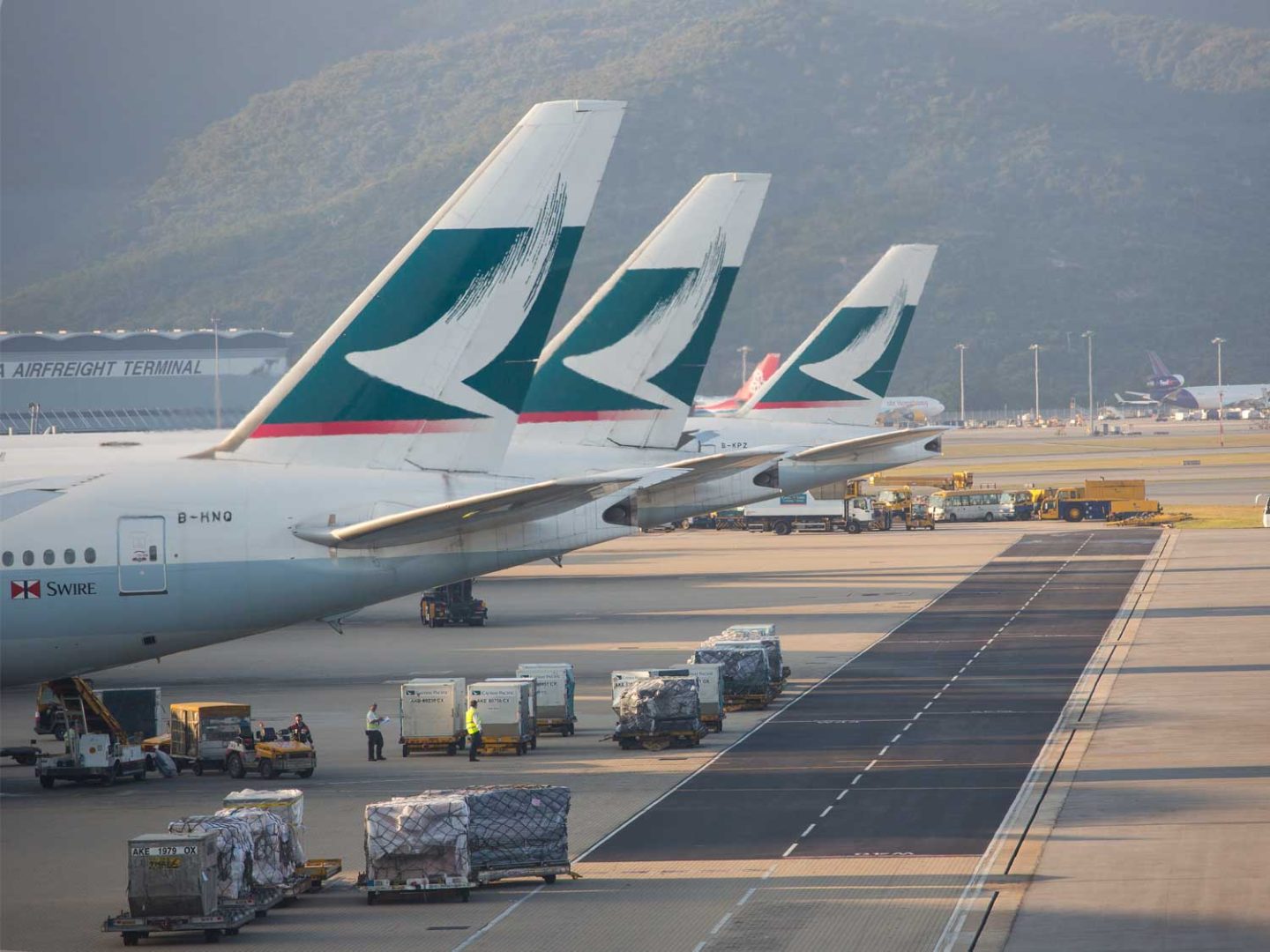
Cathay tailfins 1440x1080 1

Asia–Europe airfreight: Growth and vulnerabilities

Despite growth and robust demand airfreight faces significant challenges, including reliance on eCommerce, capacity pressures, and geopolitical disruptions.

Airfreight demand on the Asia–Europe route saw a strong performance in 2024, bolstered by eCommerce, automotive parts, pharmaceuticals, garments and high-value electronics. Despite a slowdown in Europe’s domestic electric vehicle (EV) market, manufacturers have maintained steady shipments of EV-related spare parts to ensure regional stock levels. Meanwhile, high-value and time-sensitive automotive components remain key drivers of growth.

Pharmaceuticals and perishable goods have seen consistent demand on routes from Europe to Asia, with semi-conductor equipment and machinery playing a significant role. Electronics, one of the region’s most valuable cargo types, continues to move in high volumes, reflecting growing technological and consumer demands across Europe and Asia.

eCommerce slowdown exposes dependency

Despite surging demand for general cargo like electronics, automobile parts and garments out of India, Vietnam and Thailand, the airfreight sector’s strong reliance on eCommerce has been a double-edged sword. While the pandemic initially spurred a boom in eCommerce shipments, recent months have seen a sharp decline, with eCommerce volumes dropping significantly since the start of the year,, particularly from China.

Retailers’ full inventories and softer consumer demand have exacerbated this trend, leaving carriers grappling with reduced activity levels. While other verticals, such as pharmaceuticals and automotive, remain stable, the gap left by diminishing eCommerce volumes presents an ongoing challenge.

Capacity challenges and geopolitical pressures

Capacity remains a key issue on the Asia–Europe route. Airlines have deployed additional resources, including charter flights, to manage peak-season bottlenecks. However, this has come at a premium, with carriers competing for limited space amid strong demand for specific commodities.

Geopolitical factors have further complicated operations. The closure of Russian airspace forced carriers to reroute flights, leading to longer journey times, higher fuel consumption, and increased costs. European carriers also face competition from new Chinese entrants and Middle Eastern airlines have added another layer of complexity. This competition, while offering more options, has compressed margins for traditional carriers.

Balancing resilience with adaptation

Looking ahead, the Asia–Europe airfreight trade lane must strike a balance between resilience and adaptation. While commodities such as automotive parts, pharmaceuticals, garments and high-tech goods provide a stable foundation, diversification across more verticals will reduce vulnerabilities.

Capacity pressures and geopolitical disruptions will require innovative solutions, from optimising routes to strengthening partnerships with supply chain stakeholders.

Metro is here to help you navigate these complexities with tailored solutions that ensure reliability, cost-efficiency, and resilience.

Our airfreight, charter, and sea/air services are designed to handle urgent and sensitive shipments with precision. By leveraging block space agreements (BSA) and capacity purchase agreements (CPA), we lock-in space and competitive rates on the busiest trade lanes.

Whatever you’re shipping, Metro’s expertise and strategic carrier partnerships can optimise your supply chain while saving you money.

EMAIL Elliot Carlile, Operations Director, today to explore how Metro’s solutions can support your business on the Asia–Europe trade lane and beyond.
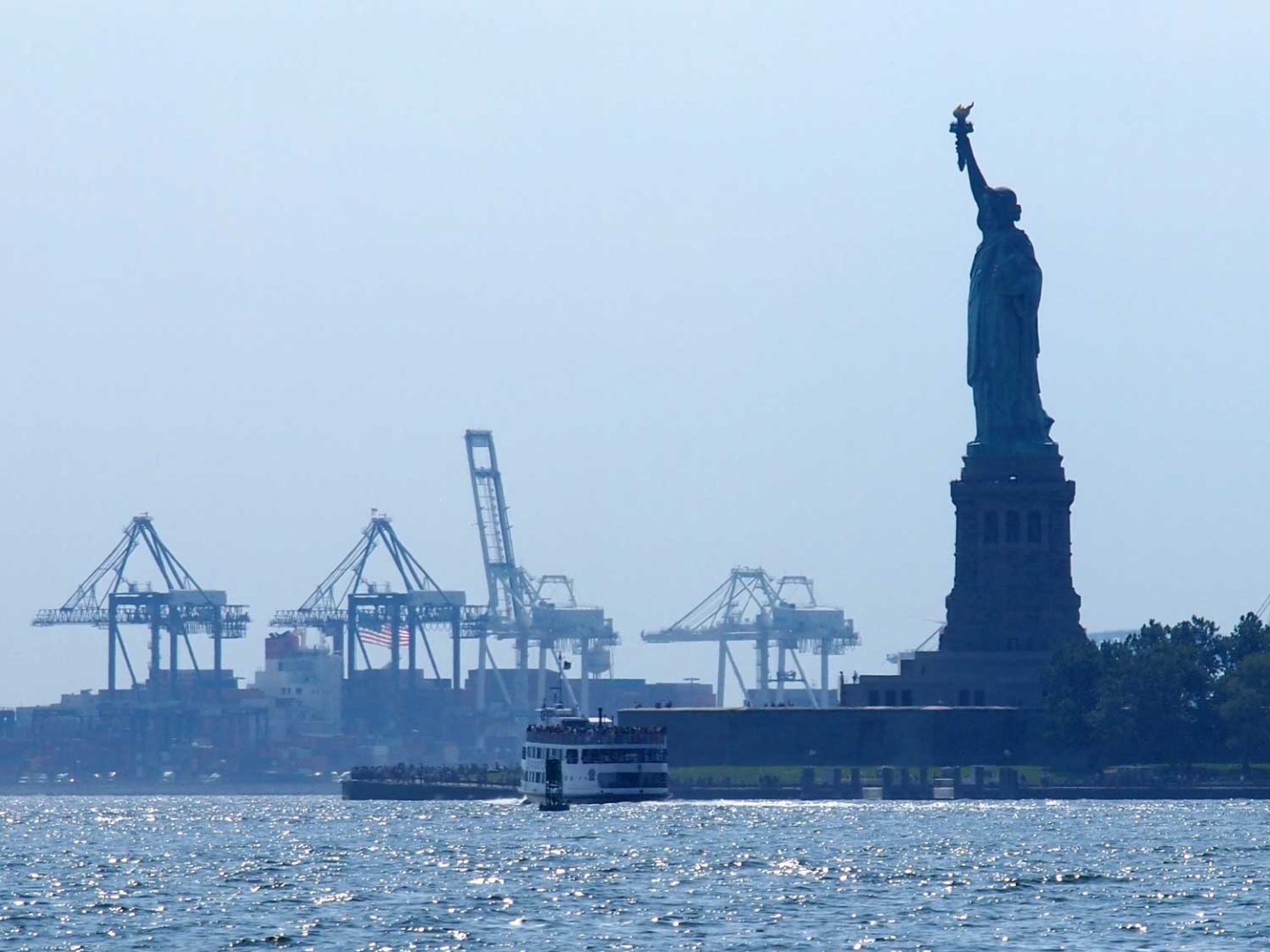

New York port 1440x1080 1

USEC sea freight rates climb despite ILA strike resolution

The recent resolution of labour negotiations between the International Longshoremen’s Association (ILA) and the US Maritime Alliance has averted a potentially disruptive strike across US East Coast and Gulf Coast ports. However, the last-minute nature of the agreement has left shippers contending with elevated costs, strained supply chains, and lingering uncertainties.

In anticipation of a strike, shippers front-loaded cargo to avoid potential port closures, causing a short-term surge in import volumes. Retailers moved spring merchandise earlier than usual, and many shifted inbound flows to US West Coast ports or secondary supply sources. While these actions ensured inventory availability, they also lengthened transit times, strained port operations, and drove up transportation costs.

Even with the strike threat resolved, the backlog of elevated volumes will take time to normalise. Some ports are already reporting delays as they work through the excess cargo, further tightening capacity and extending delivery schedules. This logistical ripple effect is compounded by pre-Lunar New Year demand, which has spurred additional shipments and intensified pressure on the supply chain.

Rising costs and capacity constraints
The surge in front-loaded cargo has led to significant rate increases on the transpacific trade lane. Spot rates to the US East Coast rose sharply, with increases exceeding 25% since mid-December. This upward trend, driven by demand spikes and tighter capacity, is expected to persist as carriers announce new general rate increases (GRIs) of up to $3,000 per 40ft container in February.

Moreover, these measures are creating downstream financial impacts for businesses. Elevated inventory levels, longer transit times, and higher transportation costs are affecting margins and working capital, particularly for goods sourced from Asia. Export sectors, including refrigerated and hazardous freight, are also facing acute challenges due to capacity constraints and mitigation actions by carriers.

The overall capacity situation on the Asia–USWC lane tells a more complex story. Carriers have deployed 1.34 million TEU for the four-week CNY period, representing a sharp 33% year-on-year increase and the highest capacity level in recent years and far outpaces current demand increases, creating a risk of oversupply.

Currently, only 9% of capacity has been blanked for the CNY period, well below the 23% blanked in 2024 and the pre-pandemic average of 19%. Historically, carriers have announced significant additional blank sailings closer to CNY and this pattern may repeat in 2025, although uncertainties around the phase-in of new alliance networks may complicate the picture

Strike resolution provides relief, but challenges persist
While the strike resolution has provided relief, ongoing geopolitical and seasonal pressures continue to shape market dynamics. The Lunar New Year holiday, which falls on 29 January, has spurred a wave of early shipments, exacerbating capacity challenges on the transpacific trade lane. Simultaneously, uncertainty surrounding the incoming US administration’s potential tariff increases has added urgency to shipments, further intensifying demand.

Geopolitical risks, such as tensions in the Red Sea and concerns about a renewed US-China trade war, remain a wildcard that could destabilise global trade flows. These factors, combined with already elevated freight rates and tight capacity, are likely to keep shippers on edge in the coming months.

The resolution of the ILA strike may have averted immediate disruption, but the ripple effects of front-loaded cargo, capacity challenges, and elevated freight rates will continue to impact supply chains in the months ahead. Metro is here to help you manage these complexities, offering real-time insights and effective strategies to keep your goods moving efficiently and cost-effectively.

EMAIL Managing Director Andrew Smith today to discover how Metro can protect and future-proof your supply chain in North America and beyond. Let us help you build a resilient strategy for 2025 and navigate the challenges ahead with confidence.

strike signs 1440x1080 1

US ports avoid crisis with tentative ILA/USMX agreement

A potentially crippling strike across East and Gulf Coast ports, set to begin on 16th January 2025, has been averted with the announcement of a tentative six-year master contract agreement between the International Longshoremen’s Association (ILA) and the United States Maritime Alliance (USMX) on 8th January.

However, the agreement is not yet a done deal. It must be ratified by the ILA’s local wage-scale committees, leaving supply chains vulnerable to ongoing uncertainty that could stretch into the summer of 2025.

The roots of the dispute go back to October 2024, when dockworkers staged a three-day strike over issues of wages and automation. While the strike ended with an agreement on wage increases and a temporary extension of the existing contract, tensions simmered over automation, which the ILA argued could threaten jobs. Talks resumed on 7th January 2025 in New Jersey, culminating in an agreement just days before the strike deadline.

A pivotal moment in the negotiations came on 20th December 2024, when President-elect Donald Trump met with ILA President Harold Daggett in Florida. Trump expressed open support for the union’s anti-automation stance, stating that foreign-owned carriers should invest in American dockworkers rather than fully automated systems. His intervention reportedly added significant pressure on carriers, leading to a compromise in the tentative deal. The agreement allows for limited semi-automation while guaranteeing union jobs tied to new technologies.

Although the immediate strike threat has passed, the risk of disruption remains. The ratification process is expected to take months, and uncertainty will continue to impact supply chains.

Metro has implemented contingency measures to mitigate the impact of potential labour unrest. These include diverting cargo to West Coast ports, Canadian trans-loading and expanding air freight options. These solutions remain critical as the ratification process unfolds.

At the same time, we are urging carriers to lift surcharges such as “Work Disruption” and “Port Congestion” fees, which have added financial strain to supply chains since October 2024.

The threat of renewed disruption is likely to persist until the agreement is ratified. Metro strongly advises shippers to remain vigilant, flexible, and prepared to adapt their logistics strategies in the months ahead.

With uncertainties lingering, Metro’s proactive solutions are essential to maintaining a resilient and adaptable supply chain. Our expert team continuously monitors developments, offering strategic guidance to help you optimise routes, avoid disruption, and manage costs effectively.

EMAIL our Managing Director, Andrew Smith, to discover how Metro can protect and future-proof your North American supply chain.

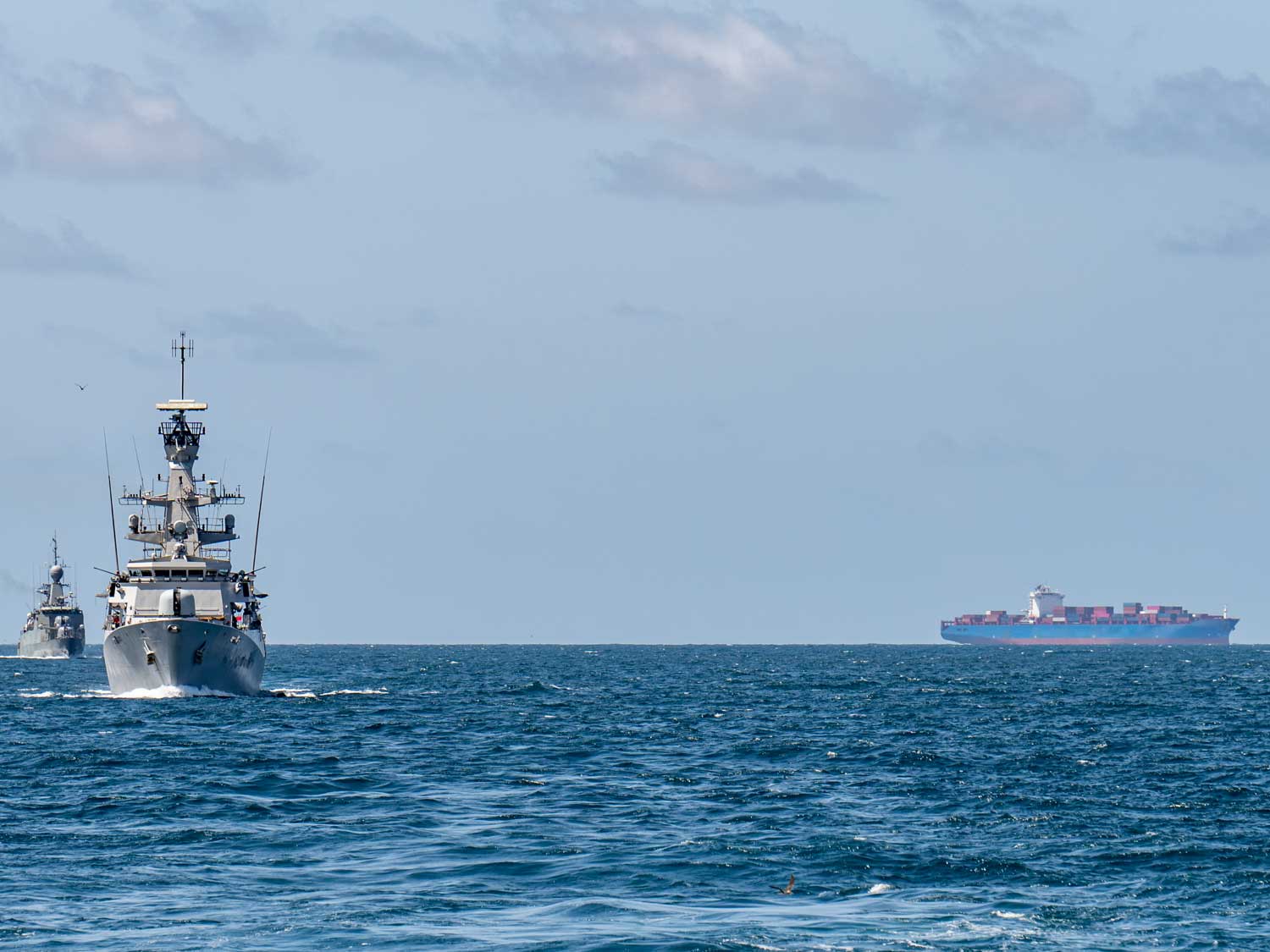
container ship and naval escort

Shipping routes likely to remain diverted until August

The diversion of container shipping around the Cape of Good Hope is expected to continue well into 2025 as carriers prioritise stability over the potential risks of returning to the Red Sea, despite recent advancements in the Suez Canal’s infrastructure

The reluctance to return to the Red Sea stems from attacks on commercial shipping by Iran-backed Houthi forces, which have created a precarious operating environment. Earlier incidents prompted carriers to divert ships around the Cape of Good Hope, and the industry remains cautious about resuming transits until the risks are fully mitigated.

Efforts by carriers like CMA CGM to reintroduce Suez services under naval protection have met resistance from shippers who fear both financial and operational uncertainties. As a result, even if the Red Sea crisis were resolved, it is likely that diversions around the Cape of Good Hope would persist for several months while confidence is rebuilt.

The logistical complexity of reconfiguring networks, combined with the risk of potential attacks, has led carriers to maintain their Cape of Good Hope detours and with the lines set to phase in new networks over February and March, further adjustments to accommodate Suez transits are unlikely before August at the earliest.

Shippers, too, are hesitant to support a return to the Red Sea. The concern is not just the extended transit times around Africa but the financial risks associated with general average (GA). If a ship were to be attacked and damaged, resulting in environmental cleanup or other liabilities, insurers may not cover GA in such high-risk zones.

Egypt has successfully tested a new 10 km extension of the Suez Canal, which allows for two-way traffic and increases the canal’s daily capacity by an additional 6 to 8 ships. This improvement also reduces the likelihood of severe disruptions, such as the grounding of the “Ever Given” in the single-lane section of the canal.

As conditions stabilise, the Suez will likely regain its position as the preferred route, but for now the added capacity is not required.

With geopolitical risks casting uncertainty over the industry, building resilient supply chains, securing comprehensive cargo insurance, and managing budgets effectively will be essential for shippers navigating the complexities of the 2025 sea freight landscape.

In this volatile market, our marine insurance cover and fixed-rate agreements on key shipping routes help minimise risk and provide budgetary stability.

To discover how Metro’s insurance solutions and fixed-rate options can support your business in 2025, please EMAIL Managing Director Andy Smith.