marine insurance

Red Sea Crisis insurance withdrawals – fact or fiction?

In addition to fast-rising ocean freight rates and extended transit times, as the container shipping lines divert around Africa, shippers have been struggling to understand what (if any) insurance is in place, with insurance companies massively increasing war risk premiums and no longer willing to cover Red Sea voyages. 

In this constantly shifting situation it is critical that shippers understand what insurance covers are being referred to in current news report and what this means for their cargo.

As with all markets impacted by the Houthi rebel attacks the insurance market is changing almost daily with rumours and facts being thrown around in equal measure.

Insurance has been impacted like all areas of the supply chain, with costs increasing as the risk increases. This is true of hull insurances (to protect the vessel), as it is with the general war risk cover applied to marine cargo policies.

For those unfamiliar with insurance and when and how they apply, goods in transit insurance covers cargo against loss or damage whilst being transported from one place to another, or being stored during a journey.

If you are shipping goods by sea for example, you would take out marine cargo insurance which can be written on an annual basis, or purchased for individual shipments.

NOTE – Marine insurance is not included within the freight charges and agreements. 

For marine cargo insurance to be in place, with cover applicable to your goods, you need to specifically request insurance with a separate premium being payable.

Marine cargo insurance is different to marine hull insurance, with the latter covering the cost of repairs or replacement of the vessel, in the event of any loss and/or damage.

Hull insurance is typically purchased by ship owners, boat owners and charterers to protect against a range of risks associated with owning and operating vessels.

War risk cover, which provides insurance on losses resulting from events such as war, invasions, strikes and terrorism can be included within these policies or be purchased separately from specialist markets.

Insurers across the markets all take individual approaches to what cover they are applying, or withdrawing as the case may be.

Ships and vessel owners are being hit with high insurance premiums with reports that some insurers are refusing to cover vessels against war risk in the key commercial shipping corridor through the Red Sea.

For Lloyds insurers, their Joint War Committee has widened the areas in the Red Sea that are categorised as “high risk”, with war risk insurance premiums for vessels intending to sail through such areas rising from 0.07 to 0.7% – that’s a 900% increase in a month.

With the potential removal of some covers, including war risk cover, this can dictate the need for specific routes on the movement of goods. Whilst it may be reasonable for ship owners to request that routes through the Rea Sea be avoided, on a commercial basis, due to safety concerns. As a shipper you need to make sure that your insurers are comfortable with the changes and that the level of risk and cover you have is still sufficient to protect your cargoes.

Shipping around the coast of Africa also has its own complications, with the return of piracy off the coast of Somalia.

If you do find your insurer or insurance team changing or amending your policy and you need some advice in understanding what options are open to you, please do not hesitate to EMAIL our Chief Finance Officer Laurence Burford who will be happy to assist where possible.

There may be alternative insurance products that could protect your business more effectively in this ever changing world, but their merits need to be reviewed on a case by case basis with varying factors impacting cost and availability.

It is important to note that the surcharges that are raised by shipping lines during a time of war or crisis, despite how they may be worded, do not cover risks for the value of cargo moved on vessels.

These surcharges are designed solely to recoup additional costs incurred by the ship’s owner and/or operator, including higher insurance premiums for potential damage or destruction of a ship, and not for the container contents stowed on-board.

If you have any questions or concerns about the insurance related to the Suez situation, or would like to discuss its wider implications please EMAIL our Chief Finance Officer Laurence Burford.

Should you wish to obtain a quote on a particular insurance product please provide as much information as possible where known including but not limited to cargo type, cargo value, route, vessel details and such.

Bridge on ship

Red Sea Crisis; Situation Report, Wednesday 17th Jan

Despite coalition military action, Houthi rebels continue to attack commercial shipping and with container shipping line’ schedules showing Cape of Good Hope routing for vessels into early February and beyond, it is clear that they do not expect short-term access through the Suez Canal and Red Sea route.

There have been very few attacks directed at container vessels over the last seven days, so gladly we have little to report on specific incidents. 

However, the vast majority of container vessels are no longer transiting the Red Sea, so in essence there are far fewer potential targets to attack, which has resulted in bulk vessels, tanker and naval vessels being the focus of recent missile and drone launches. 

The situation continues to develop every day and we will continue to advise and update, but with the amount of container traffic now avoiding the area of conflict we do not anticipate much direct information on missile strikes against container vessels.

The shipping lines continue to announce surcharges for cargo on vessels affected by the diversion from Suez, as well as those that aren’t, and while the SCFI spot rate index from Asia to N.Europe is up over 200%, its rate of growth has slowed. 

In addition, we have now been notified of at least four RoRo carriers rerouting vessels away from the Red Sea and also surcharges are being announced by this mode of ocean freight over recent days, that we will continue to share with our clients utilising these vessels. 

The challenges continue to expand across global shipping in all formats.

Equipment

Re-routing container ships around the Cape of Good Hope instantly delayed afloat shipments to Europe and the US East Coast by 5-14 days. And this is without considering the ‘pause’ where vessels were held or diverted, which could have added another 15 days to the transit on top of the longer journey times.

With almost 400K TEU returning to the Far East every week, the lost two weeks sailing round-Africa means that around 800K TEU will not now arrive in time for the Chinese New Year peak, which will create shortages in key locations. 

Time-critical shipments

Air freight rates out of Asia are likely to surge in the coming weeks as European importers seek an alternative option to avoid ocean equipment shortages, delays in transit, and schedule disruptions brought on by the Red Sea shipping crisis. 

We anticipate that time-critical modes will begin to have their own challenges with demand of converted distressed ocean freight movements, as shippers need to repair low inventory levels to maintain sales and/or production schedules. 

It has already been widely publicised that several automotive OEM’s will halt production due to a lack of components – including Tesla, Suzuki and Volvo at several of their European plants.

UK/European and Global port congestion

Despite the fears of delayed vessels arriving en-masse, leading to congestion, the feedback we are getting from the container ports, including Felixstowe, Southampton and London Gateway, is largely positive. 

With vessels held in the Red Sea area and then diverted around the Cape of Good Hope (COGH) there has been a two-week service slide, which does mean delays to vessel arrivals, but a fairly consistent schedule of ships (though 10 to 14 days behind pro forma arrival). 

Carriers are booking their berth slots +10 days later than the pre-diversion estimate on an ongoing basis and the ports are not anticipating any immediate berth congestion, with vessels due early January now arriving next week. Followed by vessels 10+ days off original schedules, on an ongoing basis.

This means a low impact on operations, without too many ships arriving at the same time and being held out due to berth availability, though some bunching is expected towards the end of January. 

The primary UK container ports can comfortably handle two or more Ultra Large vessels at the same time and in most cases the container stacks are relatively light with low dwell times, which means they have the space to handle any influx of containers.

UK Haulage remains quiet and while there will be increased pressure when vessels arrive, the level of business arriving is not expected to challenge, other than urgent cargo and completing moves within the restricted free-time periods.

To mitigate any impact the shipping lines will be working with port operations to create a plan to get their vessels through in good time and will adjust earlier calls accordingly.

This model and planning seems to be emulated throughout the global ports infrastructure and currently most of the international port operators and local organisations seem confident they will be able to cope with and accommodate the disrupted schedules and arrivals and departures of vessels. 

We will discover if this optimism comes to fruition over coming weeks in Europe, Asia and The Americas and we continue to monitor the situation on an end to end basis. History would suggest the sailing will not be quite as smooth as predicted. We will keep you advised of developments.

Short-term outlook

For Asia/Europe services the 11 week sailing rotations are becoming 13/14/15 week rotations due to an additional 10 days Westbound and again on the Eastbound leg, which carriers are mitigating by introducing additional tonnage, to maintain weekly calls.  

Any concern is more linked to the return of the Suez transit, as subject to timing the ports foresee the potential for berthing pinch points in Europe and/or the Far East as the vessels diverting back clash with those routed via Africa. However, any impact will be subject to timing, given the Chinese New Year period is also ahead.

In summary, cargo/vessels will arrive later than scheduled, but now the Cape diversion is becoming normal and UK ports are not expecting any immediate concerns until the return to Suez transit commences. 

Also with other conflict beginning to break out on a wider regional level with Iran launching attacks on Iraqi, Pakistani and Syrian militant group targets over recent days, along with the continuing Israel/ Gaza conflict we will ensure we advise on any wider impact on global logistics and supply chain disruption outside of the direct container vessel attacks. 

Unfortunately this looks likely to escalate further.

Other trade lanes and impact/challenges that are developing around the world

As we have been advising and explaining since the outset of the current crisis in the Middle East, this will evolve into issues occurring in markets not directly related to the transit of the Red Sea. 

We are now beginning to see carriers implementing various unconditional surcharges on other routes such as the transAtlantic trade, Australasia from Asia, transPacific and other more niche markets. 

The carries advise that equipment is being redirected back to Asia from these lanes so there is an issue with container availability, vessels are being ‘cascaded’ onto longer transit routes resulting in lower supply of container ships on unrelated trades and a plethora of other reasons resulting in higher operating costs and disfunction. 

We will advise and update on all lanes that have been or will be affected as we are notified. We obviously try to avoid any additional costs and negotiate, reason and reject all increases using logic and relationship management where we can – however this is not always successful. 

We will ensure that advice is delivered constantly to you on this aspect of the services and we are conscious of the critical nature of price fluctuations.

What can you do to mitigate impact and assist us in delivering to deadlines?

The more visibility that we have of your urgent shipments and the understanding of priority movements that have a deadline, the better we can provide a tailored solution and outcome to ensuring that expectations are met. 

We encourage, request and will assist in plotting forecasts for you ideally with as much foresight and planning as possible. In addition we expect to see air freight and sea/ air become much more prevalent, and in fact we already have seen a 50% increase in volumes by these modes, over coming weeks. 

If you have urgent shipments we can work on all options driven by the timelines and ensure that the lowest cost alternative solution is used and that we place extra scrutiny and milestone management on each movement. 

Please do share your forecasts and we are keen to discuss the specific plan for all shipments over the next month and beyond to ensure we have one view and full understanding of everything that is currently or planned to enter the supply chain for you.

The window for booking air freight ahead of Chinese New Year is closing over the next couple of weeks and we expect air cargo rates to increase out of China, which is why we would urge you to contact us without delay, so that we can book your aircraft space and services at the best possible rates for your time-critical cargo. 

Please do provide forecasts for all of your known logistics movements over coming weeks and months – this is an essential tool for us to manage your freight and your expectations.

An additional 10 days ocean freight transit is manageable for most shippers, but we are already getting reports of container shortages and it is essential that you share your shipping forecasts, so that we can reserve the equipment you need, when you need it. 

If you have any questions or concerns about the impact of the Suez situation on your Asia supply chain, or would like to discuss its wider implications, please EMAIL our Chief Commercial Officer, Andy Smith.

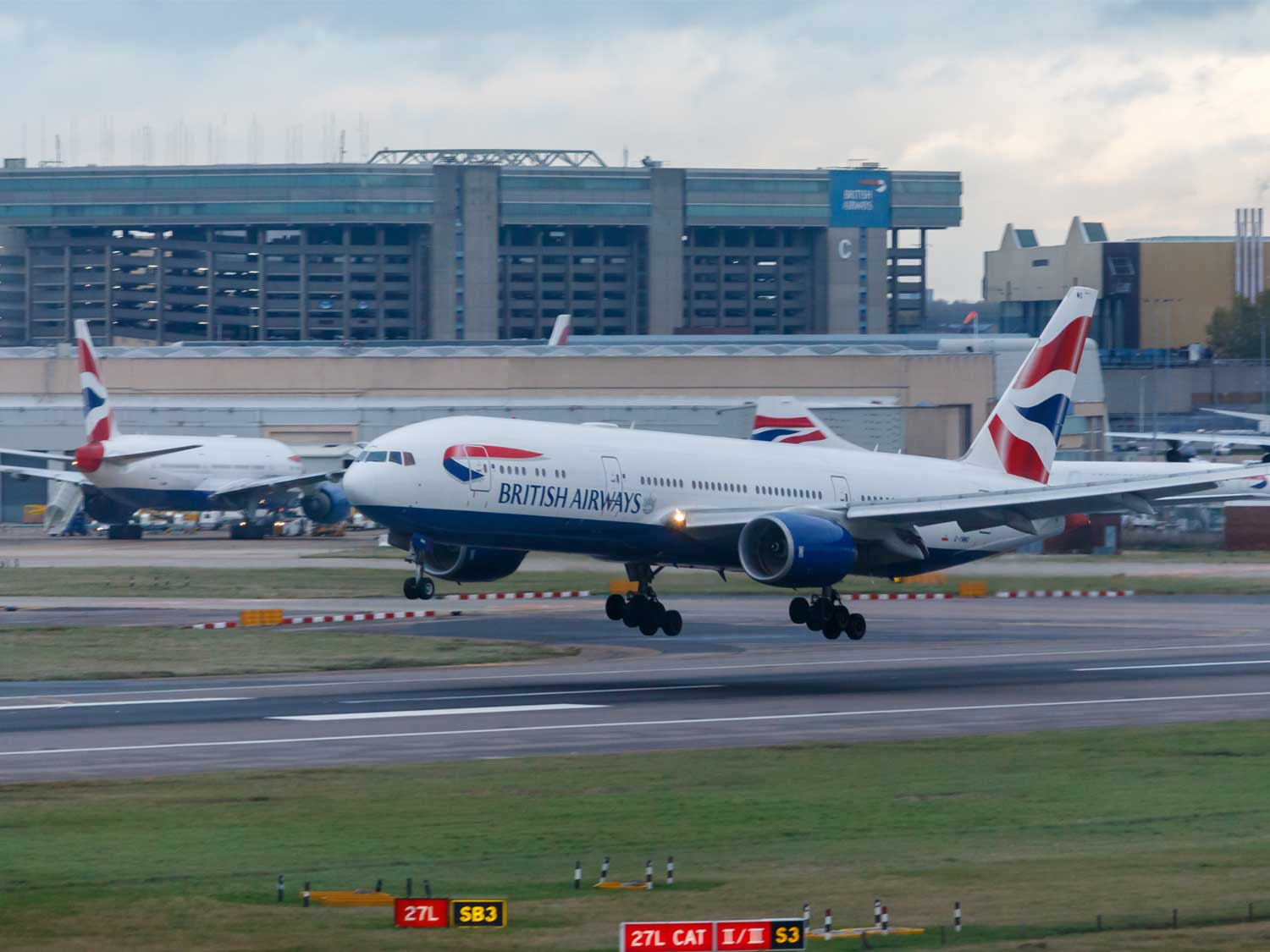
LHR BA landing

Sea freight shippers opt for air and sea/air alternatives

With the container shipping lines diverting around Africa until the Red Sea maritime security situation improves, the uncertainty and unpredictability that surrounds schedules could fuel demand for air cargo as shippers seek stability of services and certainty of transit times.

Air cargo demand data for last month showed a 9% year on year increase, with spot rates reaching their highest level in nine months and the dynamic load factor increasing by 3% to reach 59%.

The Red Sea ship diversions around the Cape of good Hope will inevitably cause ships to cluster at ports, leading to port congestion, worsening equipment shortages and gaps in sailing schedules, which may significantly impact global supply chains. 

Carriers will need to adjust schedules and networks, and would need to add more ships to achieve weekly or nearly weekly service frequency.

The diversion of ships away from the Suez Canal will swiftly see a million-plus containers delayed and when you factor in the knock-on effects of cash (in stock) tied up for longer, together with the fact that you don’t know how long this situation will continue means that some shippers will opt for the predictability of air cargo costing and reliability, to overcome the impact of the current sea freight disruption.

Improved stability in air cargo is encouraging a switch back to long-term, fixed-rate contracts, with deals for over six months rising to 45% of all contracts signed In the last quarter of 2023. Six-month contracts amounted to another 28% of the total market, while the share of up-to-one-month rates was just 14%.

This latest data appears to reflect stronger local market performance on key lanes and a global economy that is doing much better, but the market outlook forecast for 2024 remains modest, with an anticipated 1-2% growth in demand and a 2-4% rise in supply, though this does not take into account the potential ‘Red Sea’ effect.

Air cargo spot rates from Europe to the US were up +21% month over month in December, with the reduction in capacity helping to push up rates on this lane, while spot rates from China and Southeast Asia to Europe both rose 9% and strong eCommerce demand pushed the China to US air spot rate up 6% in December. Though these gains have subsequently fallen back, they may well recover if ocean shippers do start to look for time dependable alternatives, to hit supply chain deadlines.

Sea/Air; the effective and cost-efficient alternative

Sea/Air solutions offer an attractive blend of fast movement, defined transit times and significant economies over direct air freight.

The multimodal solution’s relative low-cost comes courtesy of a significant part of the cargo transit being undertaken by ship, from Asia, or the Indian subcontinent to Dubai, where cargo is transhipped securely and swiftly for the second transit leg, which is undertaken via air, directly to our UK hub airports, thereby completely avoiding the Red Sea problems and reducing transit times significantly.

Multimodal transport solutions like our Sea/Air solution are the best way for shippers to avoid delays between Asia and Europe and any potential land-side disruption.

Many of our customers are increasing the use of this solution, alongside their pure sea and air options, to avoid potential issues. We believe that Sea/Air should be considered to be a natural part of supply chain planning, due to the increased resilience and flexibility it offers over other modes and its lower carbon footprint compared to regular air freight.

For valuable, special and time-sensitive shipments we have a range of air freight and Sea/Air solutions, with extremely competitive rates and service combinations, to meet every deadline and budget requirement.

EMAIL Elliot Carlile, Operations Director, for insights, prices and advice.

The Suez strikes back

2nd January; Suez Crisis Update

In our 2023 supply chain review we said that we were hopeful that the formation of a coalition naval task force to patrol the southern Red Sea and Gulf of Aden would restore maritime security quickly, but Sunday’s two attacks on the Maersk Hangzhou suggest it could be some time before the route is secure enough for container shipping.

Having halted Suez transits after Sunday’s attack Maersk has now announced that it will pause all sailings through the Red Sea until further notice.

The earlier targeting of vessels tied to Israel has clearly ended, putting any ship, regardless of their nation status in danger and while the coalition forces are successful in intercepting air-based weapons, without a protection regime that guarantees freedom of navigation through the Gulf of Aden and Red Sea, container shipping lines will continue to divert around the Cape of Good Hope route, adding 3,500 miles and 10-14 days transit.

With Iran providing a steady supply of drones and missiles the Houthis can keep up the pace of attacks indefinitely, which means the cost of maintaining a naval presence will rapidly rise into billions of dollars, with spot rates for North Asia to Europe and the Med more than doubling over the past week.

The supply chain disruption being generated by this evolving situation is already spreading and extremely concerning, as we see many similarities with the recently experienced pandemic chaos. Some of the things to consider before they actually occur are as follows :-

With this crisis unfolding during the global slowdown and pause in working over the festive break, it will be interesting to see how businesses react, as the reality and additional costs become apparent.

Whats the impact going to be on air freight once shippers realise components, stock and inventory needed for is manufacturing running low, along with the clash with CNY, which starts early in February.

Both shipping lines and air carriers will increase rates to cope with increased demand from Asia to Europe and the USA, with a peak season to replace the subdued one last year.

If you have any questions for Metro or require advice and assistance on priority shipments in January and February please highlight these and we will put under scrutiny and advise all options available as we anticipate this situation will now extend for a minimum of three months, with the impact that has already occurred so it will be a challenge for some time.

Emerging issues include:

RATES

Spot rates and insurance costs are rising rapidly on all affected trades. However, rates on unrelated trades (eg Transatlantic or India to Australia) are also increasing as operational disruption and vessels being reallocated to fill schedule gaps ex-Asia squeezes available capacity.

SURCHARGES

The shipping lines have been steadily introducing a range of surcharges since November, with a large number of acronyms and mechanisms being employed including Red Sea surcharges, War Risk Surcharge, Emergency Risk Surcharge, War risk premium surcharge, Contingency Surcharge, Emergency Contingency Surcharge and Contingency Adjustment Charge. We work hard to protect our customers from these costs and challenge the lines on every occasion.

ETA

Vessels are turning off their AIS identifying locators, which means they can’t be targeted by baddies, but also means that they are difficult to track, though our AI-driven ocean tracking system continues to predict updated ETAs.

TRANSIT

Extending total service transit times by 20-25 days means that schedule reliability is going to fall off a cliff and the lines will be unable to maintain subsequent schedules, with massive delays and backlogs anticipated.

CAPACITY

With services extended by two weeks (and possibly longer) each way, the shipping lines are adding more vessels, but capacity will still be constrained, which means upwards pressure on rates.

CONGESTION

Lines that paused vessels for 6-8 days are now diverting, but that now means extended transit times of 20 days + and they are bunching up, with the outcome potentially being congestion and berthing issues at arrival ports in weeks to come across Asia and Europe and other regions of the world.

EQUIPMENT

With containers sitting on vessels for an additional 25 days, plus whatever time they spend in ports, we will quickly see equipment shortages grow in Asia and potentially globally and it is inevitable that this will spread to other regions, as their containers are moved to cover Asia’s shortfall. In addition some shipping lines are actively ‘cascading’ vessels from directly unaffected lanes on the Asia/ Europe trades in order to ‘plug the gap’ caused by extended transits and delays on the routes which will have consequences at a later date with the other trade lanes. We will keep you fully advised of the developments on a wider scale as they impact.

AIR

Air cargo volumes increased in the last quarter and are likely to increase significantly as shippers transfer cargo away from sea, with rates already rising and a spike very likely ahead of CNY. We anticipated this becoming evident in the next 2 weeks and we are taking action now to cover capacity and demand.

SEA/AIR

Sea/Air services are rapidly increasing in popularity, with solutions that are not much slower than standard air freight but are typically over 30% cheaper currently and could be significantly more attractive when air freight demand rises. We have a proven and well established sea/ air platform and we have seen a significant increase in utilization from Asia to Europe and USA over the last week already.

ROAD/OVERLAND

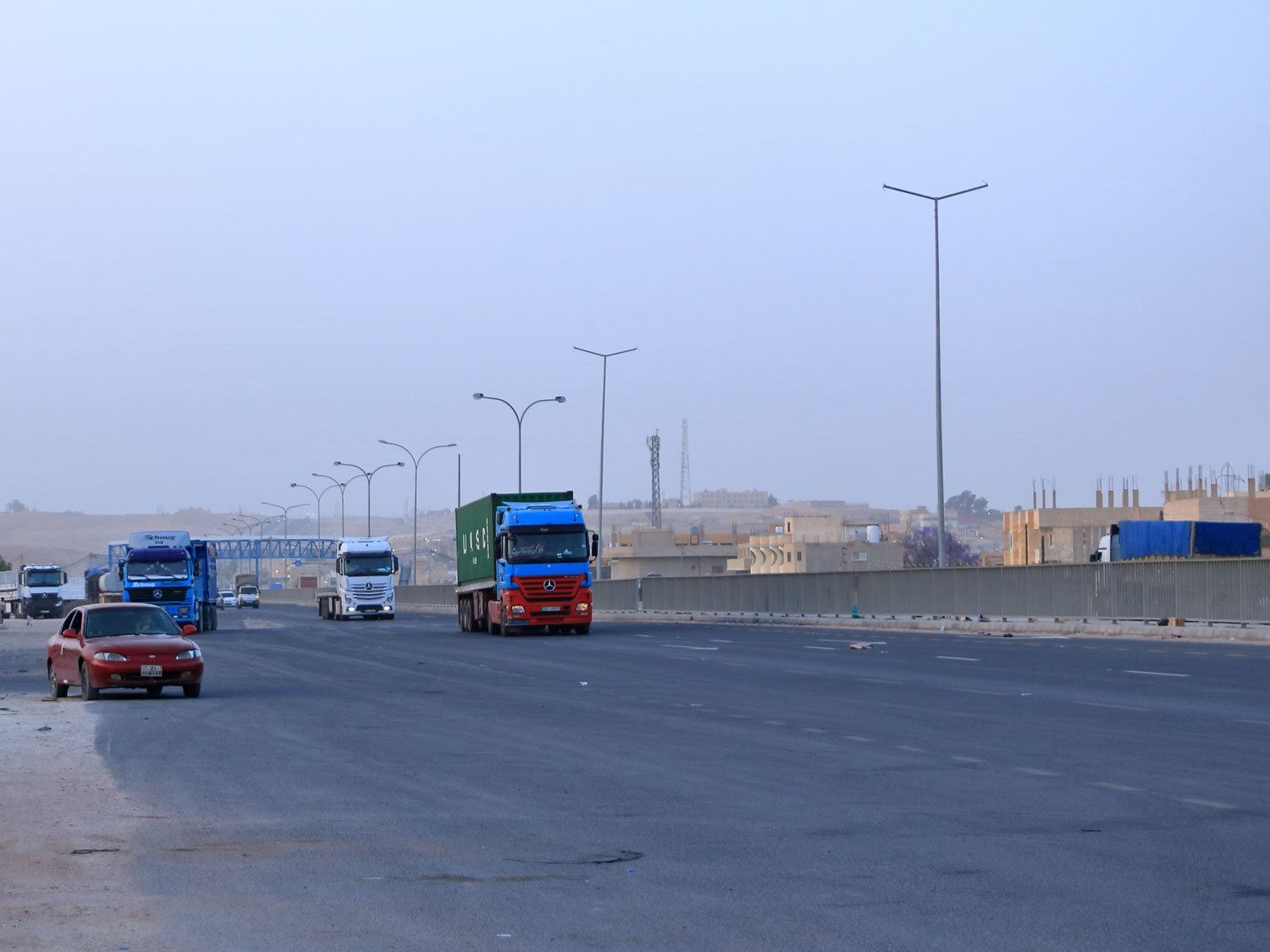
With sea services to the Middle East facing so many uncertainties and disruption overland road freight services are much in demand rates have doubled over recent weeks with routings to The Sub Sahara and Middle East.

This is an actively evolving situation, which is liable to change at any time, which is why we will continue to proactively keep you updated with the most important and relevant developments.

We are monitoring individual vessels and routes, to keep customers informed and urge you to contact your account team or manager directly, if you have questions about a live shipment, or want to discuss upcoming consignments. 

With the likelihood of significant sea freight disruption spreading, providing us with your shipment forecasts will help us secure the capacity and routing you need at the best rates. 

Whatever the challenges, our sea freight team keep your cargo moving, finding the best options for your cargo and supply chain deadlines. 

As always we are updating the latest market intelligence on this crisis as it occurs and we are informed or learn of the developments. We are always proactive and we will always have all of  the options available to mitigate impact of these events and supply change challenges.

If you have any questions or concerns about your Asia supply chain, your export logistics platform into The Middle East, Africa, Indian Sub and beyond or any of the content and  developments outlined here, please EMAIL our Chief Commercial Officer, Andy Smith.