Supply chains are no longer judged on efficiency alone, in 2026 they will be expected to anticipate disruption and adapt at speed to actively support growth. The experience of the past year confirmed that stability is no longer a realistic planning assumption, but performance under pressure is.
Rather than a single crisis, 2025 delivered constant friction. Congestion resurfaced across ports and inland networks, capacity existed but was selectively deployed, and geopolitical and regulatory shifts altered trade flows long before any formal policy changes took effect.
The result was a decisive shift in mindset: supply chains must be designed to operate in volatility, not merely recover from it.
That shift accelerates in 2026, as technology, resilience and sustainability converge to redefine how supply chains are planned, financed and executed.
Resilience becomes a competitive advantage
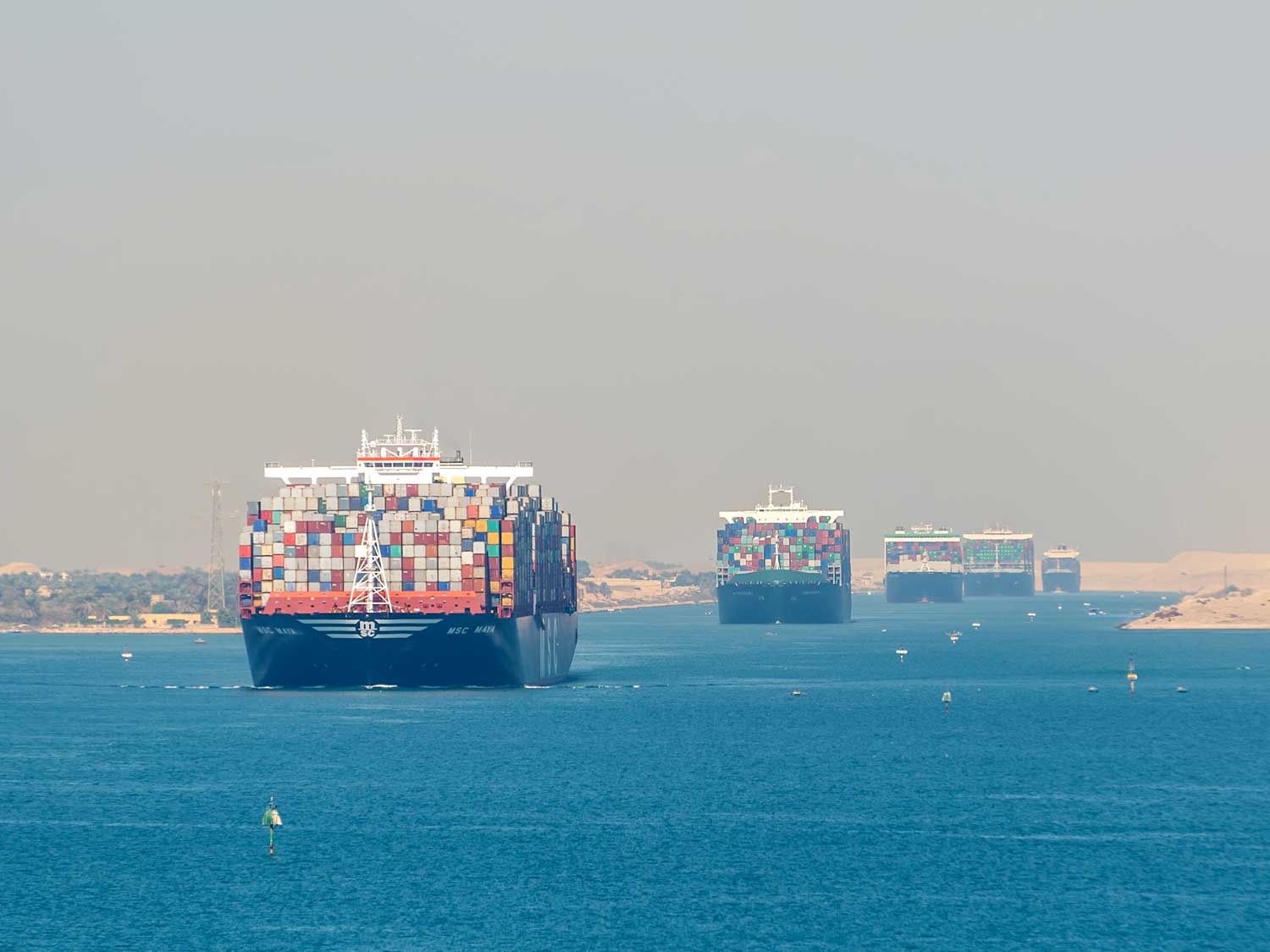
If 2025 proved anything, it was that capacity on paper does not guarantee performance in practice. Across ocean, air and road freight, service reliability was dictated by execution: blank sailings, schedule volatility and inland bottlenecks determined what actually moved.
In response, supply chain design is moving beyond simple continuity planning toward resilience, where networks are designed to adapt and improve under stress.
Common characteristics include:
- Multi-route and multimodal playbooks rather than single-lane optimisation
- Near-shoring and regionalisation to shorten lead times and reduce exposure
- Centralised planning paired with regional execution for faster response
These approaches reflect a broader shift away from cost-minimisation toward risk-adjusted performance.
Warehousing becomes a strategic control point
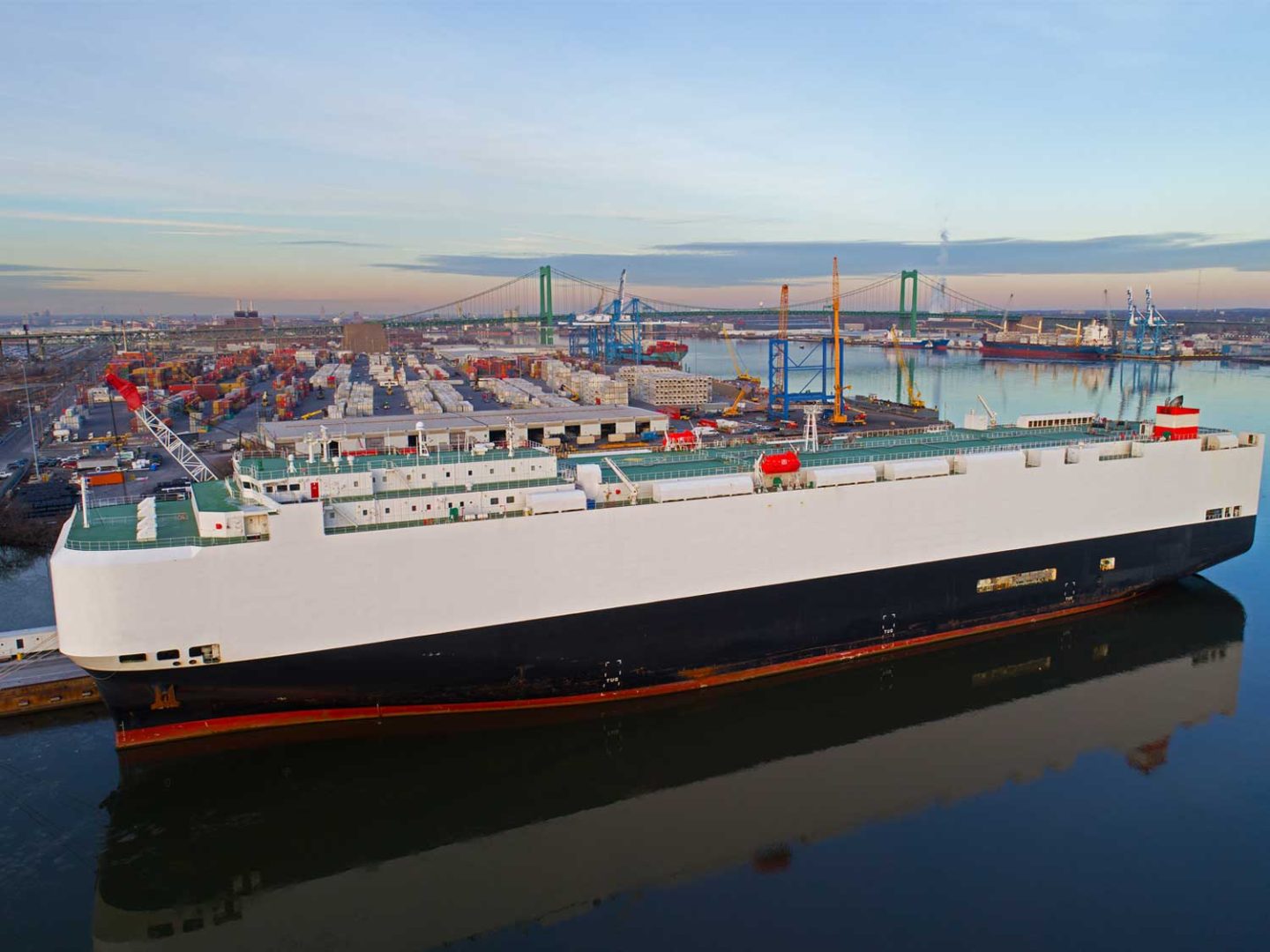
Warehousing emerged as one of the most critical differentiators in 2025 — a trend that intensifies in 2026. With transit times less predictable and congestion harder to avoid, inventory positioning and fulfilment speed have become central to supply-chain resilience.
High-performing shippers increasingly treat warehousing as an active control layer, not passive storage. Key developments include:
- Greater use of strategically located facilities to buffer disruption
- Tighter integration between warehousing, transport and customs planning
- Investment in automation and robotics that flex with demand and seasonality
This is particularly important as omnichannel and e-commerce pressures continue to grow, demanding seamless support for direct-to-consumer, BOPIS and rapid fulfilment models alongside traditional B2B flows.
From reactive networks to intelligent systems
One of the most significant changes heading into 2026 is the role of technology within supply chains. What began as analytical support is now moving into operational control.
AI-enabled tools are increasingly embedded across planning, procurement, inventory management and risk assessment, enabling supply chains to:
- Anticipate disruption through predictive insights
- Optimise routing, inventory and capacity decisions in near real time
- Coordinate responses across multiple functions and geographies
As these systems become more connected, cybersecurity and data governance also rise sharply in importance. Protecting sensitive operational, commercial and customs data is now a core supply-chain requirement, not an IT afterthought.
Data quality, skills and execution define winners
Technology alone is not enough. The past year also highlighted a widening gap between organisations that could convert insight into action and those constrained by fragmented systems and poor data quality.
In 2026, competitive advantage depends on:
- Clean, trusted and consistent data across logistics, customs and finance
- Integrated platforms rather than disconnected tools
- Teams with the skills to manage AI-driven, data-rich operations
Workforce transformation is therefore as important as digital investment. Roles are evolving toward data analytics, systems oversight and exception management, requiring targeted up-skilling to unlock value from new technologies.
Sustainability and compliance move into the operating core
Environmental and regulatory pressures are no longer peripheral considerations. Carbon pricing, emissions transparency, stricter customs enforcement and evolving trade rules are now shaping routing, mode selection and inventory strategy.
For most shippers, progress in 2026 will come less from premium “green” options and more from practical levers:
- Smarter planning and consolidation
- Modal optimisation and regionalisation
- Stronger traceability and data governance
Sustainability and compliance have become operational constraints — inseparable from cost, resilience and service performance.
Designing supply chains that perform under pressure
Taken together, the direction of travel for 2026 is clear. Supply chains are being rebuilt as intelligent, integrated systems — shifting from reactive cost centres to strategic growth engines.
The most resilient networks are those that:
- Integrate finance, procurement, logistics and technology decisions
- Combine centralised control with regional agility
- Invest equally in data, platforms, people and process
The objective is not to eliminate disruption, but to design networks that continue to perform when conditions are uncertain.
At Metro, this same mindset underpins how supply chains are assessed and supported. Stress-testing assumptions, strengthening visibility and applying execution-focused logistics, warehousing and transport strategies. In 2026, the differentiator will not be avoiding disruption, but owning a supply chain designed to operate through it.