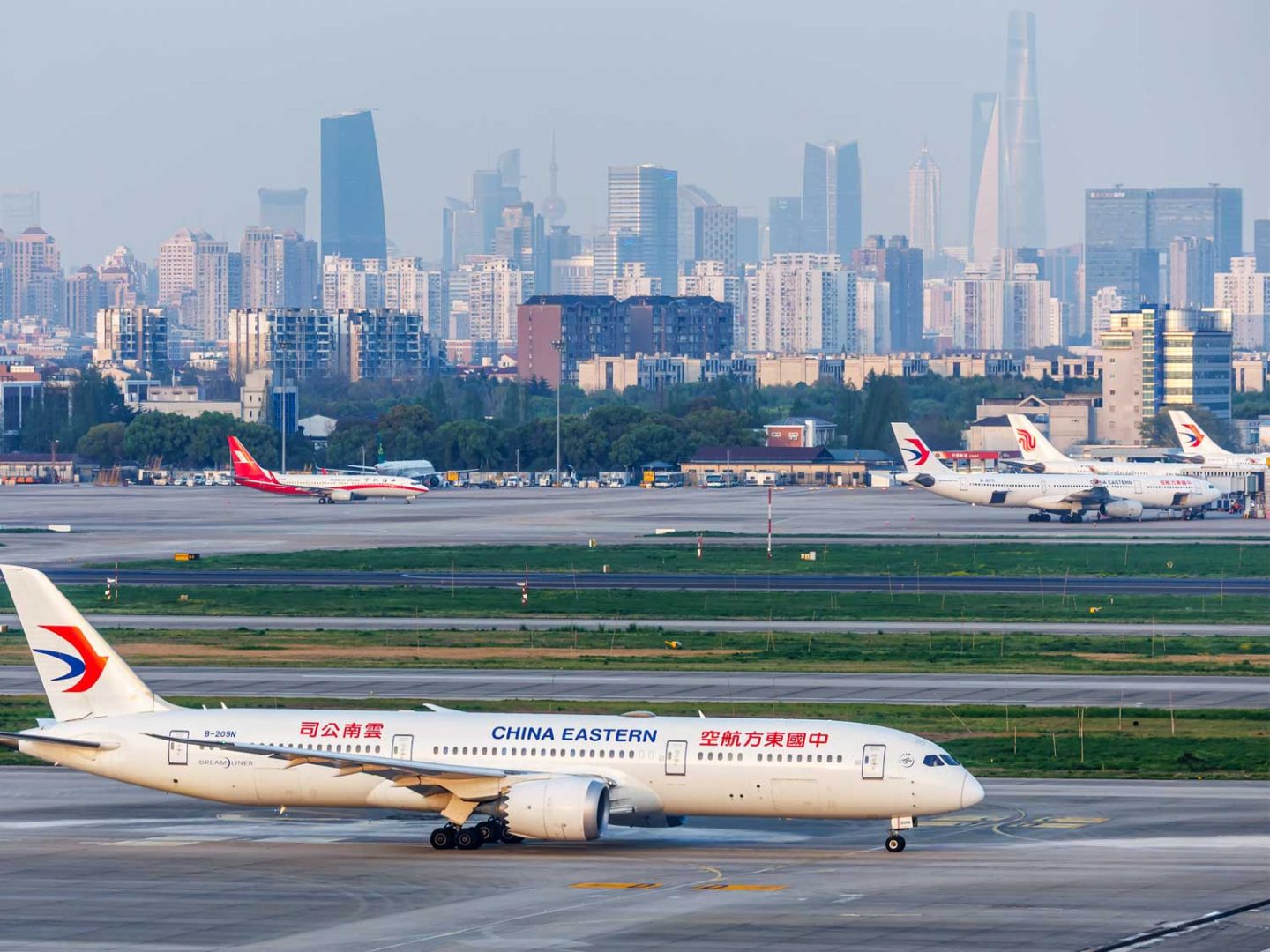
Hong Kong X ray costs and delay fears

Airfreight rates remain elevated with disruption likely to delay recovery

Airfreight markets have undergone a prolonged period of elevated pricing since the start of Middle East hostilities and despite softer demand in recent weeks spot rates have continued to rise sharply. 

Global spot rate indices are up by more than 35% year on year and have increased by over 40% since the onset of the Middle East crisis, highlighting the extent to which supply-side disruption, rather than demand, has been driving the market.

This reflects a structural shift, where fuel availability, routing complexity and network disruption are now setting the baseline for pricing.

Fuel supply constraints begin to tighten capacity further

The next phase of disruption is already emerging. The UK has taken delivery of the final shipments of jet fuel that transited the Strait of Hormuz before the conflict escalated, meaning supply constraints are now expected to intensify.

Jet fuel availability is becoming a defining factor in airline operations, with rising costs and limited supply forcing carriers to reassess schedules. Flight cancellations have already begun, and reinstating these services is not straightforward. Aircraft, crew availability, regulatory approvals and network coordination all create barriers to a rapid return of capacity.

As a result, even where demand softens, supply is tightening again, reinforcing upward pressure on rates.

Capacity recovery remains uneven and fragile

While global capacity has recovered from the initial shock, when supply fell by around 20% at the start of the crisis, it remains below previous levels and unevenly distributed.

Capacity from Middle East and South Asia origins is still significantly constrained, with reductions of around 20% year on year, limiting the availability of key transit routes. At the same time, global demand has softened, falling by approximately 8% year on year, but this has not yet translated into lower pricing.

This imbalance highlights a key market dynamic: capacity is returning, but not necessarily where it is needed, and operational constraints continue to limit how effectively it can be deployed.

Trade lane volatility reflects shifting network priorities

Rate movements are now highly variable by trade lane, reflecting how airlines are repositioning capacity.

From some origins, rates have increased by more than 50% year on year, while others have seen more moderate gains or even short-term declines. European outbound routes remain mixed, with strength on certain long-haul lanes offset by weaker demand elsewhere.

At the same time, airlines are redeploying aircraft to higher-yield routes rather than simply rebuilding pre-conflict networks, creating further imbalance across global capacity.

Recovery will take time, even under stable conditions

Even if conditions stabilise, a rapid return to normal is unlikely.

Airlines will be cautious about reinstating routes through the Middle East, given the fragility of the ceasefire and ongoing geopolitical risk. Airspace restrictions, insurance considerations and operational planning will all slow the recovery process.

Passenger networks, vital for critical belly-hold capacity, may also take time to rebuild, as demand for travel into the region recovers gradually. This will further constrain available cargo capacity.

Even with weaker volumes in some regions, rates are holding firm or increasing, and any downward correction is likely to be gradual rather than immediate.

Secure capacity in a constrained market

With fuel supply tightening, capacity uneven and recovery uncertain, airfreight is entering a period where access and planning matter more than ever.

Metro works closely with airlines and partners to secure capacity, identify alternative routings and maintain reliability in a disrupted market. If your supply chain depends on airfreight, EMAIL our Managing Director, Andrew Smith, to protect space, manage cost exposure and keep your cargo moving.
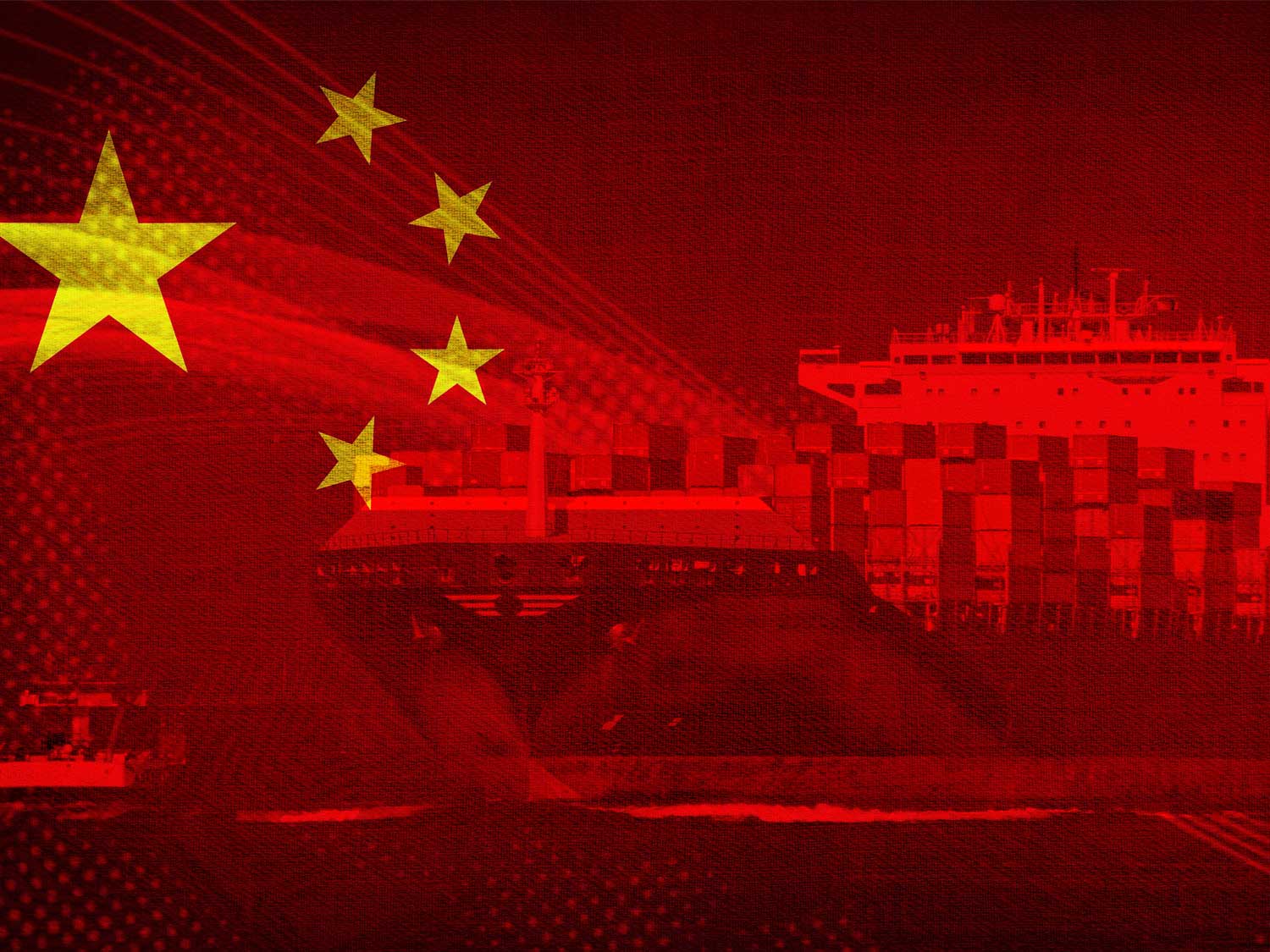
China flag and ship

China’s maritime code overhaul reshapes legal risk for UK shippers

A significant shift in the legal framework governing global shipping comes into force on 1 May 2026, as China implements revisions to its Maritime Code. 

While the changes are designed to align with international standards, their practical effect is to strengthen Chinese jurisdiction over cargo moving through its ports.

For UK shippers, this represents a meaningful change in how contracts of carriage are interpreted and enforced. Agreements that have historically relied on English law and London arbitration may now face limitations when disputes arise in connection with Chinese ports.

At the centre of the reform is a clear principle: where cargo is loaded or discharged in China, Chinese law is likely to apply. This introduces a new layer of complexity for businesses trading with or through the region, particularly where contractual terms have not been fully aligned with the updated legal framework.

Jurisdictional shift changes how disputes may be handled

The revised code increases the likelihood that Chinese courts or arbitration bodies will take the lead in resolving cargo-related disputes. In practical terms, this means that even where contracts specify alternative governing law, those provisions may carry less weight if the shipment is linked to a Chinese port.

This is particularly relevant for bills of lading, where multiple contractual layers can exist. 

The interaction between bespoke agreements and standard shipping documents is now less predictable, raising the risk that disputes will be assessed under Chinese law rather than previously agreed terms.

For UK businesses, this alters the balance of legal certainty that has long underpinned international shipping contracts.

The revisions also introduce more defined rules around cargo claims, including how and when shippers can pursue carriers for loss or damage, particularly where bills of lading have been transferred.

While this provides clearer guidance, it also requires a deeper understanding of how claims will be handled under Chinese law. Processes, timelines and evidential requirements may differ from those typically expected under English legal frameworks, affecting how disputes are prepared and resolved.

The updated code also reflects broader changes across shipping, with new provisions addressing the use of digital transport records, placing greater emphasis on compliance and reporting standards, particularly for foreign vessels. At the same time, changes to liability rules require closer scrutiny of insurance coverage and documentation.

A potentially more complex operating environment for UK trade with China

Taken together, the reforms reinforce China’s position as a central authority in the legal framework governing its trade flows. While English law and arbitration remain relevant, their practical influence may be reduced in specific cargo-related scenarios.

The impact will vary depending on contract structure, shipment type and dispute context, but the direction is clear: greater local control and increased legal complexity for international shippers.

With the changes now imminent, shippers should:

  • Review contracts covering shipments to and from China, particularly governing law and jurisdiction clauses
  • Reassess risk allocation within shipping agreements and supporting documentation
  • Confirm insurance coverage aligns with updated liability requirements

Early action will help mitigate exposure and reduce the risk of disputes being handled under unfamiliar or less favourable terms.

Metro works with customers to review contracts, align shipping strategies and ensure compliance with evolving international frameworks. If your business trades with China,  EMAIL our Managing Director, Andrew Smith, today to protect your position and keep your supply chain moving with confidence.

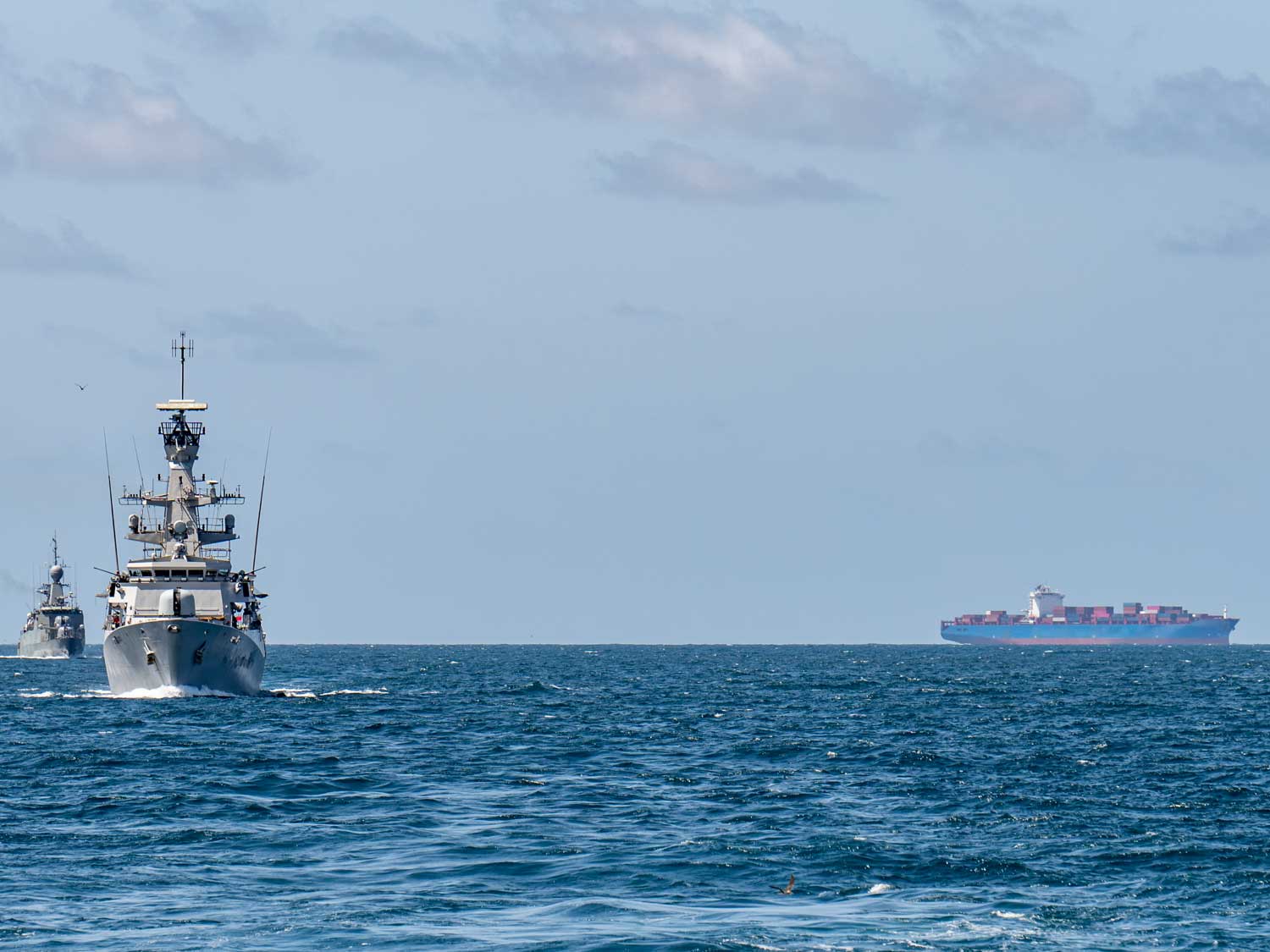
container ship and naval escort

Supply chain disruption continues despite US/Iran ceasefire

Global supply chains are operating in a more stable position than at the peak of the Iran war, but conditions remain far from normal. 

President Trump’s announcement of a ceasefire, tied to the opening of the Strait of Hormuz, has reduced immediate geopolitical tension. However, logistics networks are still dealing with the after-effects of six weeks of disruption across one of the world’s most critical trade corridors.

Shipping activity through the Strait has resumed in limited form, but not at levels that would support a full return to pre-conflict operations. Carriers, insurers and cargo owners continue to treat the region as high risk, and that caution is shaping how goods are moved globally.

A clear indicator is the sustained level of Gulf container diversions to alternative gateways due to risk or congestion. Weekly diversions have risen from under 2,000 to consistently above 9,000 since early March. The UAE still receives 42% of diverted cargo, while Saudi Arabia’s share has climbed from 4% to 24% in five weeks. The 6 April attack on Khawr Fakkan has also removed a key alternative hub, adding further pressure to the network.

Congestion and cost pressures extend beyond the Gulf

The impact of these diversions is now being felt well beyond the Middle East. As cargo is redirected through alternative routes, pressure is building at ports not designed to handle sustained increases in transhipment volumes.

Navi Mumbai transhipment volumes have surged more than 1,300%, while import dwell times peaked at 23 days and remain elevated at around 20 days. Transhipment dwell has also increased, reaching 11 days and continuing to rise.

These developments underline a broader point: while flows have not stopped, the network has become less efficient. Transit times are longer, routing is less direct, and the risk of delay has increased at multiple points along the supply chain.

Energy disruption remains a central factor. The Strait of Hormuz has been functionally constrained for several weeks, removing an estimated 7–10% of global oil supply once partial workarounds are considered. This is feeding directly into transport costs across ocean, air and inland networks, while also increasing volatility in fuel pricing.

Global economies face different but connected pressures

The IMF have issued their updated global economic outlooks, with global GDP expected to slow to 3.1% in 2026 and 3.2% in 2027, while UK growth for 2026 has slowed from 1.3% to 0.8%, reflecting reliance on imported energy and the wider inflationary effects of sustained disruption. 

As energy-driven inflation persists and interest rate cuts are delayed, businesses are seeing pressure on margins, reduced order volumes and tighter working capital, while influences procurement and inventory strategies.

In the United States, supply chains are tightening rather than slowing. The Logistics Manager’s Index rose to 65.7 in March, its highest level since May 2022, with transportation, warehousing and inventory costs all increasing. Diesel prices have risen by almost 50% since late February, pushing trucking fuel surcharges to their highest levels since 2022.

A key difference compared to previous disruptions is the lack of buffer in the system. Inventories are leaner and fleet capacity has already been reduced, leaving less room to absorb further shocks. This increases the risk of stock-outs or service disruption if conditions deteriorate.

Business response: cautious planning and greater resilience

Across sectors, businesses are taking a measured but cautious approach. The ceasefire has improved sentiment, but expectations remain grounded. One retail CEO described it as a positive step that should gradually improve logistics planning and route reliability, while warning that supply chains would take time to rebalance. Another business leader noted that while freight costs had already increased, the business had anticipated this and planned accordingly, although any sustained rise in oil prices would create further pressure.

There are also early signs of upstream impact. In manufacturing supply chains reliant on imported energy, lead times have extended by up to six weeks in some cases. Textile production is reported to be down by around 15–20%, indicating that disruption is beginning to affect output at source. These effects typically take time to filter through to finished goods, but they highlight the potential for delayed disruption later in the supply chain.

In response, businesses are shifting from efficiency towards resilience, with greater emphasis on flexibility in routing, supplier selection and inventory management.

Short-term outlook: stabilisation without normalisation

In the near term, the most likely scenario is continued stabilisation without a full return to normal conditions. Vessel backlogs have eased and airspace restrictions eased, with some capacity redeployed, but diversion levels remain high and alternative hubs are under pressure. The loss of key secondary ports and ongoing uncertainty around the Strait mean carriers are unlikely to revert quickly to previous routing patterns.

For supply chains, this translates into a more complex operating environment. Costs remain elevated, transit times are less predictable, and planning cycles need to account for ongoing disruption rather than a rapid recovery.

In an environment where stability cannot be assumed, the ability to adapt quickly is critical and the right logistics partner can make the difference between maintaining flow and losing control.

With critical market insights, flexible routing options and proactive supply chain management, Metro helps customers overcome the most challenging conditions. 

EMAIL our Managing Director Andy Smith.

Qatar unloading

Air freight enters a new supply‑constrained phase

Global air freight markets have shifted abruptly from gradual recovery to a far more volatile, supply‑constrained environment, with the Middle East crisis now the dominant driver of pricing, routing and capacity decisions.

Rates have risen quickly in recent weeks, with fuel costs, network disruption and capacity reallocation creating a more complex operating environment. Despite the recent US–Iran ceasefire, conditions remain very far from normal, and will take far longer to unwind than the political headlines might imply.

Recent data points to a clear inflection. Over a four-week period to early April, global air freight rates increased by more than 25%, returning towards peak season levels. On some key corridors, the increases have been significantly steeper. India–Europe rates, for example, have more than doubled, while Hong Kong–Europe lanes have seen sustained upward pressure. These shifts reflect tightening supply rather than a surge in demand.

At the same time, global airfreight tonnage declined by around 4% in March, underlining the disconnect between demand and pricing. The market is no longer demand-led. Instead, it is being shaped by constrained effective capacity and rising operating costs.

Capacity disruption, fuel costs and network reconfiguration

Airspace restrictions, security concerns and operational risk have reduced flexibility, forcing airlines to reroute flights and extend transit times. While a ceasefire has eased immediate tensions, it has not resolved the structural challenges now embedded in the market.

At the peak of disruption, an estimated 15–20% of global air cargo capacity was effectively offline. Although some capacity has since returned, longer routings and operational inefficiencies mean that usable capacity remains significantly below nominal levels.

This is reflected in network behaviour. Capacity has not disappeared entirely, but it has been redistributed. Freighter capacity increased by approximately 9% month-on-month in March, as operators responded to gaps left by reduced belly-hold availability through Middle Eastern hubs. However, this growth has been uneven.

Routes directly affected by the crisis have seen double-digit capacity declines, while others have expanded rapidly. Asia–Europe has emerged as a key beneficiary, with airlines shifting towards more direct routings and alternative hubs. By contrast, Asia–North America lanes have softened, reflecting weaker demand and ongoing policy uncertainty.

Fuel is now a central factor in this shift. Jet fuel prices have risen sharply, in some regions by as much as 160% year-on-year, driven by supply constraints and extended replenishment cycles. In practical terms, this is increasing operating costs across all long-haul routes, particularly those requiring rerouting around restricted airspace.

These cost pressures are feeding directly into pricing, with carriers adjusting pricing to reflect higher fuel exposure and reduced network efficiency.

The combined impact of capacity constraints and fuel inflation is reshaping the structure of the air freight market. Growth expectations have already been revised downwards, with several percentage points of anticipated expansion lost in a matter of weeks.

More significantly, the market is no longer moving in a synchronised way. Instead, it is fragmenting into a series of regional and corridor-specific dynamics. Some lanes are experiencing acute capacity shortages and sharp rate increases, while others remain relatively stable or are softening.

Even with signs of stabilisation, a return to pre-disruption conditions is not expected in the near term. Rebuilding network efficiency, rebalancing fuel supply chains and restoring operational confidence will take time. Extended transit times, reduced routing flexibility and ongoing geopolitical uncertainty will continue to shape the market.

Metro delivers resilient air freight solutions built around your priorities. Combining strong airline relationships, global gateway options and flexible routing to secure space, maintain transit reliability and keep your cargo moving, even as market conditions shift. EMAIL our Managing Director Andy Smith to learn more.