European roadmap to recovery

ICS2 and ELO: Preparing for the Next Phase of EU Border Compliance

As of 1st April, the European Union’s Import Control System 2 (ICS2) entered its final implementation phase; a critical milestone for businesses moving goods into the EU. 

Designed to enhance the safety and security of EU-bound shipments, ICS2 is now live across all transport modes, including road and rail, in addition to air, maritime, and inland waterways.

Import Control System 2

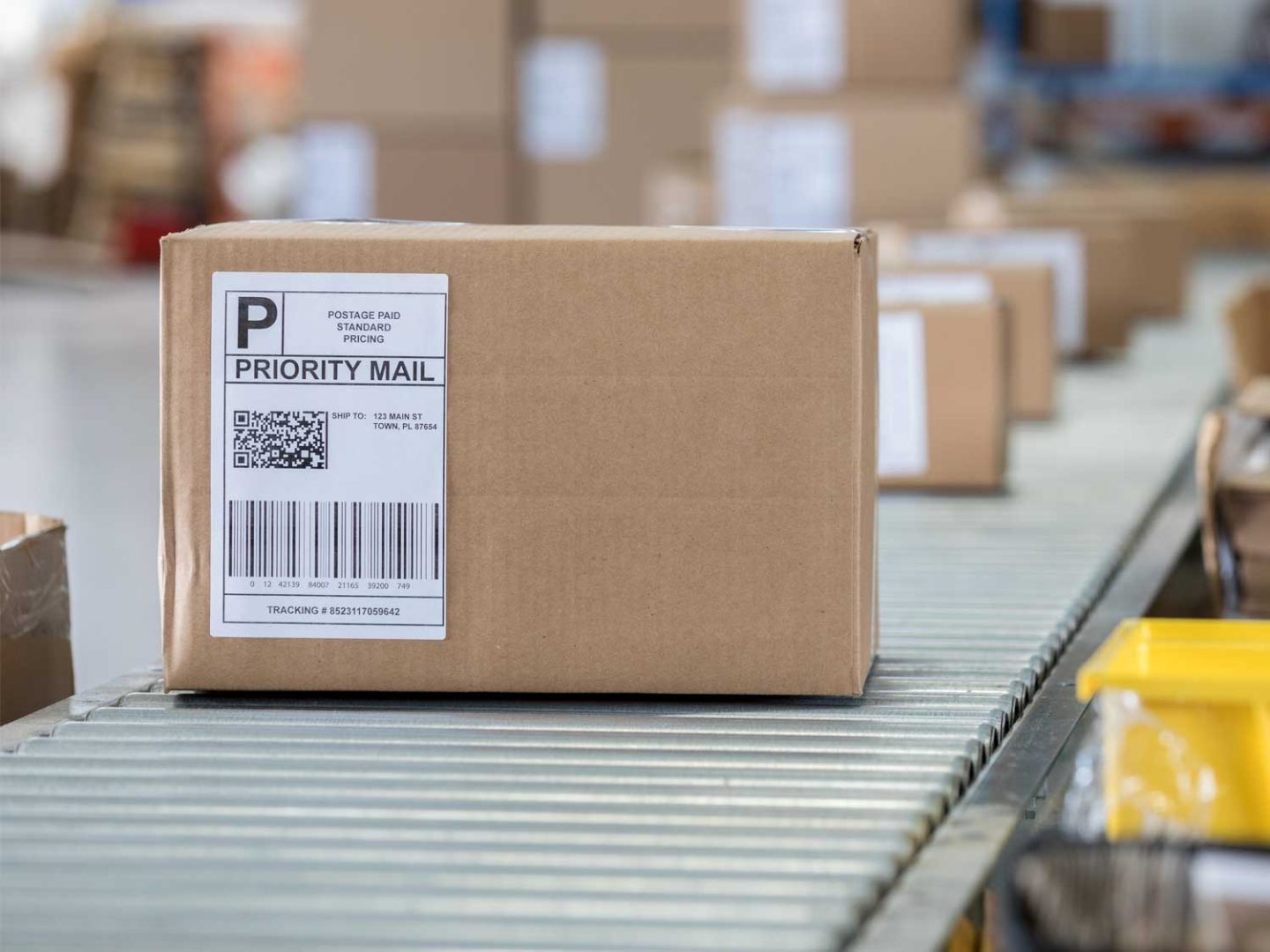
ICS2 introduces a standardised, data-driven pre-arrival notification for goods entering the EU. The system mandates the submission of accurate and complete Entry Summary Declarations (ENS) before arrival at the EU’s external border. These declarations allow customs authorities to perform detailed risk assessments and target high-risk consignments before they enter the supply chain.

This not only improves customs enforcement but supports a more secure and streamlined trade environment.

This latest phase introduces two key updates:

  1. 1. Mandatory House Bill Filings for Surface Containerised Movements
    This update predominantly affects sea freight and applies to:

    • Goods moving to the EU
    • In-transit shipments through the EU
    • Freight Remaining on Board (FROB)
  1. 2. Live ICS2 Filing for Road and Rail Movements
    Both accompanied and unaccompanied trailers now fall under ICS2’s scope. Businesses must submit ENS data 1 to 2 hours before EU arrival, depending on the transport type. Timing is critical — incomplete or late submissions could lead to delays, detentions, or even denied entry.

The Enveloppe Logistique Obligatoire

As introduced during our most recent webinar, ELO is not to be confused with the 70s rock band, it represents a major evolution in French customs procedures.

ELO is an extension of France’s import/export pairing process. Under the new system, every crossing from GB into France will require a declaration barcode, which also supports onward movement into the remaining 27 EU countries. The goal is to digitise and streamline freight verification, with a single ELO envelope covering the full logistics trail.

Metro’s Briefing Webinar

On Friday, 28th March, Metro hosted its second industry webinar, focusing on the latest regulatory developments. The webinar audience were briefed by our experts on the latest regulatory developments, including ICS2 declarations, the introduction of ELO, updates and the Carbon Border Adjustment Mechanism (CBAM). 

They were also updated on changes to the UK Customs Declaration Service (CDS) for exports, evolving trade agreements such as the CPTPP, and implications of the Windsor Framework for Northern Ireland.

The session aimed to ensure attendees are not just compliant but well-positioned to optimise their supply chain strategies in this evolving regulatory landscape.

Stay connected with Metro for expert-led insights, upcoming webinars, and on-the-ground support to navigate new regulatory frameworks confidently. EMAIL Andy Fitchett to register your interest.

strike at port

Labour disputes at European ports disrupt container shipping

Trade union action across major European ports, particularly in Rotterdam and France, are causing significant disruptions to container shipping, exacerbating existing supply chain challenges.

Strikes at Rotterdam’s Delta II terminal and ongoing industrial action at French ports have created congestion, delays, and logistical bottlenecks, prompting carriers to reroute vessels and seek alternative solutions.

Rotterdam turmoil and ripple effects
Contract negotiations that began in November have stalled, while the FNV Havens and CNV unions have been locked in dispute with employers since the second half of last year over port automation concerns. Dockworkers have been staging intermittent strikes that have severely impacted deep-sea vessel operations, feeder ship schedules, and inland-bound cargo movements. The situation has escalated with calls for solidarity action across Europe, urging other ports not to handle diverted vessels. While no widespread solidarity strikes have been reported, shipping lines remain on high alert, monitoring developments and adjusting vessel rotations as necessary.

Congestion at Rotterdam has intensified due to a combination of adverse weather, holiday-related backlogs, and surging cargo volumes from Asia. As a result, vessels are facing extended waiting times, with some opting to bypass the port altogether. The container yard capacity is nearing full utilisation, and precautionary measures, such as limiting empty container acceptance, have been implemented to manage the strain.

French port strikes deepen crisis
Meanwhile, industrial action at French ports is compounding the disruption. Dockworkers are protesting against pension reforms, with frequent work stoppages and a series of strikes planned throughout March. These actions have significantly impacted cargo handling operations at key ports, including Le Havre and Marseille-Fos, leading to increased transport costs and supply chain strain for businesses dependent on timely shipments.

The business community has voiced concerns over the economic fallout, citing rising supply chain costs, shipment delays, and a decline in sales due to the port closures. Calls for government intervention and a coordinated public-private response have been made in an effort to mitigate the impact and prevent further damage to trade and industry.

Wider European impact
As Rotterdam and French ports struggle with ongoing disruptions, other European hubs, such as Antwerp-Bruges, are facing additional pressure. With cargo diversions increasing, terminal congestion at Antwerp has reached critical levels, forcing operators to implement emergency measures. 

Import deliveries are being prioritised over exports, and yard space constraints are leading to restrictions on transshipment volumes. Barge and feeder operations are experiencing significant delays, further straining inland logistics networks.

With no immediate resolution in sight for either the Rotterdam or French port disputes, container carriers are bracing for continued volatility.

With escalating labour disputes at key European ports, including Rotterdam and France, container shipping is facing increasing delays, congestion, and logistical challenges. At Metro, we have contingency plans in place to bypass affected ports, leveraging alternative routes and entry points to keep your cargo moving.

To minimise disruptions, we encourage you to share your shipping forecasts as early as possible so we can proactively mitigate potential issues.

For tailored solutions and expert guidance on protecting your supply chain, 

EMAIL Andrew Smith, Managing Director, today.

RoRo in US 1440x1080 1

Trump’s new tariffs could shake the UK and EU automotive sector

New US tariffs on steel, aluminium, and auto parts threaten production costs, trade relationships and market stability, and for UK and EU carmakers, the implications of these policies could be severe, impacting everything from manufacturing costs to supply chain efficiency and trade competitiveness.

During a press conference on the 18th February, President Trump confirmed that auto tariffs would be set “in the neighbourhood of 25%.” Trump suggested that more clarity on the details would emerge by the 2nd April, coinciding with the conclusion of an investigation into international tariff policies. The move signals potential reciprocal tariffs against nations deemed to impose excessive duties on US imports.

The US president has already announced a 25% tariff on steel and aluminium imports from Canada and Mexico, reversing previous trade agreements and significantly increasing costs for North American carmakers. This move comes alongside a threat to impose similar 25% tariffs on auto parts, a policy that could upend the region’s deeply integrated supply chain.

The US-Mexico-Canada Agreement (USMCA) was designed to protect North American vehicle production, stipulating that 75% of a vehicle’s content must be produced within the region to qualify for duty-free trade. However, the proposed tariffs would undermine these rules, forcing manufacturers to absorb the costs or seek alternative sourcing strategies.

The risk to UK and EU carmakers

Trump’s administration has also pledged to introduce reciprocal trade measures, targeting countries with higher tariffs on US exports. The EU currently imposes a 10% tariff on imported vehicles, while the US applies only 2.5% on passenger cars. The White House sees this as an unfair imbalance and is now considering higher duties on EU automotive imports, further straining transatlantic trade.

The UK and EU have long relied on access to the North American market, with car exports forming a major part of trade with the US. If tariffs are introduced, UK and EU carmakers will face higher costs to sell vehicles in the US, making them less competitive.

An example of the potential impact is a leading German high-performance car manufacturer, which has seen the US overtake China as its largest market. The brand relies heavily on imports to supply its American dealerships and is particularly vulnerable as it has no quick fix to localise production.

Analysts suggest that if tariffs exceed 10%, it may have to consider shifting some SUV production to the US, but logistical and supplier challenges present significant hurdles.

The financial impact could be severe. Industry estimates suggest that a tariff increase to 10% could eliminate billions from German automakers’ earnings before interest and taxes. While high-margin luxury models could potentially pass costs onto consumers, more competitively priced models may struggle to remain viable in the US market.

New era of trade uncertainty

The North American automotive market is one of the most interconnected in the world, with carmakers and suppliers depending on seamless cross-border trade. The new tariffs could lead to supply shortages, higher production costs, and retaliatory trade measures from Canada and Mexico.

Retaliation is already on the horizon, with Canada, Mexico, and the EU preparing countermeasures. The European Commission has pledged to respond “firmly and immediately” if additional tariffs are imposed, warning that the US is undermining decades of global trade cooperation.

As global trade policies shift and new tariffs reshape supply chains, proactive planning is more critical than ever. At Metro, we leverage award-winning services and deep industry expertise to help automotive brands, manufacturers and OEM’s navigate evolving trade barriers, regulatory changes, and supply chain disruptions.

Whether you need to mitigate the impact of tariffs, ensure compliance with new regulations, or adapt sourcing/export strategies, our tailored solutions keep your supply chain resilient and competitive.

EMAIL Andy Smith, Managing Director, today to explore how Metro can safeguard your supply chain and support your business in 2025 and beyond.

Stressed businessman 1440x1080 1

Seven supply chain shocks in seven weeks

Just seven weeks into 2025, global supply chains have already faced a whirlwind of challenges.

From industrial action to trade barriers and shifting alliances, businesses must stay agile to navigate ongoing disruptions. Here are seven of the most impactful developments so far this year.

1. US east coast port strike averted (8th January)
A major disruption was narrowly avoided as the International Longshoremen’s Association (ILA) and United States Maritime Alliance (USMX) reached a tentative six-year agreement. The deal, approved on 7 February, prevented a strike that could have crippled US east coast ports for months. A final vote on 25 February will confirm its ratification.

2. Uncertainty over Suez Canal return (19th January)
Despite a fragile ceasefire in Gaza, container ships will not be returning to the Red Sea anytime soon. Carriers remain cautious, fearing renewed instability and prioritising the established Cape of Good Hope diversions. Even if ships do resume transit, severe disruption is expected, with schedules taking up to two months to stabilise.

3. Trump’s trade policies spark concerns (20th January)
Following his inauguration, President Trump swiftly reignited trade tensions, threatening tariffs on Colombia, China, Canada, and Mexico. Proposals include a 25% levy on steel and aluminium from Canada and Mexico, with reciprocal tariffs also being considered for UK imports. The potential trade war could have widespread consequences for global supply chains.

4. US air cargo demand under threat (1st February)
Trump’s decision to impose a 10% tariff on all Chinese imports and temporarily suspend the de minimis exemption for low-value Chinese shipments has sent shockwaves through the air freight sector. While the exemption was reinstated, changes to eCommerce regulations could significantly disrupt air cargo flows into the US, which is expected to receive 1.4 billion eCommerce packages this year.

5. New Asia shipping alliances reshape trade (2nd February)
The long-anticipated shift from three major container alliances (Ocean, THEA, 2M) to four key players (Ocean, Premier, Gemini, MSC) is now in effect. Asia-North Europe scheduled liner capacity will shrink by 11%, yet the number of weekly sailings will increase from 26 to 28. These changes will reshape global shipping networks for years to come.

6. European road freight rates stabilising (4th February)
After three years of decline, European road freight spot rates may have hit their lowest point. According to the European Road Freight Rate Benchmark, spot rates fell just 1% year-on-year in Q4 2024. While demand remains weak, cost pressures have kept rates 15% above pre-pandemic levels, with short-term volatility expected.

7. Carriers cut sailings to stabilise rates (14th February)
Shipping lines are aggressively blanking sailings to ease the transition to new alliance schedules and sustain freight rates. Between 17 February and 23 March, 51 sailings have been cancelled across key east-west trade routes, with February’s cancellations rising to 133 from 104 in January. Further capacity withdrawals and a general rate increase (GRI) could follow if demand fails to recover.

With trade disputes, shipping realignments, and geopolitical instability shaping global supply chains, the first quarter of 2025 has already presented significant challenges.

Staying ahead requires proactive strategy adjustments to mitigate risks and build resilience. That’s why we share these insights and why your Metro account management team is always by your side, ready to provide expert advice, share knowledge, and develop bespoke solutions tailored to your supply chain needs.

For high-level support, EMAIL Andrew Smith, Managing Director.