Trump on tv 1440x1080 1

The potential impact of the new US administration on global trade

As the United States, and the world, braces for potential shifts in trade policy, new tariff proposals and ongoing supply chain challenges are reshaping the global logistics landscape.

President-Elect Trump’s threatened trade tariffs, along with geopolitical and operational pressures, are driving significant changes in import patterns, freight rates, and supply chain strategies.

Protectionist policies
President Trump’s first administration was marked by aggressive trade policies, and his second term is marked by a resurgence of tariff-based strategies targeting China and other major trading partners. Proposed tariffs include a universal rate of 10-20% on all imports to the US, with an additional 60-100% on imports from China, together with another 10% above any additional tariffs, on all products, until the supply of the illegal drug fentanyl ceases. 

These measures could significantly raise consumer costs for goods such as apparel, toys, furniture, and household appliances. In 2023, tariffs on Chinese apparel cost U.S. companies and consumers $1.3 billion, with forecasts estimating that consumers would pay between $13.9 billion and $24 billion more annually due to the proposed tariffs.

Additional tariffs could reduce trans-Pacific shipping volumes, while supply chains may diversify further to Southeast Asia, India, and Latin America. These shifts would alter global shipping patterns and potentially lower container shipping demand from Asia.

Surge in imports ahead of tariffs
The prospect of new tariffs is expected to accelerate import activity, as businesses aim to pre-empt the potential cost increases by expediting shipments, placing substantial demand on vessel space. This surge, if realised, would exacerbate pressures on an already strained logistics infrastructure, particularly during peak seasons.

Volatility in sea freight rates
Tariff-driven demand spikes are poised to push freight rates higher, especially on trans-Pacific routes. Companies, wary of increasing costs, are likely to explore alternative sourcing locations outside China, though this has been complicated further as the US president-elect said he would sign an executive order imposing a 25% tariff on all goods coming from Mexico and Canada, after being inaugurated on 20 January 2025. The impending early Chinese lunar new year in late January 2025 further compounds the uncertainty, as shippers rush to secure capacity.

Heightened supply chain challenges
Labour disputes continue to threaten North American supply chains, with the potential for an International Longshoremen’s Association (ILA) strike if negotiations do not conclude positively by January 2025. Concurrently, recent lockouts at Montreal and Vancouver ports have disrupted trade flows, with ripple effects expected at other ports, including Halifax.

A second Trump administration may prioritise renegotiating or withdrawing from international trade agreements to favour US interests, including potential revisions to WTO agreements. Such moves could disrupt North American trade flows and create further uncertainty for global shipping stakeholders. Additionally, heightened geopolitical tensions could impact critical maritime routes and alliances, particularly in the South China Sea.

The combination of tariff uncertainties, labour disputes, and shifting sourcing strategies signals a challenging period for global trade. Rising costs and operational complexities could challenge shipping in the long term, with broader implications for economic stability.

As the situation in the United States develops we will continue to provide regular updates, but if you have any concerns or questions about how these events might impact your shipments, please reach out to us.

EMAIL Chief Commercial Officer, Andy Smith today to learn how we can safeguard your supply chain during challenging periods.

Emirates Dubai

Air freight surges as supply chains feel the pressure

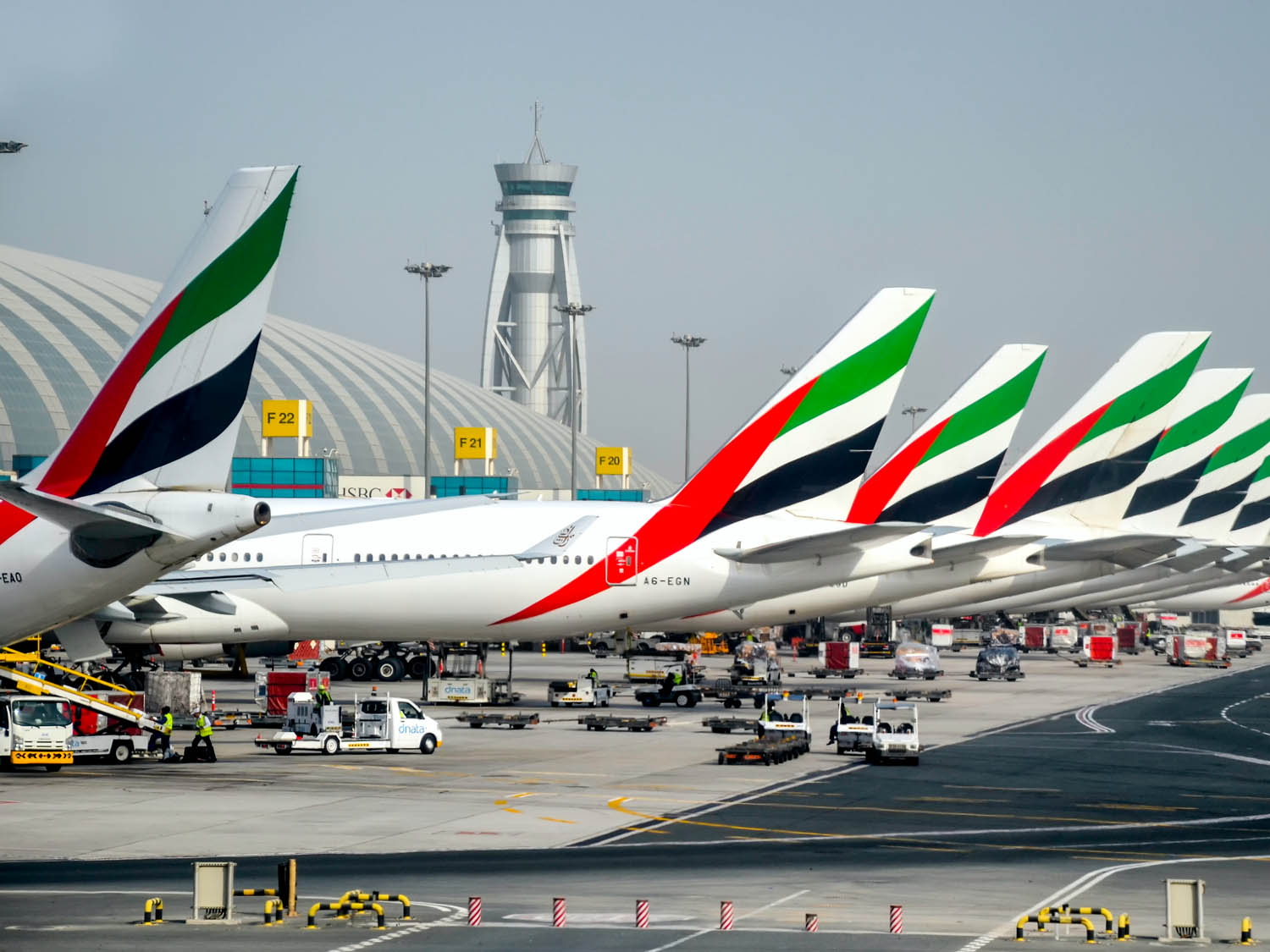
The air freight sector, which is already experiencing a demand spike in many regions, is anticipating another surge as the strikes at US East and Gulf Coast ports are likely to fuel even more demand on the time-sensitive mode.

With more than half of US containerised volumes moving through East and Gulf Coast ports the strikes will quickly have a profound impact on trade, especially with the peak holiday season approaching. The industrial action is expected to cause significant delays and backlogs, with each day of the strike potentially adding 5–10 days of cargo build-up.

As a result, many businesses will be reassessing their logistics strategies and opting for air freight to avoid the uncertainty of ocean shipping. This shift will put additional pressure on an already strained air freight market, with capacity tightening and rates rising.

Air cargo rates on routes from Asia to the US and Europe have already risen, as robust demand for eCommerce and traditional cargo has lifted load factors to almost 90% in September, with demand expected to strengthen further ahead of Black Friday and Cyber Monday.

As air freight capacity is being redirected by carriers from less profitable trade lanes, such as South America and India, to the more lucrative trans-Pacific and Asia-Europe routes, businesses on these secondary routes are finding it increasingly difficult to secure space for their shipments.

This trend is mirrored across other key Asian markets, with Japan, Bangladesh, and Southeast Asia also seeing sharp increases in air freight prices, driven by typhoon-related disruptions and ongoing strong demand.

Rates from Bangladesh to Europe and the US have risen dramatically, with prices to the US more than three times higher than the same period last year. The political unrest and logistics disruptions in Bangladesh, a key textile export nation, have further limited capacity and pushed up rates.

Q4 peak season set to intensify pressure
Massive eCommerce volumes from Asia are already tying up to 150 freighters per day and with volumes forecast to surge, conventional shippers, including those in retail and automotive, may struggle to secure the space they need for their shipments.

Our block space agreements (BSA) and capacity purchase agreements (CPA)  protect space and capacity on the busiest routes, so share your shipping forecasts and we will fly your cargo at the best rates.

Regardless of your cargo type, size and requirements, we have extremely competitive rate and service combinations, to meet every deadline and budget.

EMAIL Elliot Carlile, Operations Director, for insights, prices and advice on our airfreight, charter and sea/air solutions. 

Bank of England

Economic momentum for UK businesses in 2024

With increasing confidence, improving trade prospects, and a focus on stability, the environment is ripe for businesses to capitalise on opportunities. Data from multiple sources shows positive trends, underscoring the resilience and potential of the UK economy.

Business confidence reaches new highs
The Lloyds Business Barometer for July 2024 reports that, buoyed by positive trading prospects, business sentiment remains above the long-term average, continuing a 14-month streak of positivity. Output expectations have reached a seven-year high, with 62% of businesses reporting stronger activity. This optimism is reflected across regions, with confidence increases in the East Midlands, Wales, and the East of England.

The retail sector, in particular, has seen a resurgence, with output expectations hitting their highest level since the pandemic. This is supported by an improvement in consumer confidence, driving investment and expansion.

Director confidence at a three-year peak
A similar wave of optimism is seen among business leaders, as revealed by the Institute of Directors (IoD). Economic confidence among directors reached a three-year high in July, with the IoD’s Directors’ Economic Confidence Index rebounding to +7 from -14 in June. This marks the first positive reading in three years, driven by the government’s focus on industrial strategy, skills, and infrastructure development, which are crucial for unlocking further growth potential.

Strong performance in trade and exports
Trade figures further reinforce the favourable outlook. The Office for National Statistics has highlighted that 21% of UK businesses have exported over the past 12 months, with 16% reporting increased exports. Additionally, the British Chambers of Commerce noted strong goods export performance, particularly to the EU, with key sectors such as machinery, transport equipment, and pharmaceuticals leading the way.

Outlook: Positive future for growth
With 58% of firms expecting increased turnover in the next 12 months, the momentum is set to continue. Inflation concerns are easing, offering further stability for growth plans. Now is the time for businesses to seize these favourable conditions and pursue new opportunities for expansion.

We are proactively expanding our services and technical capability, to offer tailored solutions that help our customers capitalise on the increasing demand in domestic and international markets.

By enhancing our supply chain support, improving logistics efficiency, and providing timely insights, we are ensuring that our customers are well-positioned to seize new opportunities for growth and navigate the evolving economic landscape with confidence.

If you have any concerns or would like to discuss our contingency services, please reach out to our Chief Commercial Officer, Andy Smith, via EMAIL.

container ship and naval escort

SECURITY UPDATE: Red Sea

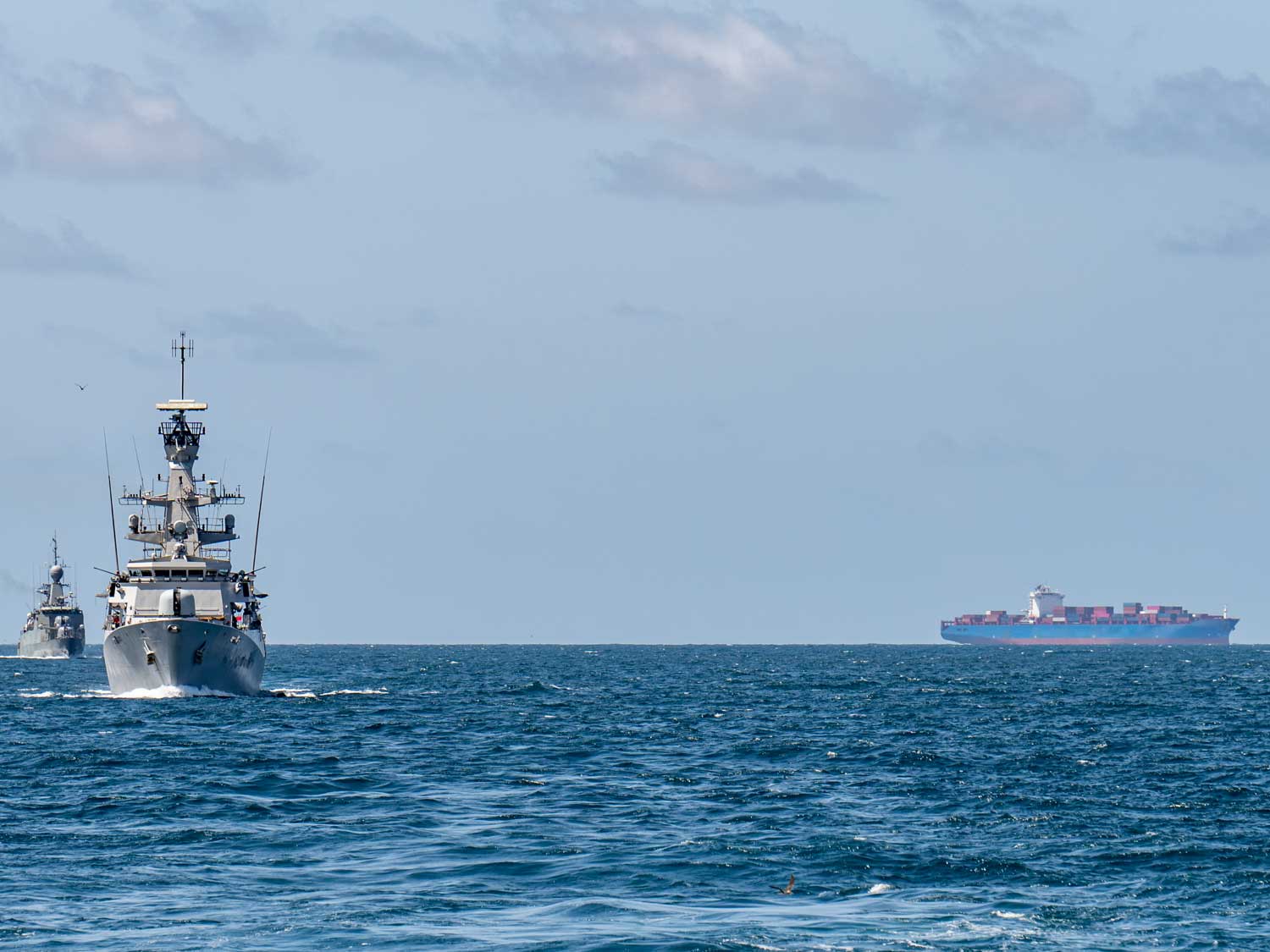
The recent sinking of the Prestige Falcon oil tanker, following a Houthi attack, marks the deadliest incident involving these strikes to date.

The vessel capsized near the Omani coastal city of Duqm, and while the Indian Navy rescued nine of the 16 crew members, one was found deceased, and six remain unaccounted for, feared to have gone down with the ship.

The Prestige Falcon, flagged under the Comoros, was targeted approximately 5 nautical miles southeast of Ras Madrakah, Oman, closer to the Persian Gulf than the typical Red Sea and Bab al-Mandeb strait attack zones. With at least 100 Houthi attacks on merchant ships so far, resulting in the deaths of four seafarers, this incident could significantly increase that toll.

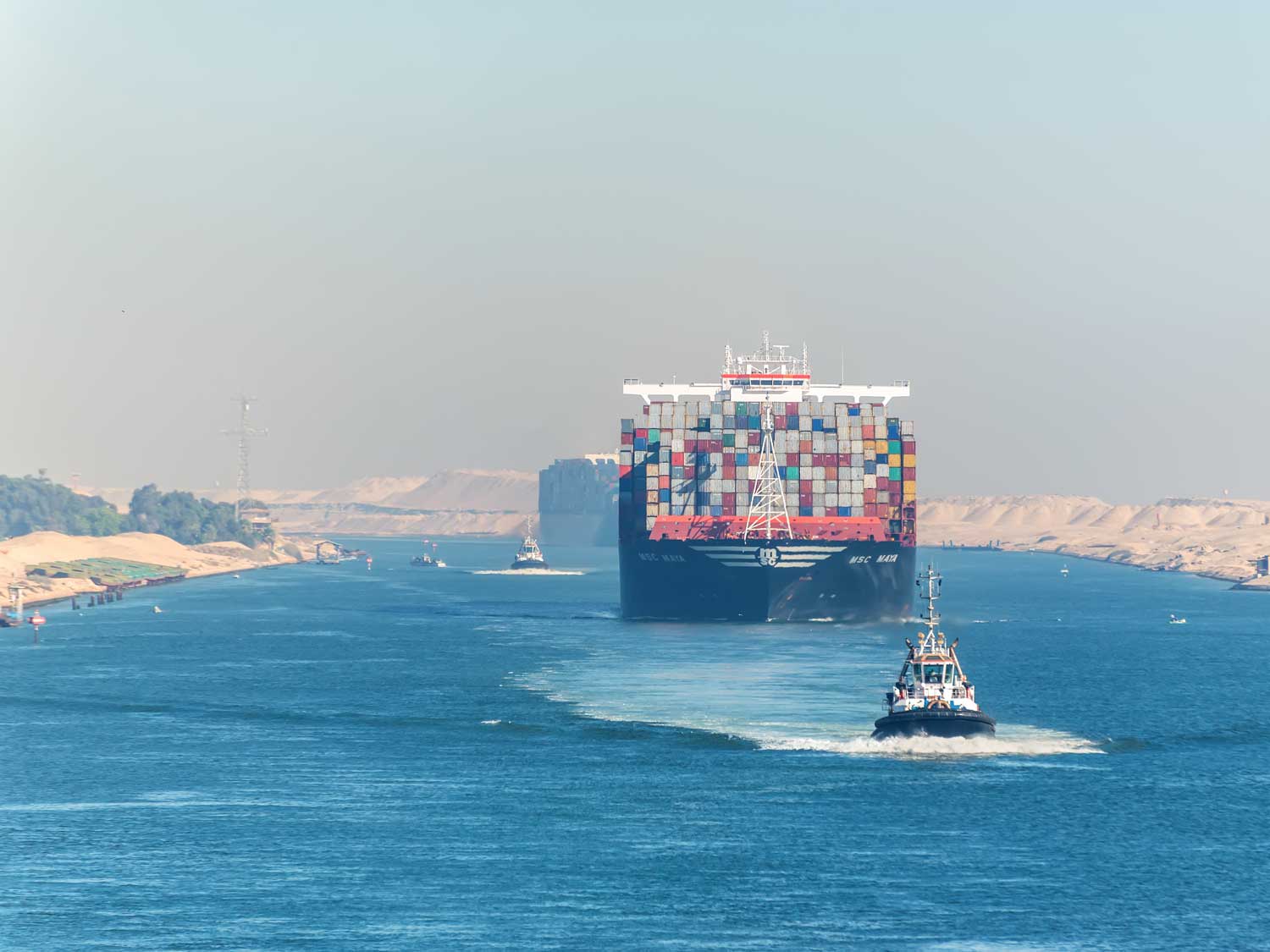
These Red Sea attacks have contributed to elevated containership charter and freight rates. Industry experts predict continued Cape of Good Hope diversions until at least 2025, keeping rates high.

Recent escalations include Israel’s attack on the Hodeidah port in Yemen, following a Houthi drone strike on Tel Aviv. The method of the Houthi drone attack remains unclear, raising concerns about potential threats to shipping in the Eastern Mediterranean.

Speculation suggests the drone may have been launched with the aid of militants closer to Israel, highlighting the risk of supply chain disruptions if drones can be deployed from nearer locations or if groups like Hezbollah become involved.

The Houthi’s have already warned that they plan to expand their campaign of attacks on commercial shipping, to include vessels in the Mediterranean. While the Pentagon has stated that the US has seen no sign of the Iran-armed rebels attempting to do so yet, it has admitted to being worried about the possibility.

“The Houthis have an advanced array of weaponry and they have weapons that could reach the Mediterranean. It definitely is of concern that they have that capability.”

According to some projections, the current Houthi attack campaign will continue for at least the rest of this year, and many commercial vessels will keep avoiding the Gulf of Aden and southern Red Sea until 2025 or beyond. In fact, it could get much worse with some of the new developments this week between Israel and The Lebanon also. We will endeavour to keep you updated as frequently as news is issued and on the impact associated with your supply chain and logistics requirements.

Experts warn that until the Houthis are deprived of the weapons they are using to conduct these attacks at source, we should expect more attacks and damage to international trade.

If you have concerns or questions about the issues covered here, please EMAIL our Chief Commercial Officer, Andy Smith.