computer down 1440x1080 1

Global IT outage disrupts supply chains

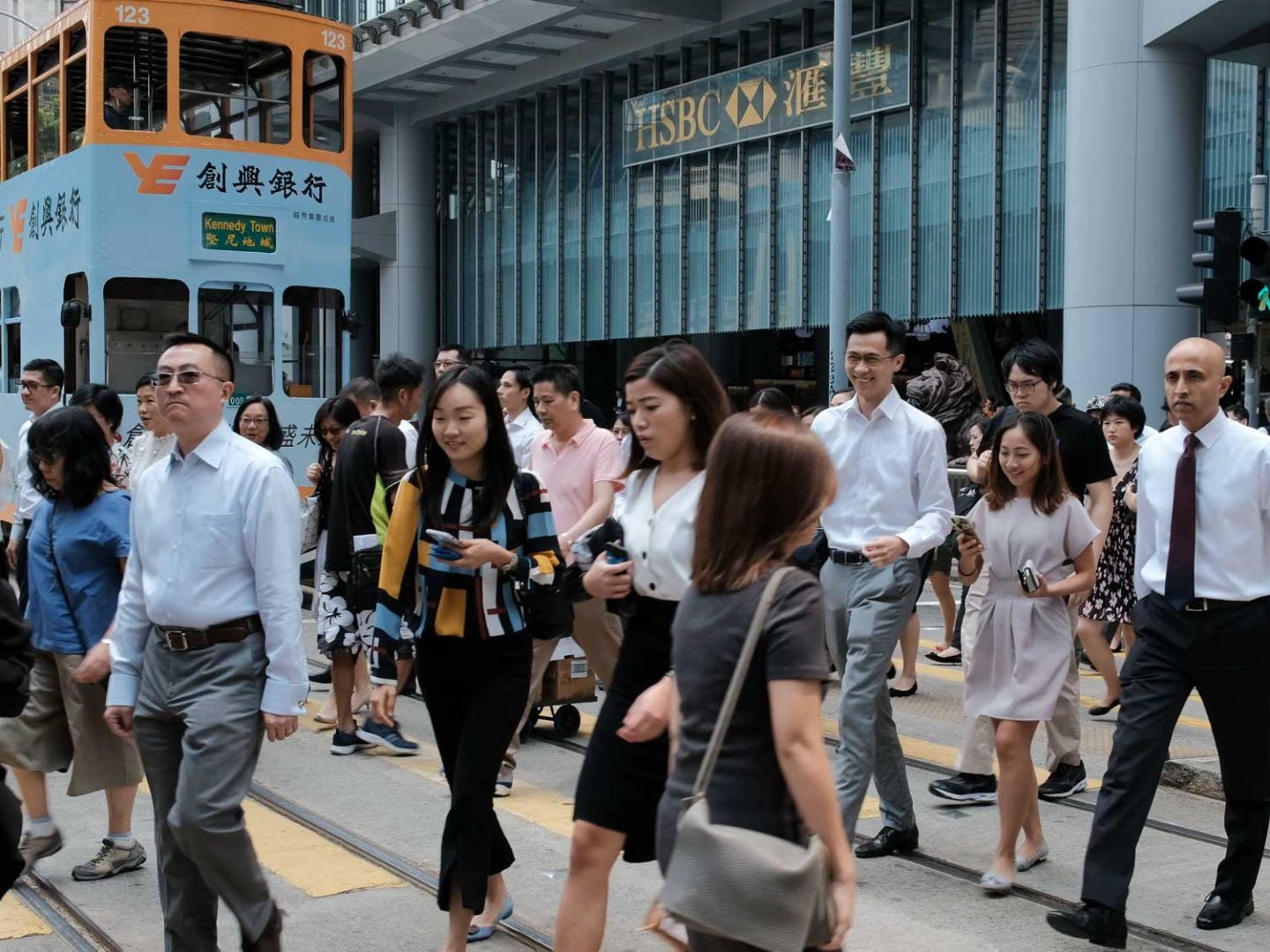
On Friday, a faulty update to Microsoft software by cyber-security firm Crowdstrike, saw global supply chain operations significantly disrupted, with the fallout expected to take weeks to fully resolve.

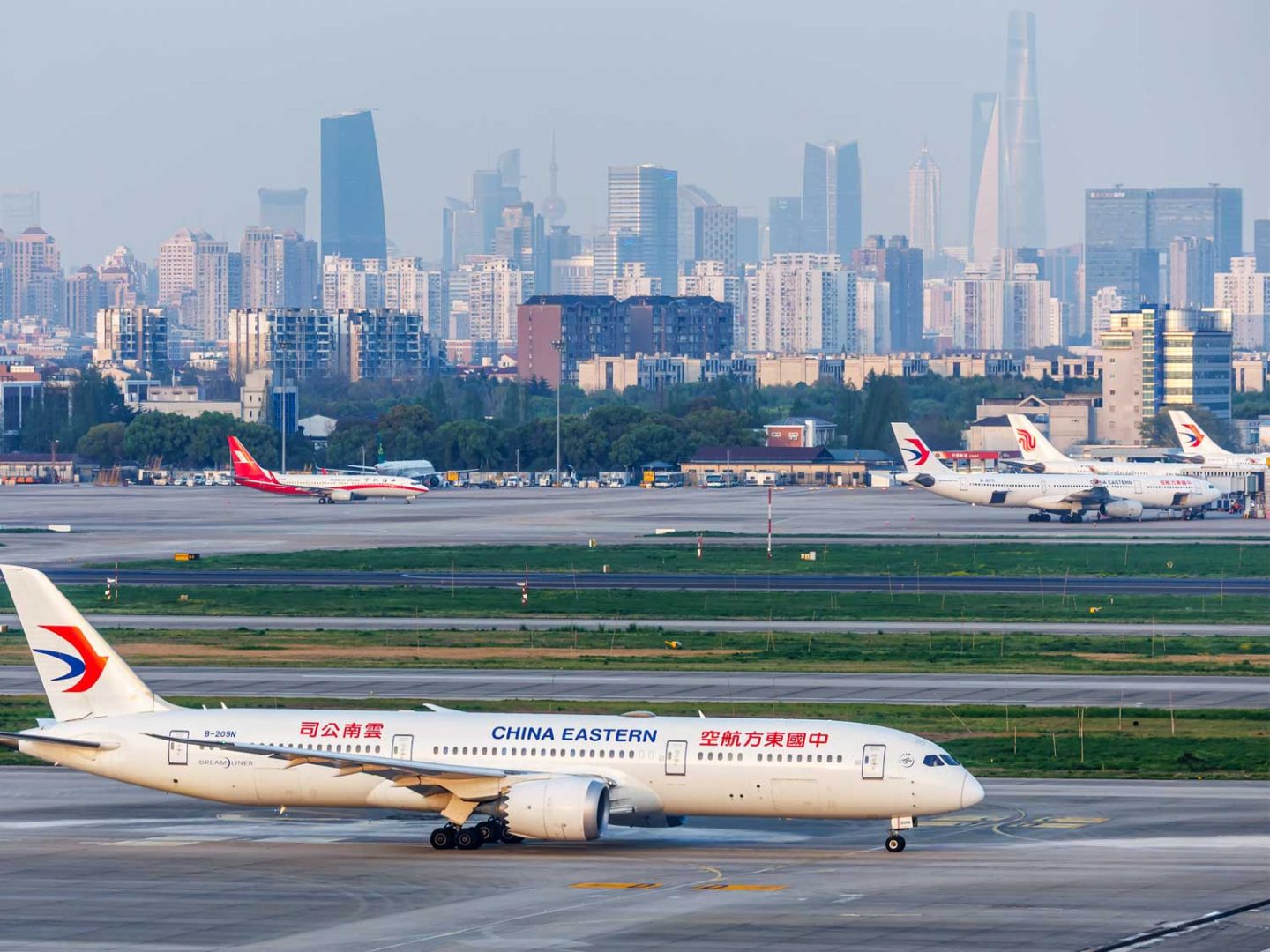
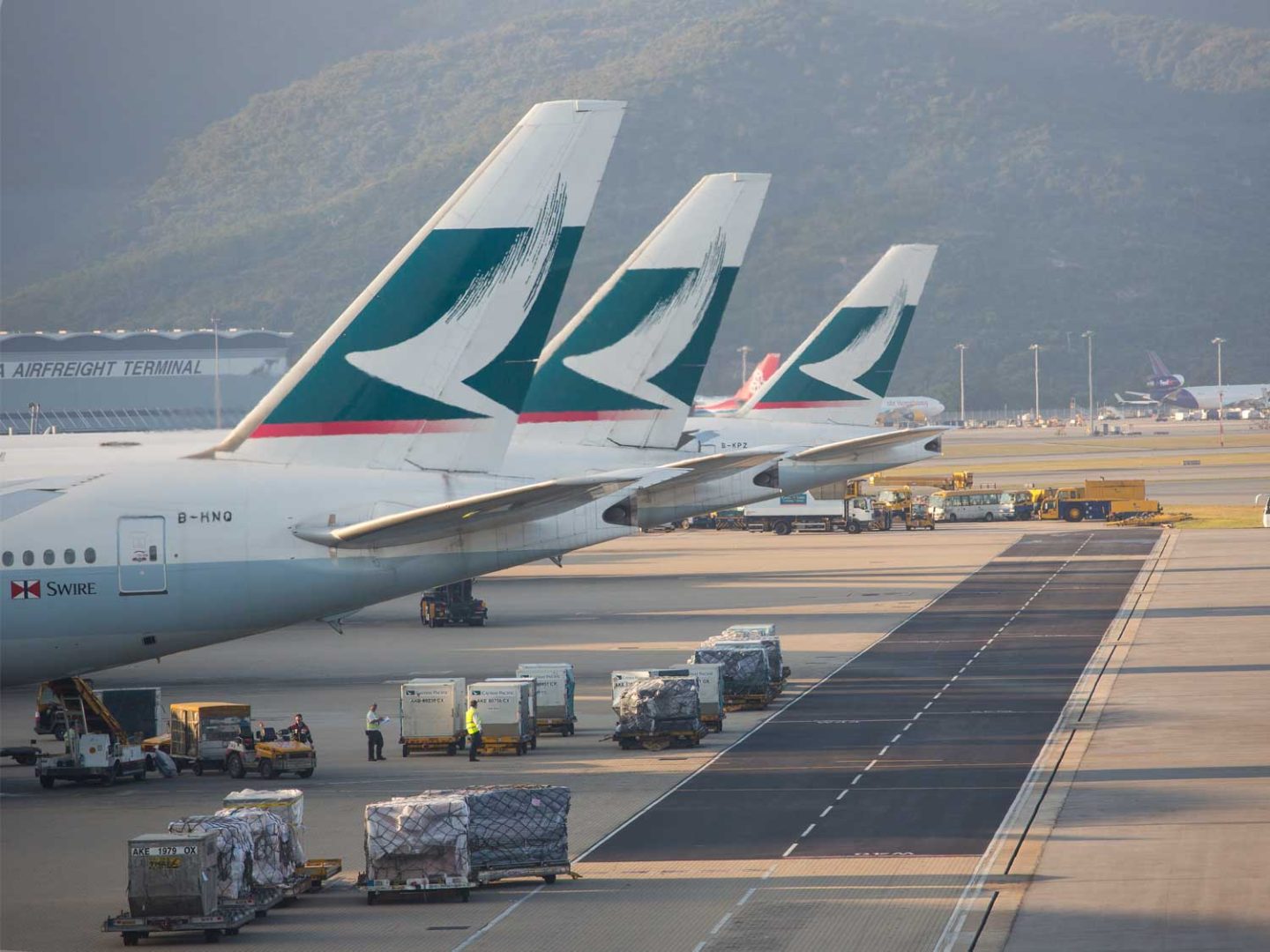
Thousands of flights were grounded or delayed at major air freight hubs in Europe, Asia, and North America, creating severe impacts on the complex air supply chains.

Experts warn that planes and cargo are not where they should be, leading to extended recovery times and depending on the scale of the IT failure and current market conditions, these disruptions could take much longer to resolve than the duration of the outage itself.

This situation is further exacerbated by limited airfreight capacity, with global demand increasing by 13% in June compared to 2023, with the surge in demand largely driven by traffic from China to Europe and the US, putting additional strain on already limited available capacity.

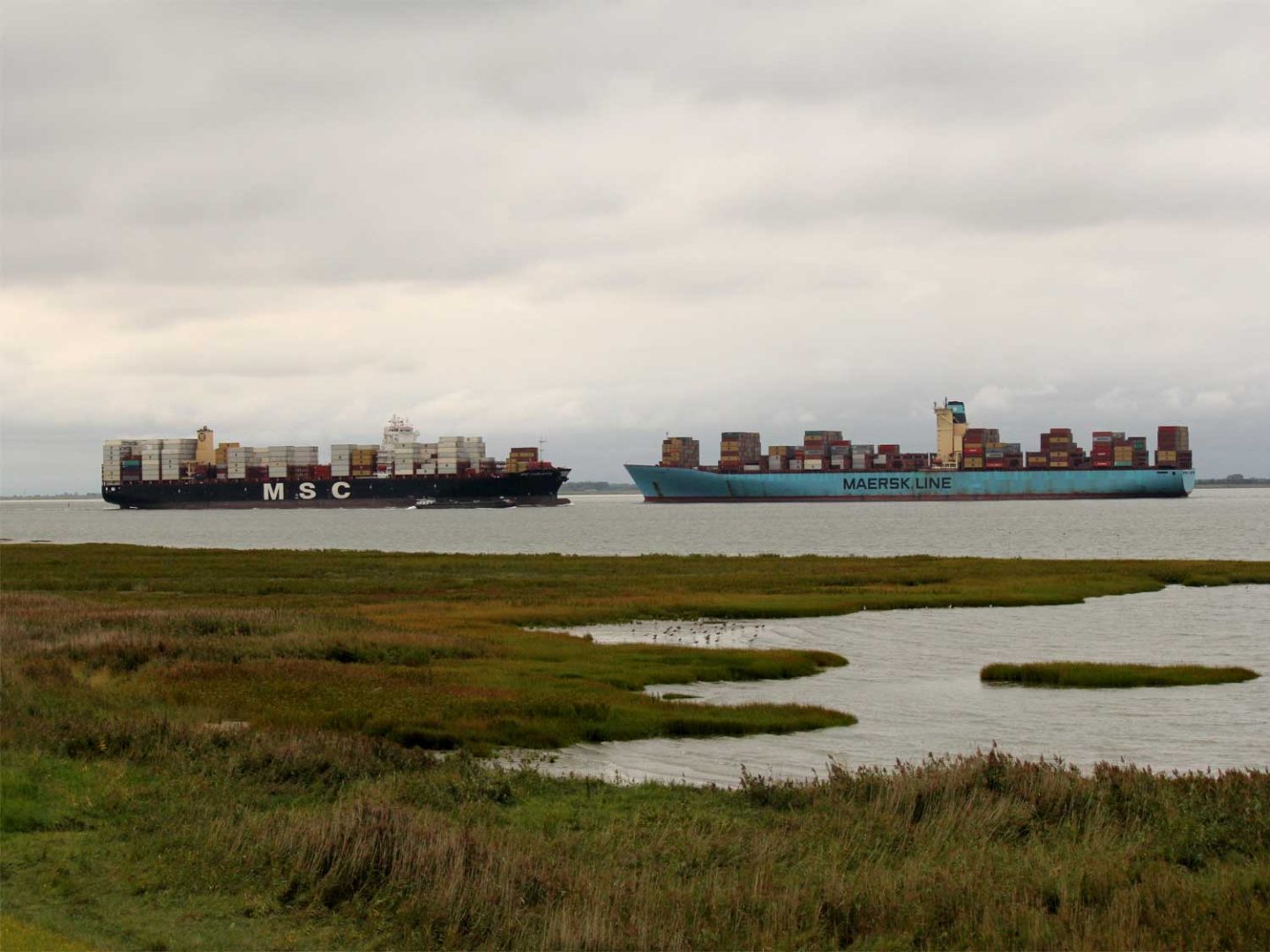
While sea port operations were less affected, initial disruptions were reported in several European container terminals, including Poland’s Baltic Hub, Felixstowe and Rotterdam. These ports have since recovered, but the main issues could lie inland with truck and rail services, potentially increasing congestion if containers cannot be moved in or out of the ports efficiently.

Some air cargo operations are gradually returning to normal, with ground handler Swissport and Lufthansa Cargo reporting only minor impacts. However, Schiphol Airport and US airlines such as Delta, United, and American Airlines faced significant disruptions, with hundreds of flights cancelled or delayed, including 700 cancellations by Delta on Monday.

While most airlines have resumed operations, residual delays are anticipated due to the sheer number of disrupted flights.

Supply chain experts are concerned about the long-term effects of the Crowdstrike outage on global deliveries. The Chartered Institute of Export & International Trade warned that the disruption could create further problems in planning and scheduling for importers, exporters, and consumers globally. Time-sensitive air freight is particularly affected, with one thousand flights cancelled worldwide, by mid-morning on Friday.

Although a fix has been deployed by Crowdstrike, the full resolution of the outage issue may take some time, as IT staff may need to access individual machines to remove the faulty update.

The fallout from the outage has once-again highlighted the vulnerability of global supply chains and as the industry works to recover, the importance of robust contingency plans and marine insurance cannot be overstated, ensuring protection against financial risks and maintaining supply chain resilience in the face of unforeseen challenges.

To learn how we can develop and support your supply chain resilience or for more information about our Marine Insurance products, please EMAIL our Chief Commercial Officer, Andy Smith.
container ship and naval escort

SECURITY UPDATE: Red Sea

The recent sinking of the Prestige Falcon oil tanker, following a Houthi attack, marks the deadliest incident involving these strikes to date.

The vessel capsized near the Omani coastal city of Duqm, and while the Indian Navy rescued nine of the 16 crew members, one was found deceased, and six remain unaccounted for, feared to have gone down with the ship.

The Prestige Falcon, flagged under the Comoros, was targeted approximately 5 nautical miles southeast of Ras Madrakah, Oman, closer to the Persian Gulf than the typical Red Sea and Bab al-Mandeb strait attack zones. With at least 100 Houthi attacks on merchant ships so far, resulting in the deaths of four seafarers, this incident could significantly increase that toll.

These Red Sea attacks have contributed to elevated containership charter and freight rates. Industry experts predict continued Cape of Good Hope diversions until at least 2025, keeping rates high.

Recent escalations include Israel’s attack on the Hodeidah port in Yemen, following a Houthi drone strike on Tel Aviv. The method of the Houthi drone attack remains unclear, raising concerns about potential threats to shipping in the Eastern Mediterranean.

Speculation suggests the drone may have been launched with the aid of militants closer to Israel, highlighting the risk of supply chain disruptions if drones can be deployed from nearer locations or if groups like Hezbollah become involved.

The Houthi’s have already warned that they plan to expand their campaign of attacks on commercial shipping, to include vessels in the Mediterranean. While the Pentagon has stated that the US has seen no sign of the Iran-armed rebels attempting to do so yet, it has admitted to being worried about the possibility.

“The Houthis have an advanced array of weaponry and they have weapons that could reach the Mediterranean. It definitely is of concern that they have that capability.”

According to some projections, the current Houthi attack campaign will continue for at least the rest of this year, and many commercial vessels will keep avoiding the Gulf of Aden and southern Red Sea until 2025 or beyond. In fact, it could get much worse with some of the new developments this week between Israel and The Lebanon also. We will endeavour to keep you updated as frequently as news is issued and on the impact associated with your supply chain and logistics requirements.

Experts warn that until the Houthis are deprived of the weapons they are using to conduct these attacks at source, we should expect more attacks and damage to international trade.

If you have concerns or questions about the issues covered here, please EMAIL our Chief Commercial Officer, Andy Smith.
Brexit uncertainty hurting UK car industry

European ports turned into EV car parks

European ports are overflowing with imported electric vehicles (EVs), especially from China, as manufacturers rush to ship cars before new tariffs take effect. This surge in imports has turned car terminals into vast car parks, with dealers hesitating to accept more vehicles due to slowing sales.

Ports like Zeebrugge and Bremerhaven, which are among the largest car handling facilities in Europe, are particularly congested. A shortage of truck drivers and transport equipment has exacerbated the issue.

At Calloo near Antwerp and Zeebrugge, parking lots that can hold 130,000 vehicles are packed with Chinese brands like MG, BYD, and Nio. Chinese vehicle exports to Europe reached 1.3 million in Q1 2024, a 33% increase from the previous year, with most being EVs. Antwerp-Bruges, Europe’s second-largest port, expects between 600,000 to 1 million Chinese vehicles this year.

Registrations of Chinese-made EVs in Europe increased by 23% from January to April 2024. Western and Japanese brands manufactured in China, such as Tesla and Volkswagen, accounted for 54% of these registrations.

Tariffs and Strategic Moves
The US imposed a 100% tariff on Chinese EVs starting on the 1st August 2024, while the EU applied additional duties of 17-38% from the start of July, on top of an existing 10% tariff. BYD, China’s largest EV maker, faces the lowest additional tax at 17.4%.

To avoid EU tariffs, BYD is setting up a $1 billion manufacturing plant in Turkey, which is part of the EU’s Customs Union, allowing vehicles produced there (up to 150,000 p.a.) to avoid additional tariffs.

UK’s Post-Brexit Tariff Options
The UK can avoid negative impacts of the EU’s punitive tariffs on Chinese EVs, as its interests differ. With most volume car production moved to the EU, the UK has a £25bn trade deficit in motor vehicles with the EU. Nissan is the only major producer left in the UK, exporting 70% of its output to the EU. Thus, EU tariffs inadvertently protect Sunderland’s car manufacturing.

The UK’s auto industry is shifting towards high-value, customized vehicles, which dominate its £28bn global exports. These premium vehicles are not threatened by Chinese imports but could be if retaliatory tariffs from China occur. Post-Brexit, the UK can choose to stay out of the trade war, attracting auto investment and reducing the trade deficit with the EU.

RoRo Capacity Issues
The lack of RoRo capacity to transport vehicles continues to plague global car manufacturers, with the major brands establishing long-standing relationships with shipping lines, or owning their own fleets.

China’s automotive giants are constructing their own RoRo vessels, with Chinese companies set to control the fourth largest car carrying fleet in the world by 2028, controlling an estimated 8.7% of vessels in service.

Deliveries of new generation dual-fuel ships loading up to 8,000 CEU have already started, while even bigger 9,000 CEU capacity vessels have been contracted for delivery between 2025 and 2028.

Metro is exporting finished vehicles in containers, with significantly lower port to port freight costs, for a number of UK manufacturers.

In addition to avoiding the long wait for delayed (and much more expensive) RoRo services, they have no worries about congestion or shortage of space.

Standard 40’ containers can accommodate two large cars, and up to four smaller vehicles, secured on a rack, with massive efficiency gains and costs that are in line with historic RoRo levels.

If you would like further information on our containerised solutions, or have any questions or concerns about your Automotive supply chain, please EMAIL our Automotive team who are standing by to assist.

Shanghai port

Port congestion (amongst other things) continues to push rates up

With increasing amounts of ocean freight capacity soaked up by COGH (Cape of Good Hope) diversions and port congestion, spot rates are spiking, with indexes up significantly on 2023 and market led spot/FAK rates up by nearly 500%. Now, carriers desperate for ships and more capacity are setting new chartering records, to try and accommodate the shortfall in supply against demand.

Over 1.6milllion teu of capacity has been added to the global container fleet so far this year, as new vessels have been delivered, and all that new capacity has been fully absorbed by the market’s diversion round the Cape of Good Hope.

So, despite the record-breaking new vessel deliveries, there remains a shortage of capacity and container ships globally, with freight and charter rates continuing to surge ahead as the market enters the traditional summer peak season.

Port disruption and bottlenecks are tying up capacity, which is making already tight vessel availability worse. Analysts suggest that the recent increase in port congestion in Asia and the Mediterranean has taken a further 500,000 teu from circulation, reducing vessel schedule reliability and impacting equipment availability.

The Loadstar reports that 2.5m teu were on ships queueing for berths at ports worldwide last week, which is equivalent to nearly 9% of the global fleet, and the bunching of ships arriving from Asia is creating berthing delays in northern Europe, particularly Rotterdam.

Freight rates from Shanghai to Rotterdam increased 11% per feu, while rates from Shanghai to Los Angeles grew 7% and up 3% to New York.

Drewry expects that freight rates from China will continue to rise, due to congestion issues at Asian ports, the continued ongoing situation in the Red Sea and further port delays now occurring around the globe, as an impact of the market conditions.

Ship bunching and congestion has spread to ports in Asia including Port Klang, Shanghai, Qingdao, Guangzhou and Shenzhen, and while equipment availability has improved vessels have been waiting up to four days to berth at Shanghai, two days at Qingdao and up to three days at Port Klang.

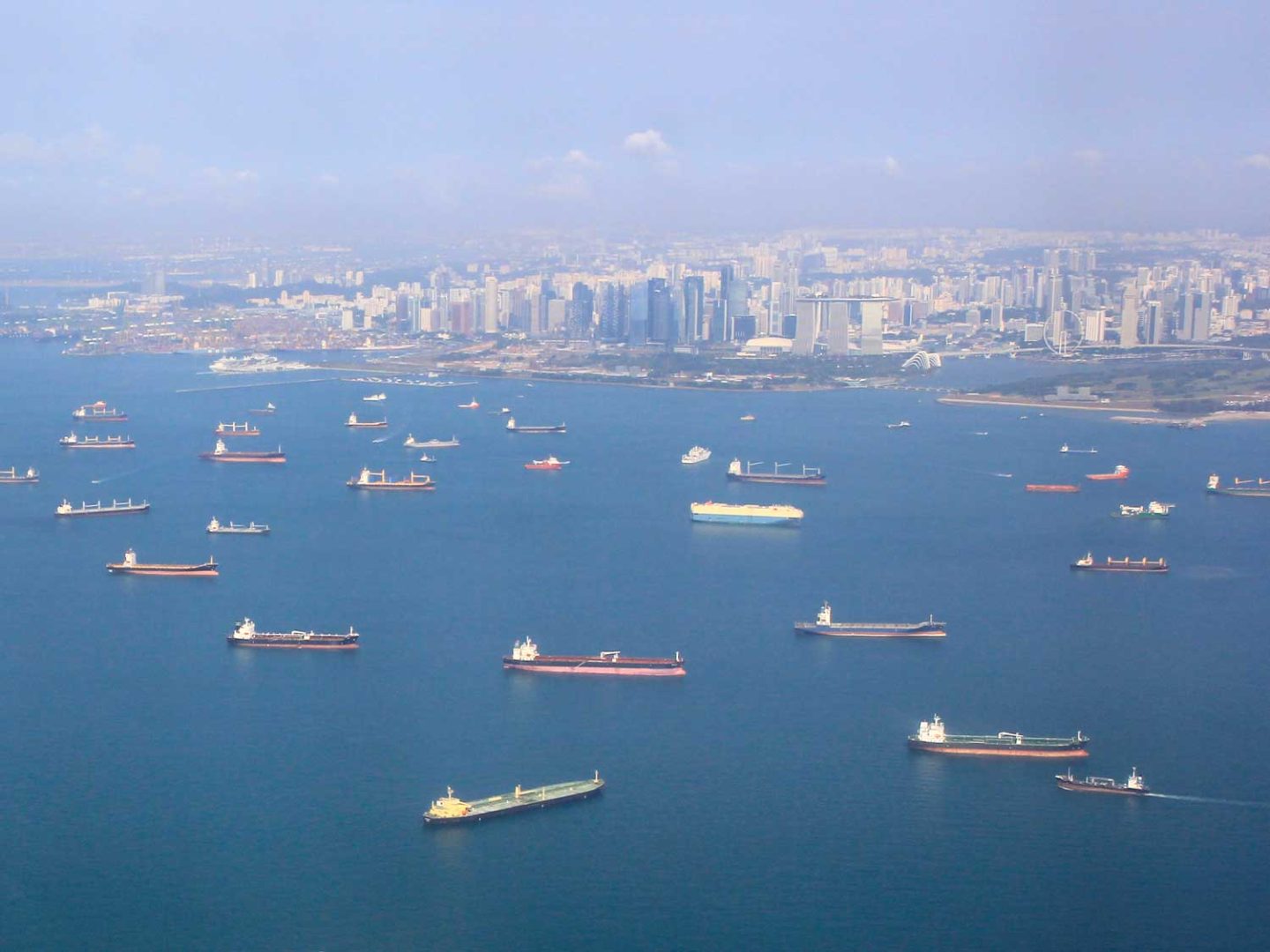
Singapore’s berthing delays have improved, but there are longer dwell times as carriers discharge more containers to forgo subsequent voyages and catch up on sailing schedules.

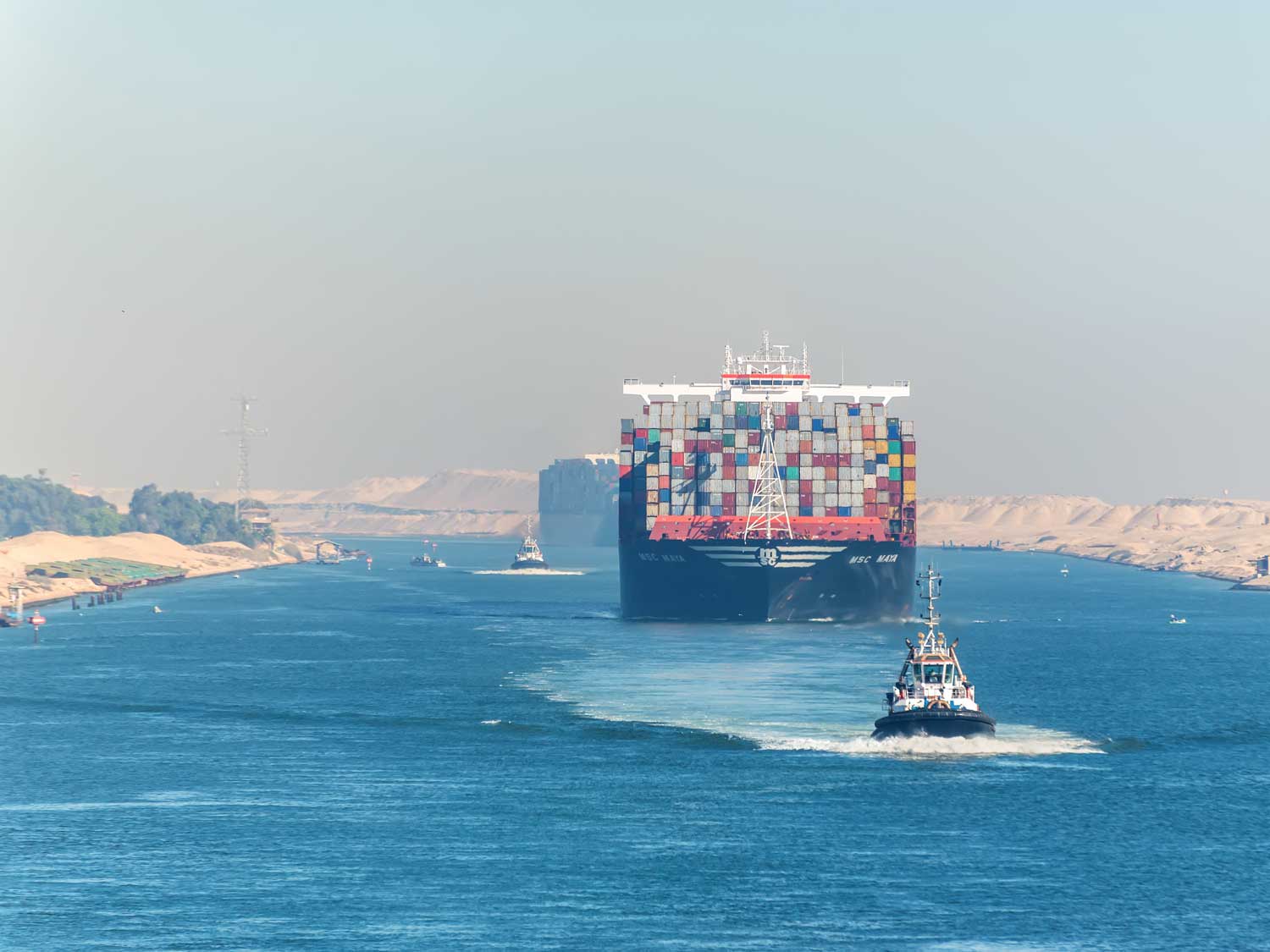
Routing away from the Suez Canal means that cargo is now being dropped at western Mediterranean ports for transshipment to the east of the region, with ships having to wait longer for a berth.

In the north of Europe, ports and terminals are performing pretty well, though Rotterdam, Hamburg, and Aarhus have experienced increases in yard densities, with customers requesting to pick up import containers as soon as possible after discharge.

Strikes update
Port workers in Germany implemented a ‘warning’ strike which affected the ports of Hamburg, Bremerhaven, Bremen, Emden, and Brake, and the Verdi trade union has threatened more action if negotiations for a new collective labour agreement do not progress.

After 24 hour stoppages at the container ports of Le Havre and Marseille-Fos, French trade union members had been threatening a month of strikes at major ports, but the snap election called by president Macron means that the Fédération Nationale des Ports et Docks CGT (FNPD) has no-one with whom to negotiate and has therefore suspended action until late September.

We are monitoring all the issues outlined here, while working closely with our local partner office network and carrier partners to mitigate any impact on our customers.

We will keep you updated and provide alternative solutions where appropriate or necessary.

If you have any questions, concerns, or would like any further information regarding the situation outlined here, please EMAIL our Chief Commercial Officer, Andy Smith.