HKG crossing 1440x1080 1

Strengthening Global Network to Address Supply Chain Challenges

Metro’s strategic partner network is central to delivering market-leading logistics services, especially as global supply chains face ongoing challenges. With the appointment of Peter Orange as head of global network development, Metro is deepening its commitment to building robust partnerships worldwide, enhancing collaboration, and strengthening its network’s resilience to meet customer needs.

Highlighting the significance of Metro’s partner network, managing director Grant Liddell and chief commercial officer Andy Smith recently completed a ten-day trip across Asia. During the visit, they met with key partners, carriers, and customers to strengthen relationships and gain valuable insights into regional market dynamics.

This focus on building connections comes at a time when supply chains are under persistent pressure, making agile, strategic partnerships essential to delivering reliable service.

Peter Orange’s new role: Deepening global partnerships
With over three decades of experience spanning airlines and logistics firms across diverse regions—including Australia, Singapore, UAE, and the UK—Peter Orange brings a global perspective to his role as head of global network development. His mandate is clear: to enhance Metro’s engagement with existing partners and explore potential new alliances, particularly those that bring specialised expertise in verticals like automotive and high-tech.

Peter’s appointment reflects Metro’s commitment to fostering like-minded partnerships that prioritise value, service reliability, compliance, and transparent communication. As part of this role, Peter is reviewing existing partner relationships, assessing shared business strategies, and aligning efforts across transport modes—whether air, ocean, or combinations—to ensure Metro’s global partnerships are primed to adapt to dynamic market demands. He is also leading a continuous evaluation process with core partners, holding regular reviews to assess market opportunities and align on growth objectives.

Building on this foundation, Metro plans to expand Peter’s team with route development managers who will focus on key regions, including Asia Pacific and EMEA, alongside the current emphasis on North America. This team will work closely with Metro’s partners to drive sales, share market intelligence, and set clear growth targets, reinforcing Metro’s strategy of data-informed and relationship-driven expansion.

Insights from Metro’s Asia trip
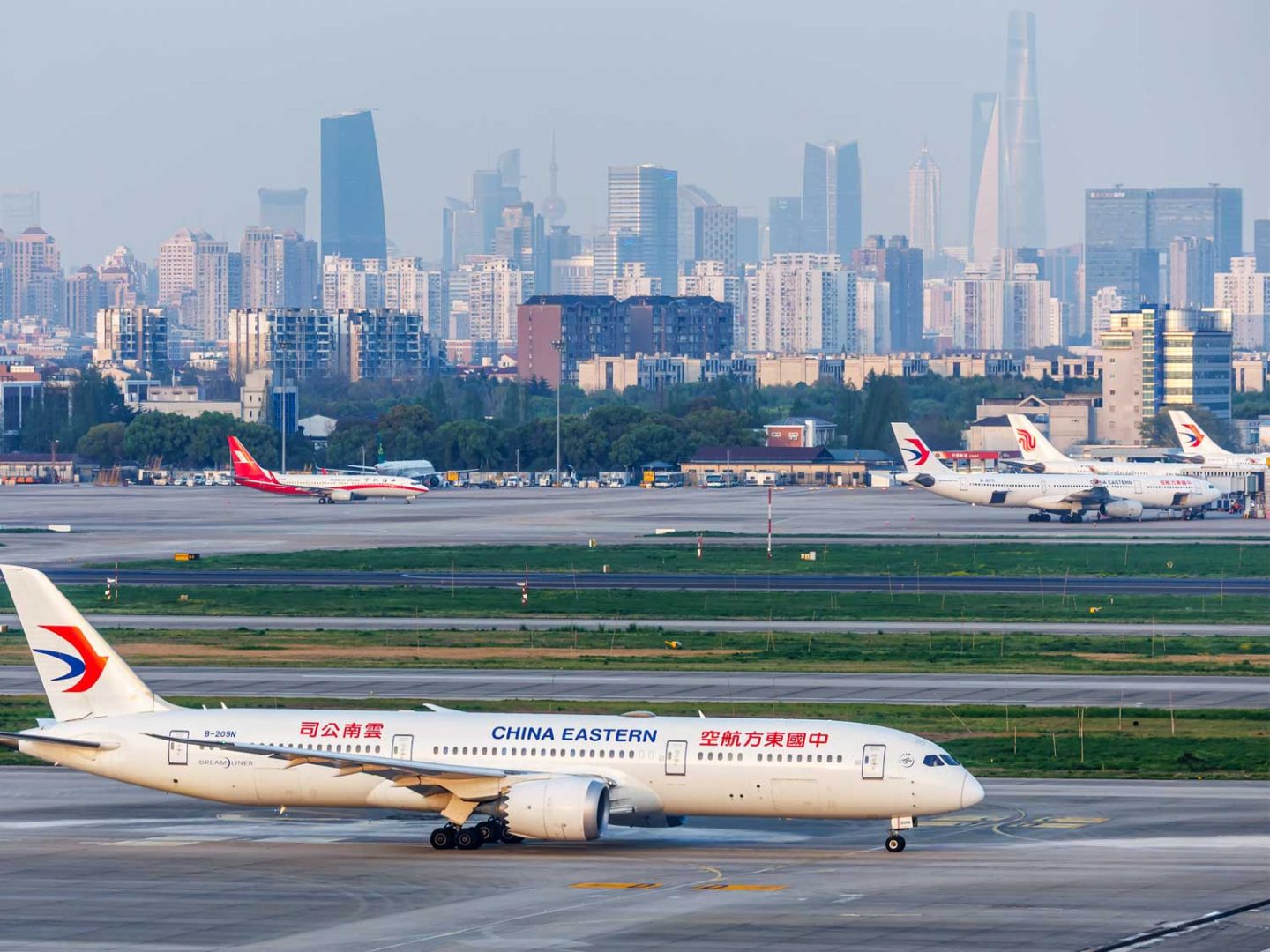
In September, Grant Liddell and Andy Smith travelled to Singapore, Shanghai, and Hong Kong to meet with Metro’s Asian partners, customers, and major carriers. The trip provided valuable insights into the region’s logistics landscape, particularly with regard to the effects of eCommerce growth on airfreight demand and the impact of ocean capacity adjustments driven by regional geopolitical issues.

A notable takeaway from their discussions was the continued strength of eCommerce in driving airfreight demand, particularly on routes from Asia to Europe and North America. This trend is keeping rates elevated and creating heightened capacity needs. In ocean freight, major trade routes are seeing increased rates due to strong demand and capacity constraints, with factors like the Red Sea diversions further tightening supply. The expectation is that these pressures will persist into Q4, reinforcing the need for strong partnerships and agile strategies.

Metro’s commitment to building a resilient partner network ensures that customers benefit from agile, robust global supply chains, capable of adapting to shifts in demand and overcoming potential disruptions.

With Peter Orange leading this effort, alongside Metro’s strengthened ties in Asia, we’re dedicated to adding value and positioning our customers for success in today’s dynamic logistics landscape.

To explore how Metro’s partnerships can support your business needs, please EMAIL Peter Orange for more information.

Montreal

Labour tensions rise on North America’s East coast

Ongoing labour disputes on the US East Coast and Canada’s Port of Montreal continue to threaten disruptions to North American supply chains.

The agreement between the ILA and the United States Maritime Alliance (USMX) on the US East coast (USEC) brings temporary relief, securing peace for the next three months. The wage increase of over 60% marks significant progress, but the contentious issue of automation remains unresolved and could lead to further disruptions when the current contract extension expires on 15 January 2025.

With over 60 ships backed-up during the strike, ports have been working hard to clear the backlog. They have been aided by spare capacity, which has been created by shippers front-loading and cargo diversions.

In many cases the ports extended operational hours to process delayed vessels, ensuring that the backlog will not stretch far into the busy holiday season.

Meanwhile, the Port of Montreal is bracing for an indefinite overtime strike that started on 10 October, following earlier strike actions that halted operations at two terminals. The port’s longshoremen are using the strike to pressure employers amid slow-moving negotiations, which have dragged on for over a year. This escalation threatens to further disrupt operations at Canada’s second-largest port, affecting supply chains and causing delays for transatlantic trade.

While some carriers have suspended their Emergency Operations Surcharges on the USEC, several have announced peak season surcharge (PSS) hikes. Maersk, CMA CGM, and MSC are introducing increased surcharges of up to 15% from Europe, the Mediterranean, and other regions to North America.

Some carriers have rerouted cargo to alternative ports to mitigate delays, and flexibility will be crucial as labour disputes continue. The ILA’s extension of negotiations to January, just before Chinese New Year shipping demand, suggests potential for further congestion and delays in the coming months.

The combination of vessel congestion, labour disputes, and surging rates highlights the importance of adaptable logistics strategies in today’s volatile shipping environment.

Metro works with shippers to overcome rising freight rates and operational uncertainty, with innovative solutions and proactive planning to keep supply chains flowing.

We have contingency plans in place to avoid the ports likely to be most affected by strikes, as well as alternative routes and entry points.

To discuss these issues and how Metro can protect your supply chain, please EMAIL Andrew Smith, Chief Commercial Officer.

container ships

Sea freight market review

The sea freight market in October 2024 is facing continued challenges from geopolitical tensions and industrial actions, with strikes on the US East and Gulf Coasts contributing to significant disruptions.

Although the three-day US East coast strike in early October has been resolved with a tentative agreement, the backlog of vessels could take weeks to clear. Montreal has also faced industrial action, adding to the strain on transatlantic trade.

Demand remains moderate, with global GDP growth projections modest due to ongoing geopolitical tensions and weak manufacturing performance. The ocean freight market has been challenging due to disruptions, including congestion caused by rerouting vessels around the Cape of Good Hope, following the Red Sea crisis.

Carrier alliances are reshaping trade routes. The 2M alliance between Maersk and MSC will dissolve in 2025, replaced by new alliances such as Gemini Cooperation and the Premier Alliance. The introduction of these new structures is expected to streamline services, particularly on Asia-Europe trades, but could cause shifts in port calls, with some major hubs benefitting and others losing direct connections.

Freight rates have fluctuated as a result of these disruptions. The muted Golden Week in Asia didn’t bring the anticipated rush, but rates on Asia-Europe routes saw some pressure, rising 1-2% in early October. Carriers have implemented cost-recovery surcharges in response to strikes and rerouting delays. The Shanghai Containerised Freight Index (SCFI) dropped from its July peak, but rates remain well above 2023 levels.

Capacity continues to tighten due to vessel bunching and delays, with 10% of the global fleet currently waiting at anchorages, the highest level recorded outside the pandemic period. Schedule reliability remains volatile – hovering just above 50% – especially on key routes from Asia to Europe and the Americas, with congestion at major Asian ports like Shanghai and Ningbo adding to delays.

In the near term, shippers should expect continued volatility, with upcoming industrial actions and new carrier alliances potentially altering trade patterns. While freight rates are stabilising in some regions, capacity remains limited, and schedule reliability a concern.

With ocean freight demand remaining high and capacity challenges on the horizon, the peak season could still be unpredictable. We encourage you to reach out now if you have urgent shipments and share your forecasts, so we can secure space on services that align with your deadlines and offer competitive rates.

To explore how we can strengthen and safeguard your ocean supply chain, please EMAIL our Chief Commercial Officer, Andy Smith.

strike signs 1440x1080 1

US East Coast dockworker strike: Temporary resolution but risks remain for January

While a tentative agreement between the International Longshoremen’s Association (ILA) and the United States Maritime Alliance (USMX) has paused the strike, a final resolution must be reached in January 2025, or further disruption could occur.

The recent US East and Gulf Coast dockworker strike, which began on 1st October 2024 and lasted three days, caused significant disruptions across 36 key ports, including New York, Savannah, and Houston.

During the strike, over 50 vessels were anchored offshore, impacting approximately 1.4% of the global container shipping fleet. Carriers including CMA CGM, ONE, and APL declared force majeure, leading to potential rerouting, delays, and added costs for shippers. This has highlighted the importance of securing comprehensive marine insurance to mitigate risks such as unexpected storage costs, rerouting, and delays.

Though some cargo was rerouted to alternative ports in Canada and Mexico, these measures provided limited relief due to limited capacity and congestion at those facilities.

With another 100 vessels en-route the length of time required to clear the backlog remains uncertain, and the resulting congestion could persist well into Q4. Additionally, carrier surcharges are expected to remain in place on all cargo to and from the US, further increasing costs for shippers.

If the ILA and USMX fail to reach a final agreement by January, the resumption of the strike could lead to significant global supply chain disruptions. Nearly 50 vessels were affected during the initial strike, and this number could rise, with an estimated 2.22 million TEU of cargo capacity tied up by the end of the month if no resolution is found

To discuss the current situation and how Metro can protect your supply chain, please EMAILAndrew Smith, Chief Commercial Officer.