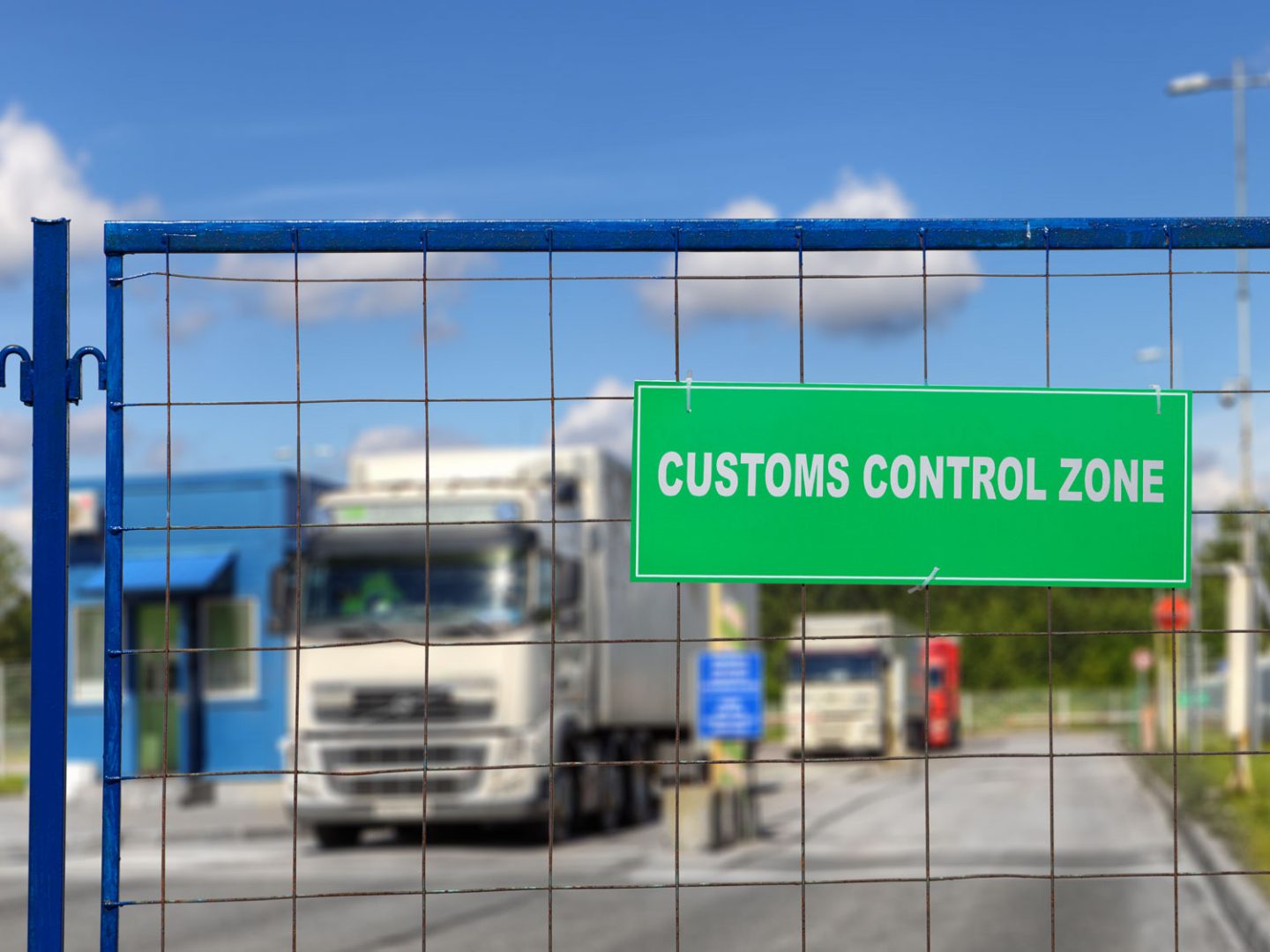
Customs zone 1440x1080 1

EU Freight and Customs Round‑Up

The movement of goods between Great Britain, Northern Ireland and the EU is entering one of its most challenging and complex periods in recent years. Regulatory changes are reshaping established routes, creating new administrative demands, and raising questions about supply chain resilience.

From the phased enforcement of ICS2 safety and security filings, to the evolving requirements of the Windsor Framework and the digitalisation of EU border controls, operators are facing a series of overlapping obligations. Understanding and preparing for these changes will be critical to maintaining efficiency, avoiding disruption, and keeping trade moving in the months ahead.

ICS2 Phase 3 Staggered Rollout

The EU’s ICS2 Release 3 – requiring detailed safety and security filings for road and rail freight – was due to become fully mandatory on 1 September 2025. While the system itself is active, several Member States have secured temporary derogations delaying enforcement until December 2025.

Germany and the Netherlands, however, are pressing ahead, meaning accompanied RoRo shipments to those markets may face compliance risks if operators are unprepared. Northern Ireland RoRo traffic has also been given a phased start, with the new TIMS platform offering a gradual introduction later this year.

The patchwork of deadlines across Europe underscores the need for close monitoring and proactive compliance to avoid penalties and delays.

GB–NI Trade Under Pressure

The Windsor Framework remains a source of disruption for operators moving goods between GB and Northern Ireland. Complicated “at risk” classifications, excessive paperwork, and inconsistent enforcement are driving inefficiency and higher costs.

Some suppliers are rerouting freight via Dublin rather than using the Irish Sea, while consumers in NI face reduced product choice as online sellers and retailers scale back deliveries.

Industry bodies argue that reforms such as classifying goods at the point of sale and simplifying Just-in-Time exemptions are urgently needed to stabilise trade volumes and restore reliability.

EU Entry/Exit System

The EU’s new Entry/Exit System (EES) is scheduled to go live on 12 October. Designed to digitise border checks by capturing biometric data, the system will eventually cover all non-EU drivers entering the bloc.

While intended to streamline processes and enhance security, the transition will create additional steps for hauliers and could slow traffic on critical corridors such as Dover–Calais if infrastructure proves inadequate.

UK hauliers face further constraints from the 90/180-day driver access rule, raising concerns over flexibility in meeting customer demand. With weeks left to prepare, shippers should ensure that drivers are prepared, documentation and contingency measures are in place.

Staying Ahead of the Changes

The common thread running through these developments is clear: shippers face a rising tide of complexity at the intersection of GB and EU trade. From border checks and customs filings to NI market access, regulatory shifts demand preparation, agility and informed support.

Metro is committed to helping customers navigate this evolving environment – from expert customs guidance and training to cross-border contingency planning and operational resilience.

To discuss how these changes could affect your supply chains, and the practical steps to stay compliant and competitive, please EMAIL our managing director Andy Smith.

intermodal banner 1

Expanding Intermodal Capability Across Europe with KLOG

With fellow group member KLOG, the Portuguese logistics specialist, our customers can now access a significantly enhanced intermodal network across Iberia and continental Europe, offering greater flexibility, sustainability, and control through an effective, environmentally friendly transport solution.

KLOG is one of Iberia’s leading providers of intermodal, groupage, and full-load transport, offering a well-established rail and short-sea service network that connects Portugal and Spain to key European markets—including Germany, Poland, France, and the UK in partnership with Metro.

Their network includes multiple weekly block train departures across strategic corridors, supported by last-mile delivery options and an advanced 24/7 Control Tower.

Unlocking smarter, greener European supply chains
KLOG’s intermodal services are tailored for shippers seeking reliable, cost-effective and lower-emission alternatives to road-only transport. With a wide range of 45’ equipment; curtain-sided, dry, reefer, and ISO tanks, KLOG can support a broad mix of cargo types, from consumer goods to chemicals, fresh produce and furniture.

Core rail corridors include:

  • Portugal–Poland & Germany: Two weekly block trains between Entroncamento and both Poznan and Duisburg, routing via Spain and France, with a third frequency planned.
  • Portugal–Spain: Four weekly trains between Entroncamento and Tarragona, plus 2–3 weekly services from Tarragona to Bilbao, Valladolid and Sevilla.
  • Portugal–Germany: Two weekly trains linking Lousado and Duisburg, via Mouguerre, France.
  • Short-sea and rail from Poland: Intermodal connections via Gdansk to Bilbao and onward rail to Tarragona.

Intermodal transit times are highly competitive, many comparable with full truckload delivery times, but with significantly lower road dependency and greater environmental benefit.

KLOG’s services delivers average CO₂ reductions of 85–90% compared to road freight. Rail is more fuel-efficient, produces fewer emissions, and removes trucks from congested European roads, contributing to cleaner air, fewer road accidents, and less strain on driver resources.

With sustainability now embedded in corporate and regulatory priorities, intermodal freight offers a practical path for reducing emissions without sacrificing reliability or control. And as rail corridors increasingly move towards electrification, the carbon savings will only grow.

Your direct route to smarter European logistics
With KLOG, Metro’s customers gain access to a powerful intermodal network fully supported by:

  • Metro’s MVT supply chain platform for complete vendor-to-destination visibility across modes
  • Dedicated European team for regional expertise and support
  • High-frequency intermodal services, linking directly with Metro’s road network for final and last-mile delivery.

EMAIL Andrew Smith, managing director, today to learn how KLOG’s intermodal network could reduce your carbon footprint, without compromising on speed, service, or cost.

Hong Kong X ray costs and delay fears

Transpacific Air and Sea Downturns amid Capacity Volatility

As demand falters on both sides of the transpacific, container and air freight flows are facing extreme volatility, with sharp drops in bookings and vessel space coinciding with sweeping tariff changes and regulatory disruptions.

The number of blanked sailings has surged, with the share of Asia–North America West Coast blanked capacity more than doubling in a week, reaching nearly 30% by late April. On East Coast routes, blank sailings jumped to over 40% of planned capacity by early May. These cancellations mirror typical post-holiday slowdowns but have appeared abruptly and without the usual lead time, suggesting a reactionary market driven by plummeting demand.

The root cause lies in a sharp reduction in shipping volumes as US firms halt sourcing and bookings ahead of tariff implementations. Bookings for truck delivery or pick-up in the US have fallen by over 40% month-on-month, with some regions seeing drops as steep as 60%.

Elevated volumes in March, driven by front-loading ahead of tariff deadlines, briefly clogged US ports and inland rail hubs. That surge has since collapsed into a dramatic slowdown, with analysts warning that once global trade conditions stabilise, a sharp rebound in demand could overwhelm logistics networks, triggering widespread delays and pushing up costs. A similar scenario played out during the pandemic, when container rates soared fourfold and a surge in inbound volumes led to vessel backlogs and port gridlock.

While a steep trough dominates the short-term picture, there is growing concern that once inventory is depleted, a spike in import orders later in the year could overwhelm supply chains again, especially if companies rely too heavily on ad hoc bookings and lose access to planned space.

In air freight, the outlook is equally challenging. Growth forecasts have been revised downward in response to the end of the de minimis duty exemption on low-value imports from China on May 2. Previously expected to grow up to 7.4% this year, air cargo is now forecast to contract slightly or, at best, remain flat.

Volumes from China and Hong Kong to the US have declined for four consecutive weeks, down 16% compared to the same period last year. While some Southeast Asian countries, like Vietnam, Taiwan and Thailand, have posted gains, it has not been enough to offset overall transpacific weakness. Air freight rates from Asia to the US have fallen by 8%, with steeper declines from certain markets, such as Vietnam, down 28%.

The rollout of new customs processes in the US is adding further complexity, with low-value shipments from China previously exempt under de minimis rules now facing steep duties, with some goods increasing in price by over 160%. Manual duty calculations are placing additional strain on customs brokers, particularly as the US Customs & Border Protection’s automated system struggles to cope with last-minute updates.

Together, these developments point to a precarious outlook. The shipping slowdown may offer temporary relief from congestion, but structural challenges remain. The combined effect of trade policy shifts, operational uncertainty, and fluctuating demand could see supply chains once again thrown into disarray if and when volumes rebound sharply in the second half of the year.

With cancelled sailings, falling volumes, and shifting demand patterns, pressure on global supply chains is growing. At Metro, we provide integrated sea and air freight solutions that deliver the certainty you need, whatever the market throws at you.

From fixed-rate ocean agreements that protect against volatility, to agile air freight strategies with secured capacity and competitive rates, we help you stay on schedule and in control.

EMAIL Andy Smith, Managing Director, to explore how Metro can strengthen your supply chain across both modes.

HGV driver

Road freight market sees failure and consolidation

The UK road freight market is facing severe pressures from rising operational expenses and ongoing labour shortages, with Q3 rates surging 10% year-on-year, reflecting widespread cost increases.

This tough economic climate has led to the failure of nearly half of all haulage companies launched between 2019 and 2023, with fierce competition and volatile costs proving too much for smaller operators. Over 50,000 firms have exited the market, particularly in the container freight sector, with many drivers moving to alternative industries.

The failures of these smaller firms have opened the door to consolidation within the market. One of the most significant moves is MSC’s acquisition of Maritime Transport, the UK’s largest haulier. Maritime Transport operates a fleet of 1,600 trucks and has a significant presence at major UK ports.

MSC’s acquisition is part of a wider strategy to consolidate control of overland logistics throughout Europe and is likely to raise concerns among other shipping lines, potentially reshaping customer relationships in the industry.

Simultaneously, hauliers are dealing with significant challenges at UK ports. While DP World’s £1bn development of new berths at London Gateway is progressing, there are continuing political tensions between the operator and UK government officials.

Construction of two new berths will go ahead as part of a long-term plan to make London Gateway the UK’s largest container port, potentially handling six ultra-large container vessels simultaneously by the end of the decade. This expansion will significantly increase capacity and create around 400 new jobs.

Elsewhere, other UK ports are facing infrastructure delays, which are putting essential development projects at risk. The British Ports Association (BPA) has raised concerns over the backlog of harbour orders that ports require to make infrastructure upgrades and expand capacity. These delays threaten billions of pounds in investment and the ability of ports to meet growing trade demands. The situation is particularly dire for ports like Southampton and Plymouth, which have been waiting years for regulatory approvals to begin critical development work.

As the road freight industry faces these mounting pressures, larger operators are increasingly consolidating power while smaller firms struggle to survive.

The efficiency of the haulage sector remains dependent on the performance and expansion of the UK’s key ports, where delays and congestion could have far-reaching implications for supply chain resilience.

Metro offers secure road transport solutions with dedicated vehicles running on fixed routes, ensuring timely deliveries and GPS tracking for full visibility across the UK and continental Europe.

Our road freight teams are strategically located near major manufacturing and transport hubs throughout the UK, enabling efficient logistics support.

To learn more about our domestic and European services, please EMAIL Richard Gibbs to start a discussion tailored to your specific needs.