trailer tear copy 1440x1080 1

Rising Freight Crime Sparks Industry, Government and Police Action

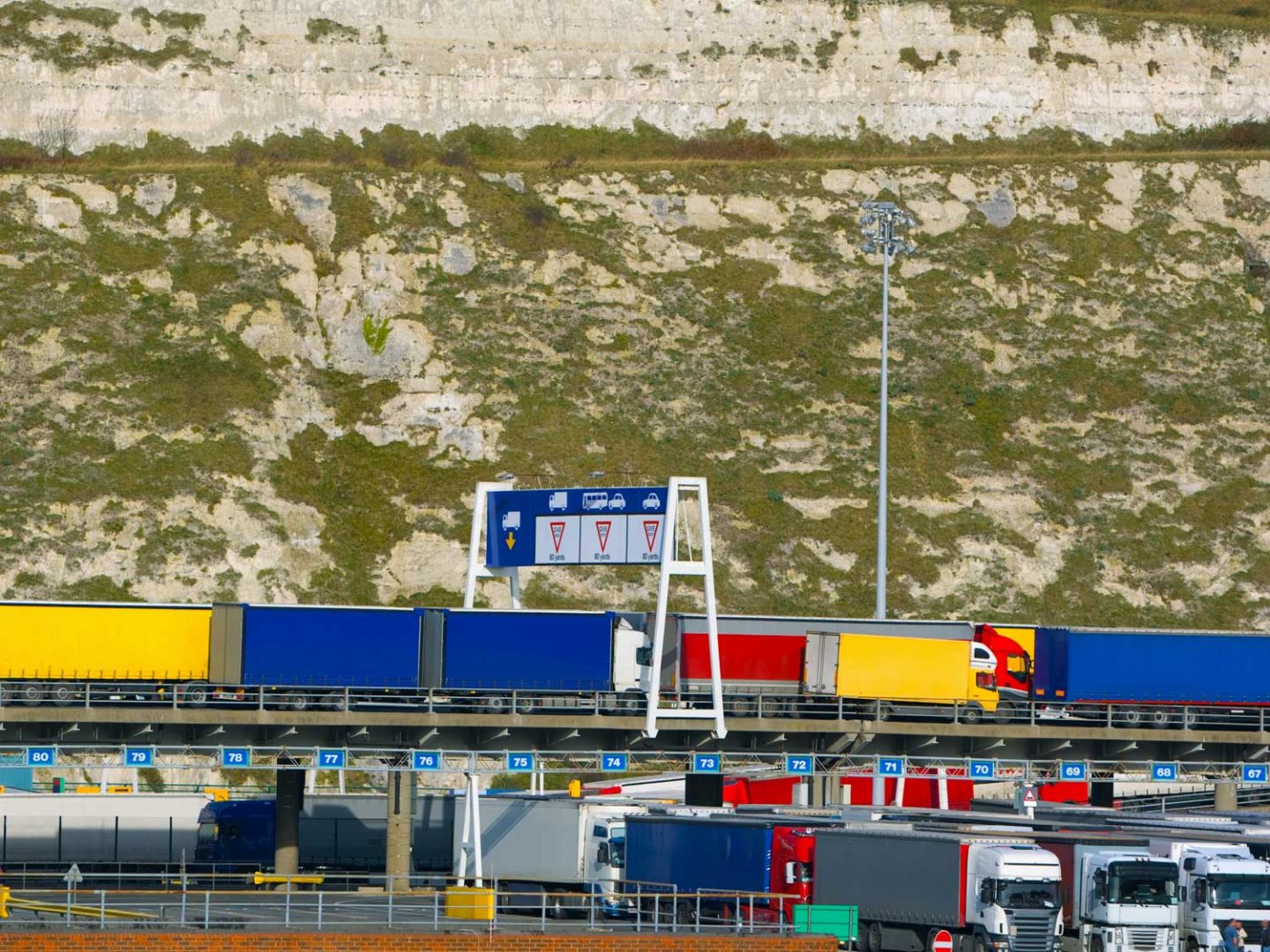
Road haulage operators are on high alert as criminal activity peaks during the dark winter months, with investigations revealing how organised gangs are posing as legitimate operators, buying haulage companies, and infiltrating supply chains to steal trailer loads.

The scale of the threat is escalating, with freight-theft losses rising from £68m in 2023 to £111m in 2024 and industry experts warn the true cost could be up to seven times higher once vehicle damage, increased insurance, business disruption and wider supply chain impact are factored in.

A new national “flagging system” is now being trialled to better distinguish freight crime from general vehicle theft, enabling police and government to measure the true scale of the problem and coordinate a national response.

But the challenge remains vast, with criminals using increasingly sophisticated methods to identify high-value loads, monitor haulage movements, and exploit vulnerable roadside parking areas.

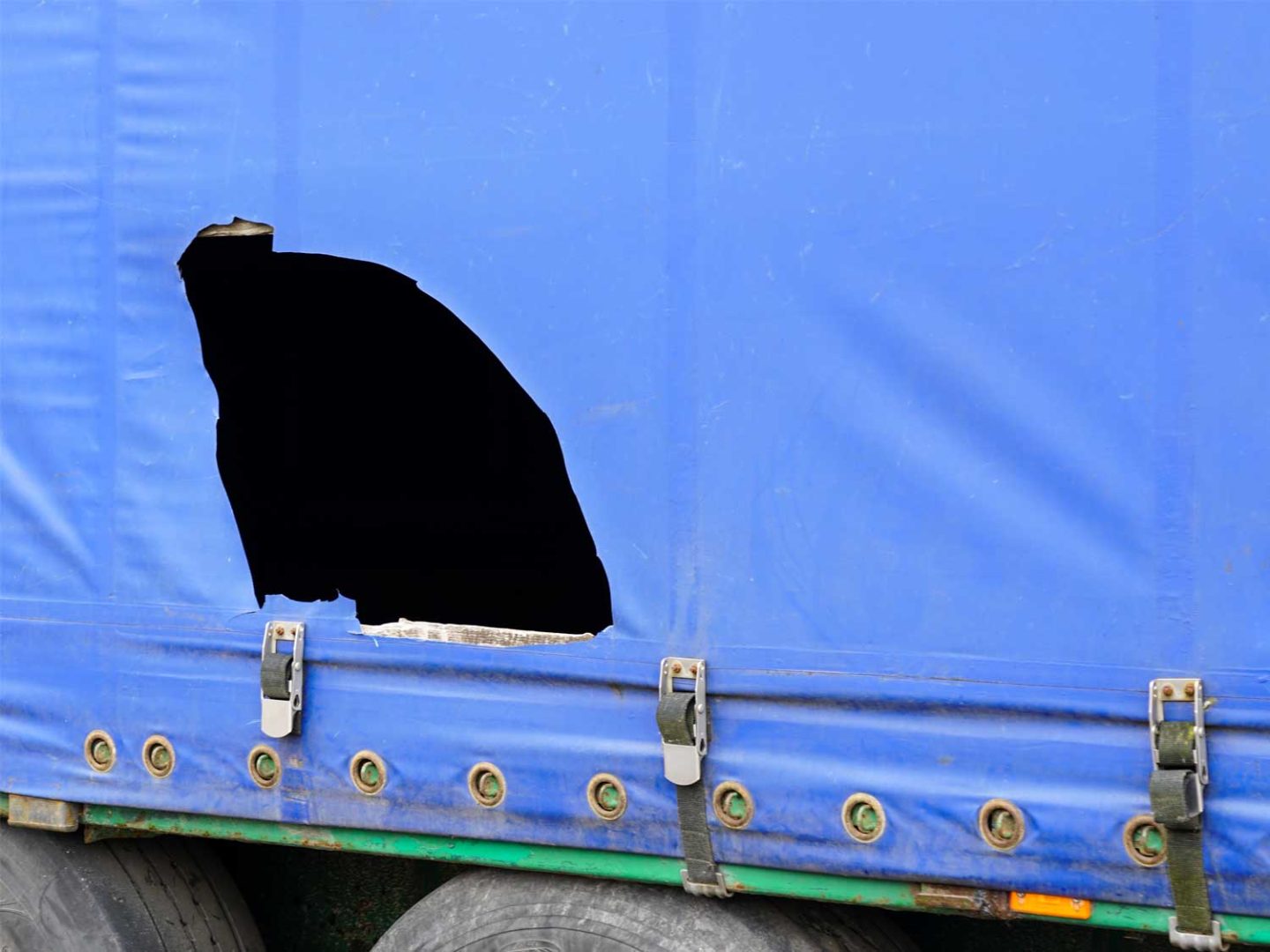
Curtain-slashing, door breaches, cloned paperwork and even purchasing haulage firms are increasingly common tactics. Popular stolen products — electronics, alcohol, tobacco, clothing and FMCG — are quickly dispersed across underground retail networks, fuelling other forms of organised crime.

Industry and Law Enforcement Mobilise

The Road Haulage Association (RHA), National Vehicle Crime Intelligence Service (NaVCIS), and transport bodies stress the urgent need for improved secure parking, stronger site accreditation, and better reporting structures.

NaVCIS, part-funded by the logistics industry, is already supporting police forces nationwide through Operation Opal, targeting serious organised acquisitive crime.

However, police leaders acknowledge resources have been “stretched” and further funding is critical to tackling the organised element of freight theft at scale.

Industry associations are also stepping up coordination. The Transported Asset Protection Association (TAPA) — which logged more than 5,800 cargo crime incidents in the UK in two years — has joined forces with The British International Freight Association (BIFA) to improve intelligence-sharing, strengthen supply chain security and support hauliers. Their collaboration aligns with the proposed Freight Crime Bill, due for its second reading in Parliament this month, following research by the All-Party Parliamentary Group on Freight and Logistics estimating freight-related crime cost the UK economy £700m in 2023.

Secure parking remains a priority, with the Park Mark Freight scheme establishing strict standards for perimeter security, CCTV, lighting and on-site patrols. Yet many motorway service areas and truck stops still fall short of best practice, leaving drivers and loads exposed.

Metro’s Proactive Steps to Reduce Cargo Theft

Metro takes a layered approach to reducing theft risk, combining trained personnel, rigorous procedures, and secure equipment. Our national fleet operates with:

  • Two or three-man crews for visibility and safety
  • Box trailers, providing enhanced protection compared with curtainsiders
  • Secure, well-lit, accredited parking facilities
  • Advanced tracking and monitoring for high-value loads

In addition, all Metro drivers follow strict security protocols, including:

  • Minimising unattended vehicle time
  • Avoiding discussions about load or route details
  • Conducting load and trailer checks after every stop
  • Reporting any irregularity in route, delivery address or customer instructions
  • Never picking up hitchhikers
  • Maintaining heightened awareness in known hotspot areas

These measures significantly reduce exposure. However, even the best operational precautions cannot eliminate risk entirely, especially when organised crime groups target all types of cargo, not just high-value shipments.

Why Insurance Matters More Than Ever

One of the harsh realities of rising freight crime is that standard carrier liability rarely covers the true value of goods. Carrier limits are calculated by weight, not cargo value, meaning claims for electronics, fashion, luxury goods and pharmaceuticals often fall short of replacement cost.

Metro strongly recommends securing All Risk marine insurance, which provides comprehensive cover against loss, theft, and damage throughout the entire transit and storage journey. We partner with leading insurance providers to offer:

  • Per-shipment or annual policies
  • Flexible, competitively priced cover
  • Protection aligned to specific cargo profiles
  • Specialist support for high-value and sensitive goods

With freight crime rising sharply — and becoming more sophisticated — comprehensive insurance is no longer optional. It is a critical layer of risk protection for every supply chain.

For more information on All Risk marine insurance and how to protect your cargo, EMAIL Laurence Burford, CFO at our Birmingham HQ.

HGV driver

Road freight prices edge higher in August

Stronger August demand lifted UK road transport prices, with both haulage and courier markets firming despite fresh capacity entering the system.

The latest TEG Price Index shows overall prices rising nearly 2% month on month and sitting 2.4% above August 2024 levels. Haulage led the gains, up just over 2.5% on July and 3.6% year on year, while courier prices advanced 1.2% in the month to stand 1.3% higher than a year ago.

Seasonal spending around the late-summer Bank Holiday and warm weather drove a sharp 6.26% jump in transport demand, tilting the balance of the market. Additional supply helped restrain steeper inflation, but not enough to neutralise the upward pressure on rates.

Demand outpaces tight supply

Articulated vehicle demand surged more than 13% in August and was closely matched by an almost 15% increase in supply. Even so, articulated prices climbed over 3% month on month, reflecting continued operational constraints from annual leave and persistent driver shortages.

Recruitment challenges are feeding into wage trends: average HGV driver pay reached £42,121 in August, marking a second consecutive month above the UK national average. Fleet renewal is also lagging; SMMT data points to an 11% year-on-year decline in new HGV registrations, suggesting articulated supply could remain constrained even if demand stays elevated.

A recent cut in the Bank of England’s base rate to 4% supported consumer confidence and spending through the peak summer period, adding a further tailwind to freight demand.

Our network of national and pan-European operators provide solutions for every cargo type, shipment size and deadline, giving us the control and flexibility to shield customers from freight market price swings.

By planning the most efficient domestic and European routes, we keep your road transport moving reliably and competitively.

EMAIL our Managing Director Andy Smith to discover how our road freight solutions can strengthen and protect your supply chain.

EU UK negotiations

Resetting UK–EU trade

Five years on from the Trade and Cooperation Agreement (TCA) and with the 2026 review fast approaching, the UK and EU have a chance to move beyond firefighting and design a trading relationship that works in today’s economy.

A new Parliamentary report from the Chartered Institute of Export & International Trade sets out a practical roadmap to turn trade friction into advantage, by prioritising digital connectivity, trusted cooperation and real-world fixes for businesses, especially SMEs.

Exports in services have grown, but goods trade, and particularly for smaller exporters, still hits too many barriers. The Institute proposes a coherent package of measures that reduces cost and complexity at the border, unlocks mobility and skills, and aligns climate and industrial policies so supply chains can invest with confidence.

h4b>The Institute’s eight recommendations

1) Streamline borders and customs

  • Build interoperable UK–EU digital trade corridors to remove duplication and delays.
  • Create a Common Security Zone to simplify newer safety and security requirements.
  • Align the UK’s Trade Strategy with the EU Customs Reform programme to deliver a seamless user experience.

2) Make SPS trade predictable

  • Implement the Common Sanitary and Phytosanitary (SPS) Area via a joint SPS committee (as trailed at the 2025 summit).
  • Work directly with industry to fix recurring pain points in food, plant and animal movements.

3) Modernise rules of origin

  • Simplify and harmonise product-specific rules in the TCA.
  • Enable diagonal cumulation with shared FTA partners.
  • Consider UK participation in the Pan-Euro-Mediterranean (PEM) Convention to increase sourcing flexibility.

4) Deepen regulatory cooperation

  • Use outcome-based equivalence and dynamic alignment where it matters most.
  • Strike targeted “side deals”, including mutual recognition for conformity assessment, and collaborate on emerging areas such as AI and digital trade.

5) Link carbon and energy frameworks

  • Link UK and EU emissions trading schemes and align CBAM approaches.
  • Broaden energy cooperation to support secure, affordable decarbonisation.

6) Back Northern Ireland’s dual-market role

  • Build on the Windsor Framework to deepen trade, energy and mobility links.
  • Position Northern Ireland as a practical model of friction-reduction that benefits both sides.

7) Enable skills and mobility

  • Launch a reciprocal youth mobility scheme and explore re-entry to Erasmus+.
  • Accelerate mutual recognition of professional qualifications in high-impact sectors.

8) Align industrial and digital policy

  • Establish a UK–EU Industrial Cooperation Council to coordinate investment, innovation and regulation.
  • Add a dedicated digital trade chapter to future-proof the partnership.

The last five years have shown that technical workarounds are not enough. SMEs need consistent rules, fewer duplicative checks and clearer pathways. By sequencing border simplification, SPS certainty and origin reform, policymakers can cut costs quickly while building a platform for long-term competitiveness.

What success would look like

  • Lower cost-to-export for SMEs through simplified formalities and interoperable systems.
  • Faster, more predictable food flows via an SPS framework that solves problems at source.
  • More resilient supply chains thanks to compatible rules and modernised origin provisions.
  • A digital-ready TCA that reflects how firms actually trade in 2026 and beyond.

From rules-of-origin compliance to fast-changing customs requirements, our experts deliver integrated and automated solutions that simplify compliance, cut costs and keep your trade moving.

To learn about our automated CuDoS platform and how we can help you navigate the evolving UK–EU trade environment with confidence, please EMAIL our Managing Director Andrew Smith today.

Customs zone 1440x1080 1

EU Freight and Customs Round‑Up

The movement of goods between Great Britain, Northern Ireland and the EU is entering one of its most challenging and complex periods in recent years. Regulatory changes are reshaping established routes, creating new administrative demands, and raising questions about supply chain resilience.

From the phased enforcement of ICS2 safety and security filings, to the evolving requirements of the Windsor Framework and the digitalisation of EU border controls, operators are facing a series of overlapping obligations. Understanding and preparing for these changes will be critical to maintaining efficiency, avoiding disruption, and keeping trade moving in the months ahead.

ICS2 Phase 3 Staggered Rollout

The EU’s ICS2 Release 3 – requiring detailed safety and security filings for road and rail freight – was due to become fully mandatory on 1 September 2025. While the system itself is active, several Member States have secured temporary derogations delaying enforcement until December 2025.

Germany and the Netherlands, however, are pressing ahead, meaning accompanied RoRo shipments to those markets may face compliance risks if operators are unprepared. Northern Ireland RoRo traffic has also been given a phased start, with the new TIMS platform offering a gradual introduction later this year.

The patchwork of deadlines across Europe underscores the need for close monitoring and proactive compliance to avoid penalties and delays.

GB–NI Trade Under Pressure

The Windsor Framework remains a source of disruption for operators moving goods between GB and Northern Ireland. Complicated “at risk” classifications, excessive paperwork, and inconsistent enforcement are driving inefficiency and higher costs.

Some suppliers are rerouting freight via Dublin rather than using the Irish Sea, while consumers in NI face reduced product choice as online sellers and retailers scale back deliveries.

Industry bodies argue that reforms such as classifying goods at the point of sale and simplifying Just-in-Time exemptions are urgently needed to stabilise trade volumes and restore reliability.

EU Entry/Exit System

The EU’s new Entry/Exit System (EES) is scheduled to go live on 12 October. Designed to digitise border checks by capturing biometric data, the system will eventually cover all non-EU drivers entering the bloc.

While intended to streamline processes and enhance security, the transition will create additional steps for hauliers and could slow traffic on critical corridors such as Dover–Calais if infrastructure proves inadequate.

UK hauliers face further constraints from the 90/180-day driver access rule, raising concerns over flexibility in meeting customer demand. With weeks left to prepare, shippers should ensure that drivers are prepared, documentation and contingency measures are in place.

Staying Ahead of the Changes

The common thread running through these developments is clear: shippers face a rising tide of complexity at the intersection of GB and EU trade. From border checks and customs filings to NI market access, regulatory shifts demand preparation, agility and informed support.

Metro is committed to helping customers navigate this evolving environment – from expert customs guidance and training to cross-border contingency planning and operational resilience.

To discuss how these changes could affect your supply chains, and the practical steps to stay compliant and competitive, please EMAIL our managing director Andy Smith.