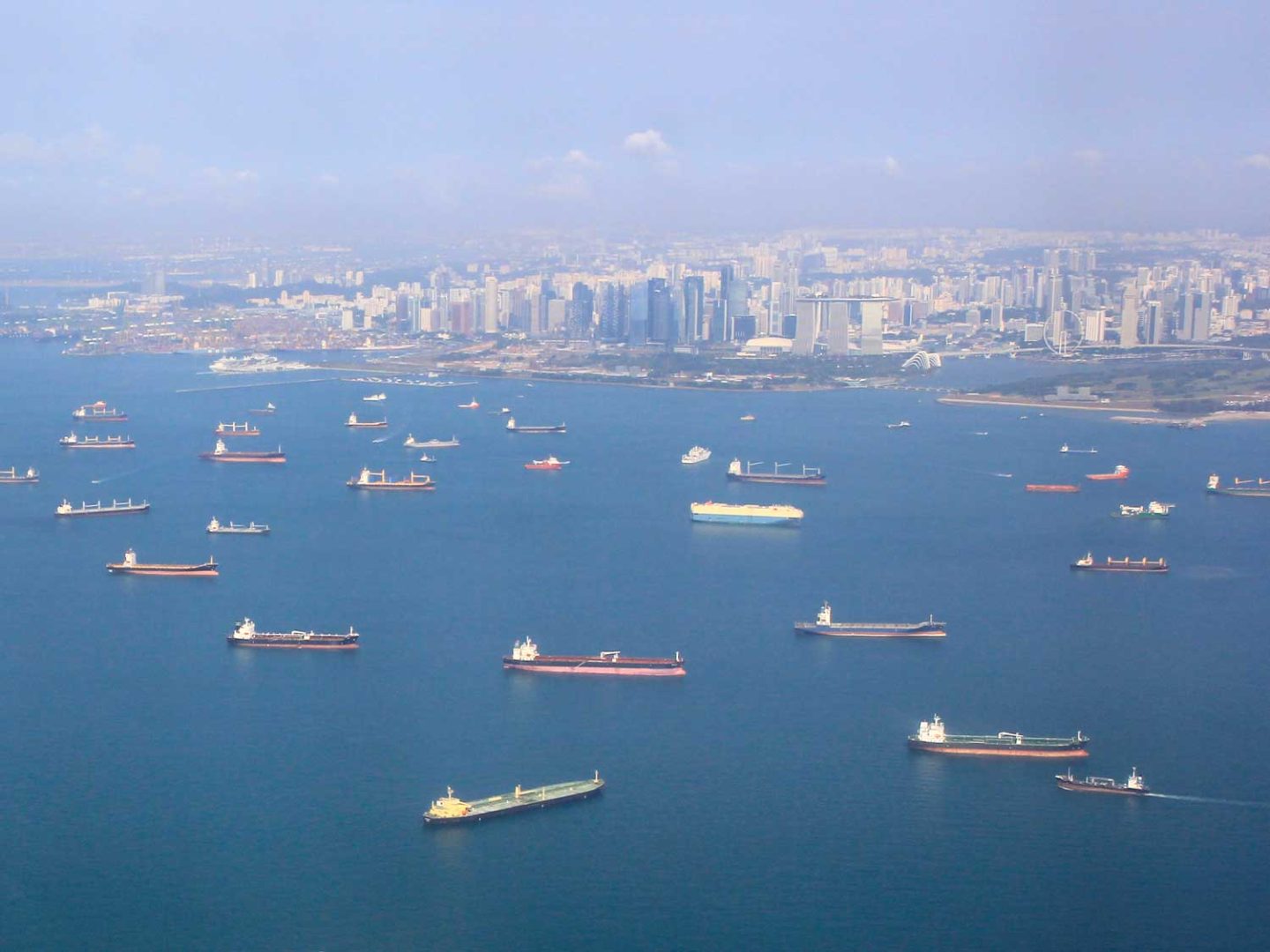
Singapore boats at anchor 1440x1080 1

Asian Cargo Surge Threatens to Overwhelm North Europe Ports

North Europe’s container gateways face a turbulent August and September as a surge of inbound cargo from Asia collides with already stretched terminal operations.

Strong import demand through the first half of the year has driven double‑digit growth in volumes, with the peak season now set to push many ports to breaking point.

For months, operators have battled chronic congestion, with delayed vessel arrivals throwing schedules into disarray and container yards struggling under sustained high occupancy. The anticipated wave of summer imports will magnify these pressures, raising the risk of longer delays and service disruption well into the autumn.

Rising volumes, falling reliability
Exports from Asia to Europe have maintained strong growth into the second half, with China–EU shipments in particular climbing at a double‑digit rate year‑on‑year. This pattern typically sees July sailings arrive in Europe through August and September, concentrating peak loads into an already fragile network.

Schedule reliability has deteriorated sharply. On‑time arrivals for Asia–North Europe services have dropped from more than two‑fifths in May to less than one‑third in July. Larger vessels deployed to circumvent southern Africa are adding to the strain, extending berth stays and raising yard utilisation. Prolonged transit times are feeding greater volatility and unpredictability across the supply chain.

Not all ports are equally affected, but the most severe congestion has been concentrated at London Gateway, Antwerp, Hamburg, and Rotterdam. Antwerp and Hamburg are further hampered by high barge delays, worsened by low water levels restricting inland waterway capacity. Some gateways still report healthy throughput, yet overall capacity buffers are now minimal.

Carrier work‑arounds
Lines are adjusting strategies to ease bottlenecks. Some are replacing transhipment legs with direct calls to Scandinavian ports, reducing container moves by two‑thirds on certain routes. Others are diverting volumes away from heavily congested hubs or shifting calls to less‑utilised terminals such as Le Havre, Zeebrugge, Bremerhaven, and Wilhelmshaven.

Carriers are also moving boxes from deep‑sea terminals into inland depots to free yard space, although low Rhine water levels continue to limit barge utilisation. With inland capacity already tight, this offers only partial relief.

While tactical adjustments may prevent a complete choke‑point, the outlook for the remainder of the summer remains challenging. Persistent high demand, combined with limited progress in clearing congestion, suggests the sector will remain under pressure until at least the final quarter of the year.

Metro’s sea freight teams are actively monitoring port performance, vessel schedules, and rate movements across all major trade lanes. We work with customers to secure priority bookings, optimise equipment and container allocation, and design alternative routings to avoid bottlenecks and minimise disruption.

Email Managing Director, Andrew Smith, to discuss current market conditions, risk‑mitigation strategies, and booking solutions tailored to your business priorities.

US EU flags on desk 1440x1080 1

US–EU Trade Deal Signals New Trade Era

The US and EU have agreed a landmark trade framework taking effect 1 August, with a 15% baseline tariff, replacing many higher existing rates.

In addition to lowering tariffs the new trade deal opens markets, and pledges huge investment flows, with significant opportunities for UK traders able to leverage the EU’s expanded access to the U.S. market.

Headline tariff changes:

  • Cars & parts – Cut from 27.5% to 15%
  • Pharmaceuticals & semiconductors – 0% tariff until review; max. 15% after
  • Steel & aluminium – Stay at 50% pending quota deal
  • Zero‑for‑zero tariffs – On aircraft, some chemicals, generic drugs, semiconductor equipment, selected agri‑products, raw materials
  • Still under negotiation – Wine and spirits tariffs

Strategic commitments:

  • EU to buy $750bn in US oil, LNG and nuclear technology
  • EU firms to invest $600bn in the US over Trump’s second term
  • Defence procurement from US suppliers planned

Opportunities for US, EU & UK Traders

The agreement creates multiple areas of advantage for transatlantic trade:

For EU exporters to the U.S.:

  • Reduced tariffs on high-value sectors such as cars, pharmaceuticals, and technology components.
  • Greater certainty in supply chain planning with capped tariff rates post-investigation.

For U.S. exporters to the EU:

  • Immediate tariff elimination for priority goods, expanding competitiveness in aerospace, chemicals, and agri-products.
  • Increased market access supported by European government procurement in energy and defence.

For UK exporters and importers:

  • Ability to leverage EU supply chains for tariff-advantaged U.S. market access.
  • Opportunities to integrate into transatlantic supply networks in sectors such as automotive, chemicals, and renewable energy.

Leverage Metro’s EU network, in‑house customs brokerage, and on‑the‑ground teams in the United States to navigate this new trade landscape. Whether you’re reassessing sourcing strategies, managing new tariffs, or planning market entry, our experts can deliver compliant, cost‑effective solutions across every mode and market.

Email Managing Director, Andrew Smith, to explore how we can optimise your US/EU trade strategy.

container lorry queue

Carriers Reroute as European Ports Buckle Under Congestion

European container terminals continue to face mounting congestion, triggering service reshuffles, extended inland delays, and spiking freight rates. At several key hubs, container yard density surpassed 80%, pushing carriers to adjust port calls and rethink network strategies in the heart of the traditional peak shipping season.

Carriers have responded to the gridlock by diverting ships away from overloaded gateways. Some carriers have selected Southampton as an alternative for services originally scheduled at London Gateway. Major carriers are reshuffling calls across Rotterdam, Hamburg, and Antwerp, where vessels arrive late, berths are full, and inland connections are strained.

Inland, the disruption ripples out; with truck and, on the continent, barge operators facing long wait times. Terminals have been suspending empty container redeliveries and rail services are under pressure. A full rail shutdown in Hamburg this month has already forced some shippers to reroute cargo via Bremerhaven. Further south, Italian ports like Genoa face looming rail blackouts due to planned infrastructure works, extending from late July into August.

Asian Volumes Surge Into Europe
Asia-Europe container flows surged by around 9% year-on-year in the first four months of 2025, with volumes from Asia to North Europe up nearly 7% and Asia-Mediterranean flows climbing over 12%. Carriers responded by deploying record capacity into North Europe in July, exceeding 1.15 million TEUs. However, blank sailings have also increased, reflecting attempts to balance strong demand with schedule disruptions.

In contrast, Asia-Mediterranean services will see a record 883,000 TEUs deployed in August, with blank sailings sharply reduced, underscoring the divergent strategies between North Europe and Med routes.

Freight-all-kinds (FAK) rates on Asia-North Europe lanes climbed by nearly $500 per FEU in July, as major carriers pushed through increases. Overweight surcharges are also appearing on some China origins, with carriers prioritising lighter cargo and high-cube containers to optimise vessel utilisation.

Inland Disruption Worsens
Average barge waiting times have reached over three days at Antwerp and nearly three days at Rotterdam, further compounded by low water levels on the Rhine that restrict barge loads and trigger surcharges.

Meanwhile, inland networks across Italy brace for rail service suspensions through August, cutting off key routes from ports like Genoa, La Spezia, and Vado Ligure.

The effects are far-reaching, with extensive delays, higher costs, equipment shortages at many locations and circular modal stress, as rail shutdowns push more volume onto trucks and barges.

With peak season in full swing and continued demand expected into August, shippers should share space requirements early, ideally one to two weeks in advance, to avoid delays, book the optimum service and secure container equipment.

Metro’s sea freight teams are closely monitoring port performance, vessel schedules, and rate shifts across all major trade lanes. We help customers secure priority bookings, optimise equipment and container allocation, and design alternative routings to bypass bottlenecks.

EMAIL our Managing Director Andrew Smith to discuss current conditions, risk mitigation strategies, and booking solutions tailored to your business priorities.
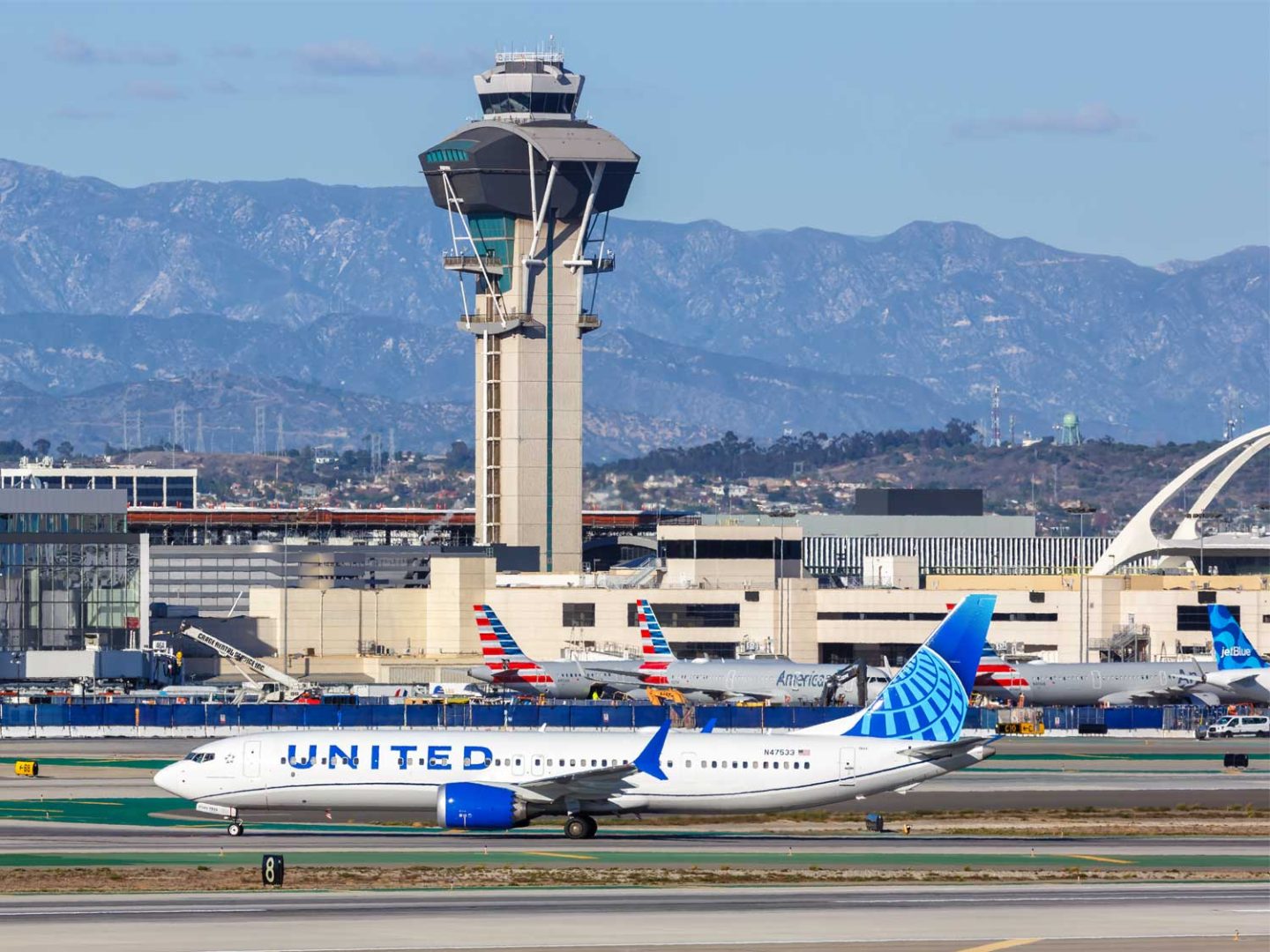
LAX 1440x1080 1

Transatlantic Air Cargo: Calm Surface, Hidden Currents

The transatlantic air cargo market may appear steady, with stable capacity and rates, but beneath this surface calm, subtle shifts are reshaping flows, costs, and opportunities, especially on niche routes like Canada–Europe and Mexico–Europe.

While wide-body and freighter capacity from Europe to North America has edged up around 2% so far this year, the opposite direction has slipped by about 1%. Recent months, however, reveal sharp month-on-month jumps, with capacity from Canada to Europe up 14%, and Europe to Canada up 16%. Airlines like Air Canada and Air France-KLM have expanded significantly, while others have held or slightly reduced services.

The capacity surge on Canada–Europe routes coincides with the summer holiday season, boosting passenger belly-hold space. But freight data points to something more: flown tonnages from Europe to Canada jumped around 10% in early July compared with the previous three weeks, though without a corresponding rise in average rates…yet.

On the pricing front, the top end of spot rates between Canada and the UK nearly doubled at the end of June, while France–Canada rates also climbed sharply. Strengthening UK–Canada trade ties, including the UK’s accession to the Comprehensive and Progressive Agreement for Trans-Pacific Partnership (CPTPP), are likely adding further momentum, potentially lifting logistics demand across both ocean and air freight.

Elsewhere, European exporters have seen steady or rising air cargo flows to North America:

Italy has boosted air exports to the US by over one-third, focusing on fashion goods.
France has lifted exports by nearly half, driven by luxury and pharmaceuticals.
Norway fish exports to the US have surged over 50%.
Ireland, concerned about possible US tariffs on pharmaceuticals, has seen air rates to the US climb since May, with sharper increases in July.

Softening Signs, But Cautious Optimism
Overall, transatlantic rates have eased with the arrival of summer and additional belly capacity, particularly on mainline Europe–US routes. Expect stable or slightly reduced spot pricing, typical for this seasonal slack period. However, some airlines are expressing optimism for the second half, buoyed by promising early signals from peak season negotiations.

A delayed US tariff deadline (now 1 August) and new trade measures affecting partners like Japan and South Korea could prompt a short-term wave of airfreight “front-loading.” Longer-term, shifting freighter capacity from Pacific routes toward the transatlantic may rebalance the market, while the removal of US de minimis import exemptions will reshape eCommerce flows into the US.

While today’s transatlantic air cargo market may seem subdued, pockets of demand and policy uncertainty are quietly stirring the waters. Shippers need to be agile to capture emerging opportunities and be prepared for the unexpected.

Metro’s dedicated air freight team and expanding U.S. presence help shippers navigate shifting transatlantic flows with confidence. From capacity management and multimodal routing, to agile supply chain management and inventory visibility, we keep your air cargo moving smoothly — across the Atlantic and around the world. EMAIL our Managing Director, Andy Smith, to learn more.