Salalah

Drones strike Gulf hubs as air and sea freight networks tighten

Security incidents on 11 March have added further pressure to global freight networks already affected by disruption across the Middle East.

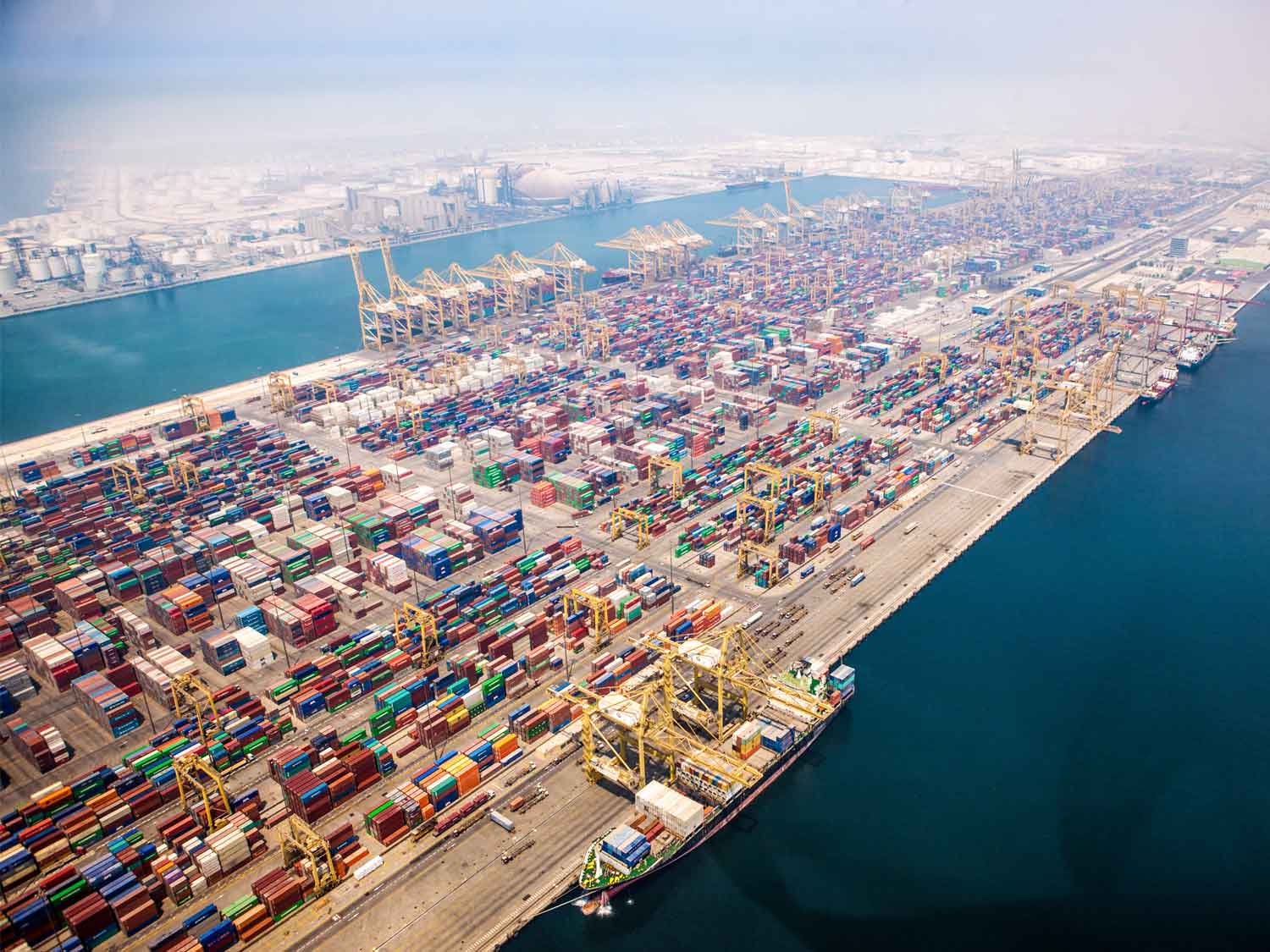
A drone strike at the Port of Salalah in Oman hit fuel storage tanks, forcing the suspension of port operations and bunkering activity at one of the region’s key container transhipment and fuel supply hubs. Salalah is a critical location for vessel refuelling and cargo transfers in the Arabian Sea, and any interruption to bunkering services can affect shipping schedules and vessel routing across multiple trade lanes.

Initial assessments indicate both port operations and bunker supply remain suspended while the extent of the damage is evaluated. The incident follows earlier security events near the port and additional reported attacks affecting nearby Duqm, increasing concern over the resilience of key logistics infrastructure in the region.

At the same time, Dubai International Airport temporarily halted operations after a drone strike nearby wounded four people on the morning of 11 March. Flights have since resumed, but the incident briefly disrupted one of the world’s busiest international aviation hubs and a critical gateway for global air cargo flows.

Port congestion risk rising

The operational disruption comes at a time when global container shipping networks remain highly sensitive to sudden shocks.

When vessels are diverted or delayed, shipping networks can rapidly move from normal operations to congestion. Cargo diverted from disrupted Gulf ports is already being redirected to other locations, with India’s west coast ports among the first to experience increased volumes.

Shipping networks remain vulnerable because delays compound quickly across vessel rotations.  In 2025, Red Sea re-routings took about 9% of capacity out of the system, while port congestion took out a further 10%. That’s capacity lost, not because the ships didn’t exist, but because delays made them non-functional.

The current situation’s risk comes in two parts. First, as carriers abandon Suez transits because of the new strikes, schedules shift unevenly back toward the Cape of Good Hope. And as carriers move at different cadences, it creates vessel bunching, port congestion and massive service instability.

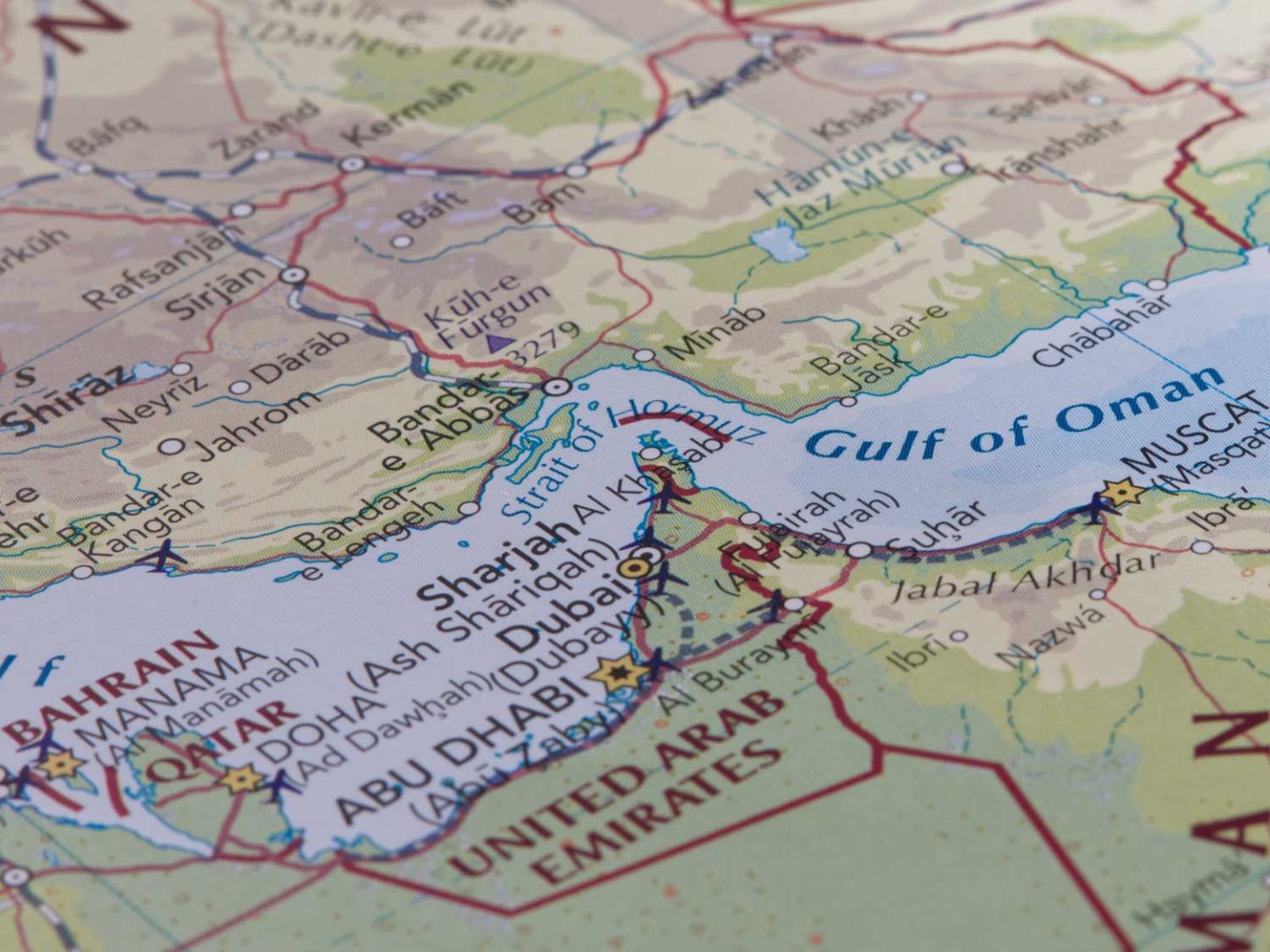
Secondly, the blockade of the Strait of Hormuz has trapped vessels and forced carriers to suspend transits, creating a sudden loss of capacity that is rippling through the whole supply chain.

Air cargo capacity tightening across global routes

Air freight markets are also tightening as disruption across Middle Eastern aviation hubs affects global cargo connectivity.

Many international air cargo supply chains rely on Gulf carriers and airports as transit points between Asia, Europe and North America. When these hubs face operational disruption or flight cancellations, cargo must be rerouted through alternative airports and airlines.

The impact is already visible in export markets heavily dependent on these connections. In Bangladesh, where around 60% of air cargo typically moves through Middle Eastern hubs, hundreds of flights have been cancelled since late February.

As a result, air freight rates to Europe have more than tripled, while rates to the United States have almost doubled, reflecting the sudden shortage of available capacity.

What this means for shippers

The attacks on Salalah and the temporary disruption at Dubai International Airport highlight how quickly events in the region can affect global logistics infrastructure.

For shippers, the immediate risks include reduced air cargo capacity, potential vessel delays linked to bunkering disruption, and increased pressure on alternative ports and airports as cargo flows are redirected.

Metro is monitoring developments across Middle Eastern ports, airports and carrier networks and will continue to provide updates as the situation evolves.

If your shipments move through affected trade lanes, contact your Metro account manager to review routing options and ensure your supply chain remains resilient as conditions develop.

screen concept

Turning disruption into decision advantage

The simultaneous disruption in the Persian Gulf and continued Red Sea avoidance is creating a supply chain shock without modern precedent. Metro’s latest application release is giving you unprecedented visibility.

With vessels held or diverting, Gulf-bound cargo potentially discharging at intermediate hubs, and 2%+ of the global fleet positioned in or near the Persian Gulf, pressure is rapidly shifting across global port networks.

Congestion is no longer isolated to one region. It is migrating.

Transhipment hubs such as Salalah, Khor Fakkan, Sohar, Duqm and Colombo are absorbing displaced volumes. Secondary effects are already emerging at Singapore, Port Klang and Tanjung Pelepas. As carriers reassess Gulf calls and reroute services, containers already on the water may face discharge changes, berth delays and inland knock-on disruption.

In this environment, traditional vessel tracking is not enough.

Shippers need early, reliable visibility into port performance — not just where the vessel is, but what will happen when it arrives.

Introducing port congestion visibility in Metro MVT

To support customers navigating this evolving situation, Metro has launched a new Port Congestion application within the Metro MVT Portal.

The solution provides real-time, data-driven insight into port conditions across key global gateways, enabling proactive planning rather than reactive firefighting.

Key Capabilities

Interactive dashboards deliver clear visibility of:

• Vessel Waiting Time
• Vessel Traffic at Port
• Vessel Days Wasted
• Vessel Dwell Time
• Country-level congestion trends
• Port-level congestion indicators

This allows customers to identify where congestion is building — often days or weeks before cargo arrival.

Why this matters now

With emergency war-risk surcharges applied, routing changes underway and air cargo capacity reduced, cost exposure is already rising. Port congestion adds a further layer of unpredictability.

Early visibility enables:

Smarter Routing Decisions

Assess risk exposure at potential discharge ports before cargo is affected.

Delivery & Warehouse Planning

Align inland haulage, labour and warehouse capacity with real arrival conditions — not estimated schedules.

Priority Management

Identify at-risk shipments early and protect critical cargo before delays escalate.

Cost Control

Reduce detention, demurrage and last-minute premium transport spend triggered by unexpected congestion.

From tracking to foresight

In today’s environment, supply chain resilience depends on anticipation.

Port congestion visibility transforms MVT from a tracking platform into a decision-support tool, combining global congestion intelligence with shipment-level visibility in one place.

As geopolitical volatility reshapes trade flows, having early insight into where disruption is building can materially change operational outcomes.

Accessing the capability

All MVT users with access to the Track & Trace application automatically have access to the new Port Congestion feature.

Your account director will be in touch to arrange a demo. For further information or a guided walkthrough, please EMAIL Ian Powell, Customer & Technical Solutions Director.

US Iran flags

Middle east Crisis: global network implications

The evolving security situation across the Middle East is now materially affecting both ocean and air freight networks, with implications extending far beyond the region itself.

The Middle East is currently classified as high-risk for international transport operations, and the resulting disruption is creating a supply chain shock with no modern precedent.

Unlike isolated regional events, this situation affects two of the world’s most critical trade corridors simultaneously: the Persian Gulf and the Red Sea/Suez route.

The ripple effects are already visible.

Ocean freight: structural disruption, not just diversion

Over 2% of the global container fleet is currently positioned in or near the Persian Gulf. Several major carriers have suspended Gulf bookings or limited transits through the Strait of Hormuz.

Whereas the Red Sea disruption allowed vessels to reroute via the Cape of Good Hope, extending transit times but preserving destination access, a full restriction in the Persian Gulf removes the destination entirely for Gulf-bound cargo.

This includes major transhipment hubs handling significant volumes between Asia, the Indian Subcontinent and Europe.

Carrier responses include:

  • Suspension of high-risk sailings
  • Diversion around Southern Africa
  • Vessels instructed to seek safe anchorage
  • Potential discharge of Gulf-bound cargo at intermediate hubs

Emergency war-risk and conflict surcharges are now being applied across specific Gulf and Red Sea routes, alongside sharply rising marine insurance premiums.

The likely secondary impact:

  • Port congestion at alternative hubs such as Salalah, Khor Fakkan, Sohar, Duqm and Colombo
  • Knock-on bottlenecks at Singapore, Port Klang and Tanjung Pelepas
  • Upward pressure on spot rates as effective capacity tightens

The displacement of volume may take weeks, potentially months, to stabilise.

Air freight: capacity shock across a critical corridor

Air cargo networks are also under pressure.

Regional airspace closures affecting the United Arab Emirates, Qatar, Kuwait, Bahrain, Iraq, Iran, Israel and Jordan have significantly reduced available lift.

Global air cargo capacity is currently down by approximately 18%, with Asia–Middle East–Europe capacity falling by around 26%.

Airlines are bypassing traditional Gulf hubs such as Dubai, Abu Dhabi and Doha, resulting in:

  • Increased direct Asia–Europe flights
  • Extended routings for India–Europe and India–North America
  • Congestion at alternative technical stops
  • A potential 7–10 day backlog, even with rapid reopening

Sustained disruption could result in upward rate movement, particularly on Asia–Europe lanes.

Wider Market Impact

Energy markets have reacted sharply, increasing fuel costs for both ocean carriers and airlines. This adds further upward pressure on operating costs and may feed through into freight pricing.

What This Means for Shippers

In practical terms, customers should expect:

  • Extended transit times
  • Volatile routing patterns
  • Increased surcharges
  • Greater congestion risk at transhipment hubs
  • Potential rate fluctuations

Visibility and proactive planning are now critical

At Metro, we are maintaining continuous liaison with carriers, airlines and insurers, actively reviewing alternative routing options and communicating directly with affected customers.

As geopolitical disruption reshapes trade flows, agility and early visibility will determine how effectively supply chains absorb the shock.

We will continue to provide structured updates as the situation develops.

If you would like to review exposure across your current shipments or upcoming bookings, our team is available to support scenario planning and contingency routing.

ALL supply chain workers are essential

What a cooling labour market means for supply chains

The opening months of 2026 are bringing clearer signs of a cooling UK labour market — a notable shift after several years of acute skills shortages and sustained wage inflation. 

In the logistics and supply chain sector, this transition marks a move away from emergency recruitment conditions toward a more balanced, but economically cautious, environment.

UK unemployment has risen to 5.2%, its highest level since 2021 and 0.7 percentage points above this time last year. At the same time, HMRC payroll data shows employment continuing to contract, with 43,000 fewer pay-rolled employees between November and December 2025. Overall payroll employment is now 184,000 lower year on year — the fifth consecutive monthly decline.

For logistics employers who have faced intense competition for HGV drivers, warehouse operatives and fulfilment staff, this represents a structural shift. Labour availability is improving, but it is unfolding alongside broader economic moderation rather than strong growth.

Wage growth eases

After several years of elevated pay growth, particularly in driving and last-mile delivery roles, wage pressures are now easing. Posted wage growth fell to 4.3% in December, the weakest reading since early 2022. Official ONS data shows regular pay growth at 4.5%, with real pay increasing only marginally once inflation is accounted for.

This moderation will be closely monitored by the Bank of England, as softer wage growth reduces persistent inflation risks and supports expectations of potential interest rate adjustments later in the year.

For supply chain operators, the easing in pay growth provides a degree of cost stabilisation after prolonged upward pressure on driver wages, recruitment premiums and retention incentives.

Vacancies and hiring fall

Vacancies across the UK economy have fallen to around 730,000, roughly half their mid-2022 peak. Competition for talent has therefore eased, with approximately 2.5 jobseekers per vacancy. Business surveys also point to weaker hiring intentions and a gradual rise in redundancy rates, reflecting a more fragile confidence backdrop.

In practical terms, this means recruitment pipelines are less constrained. Agency reliance may fall, lead times could shorten and workforce planning may become more predictable, particularly ahead of seasonal peaks.

After years of acute shortages, especially in HGV driving, warehousing, and forklift operations, the increasing unemployment rate and declining payrolls could lead to:

  • More applicants per role
  • Reduced recruitment lead times
  • Lower reliance on costly agency labour
  • Greater stability when planning peak‑season staffing

A Year of recalibration

Taken together, the data suggests 2026 will be characterised by labour-market recalibration rather than crisis conditions. Unemployment is rising, wage growth is normalising and hiring sentiment remains cautious. 

For Metro, the focus remains on resilience and forward planning. As global trade conditions evolve and domestic economic pressures adjust, stable workforce dynamics will play a central role in maintaining service reliability and competitive cost structures throughout the year.

EMAIL Laurence Burford, Chief Financial Officer, to find out how Metro can assist in your 2026 growth plans