Salalah

Drones strike Gulf hubs as air and sea freight networks tighten

Security incidents on 11 March have added further pressure to global freight networks already affected by disruption across the Middle East.

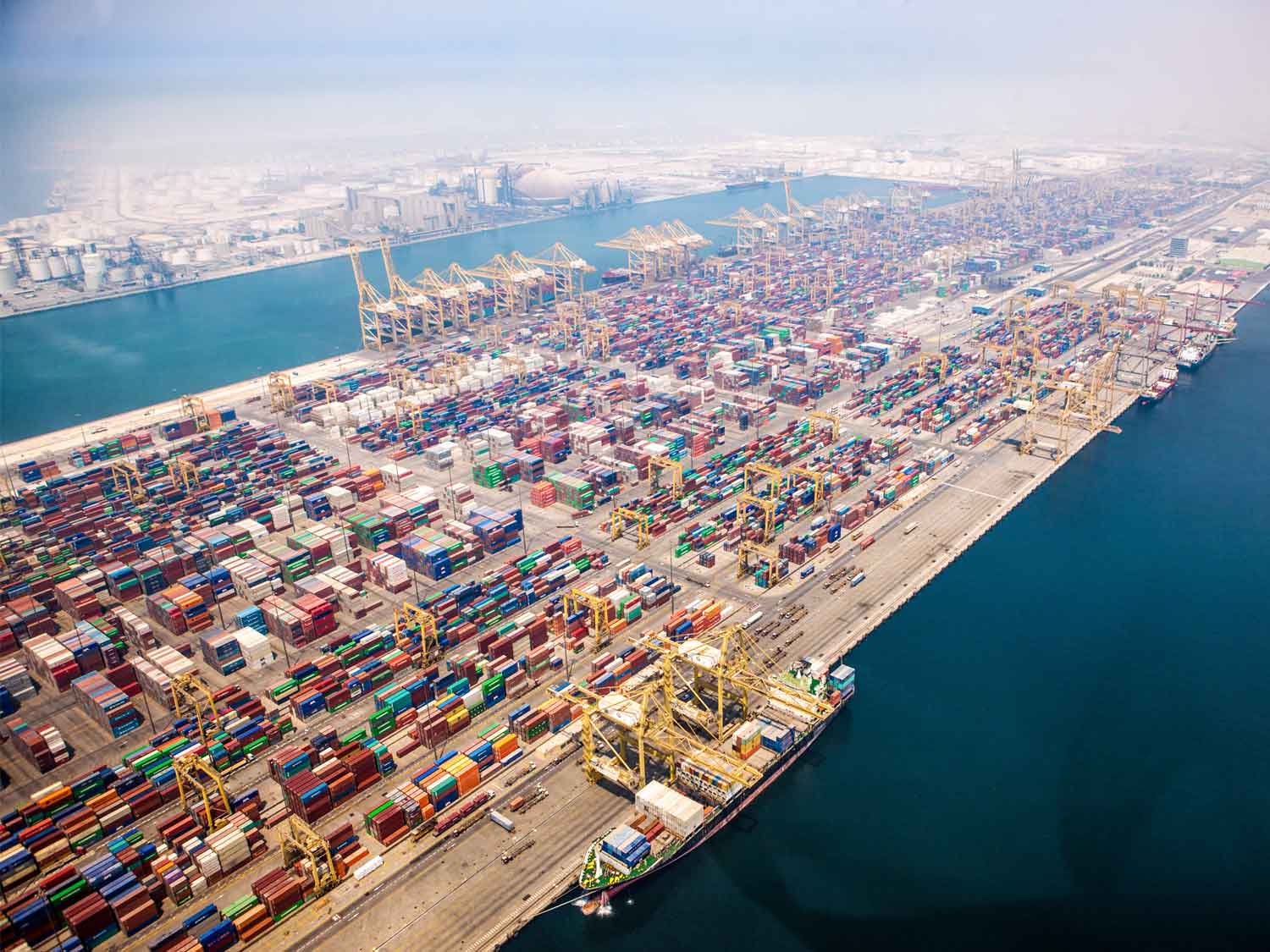
A drone strike at the Port of Salalah in Oman hit fuel storage tanks, forcing the suspension of port operations and bunkering activity at one of the region’s key container transhipment and fuel supply hubs. Salalah is a critical location for vessel refuelling and cargo transfers in the Arabian Sea, and any interruption to bunkering services can affect shipping schedules and vessel routing across multiple trade lanes.

Initial assessments indicate both port operations and bunker supply remain suspended while the extent of the damage is evaluated. The incident follows earlier security events near the port and additional reported attacks affecting nearby Duqm, increasing concern over the resilience of key logistics infrastructure in the region.

At the same time, Dubai International Airport temporarily halted operations after a drone strike nearby wounded four people on the morning of 11 March. Flights have since resumed, but the incident briefly disrupted one of the world’s busiest international aviation hubs and a critical gateway for global air cargo flows.

Port congestion risk rising

The operational disruption comes at a time when global container shipping networks remain highly sensitive to sudden shocks.

When vessels are diverted or delayed, shipping networks can rapidly move from normal operations to congestion. Cargo diverted from disrupted Gulf ports is already being redirected to other locations, with India’s west coast ports among the first to experience increased volumes.

Shipping networks remain vulnerable because delays compound quickly across vessel rotations.  In 2025, Red Sea re-routings took about 9% of capacity out of the system, while port congestion took out a further 10%. That’s capacity lost, not because the ships didn’t exist, but because delays made them non-functional.

The current situation’s risk comes in two parts. First, as carriers abandon Suez transits because of the new strikes, schedules shift unevenly back toward the Cape of Good Hope. And as carriers move at different cadences, it creates vessel bunching, port congestion and massive service instability.

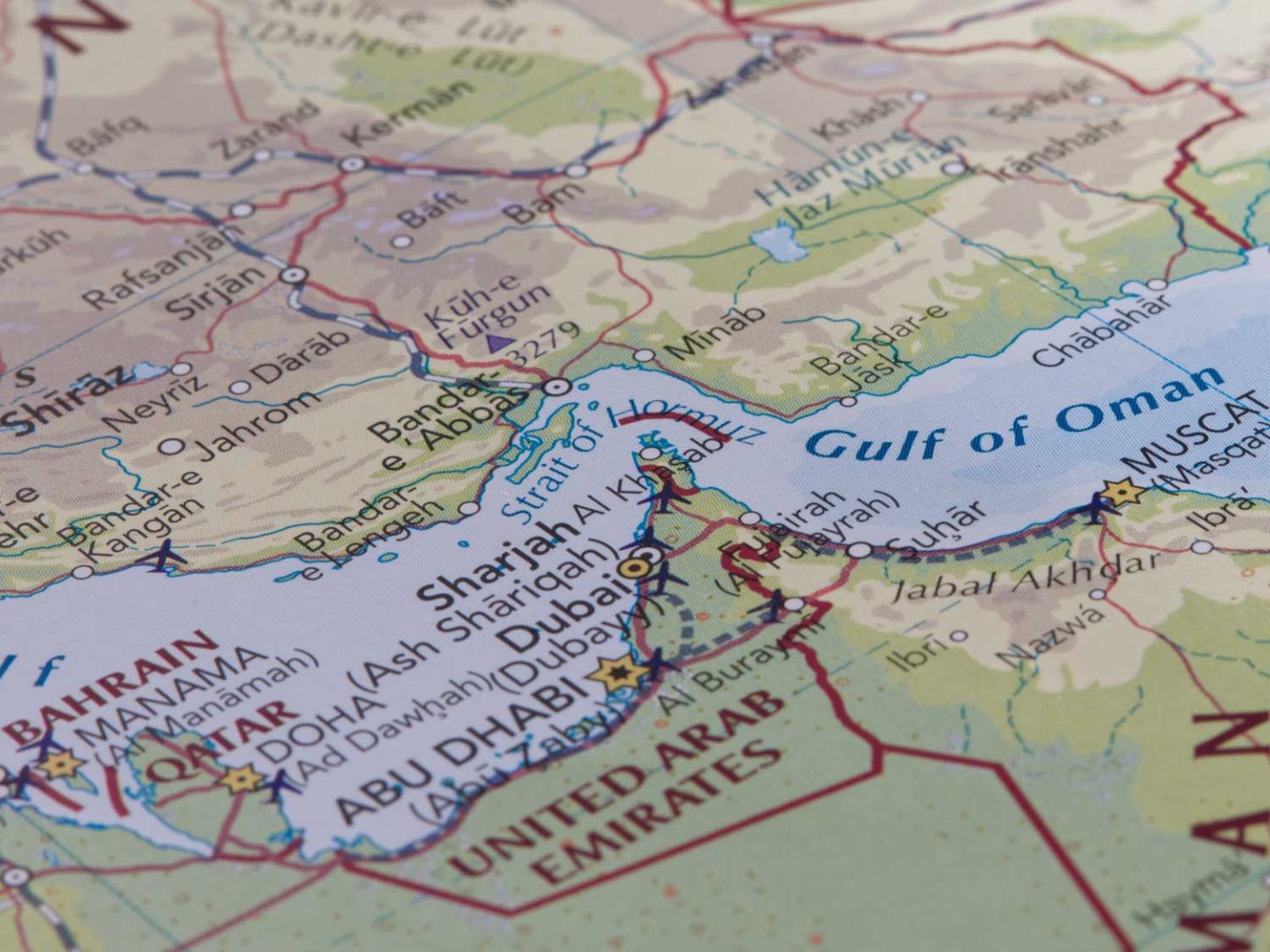
Secondly, the blockade of the Strait of Hormuz has trapped vessels and forced carriers to suspend transits, creating a sudden loss of capacity that is rippling through the whole supply chain.

Air cargo capacity tightening across global routes

Air freight markets are also tightening as disruption across Middle Eastern aviation hubs affects global cargo connectivity.

Many international air cargo supply chains rely on Gulf carriers and airports as transit points between Asia, Europe and North America. When these hubs face operational disruption or flight cancellations, cargo must be rerouted through alternative airports and airlines.

The impact is already visible in export markets heavily dependent on these connections. In Bangladesh, where around 60% of air cargo typically moves through Middle Eastern hubs, hundreds of flights have been cancelled since late February.

As a result, air freight rates to Europe have more than tripled, while rates to the United States have almost doubled, reflecting the sudden shortage of available capacity.

What this means for shippers

The attacks on Salalah and the temporary disruption at Dubai International Airport highlight how quickly events in the region can affect global logistics infrastructure.

For shippers, the immediate risks include reduced air cargo capacity, potential vessel delays linked to bunkering disruption, and increased pressure on alternative ports and airports as cargo flows are redirected.

Metro is monitoring developments across Middle Eastern ports, airports and carrier networks and will continue to provide updates as the situation evolves.

If your shipments move through affected trade lanes, contact your Metro account manager to review routing options and ensure your supply chain remains resilient as conditions develop.

container haulage

Middle East situation triggers emergency fuel surcharges

The continuing disruption in the Middle East is beginning to affect container shipping costs globally, with carriers introducing emergency fuel surcharges and rate increases across several major trade lanes.

Global bunker prices have surged in recent weeks, with very low sulphur fuel oil (VLSFO) rising by almost 40% since the initial military strikes on Iran. The increase reflects tightening oil supply and heightened market uncertainty linked to the closure of key regional shipping corridors.

The Middle East is a major exporter of fuel oil and accounts for around 35% of the fuel imported into Singapore, the world’s largest bunkering hub. As supply concerns intensify, fuel costs are expected to continue influencing freight pricing in the coming weeks.

Several major container carriers have already moved to pass these increased costs through to customers.

MSC has announced an emergency fuel surcharge for cargo moving from the Mediterranean and Black Sea, while CMA CGM will introduce its own fuel surcharge across its services, with both taking effect in the coming days.

These measures are likely to be followed by other carriers as the industry responds to rising bunker costs.

Freight markets beginning to react

Ocean freight markets have already begun to respond to the combination of higher fuel prices, geopolitical uncertainty and continued disruption across Middle Eastern shipping routes.

Recent spot rate indices on the Asia–Europe and Asia–Mediterranean trades show container rates rising week-on-week. Across the transpacific, rates to the US West Coast have surged sharply, while prices to the US East Coast have also moved higher, though to a lesser extent.

Carriers are also signalling further increases across Asia–Europe services from mid-March as they respond to higher operating costs and ongoing uncertainty around the reopening of Suez Canal routings.

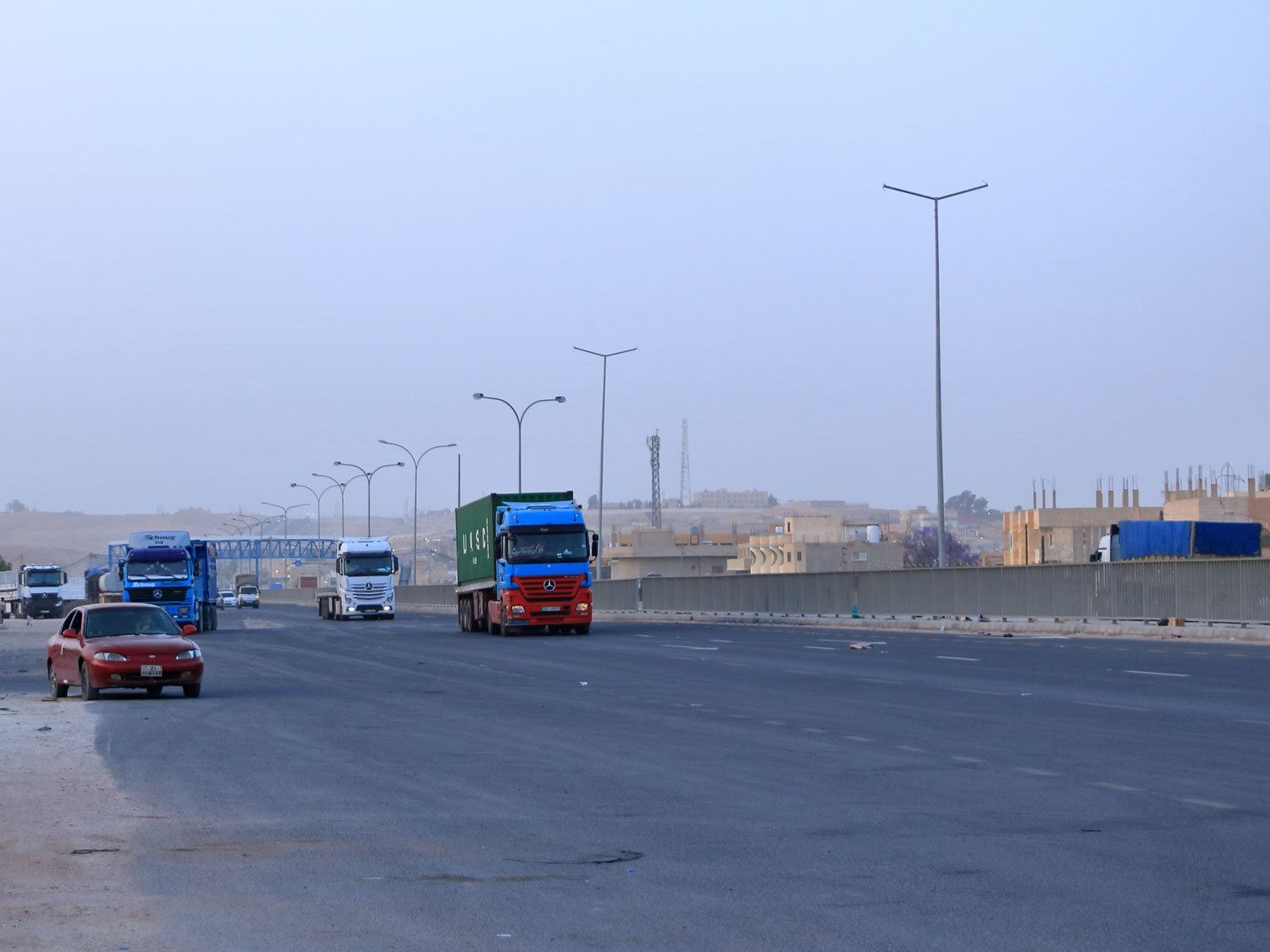
Some cargo flows normally destined for Gulf markets are also being redirected via alternative land and sea corridors, including inland routes through Turkey, which may influence capacity utilisation and pricing across neighbouring trade lanes.

UK road transport also feeling fuel pressure

The increase in global oil prices is also beginning to affect UK road transport costs, which form a key part of inland supply chains.

The Road Haulage Association has called for urgent discussions with the UK government after a sharp rise in diesel prices, warning that hauliers are facing rapidly increasing operating costs.

As a result, many UK merchant hauliers are introducing or increasing fuel surcharges to reflect the higher diesel costs of container collection and positioning. This means that the impact of rising fuel prices is now being felt not only in international shipping but also across domestic transport and distribution.

What this means for shippers

The combination of rising bunker costs, emergency surcharges and higher road fuel prices is likely to increase logistics costs across several parts of the supply chain in the short term.

Metro is monitoring carrier announcements, bunker price movements and transport developments closely and will continue to update customers as the situation evolves.

If you would like to discuss how these developments may affect your shipments or explore alternative routing strategies, please contact your Metro representative or EMAIL Managing Director Andrew Smith.

Suez empty

Middle East: Disruption ripples through global supply chains

The ongoing disruption across the Middle East is now sending shockwaves far beyond the region itself, with upstream impacts emerging across air cargo networks, ocean shipping services and global freight pricing.

What began as a regional security crisis affecting Gulf airspace and the Strait of Hormuz is increasingly triggering structural changes in how global supply chains move cargo between Asia, Europe and the Americas.

Carriers and airlines are rapidly restructuring networks, while a growing number of emergency surcharges are being introduced as transport providers attempt to offset rising operational risks and fuel costs.

Air cargo networks feel the strain

Air cargo capacity has begun to stabilise slightly, but significant gaps remain in global lift availability.

Global air cargo capacity is currently down around 8%, improving from the 18% decline recorded earlier in the week. However, the regional disruption remains severe.

Outbound capacity from the Middle East to Europe remains 52% below normal levels, although this is an improvement on the 61% reduction seen earlier in the crisis.

At the same time, capacity from Asia Pacific to the Middle East remains 57% lower week-on-week, reflecting the continued disruption to key Gulf hub airports.

To compensate, airlines have increased direct Asia–Europe flights by around 14%, bypassing traditional stopovers in Dubai, Doha and Abu Dhabi and operating longer non-stop sectors.

However, direct flying cannot fully replace the connectivity normally provided by the Middle East’s hub-and-spoke air cargo networks.

Approximately a quarter of China–Europe air cargo capacity normally transits the Middle East, meaning the sudden loss of these hubs is creating structural gaps in the global network.

South Asia exports under particular pressure

The disruption is particularly acute for exporters across South and Southeast Asia, where cargo flows to Europe and North America rely heavily on Middle Eastern transit hubs.

Across South Asia–Europe corridors, available cargo tonne kilometres (ACTK) have fallen by 39%, leaving shippers scrambling to secure alternative routings.

Air cargo markets across the Indian Subcontinent and Bangladesh are already feeling the secondary effects.

Export capacity from Dhaka has tightened significantly, pushing airfreight rates up by roughly 20%.

In India, where many cargo services traditionally route via Gulf hubs, capacity constraints are becoming increasingly visible. Several major origins are now overbooked, some locations have temporarily stopped accepting cargo for five to seven days, and freight rates have increased by two to three times on certain lanes.

As capacity normally routed through the Middle East disappears, cargo destined for Europe and North America is expected to begin stacking up at Asian airports, creating a growing imbalance between available lift and cargo demand.

Early signs of pricing pressure are already emerging.

Spot rate indices have increased 2% from China to North America, 7% to Northern Europe, and 3% eastbound across the Atlantic.

The developing supply-demand imbalance is drawing comparisons with airfreight market conditions seen during the COVID-19 pandemic, when ocean disruptions pushed large volumes of cargo into the air freight market and triggered rapid rate increases.

Disruption spreads through global shipping networks

The ocean freight sector is experiencing a similar cascade effect.

Maritime tensions intensified further this week when the 1,700-TEU container vessel Safeen Prestige was struck by a missile in the Strait of Hormuz, bringing the total number of vessels hit during the crisis to six tankers and one container ship.

Although only a small proportion of the global fleet is physically located in the immediate risk zone, the operational consequences extend much further.

Currently around 2% of the global container fleet is located inside or near the Persian Gulf.

However, the wider network impact extends far beyond those vessels.

A total of 124 liner services include at least one Arabian Gulf port in their scheduled rotations, representing:

  • 520 container vessels
  • 3.6 million TEU of deployed capacity

As a result, the current disruption is directly affecting more than 10% of the global container shipping fleet by deployed capacity.

Carriers are already restructuring services, redeploying vessels and adjusting port rotations across multiple trade lanes as they attempt to maintain network stability.

Emergency surcharges begin to emerge

Alongside operational disruption, shipping lines have begun implementing a growing range of emergency surcharges linked to security risks, fuel costs and network congestion.

These charges are appearing under several different names, including:

  • ECS – Emergency Conflict Surcharge
  • WRS – War Risk Surcharge
  • EFS – Emergency Fuel Surcharge
  • EFQ – Emergency Fuel Quarterly surcharge

While terminology varies, the purpose is broadly similar: to offset the additional costs associated with longer sailing distances, higher insurance premiums and volatile fuel markets.

In some cases, the surcharges being discussed across the market are significant and may reach four-figure levels per container, depending on the trade lane, equipment type and carrier policy.

Because these charges differ between carriers and routes, shippers may encounter multiple surcharges applied simultaneously as conditions evolve.

Alongside new surcharges, carriers are also introducing operational measures designed to manage equipment supply and limit container accumulation at intermediate ports.

In one recent example, a major carrier has introduced a requirement for import containers discharged at certain ports to be collected from the quay within 48 hours.

Failure to remove containers within that timeframe may trigger additional charges, which in some cases are in a substantial four figure range.

Cargo backing up upstream

The ripple effects are already visible at origin.

In Bangladesh, more than 1,000 containers are currently stranded at Chittagong port and inland depots, while hundreds of containers already shipped remain stuck at Middle Eastern ports or on vessels awaiting discharge.

Similar pressures are beginning to appear at other Asian export hubs as Gulf-bound cargo stalls and vessels adjust schedules.

Nearly every major Asia export port is now experiencing some level of disruption, either through delayed sailings, suspended services or uncertainty around onward routing.

As shipping lines and airlines continue restructuring their networks, the full impact is expected to spread further across global supply chains.

Ocean carriers may redeploy vessels across Asia–Europe and Asia–US trade lanes, while airlines continue adjusting long-haul flight paths to compensate for the loss of Gulf connectivity.

Managing disruption

In light of the rapidly evolving situation, Metro is working closely with customers to assess the need for contingency airfreight on a shipment-by-shipment basis.

Our team can also advise on alternative routing options, particularly for cargo that would normally transit Middle Eastern hubs, helping customers minimise disruption and maintain supply chain resilience.

Customers with shipments moving through the region are encouraged to contact their Metro representative to review routing options and obtain the latest operational guidance.

screen concept

Turning disruption into decision advantage

The simultaneous disruption in the Persian Gulf and continued Red Sea avoidance is creating a supply chain shock without modern precedent. Metro’s latest application release is giving you unprecedented visibility.

With vessels held or diverting, Gulf-bound cargo potentially discharging at intermediate hubs, and 2%+ of the global fleet positioned in or near the Persian Gulf, pressure is rapidly shifting across global port networks.

Congestion is no longer isolated to one region. It is migrating.

Transhipment hubs such as Salalah, Khor Fakkan, Sohar, Duqm and Colombo are absorbing displaced volumes. Secondary effects are already emerging at Singapore, Port Klang and Tanjung Pelepas. As carriers reassess Gulf calls and reroute services, containers already on the water may face discharge changes, berth delays and inland knock-on disruption.

In this environment, traditional vessel tracking is not enough.

Shippers need early, reliable visibility into port performance — not just where the vessel is, but what will happen when it arrives.

Introducing port congestion visibility in Metro MVT

To support customers navigating this evolving situation, Metro has launched a new Port Congestion application within the Metro MVT Portal.

The solution provides real-time, data-driven insight into port conditions across key global gateways, enabling proactive planning rather than reactive firefighting.

Key Capabilities

Interactive dashboards deliver clear visibility of:

• Vessel Waiting Time
• Vessel Traffic at Port
• Vessel Days Wasted
• Vessel Dwell Time
• Country-level congestion trends
• Port-level congestion indicators

This allows customers to identify where congestion is building — often days or weeks before cargo arrival.

Why this matters now

With emergency war-risk surcharges applied, routing changes underway and air cargo capacity reduced, cost exposure is already rising. Port congestion adds a further layer of unpredictability.

Early visibility enables:

Smarter Routing Decisions

Assess risk exposure at potential discharge ports before cargo is affected.

Delivery & Warehouse Planning

Align inland haulage, labour and warehouse capacity with real arrival conditions — not estimated schedules.

Priority Management

Identify at-risk shipments early and protect critical cargo before delays escalate.

Cost Control

Reduce detention, demurrage and last-minute premium transport spend triggered by unexpected congestion.

From tracking to foresight

In today’s environment, supply chain resilience depends on anticipation.

Port congestion visibility transforms MVT from a tracking platform into a decision-support tool, combining global congestion intelligence with shipment-level visibility in one place.

As geopolitical volatility reshapes trade flows, having early insight into where disruption is building can materially change operational outcomes.

Accessing the capability

All MVT users with access to the Track & Trace application automatically have access to the new Port Congestion feature.

Your account director will be in touch to arrange a demo. For further information or a guided walkthrough, please EMAIL Ian Powell, Customer & Technical Solutions Director.