
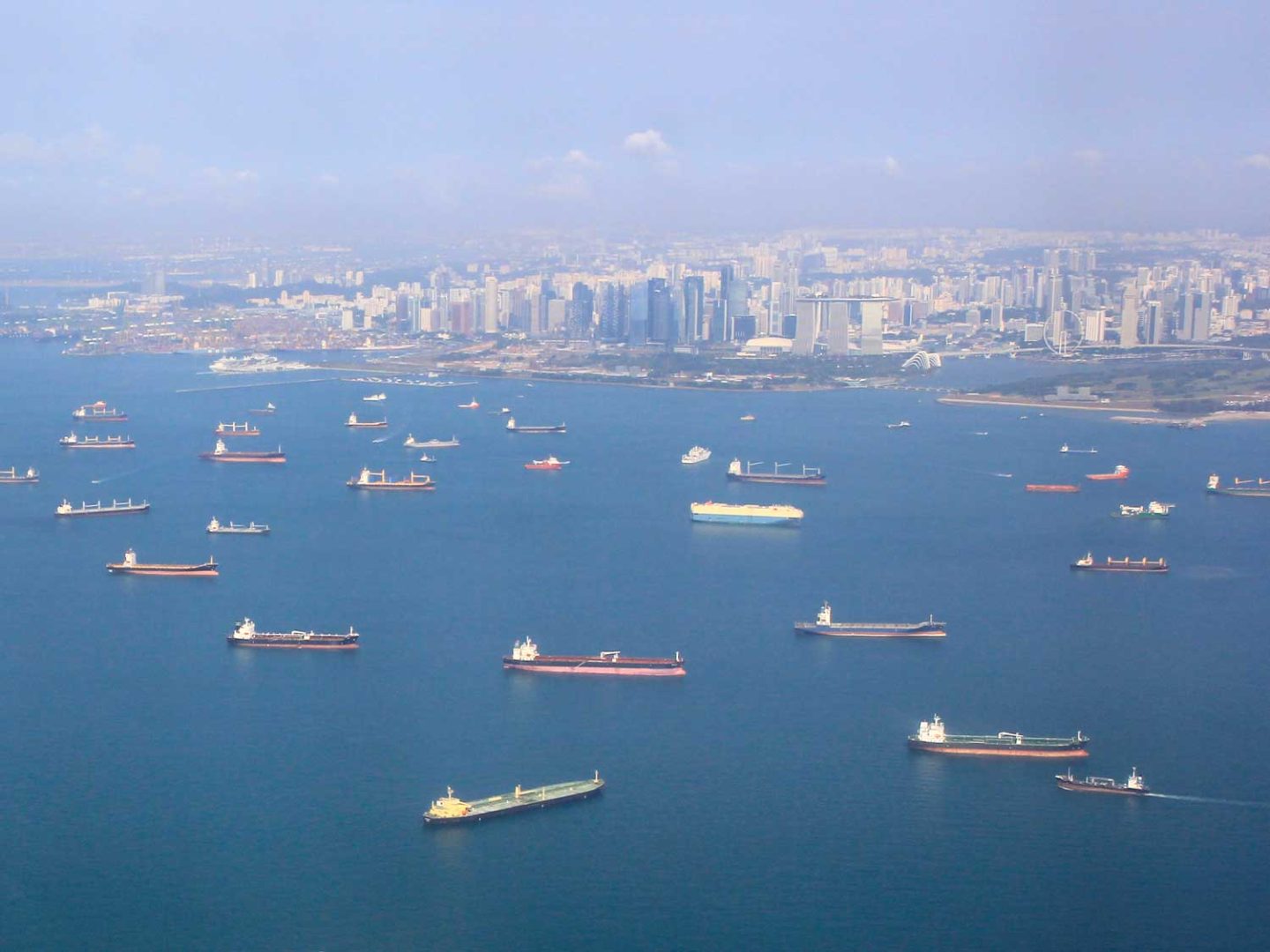
LA an d Long Beach

US market update: Navigating high demand and looming strikes

Shippers in the US are currently navigating a particularly challenging landscape, marked by elevated air cargo demand and looming threats of labour strikes on the East and Gulf coasts.

Air Cargo
Air cargo on the main trade lanes out of Asia remains in peak season mode. The situation is driven by distressed cargo from the Red Sea and sustained eCommerce demand, keeping spot rates high. The recent global IT outage at Microsoft, which caused massive flight delays, cancellations, and cargo backlogs, did not significantly impact the air freight market. Cargo load factors returned to normal levels within ten days.

Air freight rates from Shanghai to North America are currently 25% higher than last year. Growth in air cargo demand is expected to continue into August and September, with potential for further increases if the peak season extends into the fourth quarter.

Sea freight and the threat of East and Gulf coast strikes
The International Longshoremen’s Association (ILA) is seeking an 80% wage increase over its next six-year contract with maritime employers on the East and Gulf coasts. The ILA has issued a 60-day strike notice to the United States Maritime Alliance (USMX), warning of strike action by its 45,000 members if a new deal is not reached before the current contract expires at the end of September.

The ILA’s wage demand is significantly higher than previous agreements and follows other union victories in contract negotiations. Shippers using container ports along the US East and Gulf coasts have limited options if the ILA begins strike action on 1st October. Importers are advised to front-load cargo to these ports as outbound capacity from Asia has been tight for several weeks. Space on vessels needs to be booked immediately to ensure arrival by 30th September.

Canadian routings for inbound cargo are increasingly uncertain due to the threat of a country-wide rail strike, while diversions through Mexico present significant logistical challenges, including limited vessel space. Short ILA stoppages can be managed with East Coast ports capable of clearing backlogs quickly. However, prolonged stoppages of a week or more could take a month to recover from, causing widespread disruption.

Diverting services to avoid the US East and Gulf coasts poses its own challenges. West Coast capacity and container equipment shortages are likely to worsen, with US imports expected to increase by 14% year-on-year in August and resilient consumer spending maintaining demand. The current rate differential between East and West coasts is the widest since October 2022 but is expected to narrow as East Coast spot rates decline ahead of the potential ILA strike.

Carriers are booked through mid-August to the East Coast, keeping rates high at least for the next few weeks. However, this will change rapidly if the ILA takes action. Spot rates to the West, East, or Gulf coasts are unlikely to fluctuate significantly in the event there is no ILA strike. Additionally, no significant drop in rates is expected during the traditionally slow months of November and December.

Canadian Railways and unions resume contract talks
Canadian National Railway and Canadian Pacific Kansas City have resumed separate contract talks with the Teamsters Canada Rail Conference, representing nearly 10,000 railroad workers. Negotiations began last November but have yet to produce a new contract to replace the agreement that expired at the end of last year.

The Canada Industrial Relations Board is investigating whether a work stoppage would impact Canadians’ health and safety, with an announcement expected by Friday. While railroad workers cannot legally strike until 72 hours after the board’s ruling, the union has indicated that a work stoppage is likely by the end of August. A strike by Canada’s railroad workers would disrupt the daily movement of more than 900,000 metric tons of goods on Canada’s railways.

The US market is experiencing significant challenges in both air and sea freight sectors. With elevated air cargo demand and potential labour strikes on the East and Gulf coasts, strategic planning is more crucial than ever for shippers.

We are here to keep you informed and act proactively to help you navigate these turbulent times, ensuring the smooth movement of goods through your supply chain.

If you have concerns about potential ILA strike action, we can assess your situation and, if necessary, develop contingency plans to safeguard your import traffic. By exploring alternative access ports and adopting a collaborative approach, we will provide optimal solutions to meet your supply chain needs.

To learn how we can support your trade with the United States or for more information about our ocean solutions, please EMAIL our Chief Commercial Officer, Andy Smith.
Bangladesh protest 1440x1080 1

Bangladesh Lockdown Easing

Peaceful protests by university students against a government job quota system favouring relatives of war veterans escalated into nationwide violence last week, resulting in over 150 deaths, communication blackouts, and curfews. Today, Bangladesh began to gradually lift the curfew imposed last Thursday, reopening offices and banks as normality slowly returns after the week-long turmoil and internet blackout.

Numerous apparel factories have resumed operations, with broadband internet connections being selectively restored in key economic zones. However, ongoing curfews remain in critical areas, continuing to challenge export activities and travel arrangements.

Over 80% of apparel factories in Chittagong have resumed operations, with hundreds more opening in Narayanganj BSCIC, Savar, Ashulia, and Gazipur. Export Processing Zone (EPZ) factories are also expected to reopen today, with the hope that all factories will be operational within days.

Following a complete internet blackout for five days, the government began restoring broadband connections from yesterday evening, prioritising financial, industrial, export-import, diplomatic, IT, and crucial service hubs. Offices, including banks, will remain open from 11:00am to3:00 pm until further notice.

Air Freight
With limited internet connectivity restored, our partners in-country can now send documents for pending shipments and those dispatched prior to the shutdown. Shipments planned from 19th July could not be moved due to the unavailability of customs documents, resulting in some shipments being stuck in the cargo village and others in warehouses. We expect improvements from Wednesday afternoon as connectivity continues to be restored.

Ocean Freight
The port has begun processing shipments manually, prioritising perishable goods and industrial raw materials. Customs have been manually approving the delivery of containers for which duties were paid before the internet blackout last Thursday night.

At around 8am yesterday, Chittagong port, with a capacity of 53,518 TEUs, had 41,620 TEUs, leaving a safety buffer of fewer than 4,000 TEUs. The government is gradually relaxing the curfew and reopening offices and banking services to contain the unrest.

We are actively working with clients affected by the evolving situation, ensuring minimal disruption to their operations. Our team remains dedicated to navigating these complex challenges and maintaining the integrity of our customers’ supply chains amid ongoing global and regional tensions.

If you have concerns about any of the issues covered here, or would like to discuss contingencies, please EMAIL our Chief Commercial Officer, Andy Smith.

container ship and naval escort

SECURITY UPDATE: Red Sea

The recent sinking of the Prestige Falcon oil tanker, following a Houthi attack, marks the deadliest incident involving these strikes to date.

The vessel capsized near the Omani coastal city of Duqm, and while the Indian Navy rescued nine of the 16 crew members, one was found deceased, and six remain unaccounted for, feared to have gone down with the ship.

The Prestige Falcon, flagged under the Comoros, was targeted approximately 5 nautical miles southeast of Ras Madrakah, Oman, closer to the Persian Gulf than the typical Red Sea and Bab al-Mandeb strait attack zones. With at least 100 Houthi attacks on merchant ships so far, resulting in the deaths of four seafarers, this incident could significantly increase that toll.

These Red Sea attacks have contributed to elevated containership charter and freight rates. Industry experts predict continued Cape of Good Hope diversions until at least 2025, keeping rates high.

Recent escalations include Israel’s attack on the Hodeidah port in Yemen, following a Houthi drone strike on Tel Aviv. The method of the Houthi drone attack remains unclear, raising concerns about potential threats to shipping in the Eastern Mediterranean.

Speculation suggests the drone may have been launched with the aid of militants closer to Israel, highlighting the risk of supply chain disruptions if drones can be deployed from nearer locations or if groups like Hezbollah become involved.

The Houthi’s have already warned that they plan to expand their campaign of attacks on commercial shipping, to include vessels in the Mediterranean. While the Pentagon has stated that the US has seen no sign of the Iran-armed rebels attempting to do so yet, it has admitted to being worried about the possibility.

“The Houthis have an advanced array of weaponry and they have weapons that could reach the Mediterranean. It definitely is of concern that they have that capability.”

According to some projections, the current Houthi attack campaign will continue for at least the rest of this year, and many commercial vessels will keep avoiding the Gulf of Aden and southern Red Sea until 2025 or beyond. In fact, it could get much worse with some of the new developments this week between Israel and The Lebanon also. We will endeavour to keep you updated as frequently as news is issued and on the impact associated with your supply chain and logistics requirements.

Experts warn that until the Houthis are deprived of the weapons they are using to conduct these attacks at source, we should expect more attacks and damage to international trade.

If you have concerns or questions about the issues covered here, please EMAIL our Chief Commercial Officer, Andy Smith.
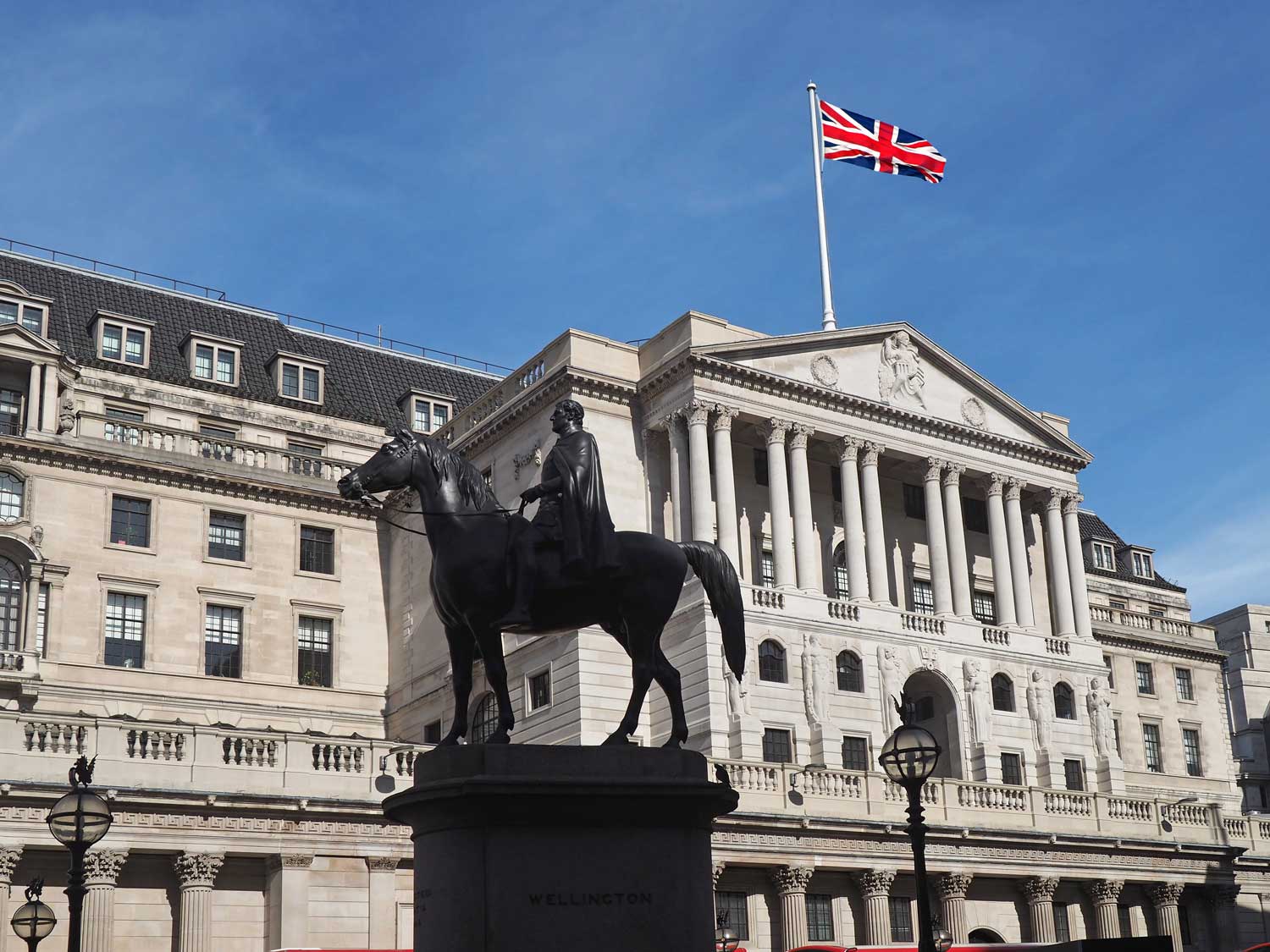
Bank of England

Fresh Start for UK Trade

The UK economy has faced significant challenges in recent years, impacted by global economic shocks, but signs of recovery are emerging as GDP growth returns, inflation declines, interest rates fall and consumer confidence grows.

Economic projections are indicating a positive outlook, despite some lingering challenges, with GDP growth, consumer spending, business investment, and productivity levels all providing optimism.

– 2024 GDP Growth: Projected to rise to 1.0%
– 2025 GDP Growth: Expected to reach 1.9%, aligning closely with the pre-COVID average growth rate of 2.0% (2010-2019)

Government Priorities
The new government has launched several policy initiatives in their first weeks in office, clearly signalling a focus on economic growth and international trade. A forthcoming Trade White Paper is expected to detail their strategies, potentially aligning with the Industrial Strategy.

– SME Exports: Support for small and medium-sized enterprises to expand their overseas sales
– Free Trade Agreements (FTAs): Emphasising quality over quantity in new agreements
– Market Access: Identifying areas beyond trade deals where the government can reduce market access barriers
– EU and Other Markets: Enhancing cooperation with the EU and other key markets, including the US
– China Strategy: Balancing economic and national interests in a new approach to China
– Response to EU and US Actions: Deciding on the UK’s stance regarding EU and US actions on Chinese electric vehicles

The Outlook
The outlook for the UK economy is improving after a challenging 2023. However, to secure sustainable long-term growth, the government must address the ongoing productivity issues through clear trade and investment strategies. Prioritising economic policies can unlock sustained growth in trade, manufacturing, and exports by bolstering business investment and fostering growth into the next decade.

– Consumer Spending: Expected to drive GDP growth and imports, increasing by 0.8% in 2024 and 2.5% in 2025, due to rising household incomes
– Business Investment: Though weak in 2024, is projected to grow by 1.8% in 2025 as economic activity strengthens

Inflation fell to the Bank of England’s target of 2% in the second quarter of 2024 and is expected to remain stable at 2% in 2025. Correspondingly, the Bank Rate is projected to decrease to a terminal rate of 3.5% in 2025.

By addressing these key areas, the UK can navigate the path to economic recovery and establish a robust foundation for future growth in imports and exports.

In conclusion, the UK economy looks to be on a path to recovery, with government policy initiatives and an upcoming Trade White Paper, to strengthen international trade and economic growth. By focusing on productivity and strategic trade policies, the UK can achieve sustainable long-term growth, enhancing its position in global markets and fostering a resilient economic future.

We continuously monitor and share the latest news on market influences, including currency FX and macroeconomic performance, which can impact our customers’ supply chains.

By closely tracking global trade indicators and money markets, we provide valuable insights to help you mitigate currency fluctuations.

For personalised advice and recommendations, please EMAIL Laurence Burford, our Chief Financial Officer.