trailer tear copy 1440x1080 1

Rising lorry thefts prompt calls for government action

The Road Haulage Association (RHA) has urged the government to establish a specific offence for freight crime and to develop more secure truck stops. This call comes in response to organised crime gangs (OCGs) increasingly targeting cargo, with over £1 million worth of goods stolen in a single incident this year.

Funded by the logistics industry, the National Vehicle Crime Intelligence Service (NaVCIS) collaborates with police forces across England and Wales to tackle regional lorry theft issues. An officer from NaVCIS described the situation to the BBC as “serious and organised crime,” explaining that these gangs have a deep understanding of supply chains, surveillance, and policing. They use underground networks to handle large quantities of stolen cargo for substantial sums of money.

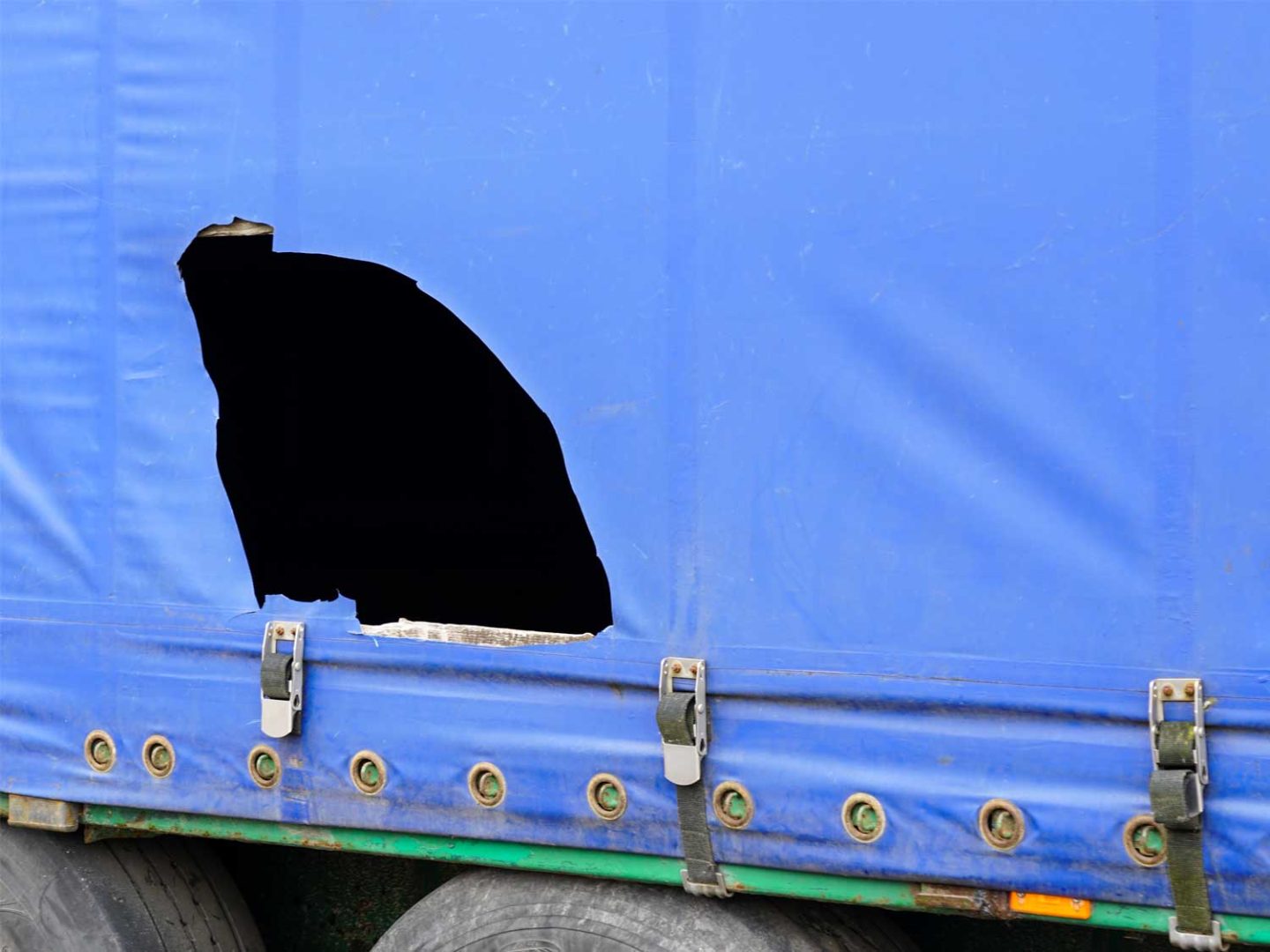
OCGs often target motorway service stations and truck stops on major routes and their methods include slashing curtains or using bolt cutters on trailer doors until they find valuable loads. Popular items targeted include alcohol, tobacco, electronics, and clothing, which are then sold online, in wholesalers, backstreet cash-and-carries, car boot sales, and markets.

While precise figures for lorry thefts in the UK are unavailable, NaVCIS reported over 5,000 incidents in 2023, equating to about 14 thefts per day and nearly £70 million in losses. Industry experts believe the real figure could be up to seven times higher. Even unsuccessful theft attempts are costly, with each curtain tear repair costing around £100, ultimately driving up consumer prices as these costs ripple through the supply chain.

The need for secure truck stops
NaVCIS, RHA, hauliers, and drivers all emphasise the need for more secure truck stops and upgrading existing sites’ security measures. Only ten sites have received the Park Mark Freight accreditation, launched by the British Parking Association (BPA) in 2022, which requires extensive security measures such as secure perimeters, CCTV, and on-site security staff.

Despite assessing nearly 50 sites, the BPA has only accredited ten truck stops, claiming these sites experience “zero to little crime”, while the low number of accredited sites is reflective of the generally poor standards of truck stops.

In March, the government announced a joint investment of £16.5 million to provide lorry drivers with more parking spaces, better welfare facilities, and safer rest areas. This investment aims to enhance security and reduce the risk of cargo theft.

Our approach to reducing cargo theft
To mitigate the risk of cargo theft during transit, we operate our own fleet of vehicles, deploy two or three-man crews, and use box trailers. Our drivers are trained to:

– Leave vehicles unattended as little as possible
– Choose well-lit, guarded parking areas
– Inspect vehicles and loads after each stop
– Report any deviations from the route or delivery address
– Avoid discussing the route, destination, or load
– Not pick up hitchhikers

We prioritise the safety of your cargo with secure parking areas and advanced trackers for high-value shipments. However, all types of cargo can be targeted by criminals, and standard carrier liability often falls short of covering actual losses.

Protect your investment with our comprehensive All Risk insurance. Metro partners with leading providers to offer All Risk marine insurance, ensuring your cargo is safeguarded throughout transportation and storage, available per-shipment or annually.

For more information on our marine insurance and how to protect your cargo, EMAIL Laurence Burford, CFO at our Birmingham HQ.

computer down 1440x1080 1

Global IT outage disrupts supply chains

On Friday, a faulty update to Microsoft software by cyber-security firm Crowdstrike, saw global supply chain operations significantly disrupted, with the fallout expected to take weeks to fully resolve.

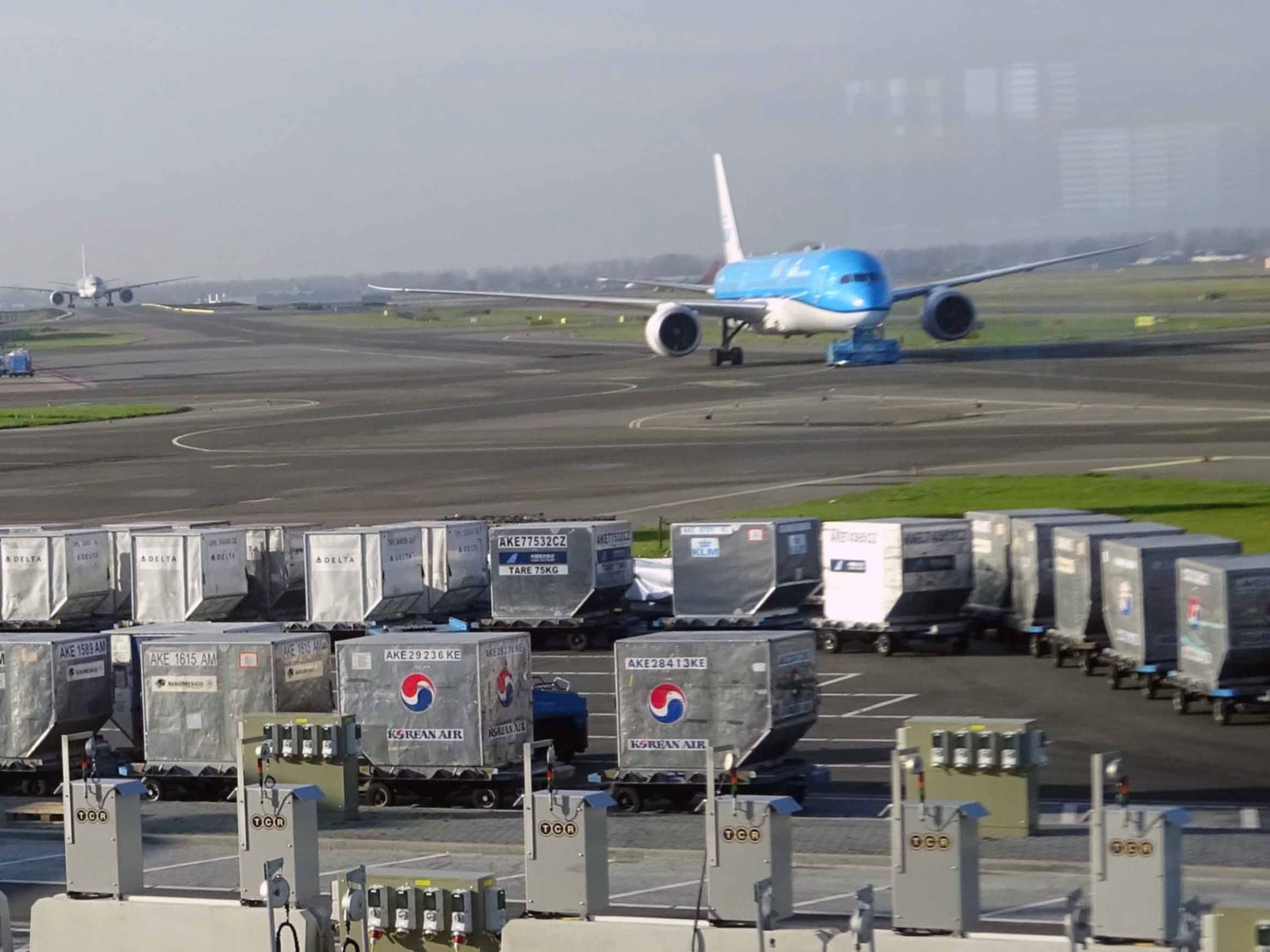
Thousands of flights were grounded or delayed at major air freight hubs in Europe, Asia, and North America, creating severe impacts on the complex air supply chains.

Experts warn that planes and cargo are not where they should be, leading to extended recovery times and depending on the scale of the IT failure and current market conditions, these disruptions could take much longer to resolve than the duration of the outage itself.

This situation is further exacerbated by limited airfreight capacity, with global demand increasing by 13% in June compared to 2023, with the surge in demand largely driven by traffic from China to Europe and the US, putting additional strain on already limited available capacity.

While sea port operations were less affected, initial disruptions were reported in several European container terminals, including Poland’s Baltic Hub, Felixstowe and Rotterdam. These ports have since recovered, but the main issues could lie inland with truck and rail services, potentially increasing congestion if containers cannot be moved in or out of the ports efficiently.

Some air cargo operations are gradually returning to normal, with ground handler Swissport and Lufthansa Cargo reporting only minor impacts. However, Schiphol Airport and US airlines such as Delta, United, and American Airlines faced significant disruptions, with hundreds of flights cancelled or delayed, including 700 cancellations by Delta on Monday.

While most airlines have resumed operations, residual delays are anticipated due to the sheer number of disrupted flights.

Supply chain experts are concerned about the long-term effects of the Crowdstrike outage on global deliveries. The Chartered Institute of Export & International Trade warned that the disruption could create further problems in planning and scheduling for importers, exporters, and consumers globally. Time-sensitive air freight is particularly affected, with one thousand flights cancelled worldwide, by mid-morning on Friday.

Although a fix has been deployed by Crowdstrike, the full resolution of the outage issue may take some time, as IT staff may need to access individual machines to remove the faulty update.

The fallout from the outage has once-again highlighted the vulnerability of global supply chains and as the industry works to recover, the importance of robust contingency plans and marine insurance cannot be overstated, ensuring protection against financial risks and maintaining supply chain resilience in the face of unforeseen challenges.

To learn how we can develop and support your supply chain resilience or for more information about our Marine Insurance products, please EMAIL our Chief Commercial Officer, Andy Smith.

container ship and naval escort

SECURITY UPDATE: Red Sea

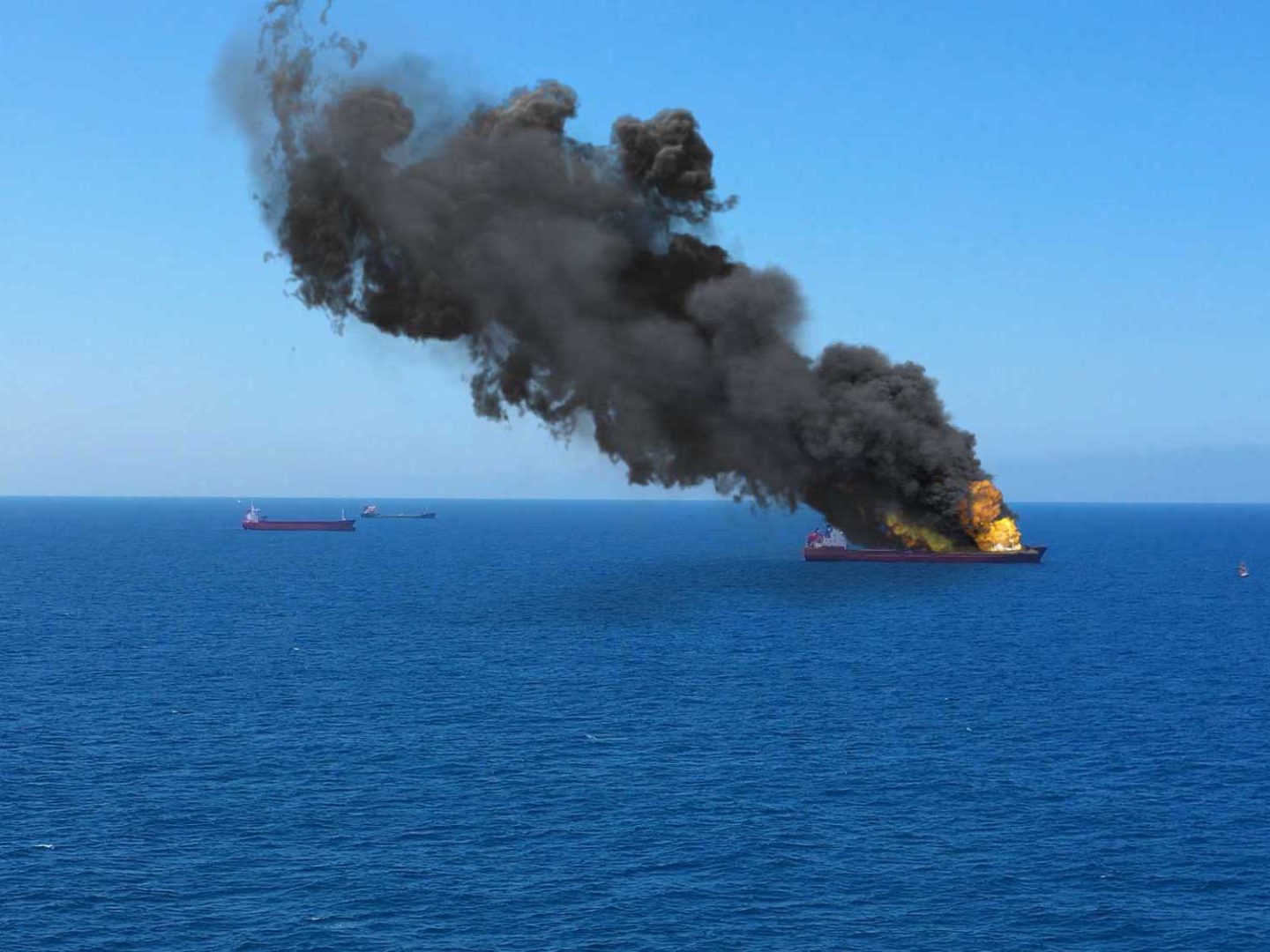
The recent sinking of the Prestige Falcon oil tanker, following a Houthi attack, marks the deadliest incident involving these strikes to date.

The vessel capsized near the Omani coastal city of Duqm, and while the Indian Navy rescued nine of the 16 crew members, one was found deceased, and six remain unaccounted for, feared to have gone down with the ship.

The Prestige Falcon, flagged under the Comoros, was targeted approximately 5 nautical miles southeast of Ras Madrakah, Oman, closer to the Persian Gulf than the typical Red Sea and Bab al-Mandeb strait attack zones. With at least 100 Houthi attacks on merchant ships so far, resulting in the deaths of four seafarers, this incident could significantly increase that toll.

These Red Sea attacks have contributed to elevated containership charter and freight rates. Industry experts predict continued Cape of Good Hope diversions until at least 2025, keeping rates high.

Recent escalations include Israel’s attack on the Hodeidah port in Yemen, following a Houthi drone strike on Tel Aviv. The method of the Houthi drone attack remains unclear, raising concerns about potential threats to shipping in the Eastern Mediterranean.

Speculation suggests the drone may have been launched with the aid of militants closer to Israel, highlighting the risk of supply chain disruptions if drones can be deployed from nearer locations or if groups like Hezbollah become involved.

The Houthi’s have already warned that they plan to expand their campaign of attacks on commercial shipping, to include vessels in the Mediterranean. While the Pentagon has stated that the US has seen no sign of the Iran-armed rebels attempting to do so yet, it has admitted to being worried about the possibility.

“The Houthis have an advanced array of weaponry and they have weapons that could reach the Mediterranean. It definitely is of concern that they have that capability.”

According to some projections, the current Houthi attack campaign will continue for at least the rest of this year, and many commercial vessels will keep avoiding the Gulf of Aden and southern Red Sea until 2025 or beyond. In fact, it could get much worse with some of the new developments this week between Israel and The Lebanon also. We will endeavour to keep you updated as frequently as news is issued and on the impact associated with your supply chain and logistics requirements.

Experts warn that until the Houthis are deprived of the weapons they are using to conduct these attacks at source, we should expect more attacks and damage to international trade.

If you have concerns or questions about the issues covered here, please EMAIL our Chief Commercial Officer, Andy Smith.

Gulf of Oman 1440x1080 1

Red Sea crisis expanding and growing

After the longest period of attack-free shipping in the Red Sea since December, the situation in the region is escalating, with an increase in Houthi attacks, fears that the ‘danger area’ may be expanding into the Arabian Sea and Indian Ocean and an Iranian vessel hijack off the Gulf of Oman.

At virtually the same time the US special envoy for Yemen indicated that the US might consider a path to revoking the terrorist designation on the Houthis if attacks on vessels are halted. The Yemeni group resumed attacks after an eight day pause and claimed to have attacked a number of warships and commercial vessels in the Arabian Sea and the Indian Ocean. 

The Houthi claims have not been corroborated and it remains uncertain if they have the capability to acquire targets that far out to sea. However, if they have been successful it may have implications for shipping, possibly forcing it to head further east and making access to the Gulf harder.

Iran hijack
In a further, unexpected development, the 15,000 teu MSC Aries was boarded and seized by Iranian Revolutionary Guard troops in international waters off the Gulf of Oman in the Straits of Hormuz on Saturday 13th April.

The Aries was managed by Zodiac Maritime, a firm controlled by the Israel-born shipping magnate Eyal Ofer, but the vessel is currently chartered to MSC and its current links to Zodiac is unclear. 

Iran’s action means the ‘maritime danger zone’ has expanded significantly and the ramifications of this illegal vessel seizure could be massive, potentially providing a catalyst for freight rates to rise in the short-term.

Insurance check
We would recommend double-checking your cargo insurance, to clarify what it covers, but also to ensure its validity should your cargo suddenly be in a war-zone, even if the planned route was not intended to transit a war-zone.

Anticipate increased risk premiums for insurance and freight to and from the Persian Gulf area, and also the Gulf of Oman, and not necessarily labelled as a risk premium but another acronym.

Scenarios
We do not anticipate a full closure of the Strait of Hormuz, it is more likely to resemble the southern Red Sea where some shipping lines will still operate and some will not. However, a partial closure could backfill, escalating port congestion problems at origins including Sri Lanka, Singapore, Port Klang and Indian ports.

Finally, it is clear that threats against shipping made by Iran, and their proxies have not been idle and it might be prudent to recollect the threat made by an Iranian Revolutionary Guards commander to target shipping in the Mediterranean. 

Groups in Algeria have received attack drones from Iran, which have the potential to impact shipping in the Eastern Mediterranean.

If you have any questions or concerns about the impact of the Red Sea crisis on your Asia supply chain, or would like to discuss its wider implications, please EMAIL our Chief Commercial Officer, Andy Smith.

For questions about airfreight, sea/air and our suite of time-sensitive solutions EMAIL Elliot Carlile, Operations Director, for insights, prices and advice.

For insurance related questions or concerns please EMAIL our Chief Financial Officer, Laurence Burford.