rail freight

Cross-Channel rail freight set to strengthen UK–Europe intermodal links

Plans to reintroduce regular cross-Channel rail freight services are moving forward, signalling a potential shift in how goods move between the UK and mainland Europe. 

As investment in infrastructure gathers pace, rail is re-emerging as a viable complement to established road and sea routes.

A government-backed agreement to redevelop the Barking Eurohub in east London is expected to play a central role in restoring regular rail freight services through the Channel Tunnel.

The site is being positioned as an international logistics hub, supporting intermodal trains that can move containers seamlessly between rail, road and sea. This would enable more direct connections between the UK and key European markets including France, Germany, Italy and Spain.

Currently, only a limited volume of rail freight passes through the Channel Tunnel, with most UK–EU cargo continuing to rely on short sea crossings and onward road transport. 

The planned expansion of intermodal rail services is intended to rebalance that model and provide greater flexibility for cross-border supply chains.

Rail offers an alternative to congested road and port networks

The renewed focus on rail comes at a time when road and port infrastructure across the UK and Europe is under increasing pressure.

Shifting a greater share of freight onto rail has the potential to reduce congestion on key corridors in the south-east of England, while also improving transit predictability for certain flows. For shippers, this introduces an additional routing option that sits between road and sea in terms of both speed and cost.

Rail freight volumes have already been growing steadily, with increases of around 5% year on year and further gains in intermodal traffic. Forecasts suggest continued growth over the coming decade, supported by both infrastructure investment and policy commitments to expand rail’s role in the supply chain.

Unlocking new options for UK–Europe trade

The return of regular cross-Channel rail services could create new opportunities for both imports and exports.

For UK businesses, this includes more direct access to European markets for a wide range of goods, as well as improved inbound flows of time-sensitive products such as food and consumer goods. Intermodal rail also offers a more structured and predictable alternative for moving containerised cargo across borders.

However, realising this potential will depend on how effectively rail services are integrated into wider logistics networks. Efficient onward connections, competitive pricing and reliable scheduling will all be critical to making rail a commercially viable option at scale.

Rail is unlikely to replace road or sea, but it can play a valuable role as part of a broader intermodal strategy, particularly for flows that benefit from a balance of speed, cost and sustainability.

This is where coordination becomes critical. Moving containers efficiently between ports, rail terminals and final delivery points requires a joined-up approach across multiple modes and geographies.

Metro has extensive experience in pan-European intermodal transport, combining road, sea and rail solutions, alongside regular UK rail services connecting primary ports with inland destinations.

If you are looking to explore how cross-Channel rail could support your European flows, or how to integrate rail into your wider transport strategy, EMAIL Andrew Smith, Managing Director at Metro, for a practical discussion tailored to your network.

CBP 1440x1080 1

US tariff refunds move closer as customs systems adapt to process large-scale repayments

The process of refunding tariffs to US importers is beginning to take shape following the Supreme Court’s decision to strike down duties imposed under emergency powers. 

US Customs and Border Protection (CBP) is developing a dedicated system within its Automated Commercial Environment to handle what is expected to be one of the largest refund exercises undertaken by the agency.

The process is being designed around four key stages: claim submission, automated validation and recalculation of duties, review and liquidation, and final refund payment. Importers will be required to submit detailed entry data, which the system will validate before calculating the amounts owed and issuing repayments electronically.

Although progress is being made, the scale of the task remains considerable. Tens of millions of entries are potentially affected, and the volume of data required means the process cannot be implemented immediately. Current timelines suggest the system will take several weeks to become fully operational, with further updates expected as development continues.

Data requirements will increase scrutiny on historical entries

The refund process will require importers to provide a comprehensive dataset covering entries where tariffs were paid. This includes classification details, country of origin, entry numbers, duty amounts and supporting documentation.

As a result, the process is likely to do more than simply return funds. By consolidating this level of information into a single submission, it effectively creates a detailed audit trail of past imports.

For businesses, this increases the importance of data accuracy and consistency. Any discrepancies in classification, valuation or origin could trigger further review, potentially extending timelines or leading to additional compliance checks.

Despite the scale of the opportunity, readiness across the importing community remains relatively low.

Only a small proportion of eligible importers have completed the necessary setup to receive refunds electronically. Until this process is finalised, any payments issued may be rejected, delaying recovery of funds.

At the same time, recent changes to US customs requirements mean that more detailed shipment information is already being requested earlier in the import process. Combined with the refund requirements, this is increasing the administrative burden on importers.

Submitting claims without fully validating the underlying data may expose businesses to additional scrutiny. Conversely, delaying preparation could result in slower access to funds once the system becomes fully operational.

This creates a balance between speed and compliance, where careful preparation is likely to be the most effective strategy.

Technology and expertise will play a critical role

Given the volume of entries and the level of detail required, technology is expected to play an increasingly important role in managing the process.

Automated systems can help organise entry data, validate submissions and identify inconsistencies before claims are filed. At the same time, experienced customs oversight remains essential to ensure that filings are accurate and aligned with regulatory requirements.

For many importers, this combination of technology and expertise will be key to navigating what is likely to be a complex and closely monitored process.

The tariff refund process presents a clear financial opportunity, but it also requires careful handling of data, compliance and submission timing.

Metro combines its US presence, local customs brokerage expertise and advanced systems, including its AI and machine-learning powered CuDoS platform, to support the CBP refund process - helping customers prepare accurate, compliant claims.

If you want to understand what you may be owed and how to approach the refund process with confidence, EMAIL Andrew Smith, Managing Director at Metro, to discuss how Metro’s US customs team can support your submission strategy.

Salalah

Drones strike Gulf hubs as air and sea freight networks tighten

Security incidents on 11 March have added further pressure to global freight networks already affected by disruption across the Middle East.

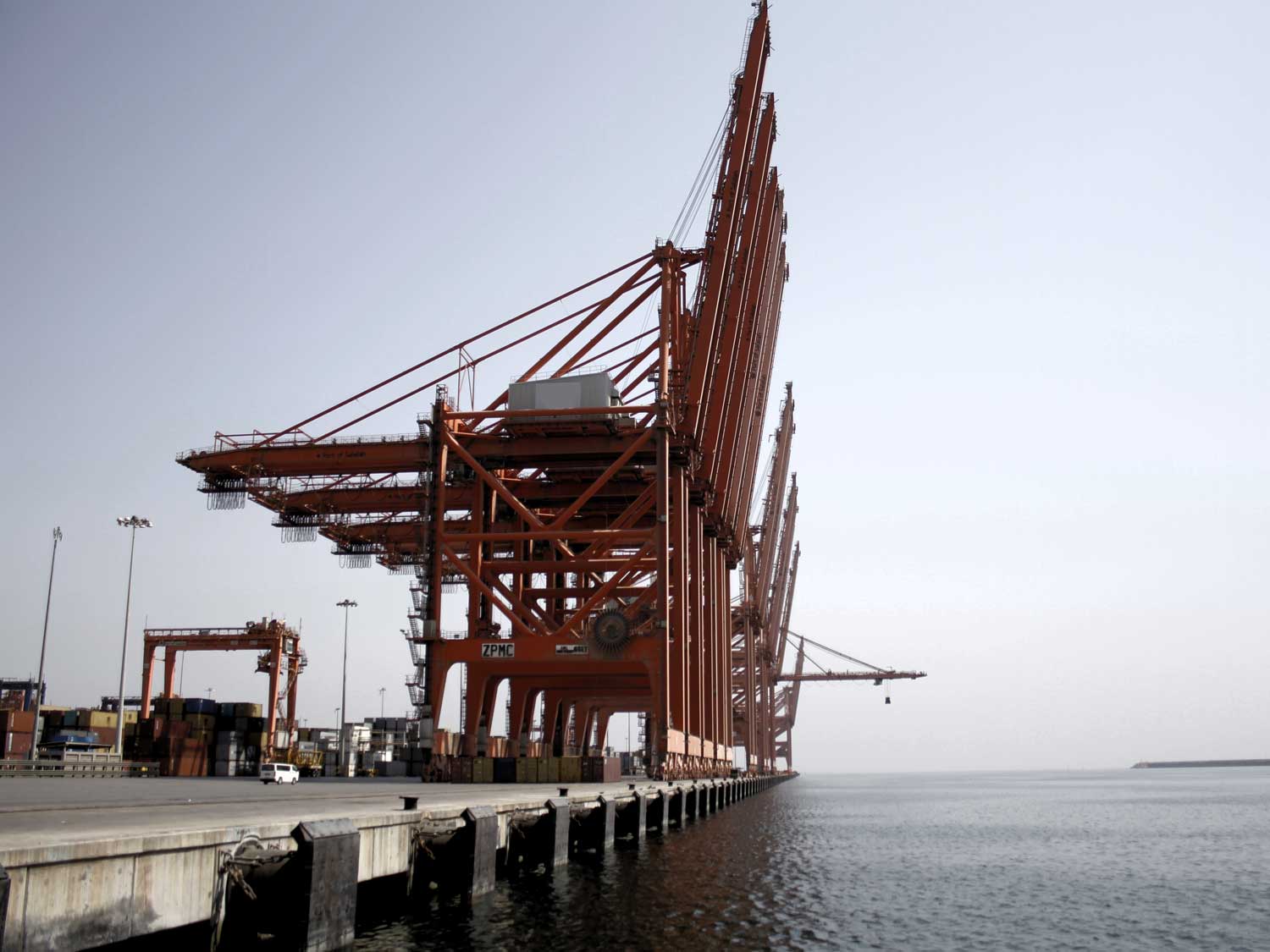
A drone strike at the Port of Salalah in Oman hit fuel storage tanks, forcing the suspension of port operations and bunkering activity at one of the region’s key container transhipment and fuel supply hubs. Salalah is a critical location for vessel refuelling and cargo transfers in the Arabian Sea, and any interruption to bunkering services can affect shipping schedules and vessel routing across multiple trade lanes.

Initial assessments indicate both port operations and bunker supply remain suspended while the extent of the damage is evaluated. The incident follows earlier security events near the port and additional reported attacks affecting nearby Duqm, increasing concern over the resilience of key logistics infrastructure in the region.

At the same time, Dubai International Airport temporarily halted operations after a drone strike nearby wounded four people on the morning of 11 March. Flights have since resumed, but the incident briefly disrupted one of the world’s busiest international aviation hubs and a critical gateway for global air cargo flows.

Port congestion risk rising

The operational disruption comes at a time when global container shipping networks remain highly sensitive to sudden shocks.

When vessels are diverted or delayed, shipping networks can rapidly move from normal operations to congestion. Cargo diverted from disrupted Gulf ports is already being redirected to other locations, with India’s west coast ports among the first to experience increased volumes.

Shipping networks remain vulnerable because delays compound quickly across vessel rotations.  In 2025, Red Sea re-routings took about 9% of capacity out of the system, while port congestion took out a further 10%. That’s capacity lost, not because the ships didn’t exist, but because delays made them non-functional.

The current situation’s risk comes in two parts. First, as carriers abandon Suez transits because of the new strikes, schedules shift unevenly back toward the Cape of Good Hope. And as carriers move at different cadences, it creates vessel bunching, port congestion and massive service instability.

Secondly, the blockade of the Strait of Hormuz has trapped vessels and forced carriers to suspend transits, creating a sudden loss of capacity that is rippling through the whole supply chain.

Air cargo capacity tightening across global routes

Air freight markets are also tightening as disruption across Middle Eastern aviation hubs affects global cargo connectivity.

Many international air cargo supply chains rely on Gulf carriers and airports as transit points between Asia, Europe and North America. When these hubs face operational disruption or flight cancellations, cargo must be rerouted through alternative airports and airlines.

The impact is already visible in export markets heavily dependent on these connections. In Bangladesh, where around 60% of air cargo typically moves through Middle Eastern hubs, hundreds of flights have been cancelled since late February.

As a result, air freight rates to Europe have more than tripled, while rates to the United States have almost doubled, reflecting the sudden shortage of available capacity.

What this means for shippers

The attacks on Salalah and the temporary disruption at Dubai International Airport highlight how quickly events in the region can affect global logistics infrastructure.

For shippers, the immediate risks include reduced air cargo capacity, potential vessel delays linked to bunkering disruption, and increased pressure on alternative ports and airports as cargo flows are redirected.

Metro is monitoring developments across Middle Eastern ports, airports and carrier networks and will continue to provide updates as the situation evolves.

If your shipments move through affected trade lanes, contact your Metro account manager to review routing options and ensure your supply chain remains resilient as conditions develop.

Blanking is biting

Blanked sailings surge as congestion and reliability continue to constrain capacity

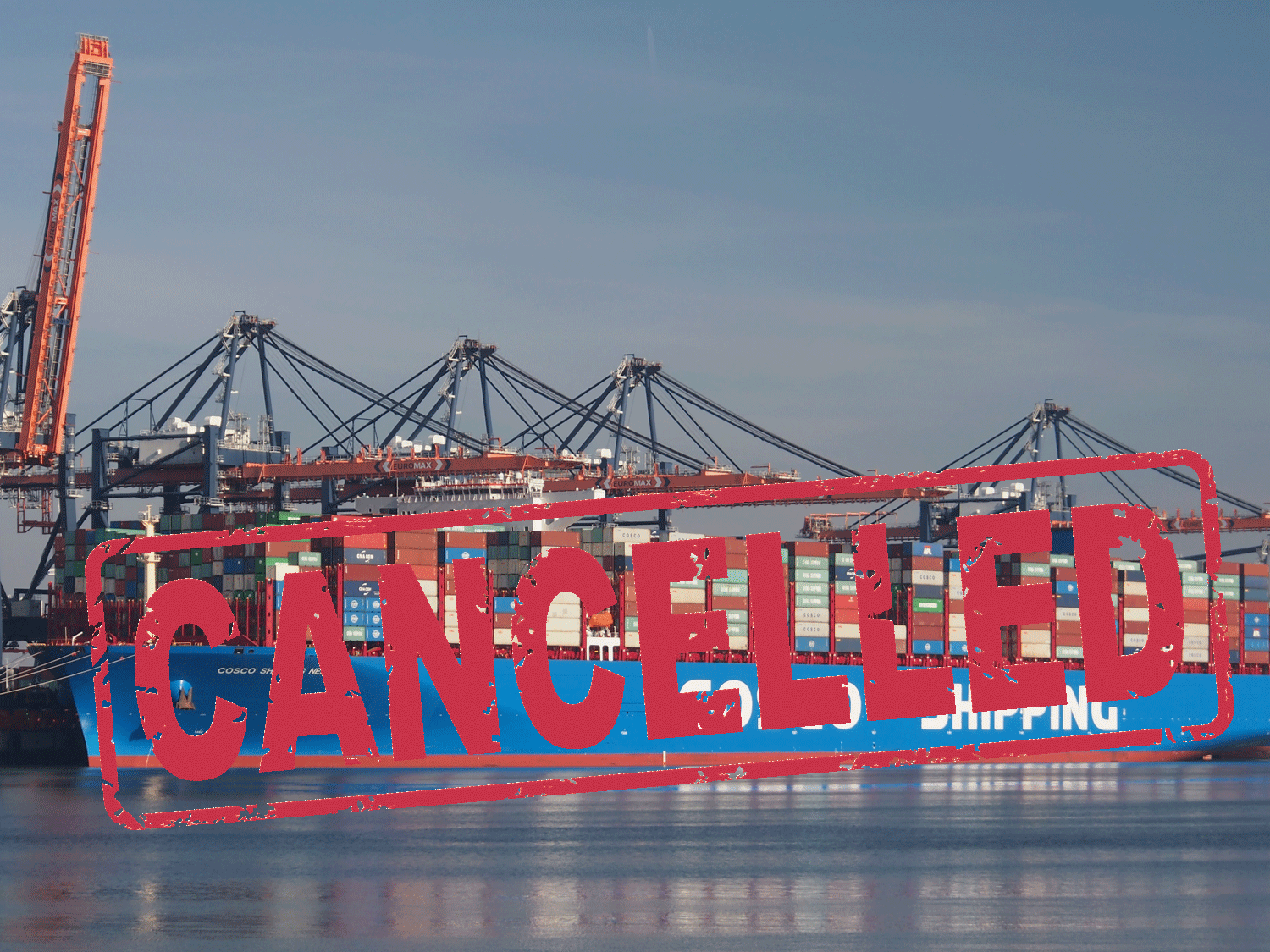
Container shipping capacity remains under pressure as carriers increase blanked sailings, schedule reliability weakens and port congestion ties up vessels across key gateways.

According to maritime researchers Drewry, 136 sailings were cancelled in February across the transpacific, Asia–Europe and transatlantic trades, a 122% increase compared with January. The surge coincides with the traditional Lunar New Year slowdown, as carriers anticipate a seasonal contraction in export volumes from Asia.

The majority of blanked sailings are concentrated on the transpacific eastbound route. While cancellations are expected to ease in March, with only 53 blank sailings currently announced, February’s reductions represent a material short-term withdrawal of capacity from the market.

Reliability slips back

Schedule reliability also deteriorated in December. Global on-time performance fell by 1.2 percentage points month-on-month to 62.8%, the second-lowest reading since May. 

Average vessel delay increased to 5.04 days, the second-highest level since April.

While reliability remains 9% higher year-on-year, performance across the major carrier groups remains uneven. Maersk recorded 76.7% schedule reliability in December, followed by Hapag-Lloyd at 75.2%. Eight of the top 13 carriers operated within the 50–60% range, while Wan Hai recorded 47.8%.

Alliance performance also diverged. In November and December, Gemini Cooperation achieved 92.3% reliability across all arrivals, compared with 73.5% for MSC and 58.8% for Ocean Alliance.

Lower reliability effectively reduces usable capacity. Late arrivals compress schedules, extend port stays and create knock-on disruption across subsequent rotations.

Northern Europe congestion continues

Port congestion continues to tie up vessels, particularly across Northern Europe. Winter weather has reduced terminal productivity in Antwerp, Hamburg and Rotterdam, with berth delays of three to five days reported. Le Havre is experiencing delays of up to eight days following temporary terminal closures.

Yard utilisation levels remain elevated across major European hubs, including UK ports. London Gateway and Southampton are reporting intermittent delays of one to two days, while Felixstowe has seen delays of up to five days.

Operational disruption is also reported in Poland, where snow and frozen equipment have affected both port and inland transport productivity.

Analysts estimate that congestion can effectively absorb around 6% of the global fleet at any given time, limiting available vessel supply.

Outlook remains challenging

Despite a global order-book equivalent to 34% of the existing fleet, the highest level since before the financial crisis, effective capacity remains sensitive to operational constraints.

Sea-Intelligence forecasts structural overcapacity could approach 10% by 2027, even when factoring in slow steaming, congestion, Red Sea diversions and scrapping of older tonnage.

In the near term, however, blanked sailings, reliability slippage and port congestion continue to determine how much capacity is actually available to shippers, regardless of headline fleet growth.

Metro’s sea freight team continuously model the potential impact of blank sailings, so we can secure space, optimise routings and build contingency plans around our customers’ specific flows.

By sharing your forecasts and critical SKUs early, we can ring-fence capacity, minimise disruption and shield you from service disruption and last-minute surcharges.

EMAIL Andrew Smith, Managing Director, today to arrange a strategic review and lock in the resilience you need for 2026 and beyond.