wing merro dusk

Supply chain; a year in review

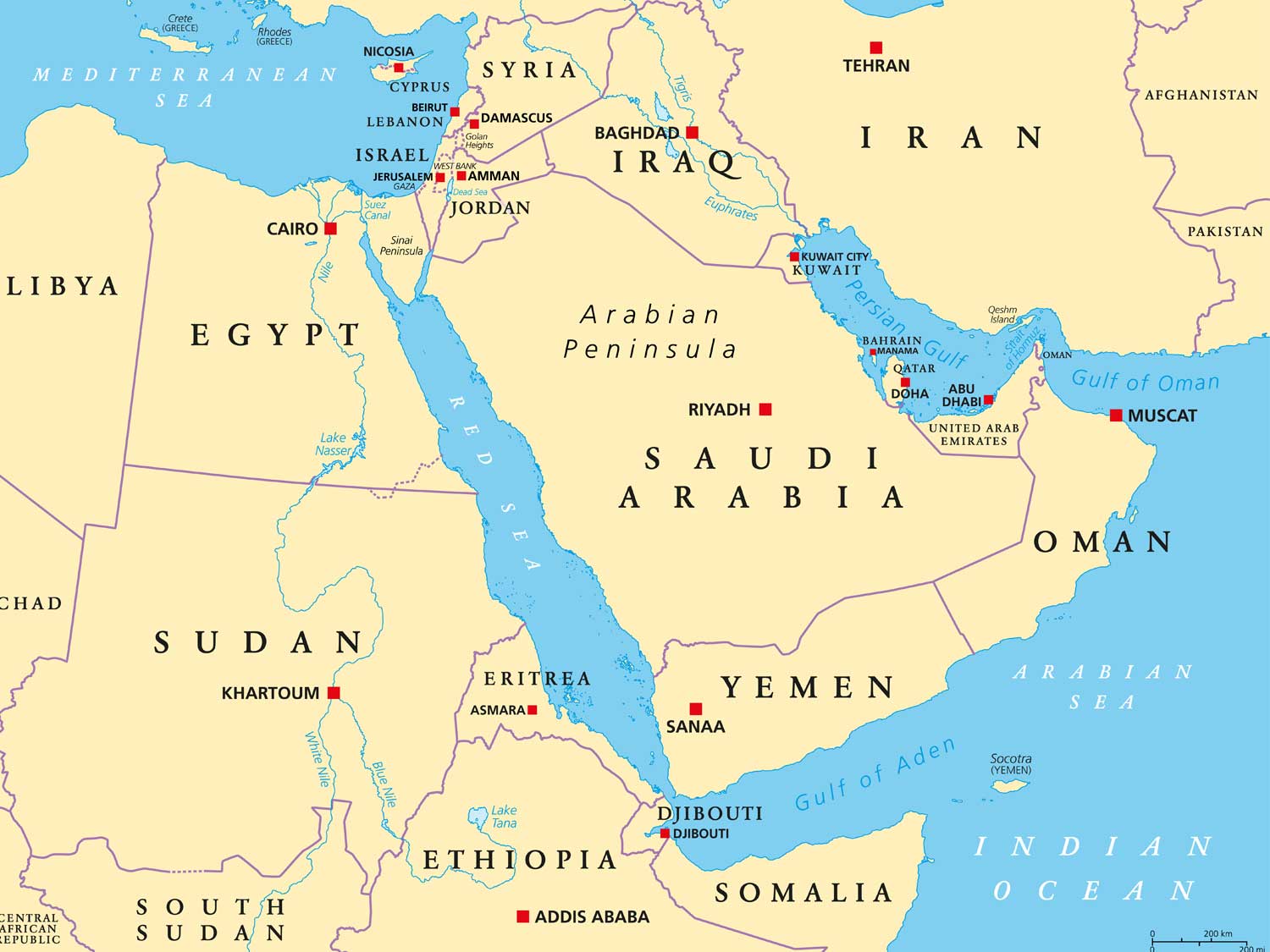
2023 was supposed to be the year that global supply chains bounced back from pandemic lockdowns and factory shutdowns, trade wars, tariffs and war in Europe, but now container shipping is disrupted by attacks in the Red Sea and restrictions on the Panama Canal.

The COVID pandemic and its aftermath, with supply-side fluctuations, shipping delays and port congestion created a logistics storm so brutal that many wondered if supply chains would ever recover.

The dramatic increase in consumer spending during the pandemic that left shippers scrambling for air, road and sea space, quickly fell away at the beginning of the year as consumers faced potential recession and a cost of living crisis.

That fall in demand provided the breathing space for carriers and ports to resolve their capacity and performance issues, clear backlogs and reposition equipment effectively, with markets reverting to pre-pandemic levels in terms of capacity and pricing.

The uncertainties surrounding tariffs, trade wars and geopolitical tensions remain, but there has been no significant move away from China, though we are seeing some diversification of sourcing, with Vietnam and Bangladesh - among other origins - increasingly popular.

While container shipping demand fell away the global shortage of RoRo capacity for finished vehicle shipments led to some car manufacturers to acquire their own vessel assets, while others looked to our containerised shipping solutions, for cheaper sea freight movement and certainty of service.

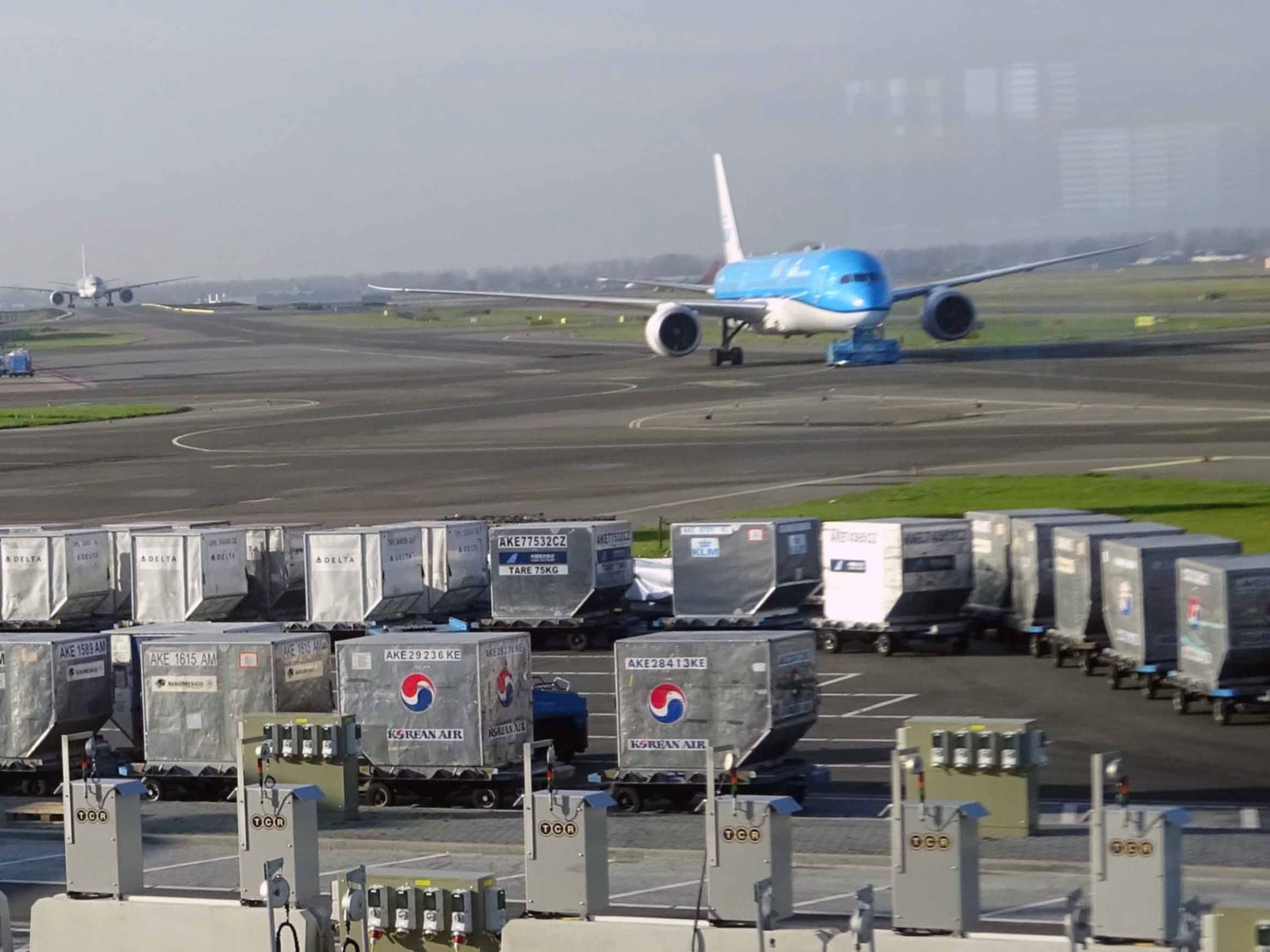
On the air freight front, having joined the Air France, KLM, Martinair Cargo Sustainable Aviation Fuel (SAF) programme in 2022, we were extremely pleased to support their second sustainable flight challenge in the summer, which was followed a few months later by the first transatlantic SAF-powered crossing, accelerating the transition to a more sustainable airline industry.

Metro’s road freight division has grown significantly in 2023, with more team members joining our UK Birmingham HQ and new support operations located close by manufacturing hubs in Desford and Wythenshawe.

Under new leadership the road freight team have increased European FTL/LTL capability, adding more lanes and expanded our groupage offering, alongside the increasingly popular European Distribution (EU/DDP) solutions. 

As the UK deferred post-Brexit food checks for the 5th time, to avoid adding to food inflation, the EU expanded its Emissions Trading System to the container shipping sector, in a move that will cost carriers, and by extension shippers, $Billions from the start of 2024.

In a move that took the market by surprise (but shouldn’t have) the European Commission announced that it would not renew the container shipping sector’s Consortia Block Exemption to operating alliances in 2024.

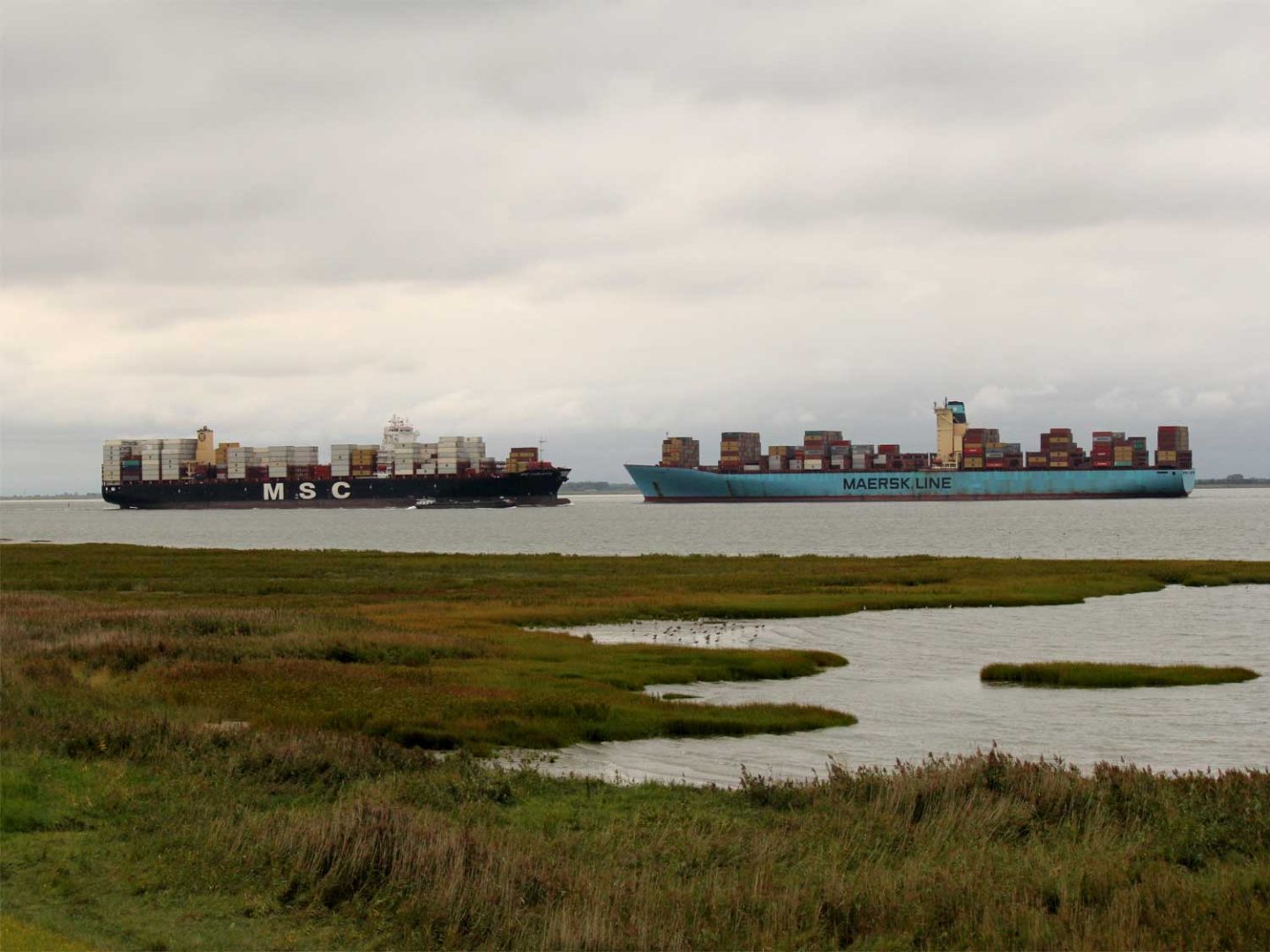
Despite the initial panic, it is likely that the EC’s decision will have little real impact, particularly as the Maersk and MSC 2M alliance was already ending, with the others likely to reorganise into new structures.

With 2024 just weeks away, scheduled Trans-Pacific and Asia to North Europe container shipping capacity was up 30% and 10%, raising fears of a massive blank sailing program to try and support rates, but now, with the Suez Canal transit suspended and Panama Canal disruption, we may see increased rates and delays, with air freight’s popularity rising.

We are hopeful that the US and coalition navies can restore maritime security quickly, because the prolonged re-routing of vessels away from the Suez Canal, via the Cape of Good Hope will increase transit times and costs, with a massive reduction in available capacity and a return to equipment imbalances.

Whatever challenges 2024 may bring, you can rest assured that we will keep you informed and protected, because we always have your back covered.

manufacturing

Manufacturing costs highest in 30 years

UK manufacturers continue to face a challenging operating environment, with stretched supply chains, disrupted production schedules and increasing component and raw material prices.

The manufacturing sector saw growth slow down last month, with surging material costs and staff shortages, according to the IHS Markit/CIPS Purchasing Managers Index (PMI), despite rates of expansion in output and new orders gaining some traction.

According to the latest PMI release, manufacturers continue to face a challenging operating environment, as the demands on supply chains disrupt production schedules and drive up input prices to the greatest extent in the survey's 30-year history.

The release showed all five of the PMI components had a positive influence, as production, new orders, employment and stocks of purchases rose and supplier lead times lengthened.

Output increased for the eighteenth month running in November, with improved new work intakes – especially from the domestic market – and efforts to build safety stocks supported increased output.

Exports dropped for the third month in a row, with reports of weaker demand from China, disruption to trade with the EU and the cancellation of some orders due to extended lead times. Which isn’t good reading for UK manufacturing.

Prior to news of the Omicron variant breaking, business optimism had risen to a three-month high, linked to Covid recovery, economic growth, new product launches, planned marketing campaigns, business expansions, diversification, innovation, and reduced supply chain stress.

Whilst some manufacturers are reassessing existing supply chains, finding new suppliers and more direct routes to source, most are challenged by global supply chains, components shortages and logistics availability.

The strain on supply chains also led to further substantial lengthening of lead times. This resulted in shortages of components and commodities, combined with input demand outstripping supply, led to a survey record increase in average purchase prices. 

Around three-quarters of manufacturers reported a rise, compared to less than 1% seeing a fall. Cost and market pressures also affected selling prices, which rose at a rate close to October's series-record.

About 74% of supply chain managers paid more for their goods in November, as prices charged also accelerated at a rapid pace, raising fears that the UK economy could over inflate if supply chain disruption doesn’t subside in the first quarter of 2022.

But with ocean carriers cherry-picking the largest-volume shippers and locking them into multi-year deals, with the largest increases recorded, consumers are likely to see more price increases filter through.

Capacity also remained stretched at UK manufacturers during November, with backlogs of work reaching a near record high. This supported further job creation in the sector, with employment rising for the eleventh month running and at the quickest pace since August.

Duncan Brock, group director at CIPS, said most manufacturers felt conditions would improve, despite rising inflation and the highest recorded fuel levels.

“With more success in finding skilled labour they are preparing for supply chain issues to even out and for price rises to subside,” he said.

However you assess the situation, the only conclusion can be it isn’t easy and it doesn’t look likely to get any easier for the foreseeable future. But Metro can assist in softening the impact.

The supply chains challenges we continue to overcome, from origin to destination, and the elevated freight rates experienced across all modes, will continue into next year, without much compromise expected.

We make it our key mission to recognise our customers situation, needs and expectations, so that we can manage outcomes, in line with their business objectives.

With a thorough knowledge of what is needed, we can identify the most effective service options, to design optimised logistics, transport and supply chain solutions, that represent the best available in the current market.

We encourage an engaged and collaborative partnership approach, with all of our customers. For further information and to discuss your ongoing requirements, please contact Elliot Carlile or Grant Liddell.

MM 5

THE industry trade show returns – Multimodal 2021

After a break of more than two years the UK freight industry’s only dedicated conference and exhibition - Multimodal - has returned to Birmingham’s NEC centre and, as it is just down the road, we’ve popped in for a look around.

While the various COVID lockdowns and restrictions played out, Mutimodal suffered repeated postponements, denying the industry its annual opportunity to meet and greet.

Exhibitors are a mix of carriers, hauliers, ports, 3PL’s, trade associations and suppliers into the sector.

New for 2021 is the British International Freight Association’s (BIFA) village, designed to provide a marketplace for BIFA members to showcase the products and services they offer.

As a BIFA freight service award winner Metro were entitled to a free stand within the village but, due to the exceptional supply chain challenges we are currently facing, our priority is supporting our customers. Which meant we could not release senior team members for the three days that Multimodal runs, and have had to forego the opportunity to exhibit.

While we couldn’t spare colleagues for three full days, we have taken the opportunity to pop in for a quick look around, take these pics and see one of our team participating in one of the popular seminars.

This year’s seminar programme has been developed by Logistics UK, to share insight and best practice and “explore how technology, innovation and people power are driving a new business landscape.”

Day 3 of Multimodal  will see BIFA take the lead role in a seminar programme, supported by Metro’s Colin Smith (Training & Career Development Manager) that focuses on attracting young talent to the sector; with an examination of apprenticeships that are available; the trade association’s recently launched schools engagement programme, as well as the work being done by BIFA's Young Forwarder Network.

Feedback on the seminar sessions is interesting, particularly the most popular ones, as they explore the way forward for businesses in the supply chain. 

The most consistent theme is that supply chain has never been in the public eye, like now and it is critical that we raise the profile of the sector and it’s role within the wider economy and in particular to use this opportunity, as Colin highlights, to attract the next generation into the industry.

The HGV crisis came up consistently, but so too did sustainability and the need to look at every supply chain element, because we need to protect the future.

And in protecting the future, there were calls to ensure that EU suppliers and operators are fully prepared and ready for the 1st January 2022, as businesses will not be able to delay making import declarations and if you use ports that operate the pre-lodgement model or the Goods Vehicle Movement System (GVMS), full import declarations will be required before the UK Border.

Ideal X

Containerisation turns 65 in its most challenging year

Sixty five years ago saw the beginning of containerisation, with the inaugural voyage of the first container ship, the Sea Land Ideal X on the 26th April 1956. Today, despite its best efforts, the container shipping industry is swamped by the continuing deluge of pandemic and lockdown related trade, with resulting delays, rising costs, ongoing disruption and challenges to supply chains.

The modern shipping container owes its origins to an American truck driver called Malcolm McLean who, in the years before the Second World War, wasted many hours waiting for his truck to be unloaded and the goods loaded on to ships. 

In the 1950's, he worked with engineer Keith Tantlinger to develop a shipping container,  that could be carried by trucks and trains and be loaded onto ships, as well as being secured for long sea voyages, with a locking mechanism on each of the four corners, allowing containers to be stacked on vessels, increasing the ability to load more goods on vessels.

Malcolm McLean introduced the first container vessel into service in 1956, when he used a converted oil tanker, the Ideal X, to ship 58 containers from Newark, New Jersey to Houston, Texas. 

It took nearly a decade from the sailing of Ideal X, for containerised ships to replace traditional breakbulk liner services on the major east-west trade routes and the impact of these changes greatly reduced the cost of international trade, while increasing its speed and effectiveness. 

Over time the use of containers has reshaped global trade, with ports becoming bigger, while their overall number have reduced. As more types of goods can be traded and shipped, speed and reliability of shipping has enabled ‘just-in-time’ production, which in turn allowed manufacturing firms to grow leaner and more responsive to markets as even distant suppliers could now provide components quickly and on schedule.

Today, container ships operate in all of the world’s shipping trade lanes, responsible for moving an estimated 45% of total global trade and with half of international air freight capacity removed due to the shutdown of passenger service due to the COVID-19 pandemic, container ships have become even more critical, as the workhorses of international trade.

Handling the surge in volumes, driven by the lockdown shift in spending by homebound consumers has brought unprecedented challenges and the most overwhelming impact is that containers aren’t being unloaded, reloaded, and returned to origin points fast enough, meaning that fewer (if any) containers are available, with chronic delays predicted to persist throughout 2021. 

As the shipping container celebrates its 65th birthday, the container shipping lines are in the strongest financial position for many years, with the three main alliances overcoming the chronic overcapacity that has constrained revenues for decades. 

The current new vessel order book of three million TEU capacity is equal to 12.8% of the world’s current fleet, but if the carriers’ capacity control discipline is permanent, an increased order book is not necessarily a sign that a new period of overcapacity is approaching. 

Global supply chains are under the most intense and sustained pressure of recent times, which is why we monitor and report on the most important developments, so that you can take effective action and make informed decisions, that avoid possible issues, before they become problems. 

Container shipping is facing pressure and equipment availability challenges globally, on all trades, which makes booking equipment particularly challenging and is why we request four weeks visibility and booking windows, to secure space on the vessel and get the right equipment positioned.

Please contact Elliot Carlile or Grant Liddell to learn how we can support your supply chains, even in the most challenging market conditions.

Header image: The Ideal X was originally constructed as a T2 tanker, similar to the Hat Creek shown here (August 1943) with Plan of the SS Ideal X under. SeaLand logo and McLean at railing, Port Newark, 1957. Content is available under CC-BY-SA | CC BY-SA 2.0 | CC BY-SA 4.0