Qatar A350 1440x1080 1

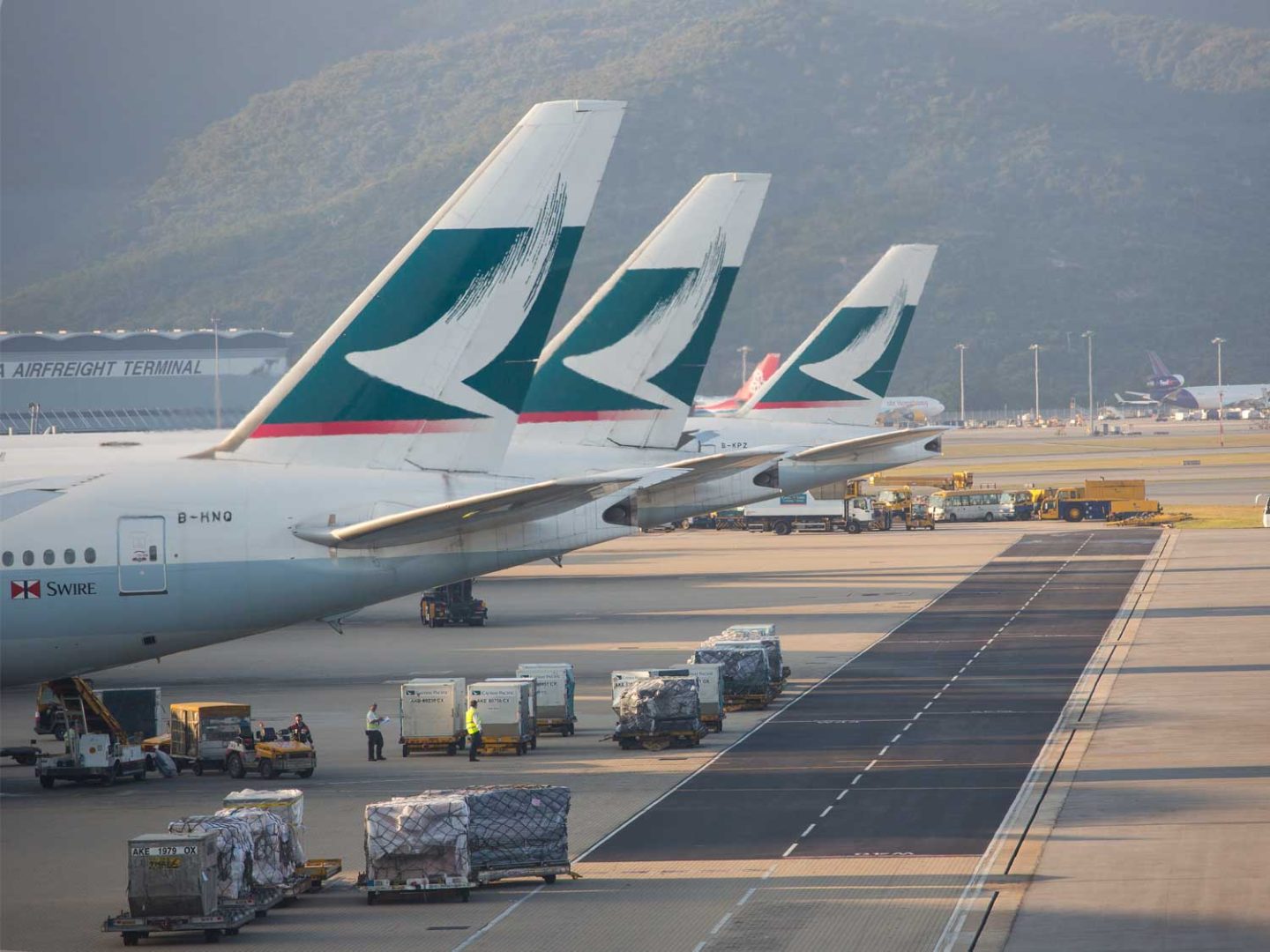
Air freight faces prolonged capacity constraints amid rising demand

The tightening capacity situation could continue for several years, with constrained availability of freighter aircraft and high demand driving up rates across key routes.

While air cargo demand has not yet surged during this year’s peak season, rates remain elevated due to the limited capacity available, particularly on export lanes from Asia to Europe and North America. Looking ahead, supply chain pressures are expected to persist as new aircraft production delays and sustainability regulations further restrict capacity growth.

Steady rate increases
Despite a quieter-than-anticipated peak season, air freight spot rates have seen steady increases on major trade routes in October. Spot rates out of Asia showed notable increases, with outbound rates from Hong Kong rising by more than 8% month-on-month and over 10% compared to last year. Shanghai showed an even stronger performance, with rates increasing by over 12% month-on-month and over 22% year-on-year. Other Asian markets, including India, Vietnam, and Thailand, have also seen sustained rate increases, reflecting strong export demand and constrained capacity.

While the peak season leading up to major holidays like Thanksgiving and Christmas has not delivered the significant rate spikes anticipated, the rise in prices signals a solid demand foundation.

Long-term capacity shortages expected to intensify
As the air cargo market looks beyond the current year, long-term capacity shortages are likely to become an enduring feature. Boeing’s production challenges and limited feedstock for aircraft conversions have constrained the introduction of new freighter capacity, while delays in new technology, such as Airbus’s A350 freighter and Boeing’s 777-8 freighter, further tighten the timeline for expanded availability. The first A350 freighter is now expected in late 2026, and production of the 777-8 freighter remains uncertain.

Additionally, the International Civil Aviation Organization’s (ICAO) 2028 emissions standards deadline is anticipated to impact freighter availability. These standards will limit the production of certain aircraft types, likely exacerbating the capacity shortage. As capacity remains restricted, competition for available space will drive rates higher.

The air freight sector faces an extended period of rate volatility and capacity restrictions that may last well into the decade.

Our block space agreements (BSA) and capacity purchase agreements (CPA) protect space and capacity on the busiest routes, so we can fly your cargo at the best rates.

Regardless of your cargo type, size and requirements, we have extremely competitive rate and service combinations, to meet every deadline and budget.

EMAIL Elliot Carlile, Operations Director, for insights and prices. 

Customs declaration

November 2024; Customs and compliance update

Our customs consultancy team provide insights on the latest changes, making it easier for you to stay on top of your planning and development needs.

To help us better support your compliance and efficiency goals, including duty/tax reclaims, we encourage you to click the button below to complete our short, five question survey. By responding, you’ll receive tailored insights and support to address any gaps or opportunities within your customs and trade processes.

Carbon Border Adjustment Mechanism (CBAM)
As attention focused on the recent UK government budget, many missed the announcement about the UK’s own carbon border adjustment mechanism (CBAM), coming into effect on 1st January 2027. This CBAM will place a carbon price on high-risk goods imported to the UK from sectors including aluminium, cement, fertiliser, hydrogen, iron, and steel. This measure aims to prevent “carbon leakage” by ensuring the UK’s decarbonisation efforts truly reduce global emissions rather than simply shifting them abroad.

Key points:
• Goods from the glass and ceramics sectors are excluded from CBAM requirements starting in 2027.
• Only businesses importing over £50,000 of CBAM goods annually will need to comply.
• Lessons from the EU’s recent CBAM rollout, which faced data challenges, may offer valuable insights as the UK implements its own system.

Safety & Security Great Britain (SSGB)
The SSGB requires an Entry Summary Declaration (ENS) for all goods imported to Great Britain from the EU, effective from 31st January 2025. Responsibility for filing lies with the carrier or haulier, but as the UK importer, you hold the key data.

Here’s what you need to know:
• For accompanied freight, the origin freight forwarder or haulier is responsible for the ENS submission.
• For unaccompanied freight, the ferry line is responsible.
• Some of the required data can be found on your import customs entry, but certain details may depend on direct or indirect liability, particularly if ENS filing is requested by another party.
• A GB EORI number is essential for those needing access to the system.
• HMRC requires accurate and updated departure details before sailings, although some linking issues with GVMS remain unresolved.

Final guidance is pending, but obtaining EORI information from your suppliers will support this new requirement.

Windsor Framework
The Windsor Framework, replacing the Northern Ireland Protocol, has seen its implementation date pushed from 30th September 2024 to 31st March 2025.

This framework introduces Red and Green lanes for goods traffic and replaces the TSS (Trader Support Service) with the UKIMS (UK Internal Market Scheme). It will simplify trade, particularly for agrifoods moving into Northern Ireland, with the Northern Ireland Retail Movement Scheme (NIRMS) reducing administrative burdens for certain goods.

import control system 2 (ICS2)
As ICS2 progresses for EU surface cargo, European hauliers have voiced concerns about the challenge of gathering essential data. Metro can assist exporters by preparing data in advance from the export entry, keeping hauliers on the move.

Key details:
• Much of the required information is found on the customs entry.
• Emphasis has shifted to 6-digit commodity codes, and the EU consignee’s EORI number is now required.

Simplifying the complex
While the list of complex abbreviations and requirements continues to grow, don’t worry because our team can break down the jargon and provide clear, actionable guidance to ensure smooth customs compliance.

Client survey: Insight into your compliance needs
Please take a few moments to complete our survey. Your responses will help us understand your needs and provide solutions that enhance your compliance and streamline your processes. Thank you for your feedback!

Metro are at the forefront of customs brokerage solutions, with our automated CuDoS declaration platform and dedicated team of customs experts, reacting swiftly to any changes in the UK and EU’s trading regimes.

To learn more about compliance, CBAM, SSGB, The Windsor Framework or ICS2 – OR to see how we can simplify and automate customs declarations – please EMAIL Andy Fitchett, Brokerage Manager.

Long Beach 1

North American Sea Freight Market Strained

The North American sea freight market faces ongoing challenges, with recent labour actions on the US East Coast fuelling local anxieties and adding congestion and capacity pressures on the West coast.

The three-day strike by the International Longshoremen’s Association (ILA) on the US East Coast in early October sent ripples across the industry, as importers scrambled to reroute shipments to West Coast ports. Record-breaking import volumes in Los Angeles and Long Beach in September have strained rail and terminal operations, pushing rail container dwell times over nine days, their highest in two years.

The impact of the ILA strike is compounded by recent actions in Canada, with Montreal dockworkers initiated a 24-hour strike last Sunday the 27th October, following earlier disruptions that have halted overtime work across the port. 

This seasonal surge in imports is expected to taper off in November, as most holiday merchandise arrives in the US by late October to be available for Black Friday and other peak shopping events. However, if contract negotiations between the ILA and East Coast employers, which are due to resume in November, remain unresolved into December, West Coast ports could capture a larger share of shipments, keeping demand elevated longer than usual on the Pacific Coast.

The main issue outstanding between the ILA and USMX is the use of terminal automation. The previous contract permitted semi-automation with union and terminal agreement on staffing but banned full automation. In this bargaining cycle, the ILA is pushing for a complete ban on all automation types.

Montreal’s container volumes have already dropped by nearly a quarter since 2022, with a growing shift of cargo to US East Coast ports—though the labour situation in the US may ultimately reverse this trend if Canadian ports gain relative stability.

Impact of the US presidential election on container shipping
Looking ahead, next week’s US presidential election introduces potential regulatory and economic uncertainties for the container shipping market. A second term for Donald Trump could bring a more protectionist stance, with proposed tariffs of up to 20% on all imports and as high as 60% on goods from China. Such policies would likely dampen US demand for imports, reshaping sourcing and supply chain strategies across Asia, where countries like Vietnam and India are already gaining market share as businesses diversify away from China.

By contrast, a potential administration under Kamala Harris is expected to support US industries through subsidies rather than aggressive tariffs, reducing the immediate risk of sharp import declines. However, increased government support for domestic production could still influence trade patterns, with downstream effects on global shipping demand. In either scenario, US trade policies will continue to play a significant role in shaping the container shipping market, particularly in trans-Pacific routes.

As North America’s sea freight market adapts to labour uncertainties and fluctuating trade policies, shippers face a complex landscape of demand pressures, capacity constraints, and fluctuating costs.

As always, we will guide you through the most import strategic adjustments, such as diversifying shipping routes and anticipating regulatory changes, to maintain supply chain stability and manage costs in the months ahead.

To discuss the current situation and how Metro can protect your North American supply chain, please EMAIL Andrew Smith, Chief Commercial Officer.

ship aerial 1440x1080 1

Sea Freight Outlook for 2025

The global sea freight market is set for another turbulent year in 2025, with rates likely to remain high despite anticipated softening in some lanes. Although new vessel deliveries are expected to bring additional capacity, a combination of geopolitical uncertainties and market reconfigurations is forecast to sustain above-average rates, continuing the challenges faced by shippers throughout 2024.

Several factors will influence rates in the coming year, including the ongoing conflict in the Red Sea and potential labour disruptions on the US East Coast. The three-day strike by the International Longshoremen’s Association (ILA) earlier in October has already raised concerns about future disruptions, with further strike action looming in January. Such incidents could trigger inflationary pressure on spot rates across various trade lanes, not just those directly affected. Shippers looking for stability in an uncertain market may find long-term rate agreements more favourable than navigating the spot market’s fluctuations.

Geopolitical tensions and trade disruptions
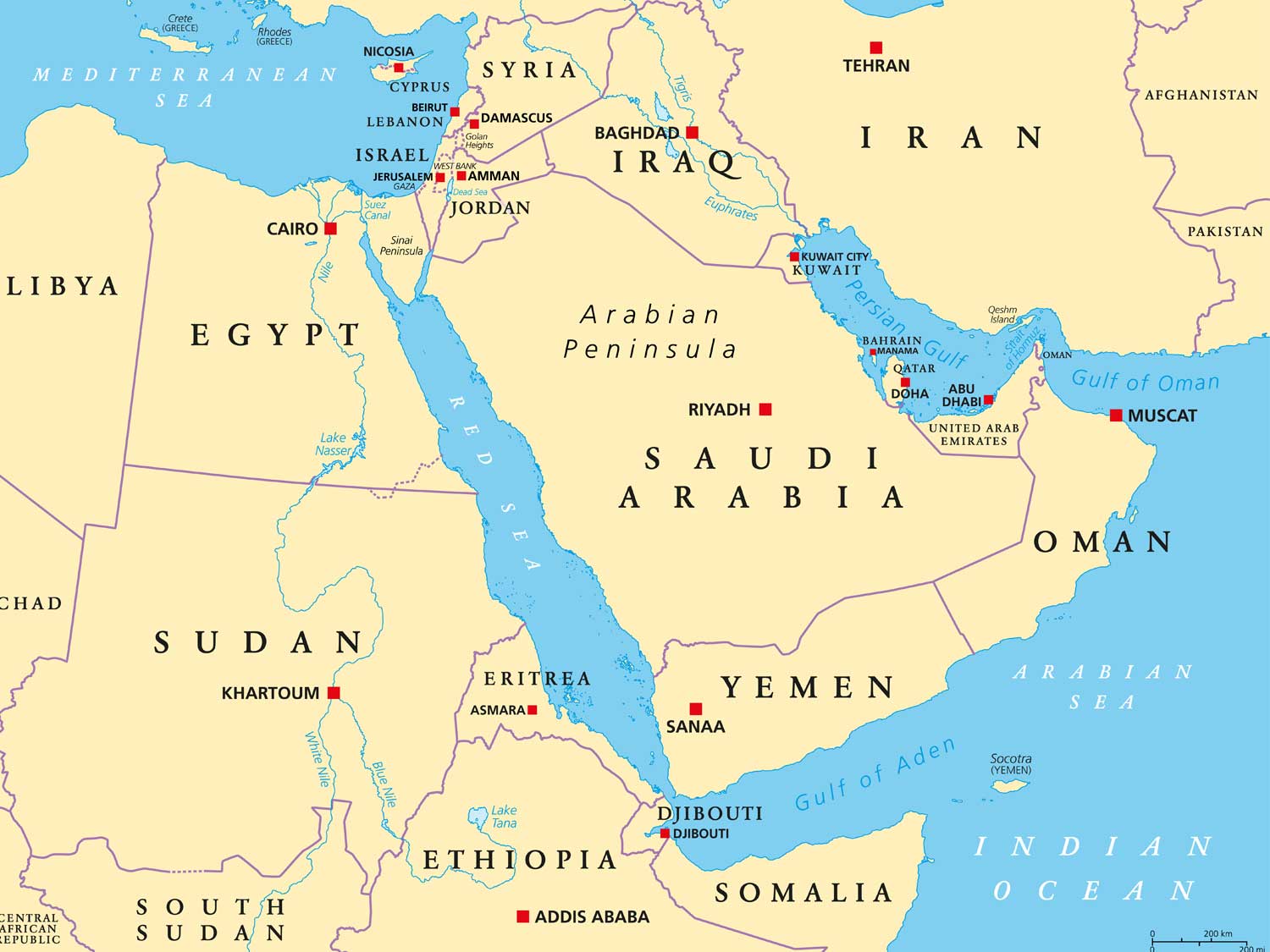
Drewry has flagged continuing geopolitical instability as a significant concern for 2025, warning that unresolved tensions in regions like the Red Sea and Persian Gulf could impact shipping operations well into the future. The Suez Canal, for example, is not expected to resume full-scale operations until at least 2026, keeping carriers reliant on alternate routes around the Cape of Good Hope. This prolonged disruption not only adds to transit times and costs but also restricts available shipping capacity, exerting further upward pressure on rates.

Compounding these risks are potential tariff changes, particularly from the US, where increased duties on Chinese goods may prompt shippers to expedite imports. This could spike rates temporarily, particularly for trans-Pacific routes, as companies seek to avoid potential costs associated with new tariffs. Additionally, ongoing demand for China-Mexico routes as an alternative entry point to the US may also lead to price increases, especially as the US presidential election may result in policy changes to trade and tariffs, adding to the overall uncertainty.

New alliances and Carrier Strategies
The reconfiguration of carrier alliances in early 2025 will further shape the sea freight landscape. As carriers adjust to new alliance structures, shippers are likely to see shifts in service reliability, transhipment frequency, and schedule integrity, especially on key routes from Asia. These adjustments are likely to create occasional disruptions in operations, as changes in routing, port calls, and service frequency impact transit times and predictability.

In anticipation of these market shifts, many shippers are already opting for stable, long-term pricing agreements over the volatility of the spot market. Fixing rates over a 12-month period is increasingly seen as a strategic move, as it provides greater budget predictability and insulation from potential rate spikes. While rates on certain lanes may soften as the new vessel capacity is deployed, Drewry expects them to stabilise well above pre-pandemic levels.

Metro’s Fixed-Rate options Can Provide Stability in Uncertain Times
As geopolitical risks and market disruptions continue to loom over the industry, maintaining resilient supply chains and budgeting effectively will be key priorities for shippers navigating the complexities of 2025’s sea freight landscape.

In a volatile sea freight market, securing fixed-rate agreements on popular shipping routes can help reduce risk and provide essential budgetary certainty. To explore how Metro’s fixed-rate options could support your business in 2025, please EMAIL chief commercial officer Andy Smith.