ship aerial 1440x1080 1

Uncertain Waters: Securing Ocean Freight Rates

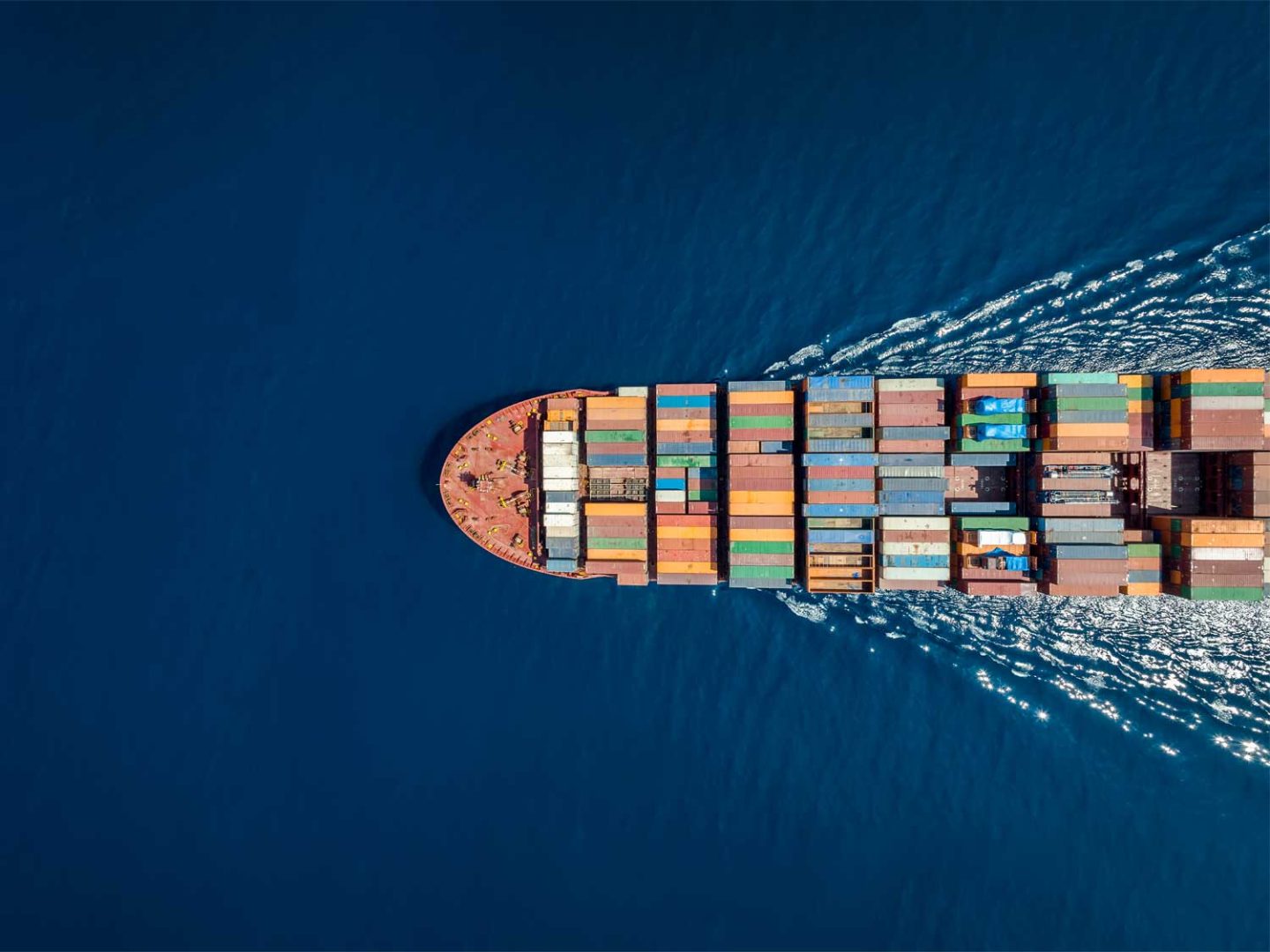
While there’s talk in the market about further pressure on rates, the reality is more complex, with container spot rate indices showing mixed signals last week, suggesting that any softening on key east-west routes might not last.

The global supply chain remains unpredictable, and several factors are still keeping the container market tight, which means any short-term dip in rates could quickly reverse, making it risky to assume that prices will continue to ease.

Carriers Act to Support Rates
Shipping lines are actively removing capacity from major east-west trades to reduce supply and put upward pressure on pricing. According to Drewry’s, 68 sailings across the Pacific, Asia-Europe, and Transatlantic trades have been blanked between this week and the end of April, while Sea-Intelligence data reports 47 blank sailings in the same period.

While methods of tracking blank sailings may vary, particularly as the major alliances transition between old and new service structures, the trend is clear; carriers are taking deliberate action to support General Rate Increases (GRIs) and stabilise the market in their favour.

Charter Market Dynamics Are Holding Rates Firm
While spot pricing may hint at a softer market, the time-charter sector continues to show strength. Many non-operating shipowners are keeping older, fully paid vessels in service, since they remain profitable even at lower margins.

This keeps theoretical capacity high but delays any significant correction in long-term charter rates, providing a buffer of rate stability for carriers. Basically the return is greater to ship owners to work the aging vessels in the current market than to scrap them. However once the charter rates diminish as freight rates are not at sustainable levels to support higher charter rates then scrapping vessels becomes more profitable and the supply of capacity will be eroded.

This willingness to keep tonnage in play – rather than scrap it – creates a layer of structural overcapacity. But crucially, it also delays any meaningful correction in longer-term charter costs, which in turn supports rate stability for shipping lines.

Shippers on the Asia-Europe trade lane should be particularly alert. With the traditional peak season approaching and transit times still extended due to Red Sea routing changes, demand could pick up sooner than expected, just as it did in 2024, when European importers advanced bookings to avoid delays.

Utilisation remains relatively high, and the market is only one or two strong booking weeks away from tightening significantly. Once that happens, space could quickly become constrained and prices may respond accordingly.

Congestion, Reliability and GRIs
At the same time, much of the market’s theoretical capacity isn’t actually accessible. Port congestion continues across Europe, including Antwerp, Hamburg, Rotterdam, and Le Havre, with yard occupancy levels of 75–90%, disrupting container flows and delaying vessel turnarounds.

Conditions are similar in Asia. Shanghai is experiencing delays due to fog and vessel bunching, while Singapore and Port Klang are seeing large backlogs and productivity slowdowns. Globally, schedule reliability remains under 55%, and with new carrier alliances still in rollout mode until July, disruption is likely to persist.

This operational friction reduces effective supply, keeping pressure on rates and creating risk for those waiting to move goods last-minute.

The container shipping lines have begun applying General Rate Increases (GRIs) and surcharges in recent weeks to stabilise rate levels in key corridors. While results may vary, these moves signal a clear intent to maintain pricing discipline, particularly as demand indicators begin to shift.

In an environment where schedule reliability is poor, congestion is high, and demand could rebound with little notice, waiting for rate relief may come with unintended consequences.

Certainty Beats Volatility
Shippers looking to avoid surprises would be well advised to fix rates where possible—because securing capacity and cost visibility offers valuable protection in a market that remains anything but predictable.

Freight markets can shift quickly, and when they do, the cost of waiting may outweigh any potential benefit. Fixing rates now delivers stability, security, and peace of mind in today’s volatile environment.

Our fixed-rate agreements act as a practical safeguard against market swings, offering predictable costs to support confident budgeting and planning.

Whether you’re managing high-volume trade lanes or simply seeking greater control over your supply chain, we’re here to help you stay ahead in 2025.

EMAIL our Managing Director, Andy Smith, to learn how we can support your business today.
Savannah Port

Shipping at Risk from $1.5M Port Charge

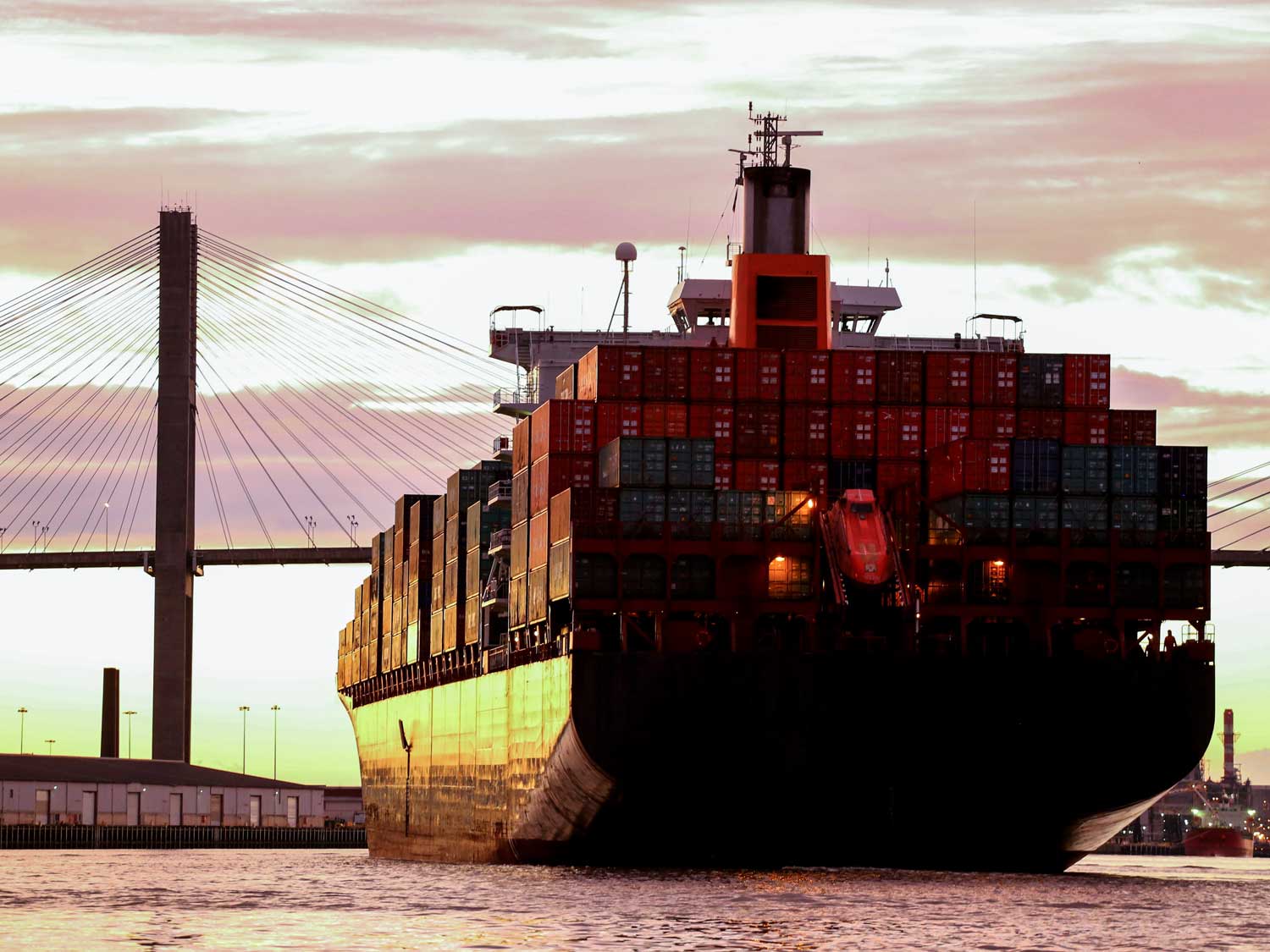
To combat China’s dominance in shipbuilding and revive the US maritime sector, a sweeping proposal from the Trump administration to penalise container ships built in China has sent shockwaves through the global shipping industry. The policy would levy up to $1.5 million per port call on Chinese-built or Chinese-operated vessels entering American ports. 

The scale and scope of these potential fees have alarmed the world’s largest container shipping lines, who warn that the move could disrupt global supply chains and dramatically increase costs for shippers and ultimately consumers.

China has become the undisputed powerhouse of global shipbuilding, accounting for over 80% of all newly built container vessels. The largest ocean carriers — including MSC, Maersk, CMA CGM, and Hapag-Lloyd — have heavily invested in Chinese shipyards due to their cost-efficiency, financing advantages, and output capacity. For instance, MSC, the world’s largest carrier, has 24% of its fleet built in China, with 92% of its order-book also tied to Chinese yards. Maersk and CMA CGM show similar reliance, with well over half of their future tonnage scheduled from China.

The proposed fees would apply not only to Chinese-owned carriers like COSCO, but also to foreign lines that have Chinese-built vessels in their fleets or on order. This has drawn strong opposition from the industry, with MSC CEO Soren Toft warning that the policy could add between $600 and $800 to the cost of moving a single container.

That cost, he stressed, would either have to be absorbed by carriers, prompting a withdrawal from US trades, or passed down the supply chain to cargo owners and consumers.

To avoid the financial hit, carriers may consolidate services, eliminating calls at smaller ports and serve only major hubs. This will inevitably create congestion at the terminals and strain inland transport, as containers pile up in fewer locations lacking the right mix of trucks, chassis, and rail capacity.

Reduced carrier capacity, port consolidation, and higher operational costs will all converge to drive prices up. As Andrew Abbott, CEO of ACL, put it bluntly, the plan “would cause a freight rate explosion that would dwarf the COVID-era increase.”

US Trade Representative (USTR) Hearings
The policy has mobilised intense opposition, with over 500 submissions made to the USTR, and dozens of executives testifying at public hearings in recent weeks. Alternative mechanisms such as phased implementation, tiered fees based on vessel type or service region, or per-container charges instead of flat port call levies have been proposed, with the USTR’s final proposals due later in April.

The Trump administration argues that these measures are necessary to rebuild US maritime capacity and ensure national security. But critics note that the US lacks the infrastructure, workforce, and financing mechanisms to quickly scale up shipbuilding, and that domestic vessels are not only four times more expensive to build but also cost double to operate. Even if construction began tomorrow, new ships would not be delivered for years and US exports and imports would suffer in the meantime.

If implemented in its current form, the port fee proposal would reshape global liner networks, drive up transportation costs, and jeopardise the competitive position of US exporters. It may also lead to structural realignments in trade patterns, with cargo diverted to Canadian and Mexican ports, and long-term erosion of US port and logistics competitiveness.

We’re working closely with clients as we monitor regulatory developments, ready to react and adapt container shipping strategies in real time. If your supply chain depends on US port access, now is the time to assess your exposure and prepare contingencies.

EMAIL our Managing Director, Andrew Smith, to learn how we can protect your network, manage cost risks, and keep you competitive — no matter how the tide turns.

European roadmap to recovery

ICS2 and ELO: Preparing for the Next Phase of EU Border Compliance

As of 1st April, the European Union’s Import Control System 2 (ICS2) entered its final implementation phase; a critical milestone for businesses moving goods into the EU. 

Designed to enhance the safety and security of EU-bound shipments, ICS2 is now live across all transport modes, including road and rail, in addition to air, maritime, and inland waterways.

Import Control System 2

ICS2 introduces a standardised, data-driven pre-arrival notification for goods entering the EU. The system mandates the submission of accurate and complete Entry Summary Declarations (ENS) before arrival at the EU’s external border. These declarations allow customs authorities to perform detailed risk assessments and target high-risk consignments before they enter the supply chain.

This not only improves customs enforcement but supports a more secure and streamlined trade environment.

This latest phase introduces two key updates:

  1. 1. Mandatory House Bill Filings for Surface Containerised Movements
    This update predominantly affects sea freight and applies to:

    • Goods moving to the EU
    • In-transit shipments through the EU
    • Freight Remaining on Board (FROB)
  1. 2. Live ICS2 Filing for Road and Rail Movements
    Both accompanied and unaccompanied trailers now fall under ICS2’s scope. Businesses must submit ENS data 1 to 2 hours before EU arrival, depending on the transport type. Timing is critical — incomplete or late submissions could lead to delays, detentions, or even denied entry.

The Enveloppe Logistique Obligatoire

As introduced during our most recent webinar, ELO is not to be confused with the 70s rock band, it represents a major evolution in French customs procedures.

ELO is an extension of France’s import/export pairing process. Under the new system, every crossing from GB into France will require a declaration barcode, which also supports onward movement into the remaining 27 EU countries. The goal is to digitise and streamline freight verification, with a single ELO envelope covering the full logistics trail.

Metro’s Briefing Webinar

On Friday, 28th March, Metro hosted its second industry webinar, focusing on the latest regulatory developments. The webinar audience were briefed by our experts on the latest regulatory developments, including ICS2 declarations, the introduction of ELO, updates and the Carbon Border Adjustment Mechanism (CBAM). 

They were also updated on changes to the UK Customs Declaration Service (CDS) for exports, evolving trade agreements such as the CPTPP, and implications of the Windsor Framework for Northern Ireland.

The session aimed to ensure attendees are not just compliant but well-positioned to optimise their supply chain strategies in this evolving regulatory landscape.

Stay connected with Metro for expert-led insights, upcoming webinars, and on-the-ground support to navigate new regulatory frameworks confidently. EMAIL Andy Fitchett to register your interest.

LAX 1440x1080 1

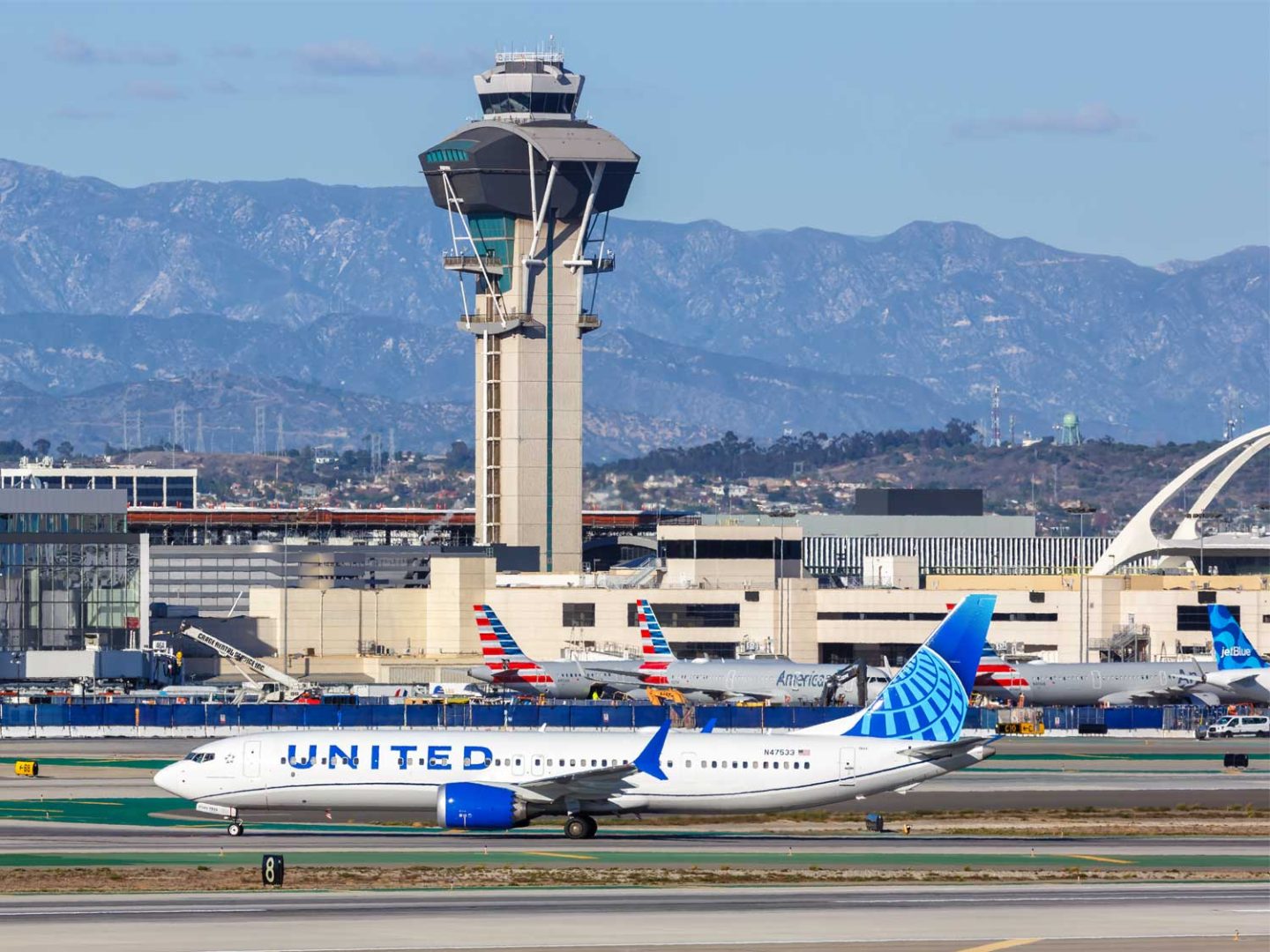
Air Freight Market Review

The global air freight market in February and early March reflected moderate year-on-year (YoY) growth, with total worldwide tonnages up 5% in February and 2% higher YoY in early March.

However, market dynamics remain volatile, influenced by shifting trade policies, geopolitical factors, and eCommerce trends.

Asia-Europe air cargo showed strong demand recovery in March, with tonnages rising 4% week-on-week (WoW) and while average spot rates softened they remain 20% higher YoY. Meanwhile, transatlantic routes saw weaker demand from Europe, with London Heathrow and Frankfurt spot rates declining amid softer outbound trade.

Market Situation
Global air cargo tonnages rose 5% YoY in February, supported by an 8% surge from Asia Pacific and a 4% rise in North America and Europe. However, Middle East & South Asia (MESA) volumes declined by 6%, reflecting last year’s Red Sea-driven demand spike.

By early March (Week 10), Asia-Europe trade saw significant WoW volume gains:

  • China to Europe tonnages increased by 5%
  • Hong Kong to Europe volumes grew by 6%
  • Japan & Taiwan to Europe rose by 7%
  • Thailand & Singapore to Europe surged by 9%

Despite these volume increases, average spot price indices on Asia-Europe lanes declined by 3%. However, YoY spot rates remain significantly higher (+20%), supported by China (+14%), Hong Kong (+22%), Japan (+19%), and Thailand (+38%).

Global air cargo markets remained relatively stable through February and early March, with weekly demand fluctuations balancing out across key regions.

  • Asia-Europe: Despite a 4% WoW tonnage rebound in Week 10, rates dipped as supply-demand balances shifted.
  • Transatlantic (Europe to USA): Weaker outbound demand put spot rates under pressure at London Heathrow and Frankfurt.
  • Middle East to Europe: Demand weakened with Dubai-to-Europe tonnages falling 15% WoW.

Global air freight rates remained 6% higher YoY, though Asia-Europe pricing showed a mixed trend, with falls on all the major trade lanes, though rates remain significantly higher than last year.

  • Asia-Europe remains 20% higher YoY.
  • China to Europe still stands 14% higher YoY.
  • Hong Kong to Europe are up 22% YoY.

The Asia-Europe air cargo market rebounded in early March, with tonnage gains but slightly softer rates as market conditions adjusted. Meanwhile, transatlantic routes saw demand weakness, leading to rate declines from major European hubs. Moving forward, trade policies, geopolitical shifts, and capacity adjustments will continue to influence global air cargo pricing and volumes.

In a volatile air cargo market, securing capacity and competitive rates is critical. Metro’s air freight, charter, and sea/air solutions ensure your shipments move efficiently, even on the busiest trade lanes. With block space agreements (BSA) and capacity purchase agreements (CPA) in place, we guarantee space and stable pricing when you need it most.

Whether you’re shipping urgent, high-value, or sensitive cargo, our global expertise and strategic carrier partnerships keep your supply chain running on time and within budget.

EMAIL Elliot Carlile, Operations Director, today to explore how Metro’s air freight solutions can optimise your logistics.