Salalah

Drones strike Gulf hubs as air and sea freight networks tighten

Security incidents on 11 March have added further pressure to global freight networks already affected by disruption across the Middle East.

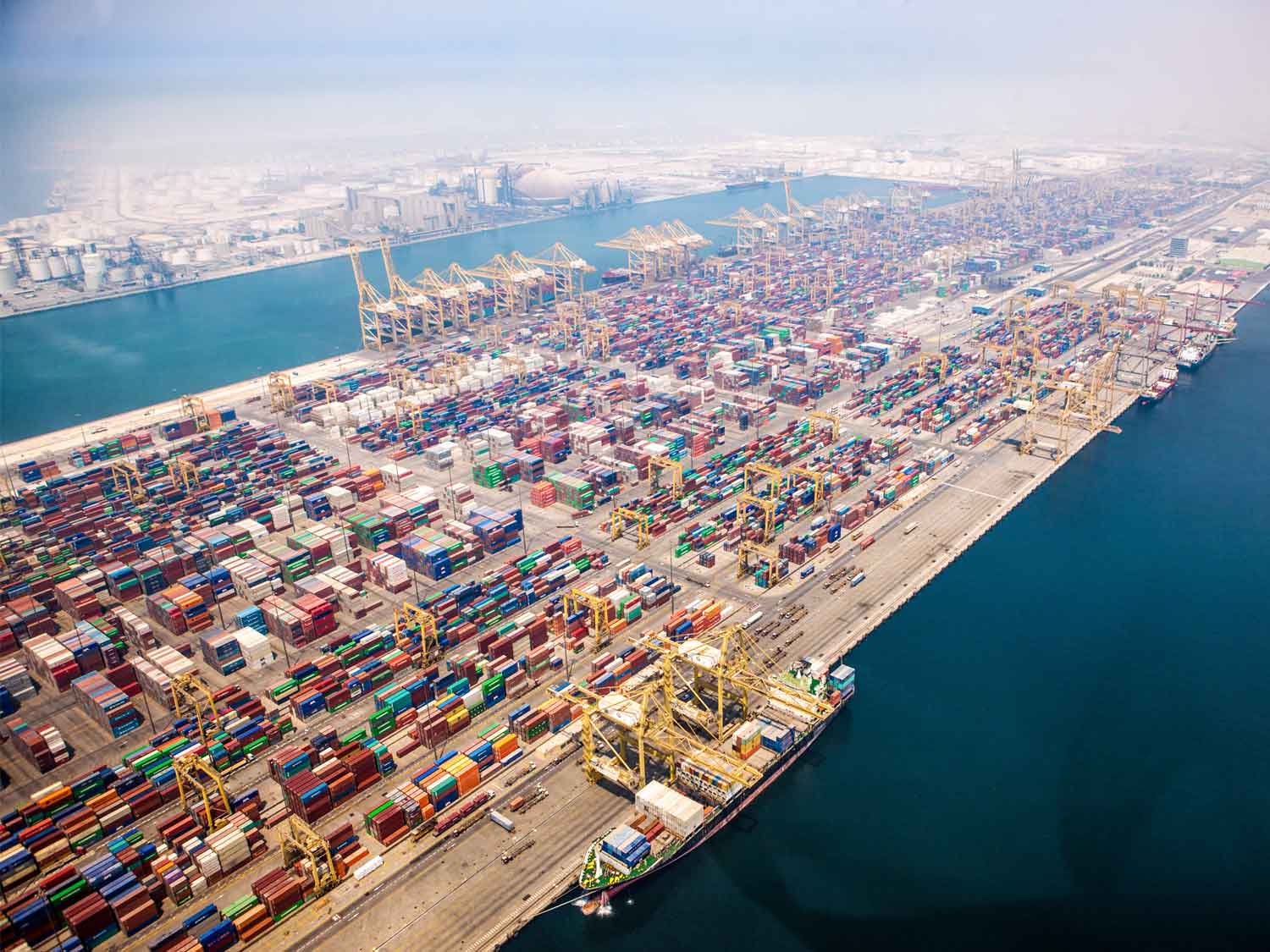
A drone strike at the Port of Salalah in Oman hit fuel storage tanks, forcing the suspension of port operations and bunkering activity at one of the region’s key container transhipment and fuel supply hubs. Salalah is a critical location for vessel refuelling and cargo transfers in the Arabian Sea, and any interruption to bunkering services can affect shipping schedules and vessel routing across multiple trade lanes.

Initial assessments indicate both port operations and bunker supply remain suspended while the extent of the damage is evaluated. The incident follows earlier security events near the port and additional reported attacks affecting nearby Duqm, increasing concern over the resilience of key logistics infrastructure in the region.

At the same time, Dubai International Airport temporarily halted operations after a drone strike nearby wounded four people on the morning of 11 March. Flights have since resumed, but the incident briefly disrupted one of the world’s busiest international aviation hubs and a critical gateway for global air cargo flows.

Port congestion risk rising

The operational disruption comes at a time when global container shipping networks remain highly sensitive to sudden shocks.

When vessels are diverted or delayed, shipping networks can rapidly move from normal operations to congestion. Cargo diverted from disrupted Gulf ports is already being redirected to other locations, with India’s west coast ports among the first to experience increased volumes.

Shipping networks remain vulnerable because delays compound quickly across vessel rotations.  In 2025, Red Sea re-routings took about 9% of capacity out of the system, while port congestion took out a further 10%. That’s capacity lost, not because the ships didn’t exist, but because delays made them non-functional.

The current situation’s risk comes in two parts. First, as carriers abandon Suez transits because of the new strikes, schedules shift unevenly back toward the Cape of Good Hope. And as carriers move at different cadences, it creates vessel bunching, port congestion and massive service instability.

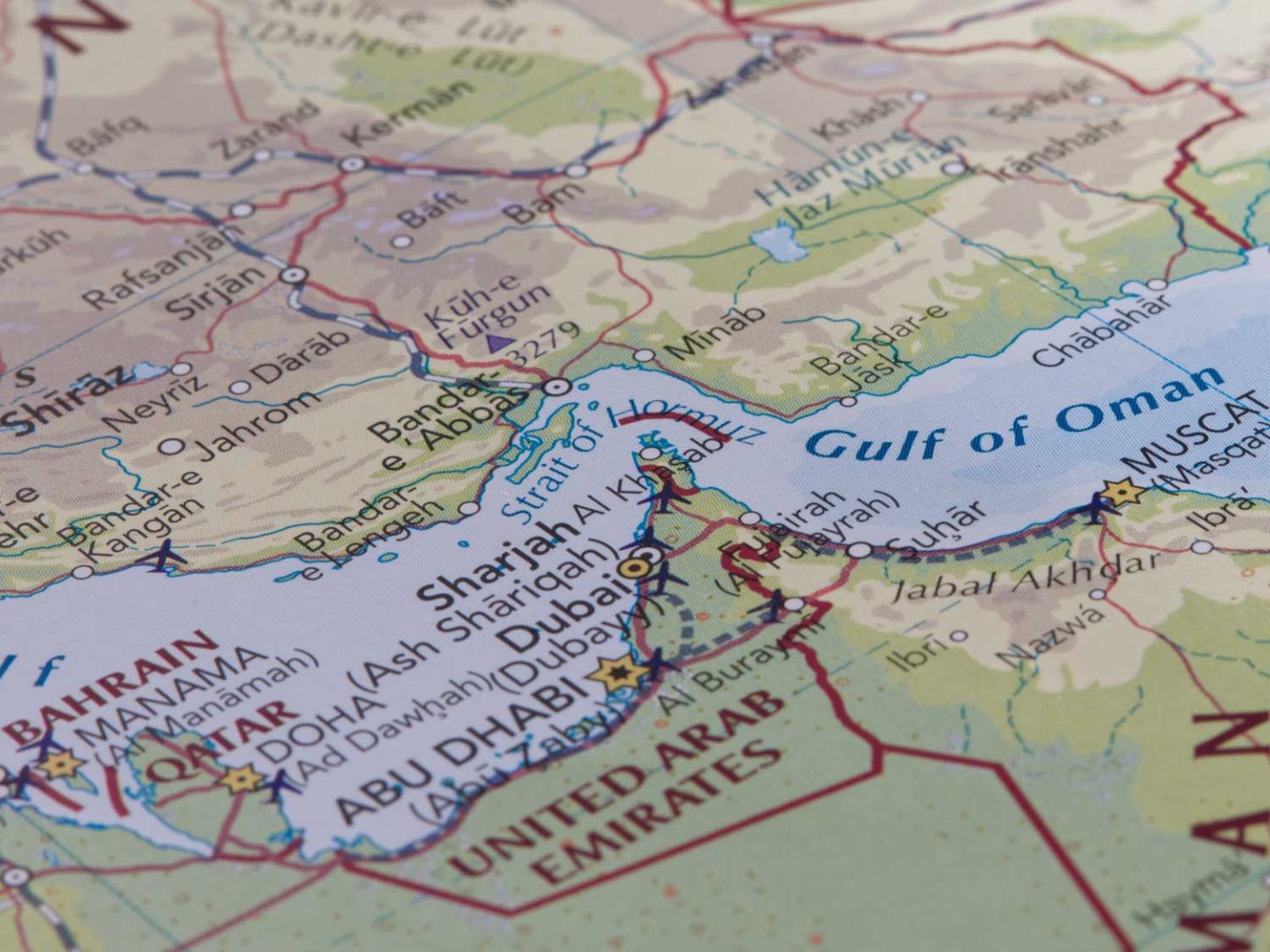
Secondly, the blockade of the Strait of Hormuz has trapped vessels and forced carriers to suspend transits, creating a sudden loss of capacity that is rippling through the whole supply chain.

Air cargo capacity tightening across global routes

Air freight markets are also tightening as disruption across Middle Eastern aviation hubs affects global cargo connectivity.

Many international air cargo supply chains rely on Gulf carriers and airports as transit points between Asia, Europe and North America. When these hubs face operational disruption or flight cancellations, cargo must be rerouted through alternative airports and airlines.

The impact is already visible in export markets heavily dependent on these connections. In Bangladesh, where around 60% of air cargo typically moves through Middle Eastern hubs, hundreds of flights have been cancelled since late February.

As a result, air freight rates to Europe have more than tripled, while rates to the United States have almost doubled, reflecting the sudden shortage of available capacity.

What this means for shippers

The attacks on Salalah and the temporary disruption at Dubai International Airport highlight how quickly events in the region can affect global logistics infrastructure.

For shippers, the immediate risks include reduced air cargo capacity, potential vessel delays linked to bunkering disruption, and increased pressure on alternative ports and airports as cargo flows are redirected.

Metro is monitoring developments across Middle Eastern ports, airports and carrier networks and will continue to provide updates as the situation evolves.

If your shipments move through affected trade lanes, contact your Metro account manager to review routing options and ensure your supply chain remains resilient as conditions develop.

screen concept

Turning disruption into decision advantage

The simultaneous disruption in the Persian Gulf and continued Red Sea avoidance is creating a supply chain shock without modern precedent. Metro’s latest application release is giving you unprecedented visibility.

With vessels held or diverting, Gulf-bound cargo potentially discharging at intermediate hubs, and 2%+ of the global fleet positioned in or near the Persian Gulf, pressure is rapidly shifting across global port networks.

Congestion is no longer isolated to one region. It is migrating.

Transhipment hubs such as Salalah, Khor Fakkan, Sohar, Duqm and Colombo are absorbing displaced volumes. Secondary effects are already emerging at Singapore, Port Klang and Tanjung Pelepas. As carriers reassess Gulf calls and reroute services, containers already on the water may face discharge changes, berth delays and inland knock-on disruption.

In this environment, traditional vessel tracking is not enough.

Shippers need early, reliable visibility into port performance — not just where the vessel is, but what will happen when it arrives.

Introducing port congestion visibility in Metro MVT

To support customers navigating this evolving situation, Metro has launched a new Port Congestion application within the Metro MVT Portal.

The solution provides real-time, data-driven insight into port conditions across key global gateways, enabling proactive planning rather than reactive firefighting.

Key Capabilities

Interactive dashboards deliver clear visibility of:

• Vessel Waiting Time
• Vessel Traffic at Port
• Vessel Days Wasted
• Vessel Dwell Time
• Country-level congestion trends
• Port-level congestion indicators

This allows customers to identify where congestion is building — often days or weeks before cargo arrival.

Why this matters now

With emergency war-risk surcharges applied, routing changes underway and air cargo capacity reduced, cost exposure is already rising. Port congestion adds a further layer of unpredictability.

Early visibility enables:

Smarter Routing Decisions

Assess risk exposure at potential discharge ports before cargo is affected.

Delivery & Warehouse Planning

Align inland haulage, labour and warehouse capacity with real arrival conditions — not estimated schedules.

Priority Management

Identify at-risk shipments early and protect critical cargo before delays escalate.

Cost Control

Reduce detention, demurrage and last-minute premium transport spend triggered by unexpected congestion.

From tracking to foresight

In today’s environment, supply chain resilience depends on anticipation.

Port congestion visibility transforms MVT from a tracking platform into a decision-support tool, combining global congestion intelligence with shipment-level visibility in one place.

As geopolitical volatility reshapes trade flows, having early insight into where disruption is building can materially change operational outcomes.

Accessing the capability

All MVT users with access to the Track & Trace application automatically have access to the new Port Congestion feature.

Your account director will be in touch to arrange a demo. For further information or a guided walkthrough, please EMAIL Ian Powell, Customer & Technical Solutions Director.

shopping

EU insights for ambitious UK retailers and brands

As global trade patterns shift and US tariffs reshape export economics, many UK fashion brands are re-evaluating where growth will come from next.

For an increasing number, the answer is closer to home. The European Union — a £250bn clothing market — is once again becoming a strategic priority for scalable, lower-risk international expansion.

At Metro, we are seeing a clear trend: brands that previously focused on the US are now actively re-establishing or expanding EU operations. The commercial logic is compelling, but success depends on understanding the operational realities.

Europe makes strategic sense again

Under the UK-EU Trade and Co-operation Agreement, most qualifying UK goods can enter the EU tariff-free, provided rules of origin are met.

Compared with elevated US baseline tariffs and longer transatlantic lead times, the EU offers:

  • Shorter transit times
  • Lower freight costs
  • Established e-commerce and wholesale networks
  • Cultural and style alignment
  • A large, affluent consumer base

However, while tariffs may be reduced, compliance complexity remains.

The EU opportunity is real — but it is not frictionless. Brands need to approach it strategically, with proper customs planning, VAT management and logistics alignment from day one.

Choosing your route to market

There is no single entry model. Most successful brands adopt a hybrid approach.

Marketplace Partnerships

Many UK retailers are leveraging major EU marketplaces to accelerate scale.

Benefits:

  • Immediate access to multiple markets
  • Localised checkout and VAT handling
  • Established logistics networks
  • Faster delivery and returns

However, marketplace integration is not a silver bullet. Service charges, data integration, and margin considerations must be assessed carefully.

Establishing an EU entity

Setting up a legal entity in an EU member state has become more streamlined post-Brexit.

While it requires tax and legal advice, having an EU-based operation can:

  • Simplify VAT registration
  • Improve customer experience
  • Reduce cross-border friction
  • Enable more seamless returns management

Many exporters continue to route EU goods via the Netherlands due to infrastructure strength and customs efficiency.

Wholesale & distribution

Wholesale partnerships remain a powerful growth lever.

Brands are:

  • Partnering with department stores and independents
  • Appointing local distributors in key territories
  • Entering market-by-market rather than pan-EU immediately

Europe is not homogenous. Germany is not Spain. Italy is not Poland.

Localised strategy is essential.

De-minimis changes & customs evolution

The EU is ending its €150 de minimis duty exemption.

In 2024 alone, 4.6 billion low-value consignments entered the EU under this regime. 

Regulatory tightening aims to improve compliance and level competition.

Key implications:

  • Additional handling fees likely
  • Greater customs scrutiny
  • VAT management changes
  • Phasing out of the Import One Stop Shop (IOSS)
  • Introduction of the EU Customs Data Hub (from 2028)

Regulatory tightening increases compliance cost in the short term, but it also creates opportunity. Brands that invest in structured customs processes now will gain competitive advantage as enforcement strengthens.

Ship from UK or hold EU stock?

Many retailers initially ship EU orders from their UK hub, often supported by limited EU warehousing.

As volumes grow, models evolve toward:

  • EU-based fulfilment centres
  • Regional distribution capability
  • Consolidated inventory hubs
  • Faster returns processing

Efficient third-party logistics support is critical, particularly for managing VAT, customs documentation, and reverse logistics.

Sustainability & regulatory compliance

The EU remains at the forefront of sustainability regulation.

Fashion exporters must prepare for:

  • Ecodesign for Sustainable Products Regulation (ESPR)
  • Digital product passports
  • Product Environmental Footprint (PEF) requirements

Sustainability compliance in the EU is no longer a branding choice, it is market access infrastructure.

Brands that build traceability into supply chains now will be better positioned globally as similar standards emerge elsewhere.

Long-term thinking wins

Recent tariff volatility has reinforced one lesson: international expansion requires a long-term horizon.

Successful EU strategies typically:

  • Combine DTC, wholesale and marketplace channels
  • Phase entry by priority markets
  • Invest in compliance early
  • Build local partnerships
  • Use logistics as a competitive advantage

Europe’s scale, proximity and consumer alignment make it a logical next growth chapter for UK fashion brands.

But operational detail determines commercial success.

Final thoughts

The EU is not a return to pre-Brexit simplicity, but it is a structured, opportunity-rich market for brands willing to approach it strategically.

Entering Europe successfully isn’t about finding demand — demand is there. Metro’s experts can help you design the right logistics, compliance and localisation model to serve it efficiently.

For UK retailers ready to expand, Europe is no longer a fallback market.

It is becoming the priority again.

To learn about our EU-wide logistics, compliance and localisation services, and how we can help you grow your business in the EU with confidence, please EMAIL our Managing Director Andrew Smith.

Blanking is biting

Blanked sailings surge as congestion and reliability continue to constrain capacity

Container shipping capacity remains under pressure as carriers increase blanked sailings, schedule reliability weakens and port congestion ties up vessels across key gateways.

According to maritime researchers Drewry, 136 sailings were cancelled in February across the transpacific, Asia–Europe and transatlantic trades, a 122% increase compared with January. The surge coincides with the traditional Lunar New Year slowdown, as carriers anticipate a seasonal contraction in export volumes from Asia.

The majority of blanked sailings are concentrated on the transpacific eastbound route. While cancellations are expected to ease in March, with only 53 blank sailings currently announced, February’s reductions represent a material short-term withdrawal of capacity from the market.

Reliability slips back

Schedule reliability also deteriorated in December. Global on-time performance fell by 1.2 percentage points month-on-month to 62.8%, the second-lowest reading since May. 

Average vessel delay increased to 5.04 days, the second-highest level since April.

While reliability remains 9% higher year-on-year, performance across the major carrier groups remains uneven. Maersk recorded 76.7% schedule reliability in December, followed by Hapag-Lloyd at 75.2%. Eight of the top 13 carriers operated within the 50–60% range, while Wan Hai recorded 47.8%.

Alliance performance also diverged. In November and December, Gemini Cooperation achieved 92.3% reliability across all arrivals, compared with 73.5% for MSC and 58.8% for Ocean Alliance.

Lower reliability effectively reduces usable capacity. Late arrivals compress schedules, extend port stays and create knock-on disruption across subsequent rotations.

Northern Europe congestion continues

Port congestion continues to tie up vessels, particularly across Northern Europe. Winter weather has reduced terminal productivity in Antwerp, Hamburg and Rotterdam, with berth delays of three to five days reported. Le Havre is experiencing delays of up to eight days following temporary terminal closures.

Yard utilisation levels remain elevated across major European hubs, including UK ports. London Gateway and Southampton are reporting intermittent delays of one to two days, while Felixstowe has seen delays of up to five days.

Operational disruption is also reported in Poland, where snow and frozen equipment have affected both port and inland transport productivity.

Analysts estimate that congestion can effectively absorb around 6% of the global fleet at any given time, limiting available vessel supply.

Outlook remains challenging

Despite a global order-book equivalent to 34% of the existing fleet, the highest level since before the financial crisis, effective capacity remains sensitive to operational constraints.

Sea-Intelligence forecasts structural overcapacity could approach 10% by 2027, even when factoring in slow steaming, congestion, Red Sea diversions and scrapping of older tonnage.

In the near term, however, blanked sailings, reliability slippage and port congestion continue to determine how much capacity is actually available to shippers, regardless of headline fleet growth.

Metro’s sea freight team continuously model the potential impact of blank sailings, so we can secure space, optimise routings and build contingency plans around our customers’ specific flows.

By sharing your forecasts and critical SKUs early, we can ring-fence capacity, minimise disruption and shield you from service disruption and last-minute surcharges.

EMAIL Andrew Smith, Managing Director, today to arrange a strategic review and lock in the resilience you need for 2026 and beyond.