Freighter

Air Cargo Outlook Strengthens

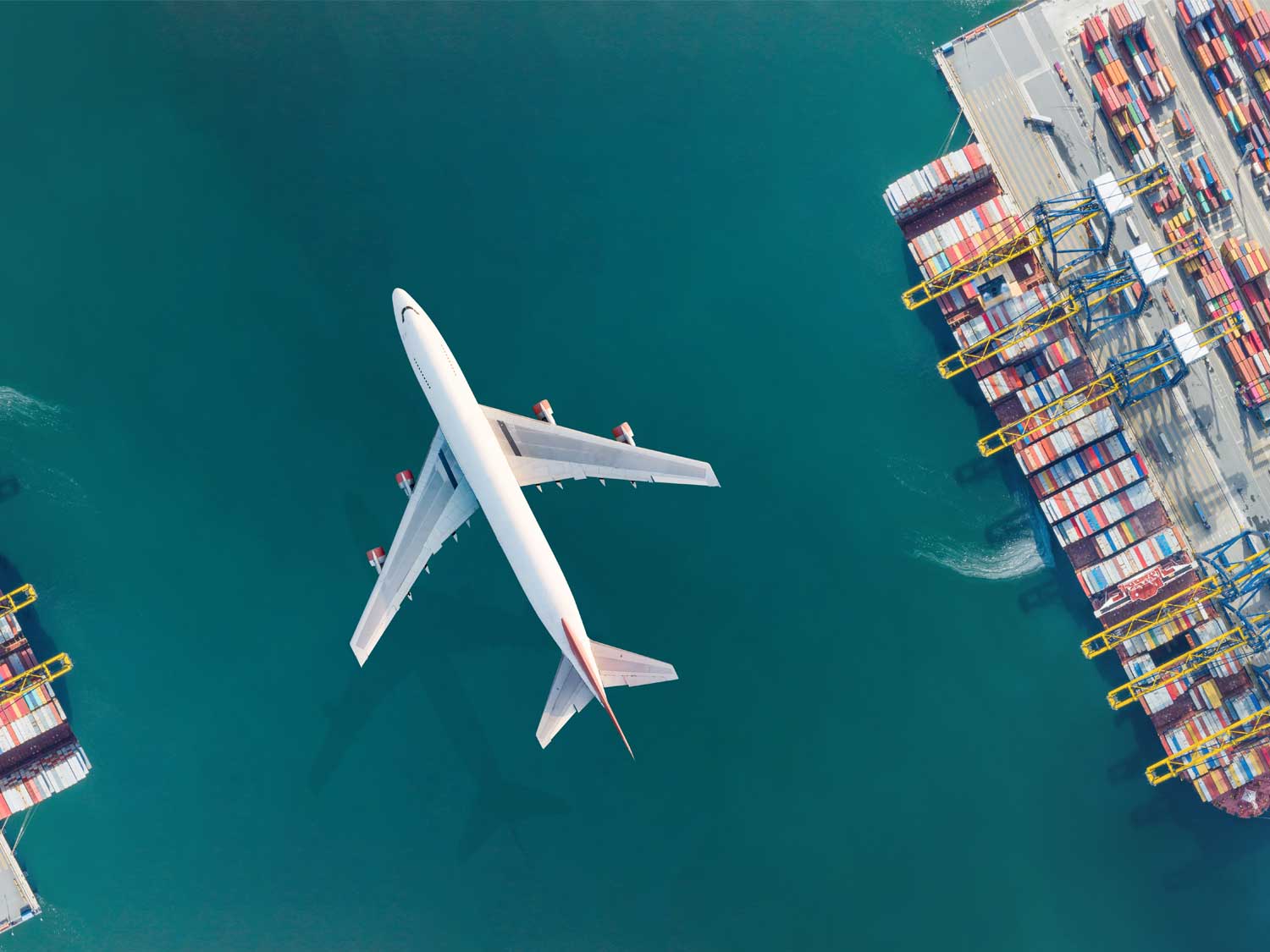
Global air cargo demand continues to show signs of recovery, driven by seasonal trends, front-loaded shipments and shifting trade flows. However, market conditions remain volatile, with varying regional dynamics, capacity fluctuations and ongoing uncertainty.

Air cargo demand, measured in cargo tonne-kilometres (CTKs), rose nearly 6% year-on-year in April, supported by the seasonal uplift in fashion and consumer goods, pre-emptive shipping ahead of US tariff changes, and falling jet fuel prices. Month-on-month, demand rose 2.3%, building on a strong March performance and growing again in May.

Freighter capacity returns to the trans-Pacific
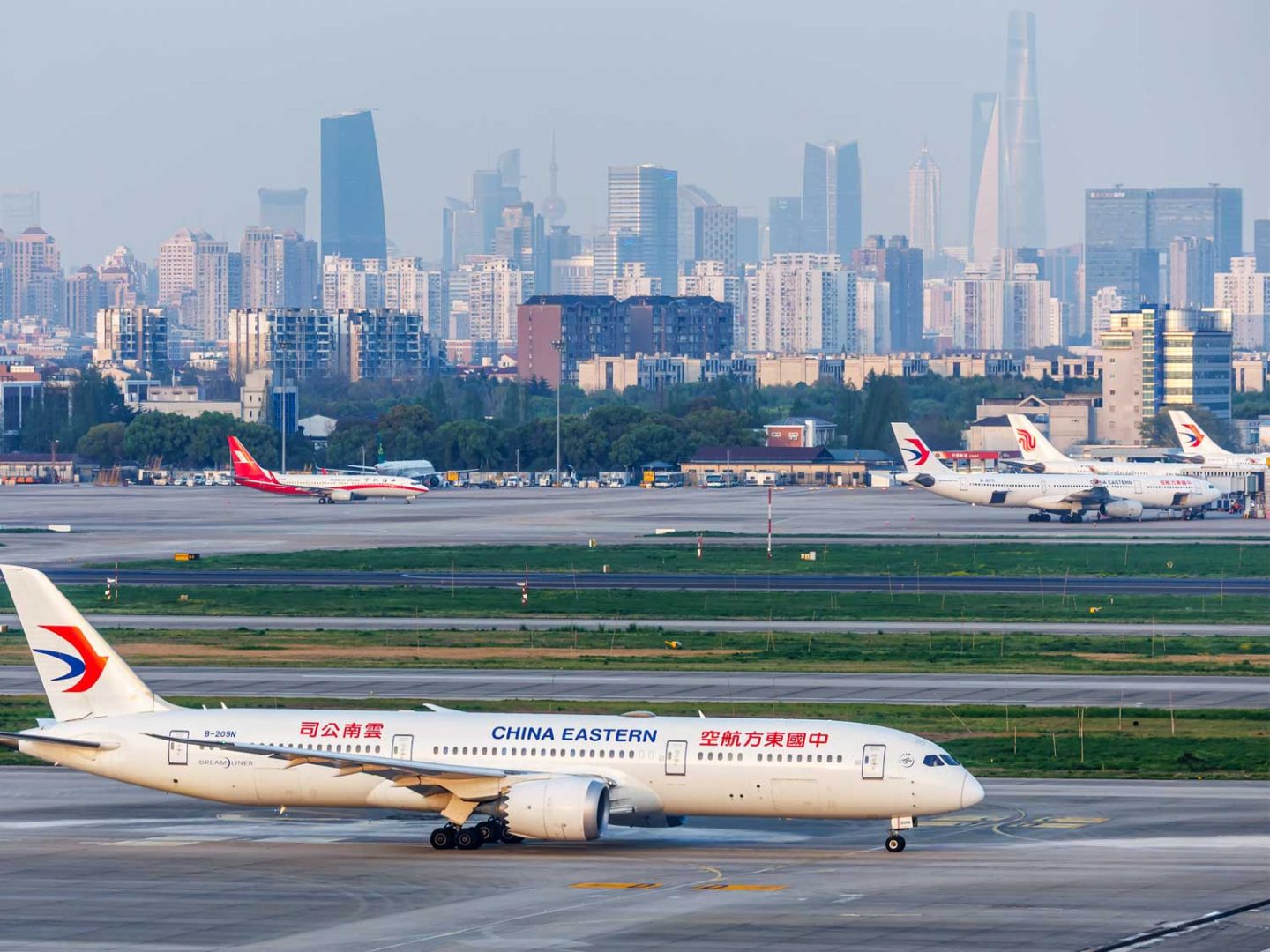
Freighter capacity is rising again, especially on the transPacific, as airlines cautiously reintroduce wide-body lift in response to improving demand. Asia–Europe and Middle East–Asia freighter supply grew 11%, while Asia Pacific–North America increased 8% in the first week of June.

After a sharp fall in eCommerce volumes triggered by new US tariff rules, capacity had shifted away from China–US lanes. But as volumes recover, albeit slowly, freighters are returning.

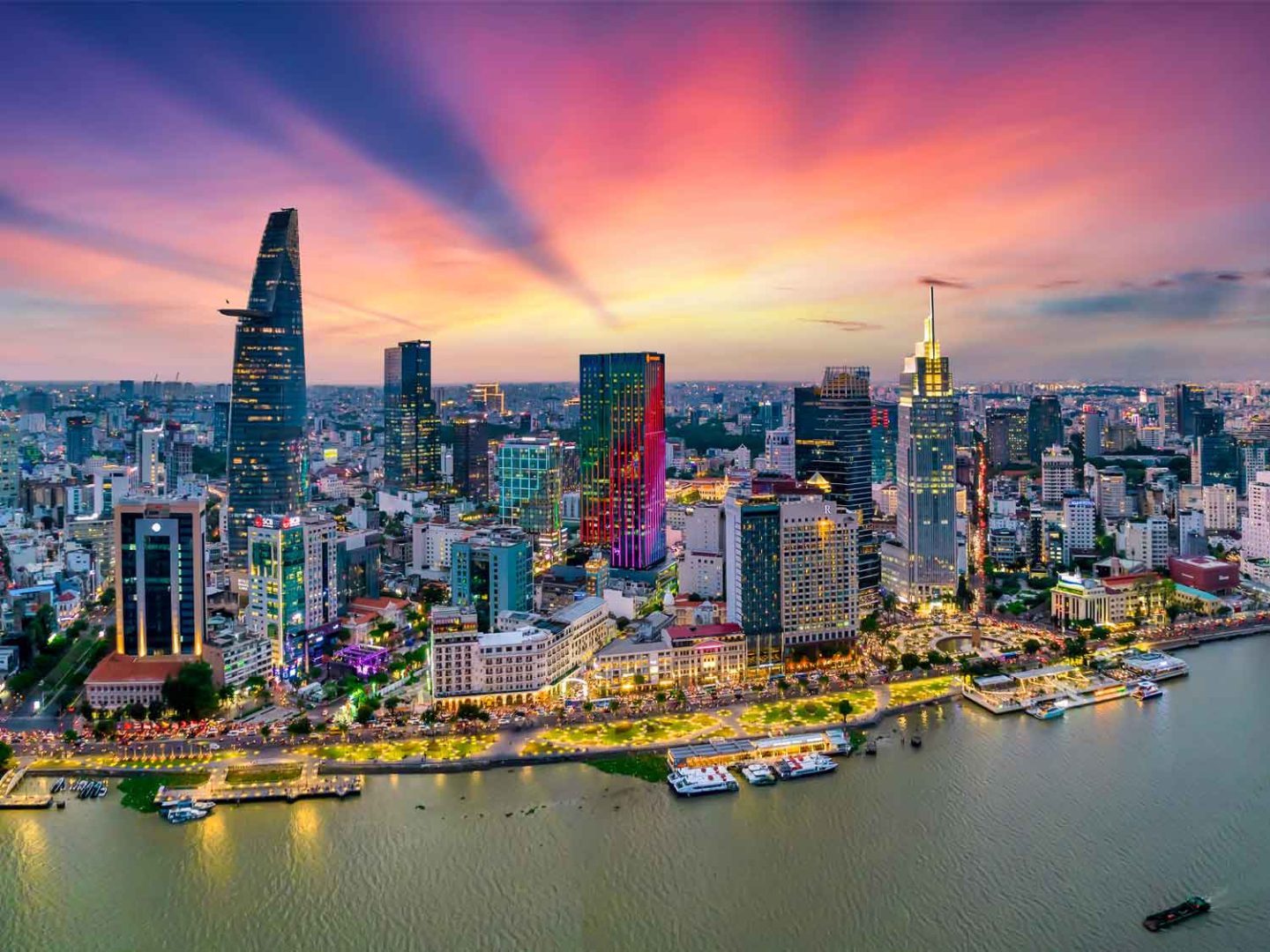
Freighter services are also being bolstered through indirect routings. Chinese carriers, for example, have added new air–air links via Hanoi to support Vietnam–US demand, while capacity from South Korea is tightening, especially for high-tech and perishables.

Tariff volatility driving unpredictable rate trends
The Baltic Air Freight Index rose 1.2% month-on-month in May, but was over 5% down win the same period in 2024. Spot freight rates on lanes out of China softened in early May before rising sharply later in the month. The spot rate index for Hong Kong was up 1% compared to April but down 6.3% year-on-year.

A patchwork of changing US tariff rules created considerable mid-month turbulence. eCommerce shipments, which made up 50% of China–US air freight in 2024, have been hit hard. The May 2 removal of the de minimis exemption for low-value shipments was followed by a brief truce and a reduction in duties. First from 145% to 120%, then to 54%, with a flat $100 fee on postal items. These changes triggered both short-term front-loading and momentary drops in volumes.

Carriers are warning that further disruptions may arise if shippers wait too long to secure capacity, especially with the current 90-day tariff truce due to end in mid-August. Late-quarter demand and compliance bottlenecks could create pressure points, especially on high-traffic lanes such as China–US and intra-Asia.

Regional variation and trade lane shifts
Rates and demand trends continue to diverge across regions. Intra-Asia demand is firm, supported by high-tech and perishables, while South Korea–US routes require bookings up to two weeks in advance. Rates from Japan to Europe are rising, though capacity from Guangzhou and other hubs has been reduced. Meanwhile, outbound rates from Vietnam and India remain lower year-on-year.

In the Americas, rates from the US to South America are significantly higher than a year ago, although some observers are beginning to flag early signs of overcapacity. Rates from Europe are mixed, and seasonal factors like cherry and peach exports are also starting to influence flows and capacity allocation.

Jet fuel remains a bright spot for airlines. Prices were 21% lower year-on-year and 4% down month-on-month, offering margin support even in the face of softening yields.

As air cargo markets navigate shifting demand and volatile rates, securing reliable space at the best rates is more critical than ever. Metro’s global air freight specialists work across key trade lanes, including Asia, Europe and the Americas, to help you air freight with confidence.

Whether you’re moving high-tech, fashion, perishables, eCommerce or anything else, our team ensures fast, reliable and cost-effective air freight solutions tailored to your needs.

EMAIL managing director, Andrew Smith, today to secure capacity, avoid disruption and keep your supply chain moving efficiently.

China exports

US-China Tariff Pause Offers Fashion Breathing Space

Fashion brands and retailers around the world have welcomed a temporary easing of tensions between the US and China, but remain wary of the wider uncertainty still gripping global supply chains.

A 90-day agreement announced on Monday May 12 will, from May 14, reduce US tariffs on Chinese goods from 145% to 30%, and cut Chinese tariffs on US goods from 125% to 10%. While the move has offered immediate relief, industry bodies warn it does little to address the long-term challenges facing the fashion sector.

The announcement sparked a wave of activity as brands reinstated production orders they had previously paused. The high tariff levels had forced many companies to cancel orders, divert production to Vietnam, Cambodia, and Sri Lanka, or slow shipments into the US and Europe. The easing of duties now gives brands the opportunity to fulfil autumn and holiday orders with a degree of cost certainty, albeit only for a limited window.

Trade associations remain cautious. The Footwear Distributors and Retailers of America called the agreement “a step in the right direction” but emphasised that even the reduced 30% tariff remains a significant burden. The fashion industry, with its typically thin margins, has found it difficult to absorb such additional costs. Retailers and importers warn that prices will inevitably be passed onto consumers, fuelling inflationary pressures across apparel and footwear categories.

The American Apparel & Footwear Association (AAFA) noted that this tariff rate applies in addition to any existing duties and customs fees, potentially pushing total charges on certain items to around 50%. Smaller brands, in particular, lack the scale to mitigate these costs and are likely to face greater challenges.

The agreement doesn’t not reverse the abrupt end of the de minimis exemption, which previously allowed shipments valued at <$800 to enter the US duty free. Fast fashion and eCommerce platforms that relied on this customs regime have been forced to rethink their business models.

Retailers may now attempt to bulk-ship goods to US warehouses during the 90-day window to avoid further disruption.

Supply chain experts say the fashion industry will continue to face high levels of uncertainty. The temporary nature of the deal, coupled with the risk of retaliatory tariffs on goods from countries like Vietnam and Cambodia, means many brands are proceeding with extreme caution. Some analysts warn that if brands rush to resume production, a surge in orders could overwhelm manufacturers and create a cargo capacity crunch, pushing air and ocean freight rates even higher.

The longer-term outlook remains unclear. Fashion companies continue to seek more flexible and diversified sourcing strategies, hedging against the risks of geopolitical instability. Industry leaders have urged policymakers to use the current window to work towards a permanent, predictable trading framework.

For now, the temporary tariff pause has delivered short-term relief, but it is widely viewed as a fragile reprieve rather than a definitive resolution. As one trade association put it, fashion brands will “enjoy this time” but remain braced for further twists in the turbulent global trade environment.

With decades of experience supporting leading fashion brands and retailers, we understand the unique demands of global fashion supply chains. EMAIL Andy Smith, Managing Director, to navigate today’s uncertainty and optimise your international logistics and sourcing strategy with confidence.

Cathay tailfins 1440x1080 1

March Airfreight Surge Sets Stage for Further Growth as US-China Trade Tensions Ease

Airfreight markets posted a record performance in March, with particularly strong activity on Asia, US, Europe and UK trade lanes. The surge, driven by shippers front-loading cargo ahead of anticipated US tariffs, has provided a benchmark for what could follow in the months ahead as recent tariff reductions between the US and China hint at a renewed spike in activity.

According to IATA, global demand measured in cargo tonne-kilometres rose by 4.4% year-on-year, with international cargo traffic increasing by 5.5%. Capacity, meanwhile, increased by a similar margin, helping to stabilise load factors despite the sudden surge in volumes. Asia-Pacific carriers led growth with a 9.6% rise in demand and an 11% increase in available capacity. North American airlines recorded a 9.5% increase in volumes, while European carriers posted a more moderate rise.

Asia-North America remained the largest and fastest-growing trade lane by market share, as exporters sought to avoid the sharp rise in tariffs. The Europe-North America route also experienced strong activity and was the busiest overall in March, underpinned by steady intra-European demand which grew by 2%.

The operating environment provided further stimulus, with world industrial output and global trade volumes expanding by just under 3%. Falling energy costs provided additional support, with jet fuel prices down for the ninth consecutive month. Inflation rates also stabilised across key markets, providing additional certainty for international shippers. China’s deflationary environment also showed signs of softening, with the rate improving to just below zero.

The result was a sharp escalation in demand from sectors that rely on rapid supply chains and cannot risk ocean freight delays. Electronics, high fashion, automotive and perishable goods were among the leading commodities contributing to the increased volumes.

The extraordinary March performance may not remain an isolated event. The recent temporary US-China tariff reduction has the potential to trigger another wave of increased airfreight activity.

While the extent of future growth will depend on how negotiations between the world’s two largest economies unfold, the easing of tariffs has already bolstered market sentiment.

However, market analysts note that after the March peak, demand may return to more typical seasonal levels in the short term, particularly as capacity has increased by over 6% on international routes, offering more space for shippers. Yet, the fundamental reliance on airfreight for high-value and time-critical shipments between Asia, the US, Europe and the UK remains unchanged.

Should trade relations between the US and China continue to thaw, the market could be poised for another significant uplift in volumes. The key will be whether the current political stability translates into sustained confidence among exporters and freight forwarders across these critical trade lanes.

With airfreight demand surging and tariffs in flux, now is the time to optimise your supply chain strategy. EMAIL Elliot Carlile, Operations Director, to explore how we can help you secure space and streamline your international shipments.

India Pakistan map 1440x1080 1

India and Pakistan Impose Cargo Bans

The fragile balance of South Asia’s supply chain network has been thrown into disarray after India and Pakistan imposed tit-for-tat bans on each other’s cargo.

The diplomatic standoff, triggered by recent violence in Kashmir and subsequent military exchanges, has sent shockwaves through ocean freight and air cargo networks, with the full extent of disruption still unfolding.

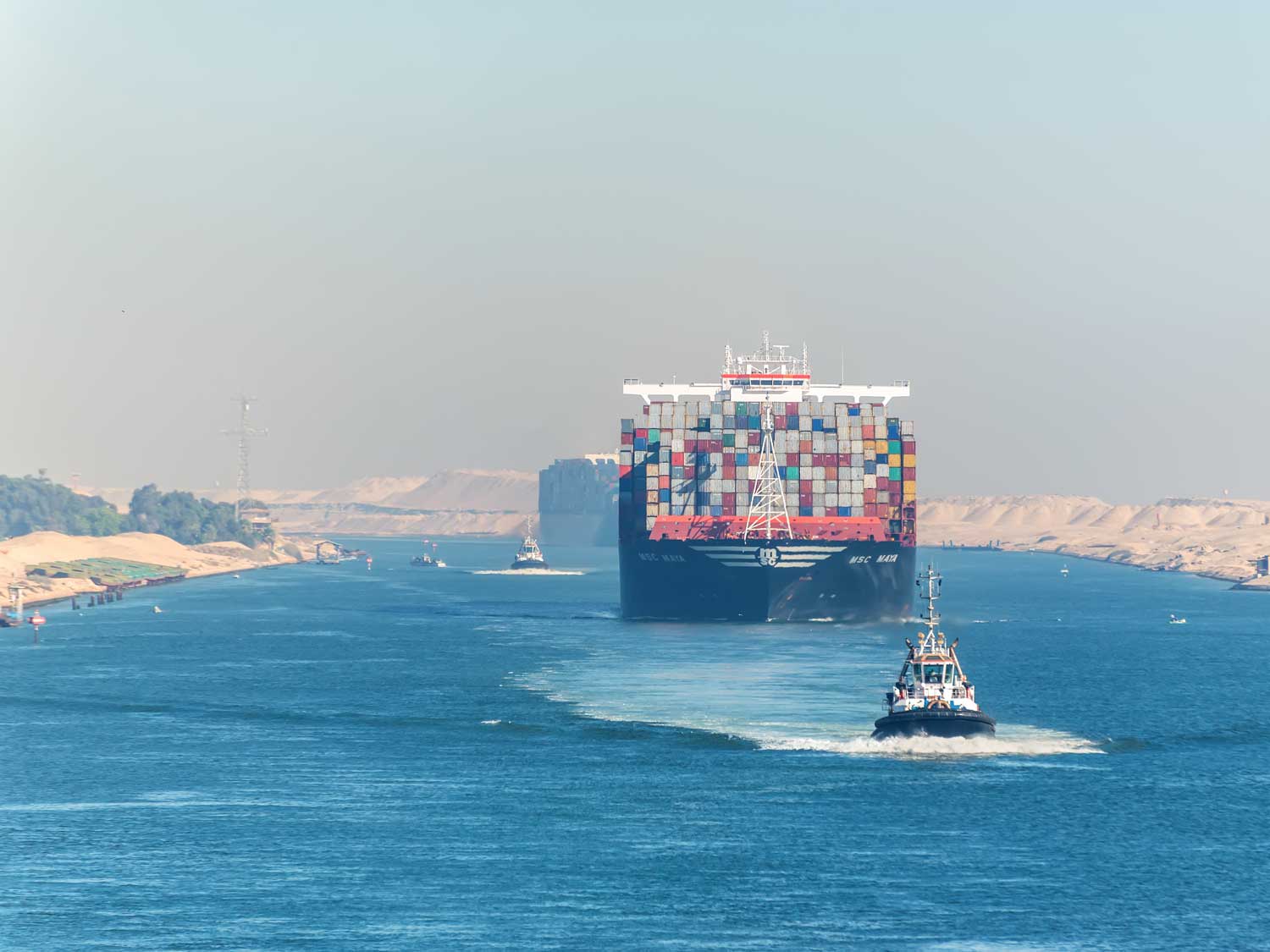
The restrictions have led to widespread delays and rerouting of vessels. India’s decision to prohibit ships carrying Pakistani cargo from docking at its ports has forced carriers to divert to transhipment hubs such as Colombo, creating congestion and adding time and cost.

Pakistan’s blanket ban on Indian goods in response has only compounded the uncertainty. Vessels already en route have been left scrambling for alternative discharge options, while planned schedules are being hastily redrawn.

Space shortages are emerging on regional sailings as shipping lines juggle altered rotations. Delays have rippled into feeder services and inland supply chains, resulting in longer transit times and missed delivery windows. Importers with urgent supply chain needs, such as fast fashion and electronics, face particular challenges as they attempt to secure scarce space at short notice.

The congestion has already pushed freight rates higher, with emergency surcharges now being levied on Pakistan-bound cargo by some carriers. We expect other shipping lines to follow suit as the cost of rerouting and delays continues to mount. Rates out of India, which had been steadily rising in the weeks prior to the crisis, are now expected to surge further.

The disruption has also spilled into the air cargo sector. Major airlines have started diverting flights to avoid Pakistan’s airspace, leading to longer flight times, higher fuel costs, and mounting pressure on capacity across Asia-Europe and Asia-US routes.

While two-way trade between India and Pakistan is relatively small, the standoff has had far wider implications. Third-country shipments caught between the two jurisdictions have been caught up in the diplomatic crossfire, with containers stranded or forced to take circuitous routes at significant extra cost.

With no immediate diplomatic solution in sight, supply chain stakeholders are preparing for ongoing uncertainty. Carriers are assessing whether to restructure service loops or add additional calls to alternative ports such as Jebel Ali to minimise customer disruption. However, the fallout comes on top of existing challenges, including ongoing Red Sea-related delays and persistent global port congestion.

The bans underline how geopolitical flashpoints can rapidly cascade into global supply chain instability. For cargo owners and logistics providers, the India-Pakistan crisis is a stark reminder of the need for flexible routing strategies and contingency planning in an era of growing geopolitical risk.

Geopolitical tensions and unexpected port bans can severely disrupt supply chains, as the India-Pakistan cargo restrictions have shown. In these uncertain times, it is critical for cargo owners to ensure that their marine insurance policies are robust and offer continuity of cover under all circumstances. We strongly advise all shippers to review the fine print and clauses of their insurance to avoid costly gaps in protection.

At Metro, we can help you safeguard your supply chain and navigate today’s complex global shipping environment with confidence. EMAIL Andy Smith, Managing Director, to discuss how we can support your business with risk management strategies, secure freight solutions, and expert guidance on marine insurance best practices.