Ho Chi Minh 1440x1080 1

Tighter Transshipment Rules Put Southeast Asia’s Supply Chains Under the Spotlight

The latest US trade agreements have introduced tougher measures targeting the rerouting of Chinese goods, reflecting heightened scrutiny on supply chain flows through Southeast Asia.

While these rules are designed to curb “origin washing” — the mislabelling of goods to disguise their true country of origin — the underlying reality is more complex, with genuine production shifts also reshaping regional trade.

Much of the recent manufacturing growth in  Southeast Asia countries including Vietnam and Indonesia stems from legitimate relocation of production, rather than disguised transshipment. Chinese manufacturers, facing steep US tariffs since President Trump’s first term, have increasingly invested in factories across Southeast Asia, seeking competitive labour costs and tariff advantages. This process has enabled these host countries to increase domestic value‑added in exports while reducing reliance on Chinese‑sourced inputs.

In Vietnam, for example, the domestic share of value in strategic exports to the US has risen steadily, driven by sustained foreign investment and capacity building. This mirrors China’s own transformation after joining the WTO, when its foreign content in exports fell significantly over time as local supply chains matured.

The New US Approach to Transshipment
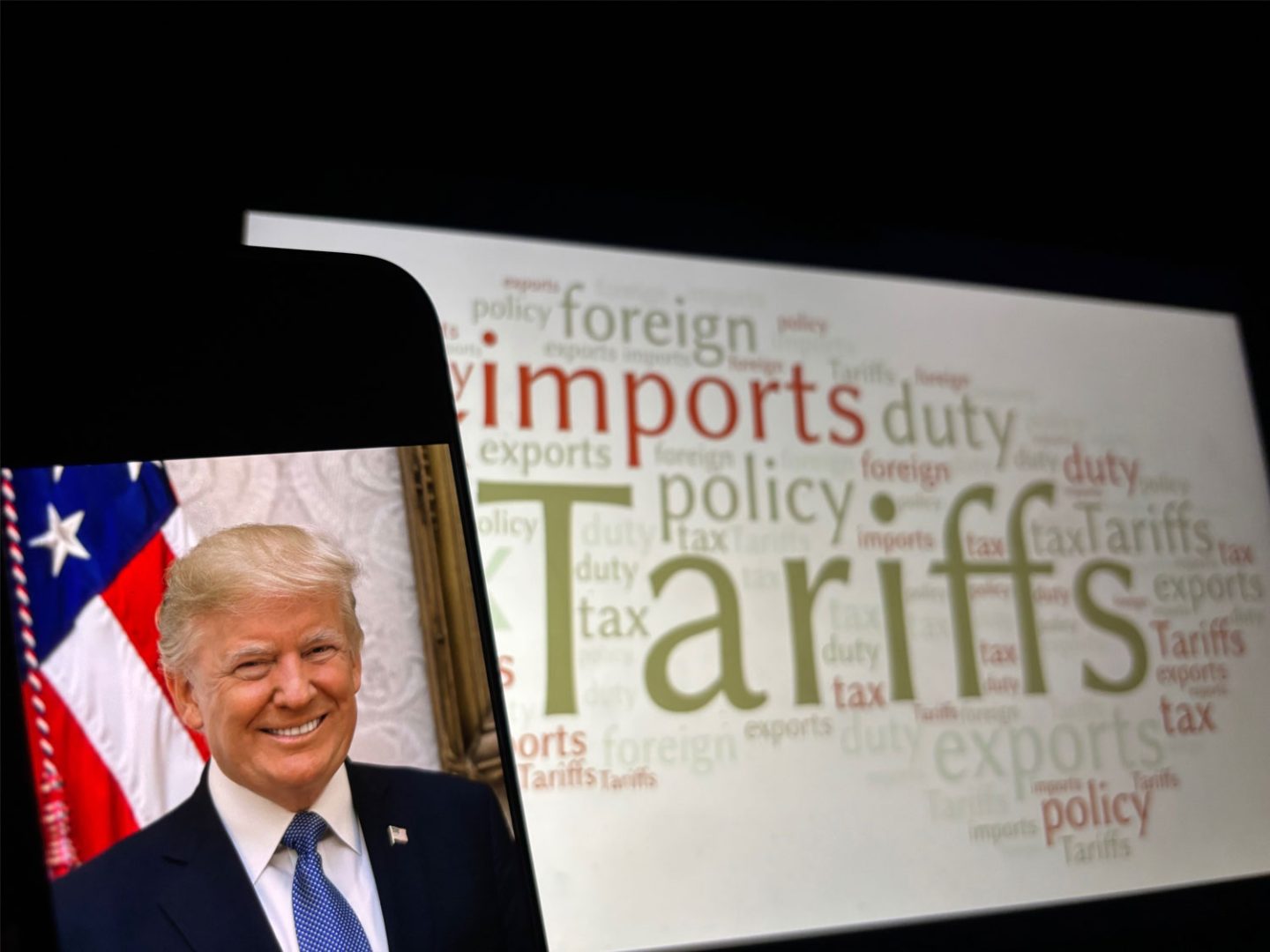
In their recent trade deal President Donald Trump announced a 20% tariff on Vietnam’s exports, but 40% on any “transshipping” of production elsewhere. In the agreement with Jakarta, if there is any rerouting of output from a higher-tariff country, then the evaded duty will be added to the 19% rate for Indonesia.

This aims to prevent goods subject to heavy US duties from entering the market via a lower‑tariff partner after minimal additional work. In practice, enforcement involves tighter certification regimes, closer customs inspections, and stricter rules of origin documentation.

While legitimate outsourcing is allowed under WTO rules, the US measures blur the line between blocking illegal rerouting and discouraging lawful production relocation. This creates uncertainty for businesses investing in diversified regional supply chains.

Implications for Supply Chain Strategy
The new measures could:

  • Increase compliance costs – Exporters must strengthen origin verification, certification, and documentation to avoid tariff penalties.
  • Slow diversification plans – Firms considering shifting production from China to Southeast Asia may reassess timelines and risk exposure.
  • Disrupt regional supply chains – Interconnected production networks risk being treated as transshipment hubs, even when substantial value is added locally.

For Southeast Asian economies, the challenge lies in demonstrating clear value addition and avoiding the perception of serving as simple conduits for Chinese goods.

If these rules are applied broadly, they could reshape the regional manufacturing landscape. Instead of encouraging investment in new production capacity, the measures may discourage multinational manufacturers from fully committing to Southeast Asia for fear of tariff exposure.

For supply chain planners, this environment demands careful mapping of production footprints, investment in compliance infrastructure, and contingency planning for potential trade disruptions.

Whether you’re already shipping from Southeast Asia, exploring new sourcing options, or committed to shifting production, Metro has the tools and expertise to optimise your supply chain from the region. Our MVT platform delivers vendor management and end‑to‑end visibility, making it easier to manage new supply sources and control inbound inventory.

EMAIL Managing Director, Andrew Smith, today to review your shoring strategy and build a more sustainable, resilient supply chain.

US EU flags on desk 1440x1080 1

US–EU Trade Deal Signals New Trade Era

The US and EU have agreed a landmark trade framework taking effect 1 August, with a 15% baseline tariff, replacing many higher existing rates.

In addition to lowering tariffs the new trade deal opens markets, and pledges huge investment flows, with significant opportunities for UK traders able to leverage the EU’s expanded access to the U.S. market.

Headline tariff changes:

  • Cars & parts – Cut from 27.5% to 15%
  • Pharmaceuticals & semiconductors – 0% tariff until review; max. 15% after
  • Steel & aluminium – Stay at 50% pending quota deal
  • Zero‑for‑zero tariffs – On aircraft, some chemicals, generic drugs, semiconductor equipment, selected agri‑products, raw materials
  • Still under negotiation – Wine and spirits tariffs

Strategic commitments:

  • EU to buy $750bn in US oil, LNG and nuclear technology
  • EU firms to invest $600bn in the US over Trump’s second term
  • Defence procurement from US suppliers planned

Opportunities for US, EU & UK Traders

The agreement creates multiple areas of advantage for transatlantic trade:

For EU exporters to the U.S.:

  • Reduced tariffs on high-value sectors such as cars, pharmaceuticals, and technology components.
  • Greater certainty in supply chain planning with capped tariff rates post-investigation.

For U.S. exporters to the EU:

  • Immediate tariff elimination for priority goods, expanding competitiveness in aerospace, chemicals, and agri-products.
  • Increased market access supported by European government procurement in energy and defence.

For UK exporters and importers:

  • Ability to leverage EU supply chains for tariff-advantaged U.S. market access.
  • Opportunities to integrate into transatlantic supply networks in sectors such as automotive, chemicals, and renewable energy.

Leverage Metro’s EU network, in‑house customs brokerage, and on‑the‑ground teams in the United States to navigate this new trade landscape. Whether you’re reassessing sourcing strategies, managing new tariffs, or planning market entry, our experts can deliver compliant, cost‑effective solutions across every mode and market.

Email Managing Director, Andrew Smith, to explore how we can optimise your US/EU trade strategy.

LAX 1440x1080 1

Transatlantic Air Cargo: Calm Surface, Hidden Currents

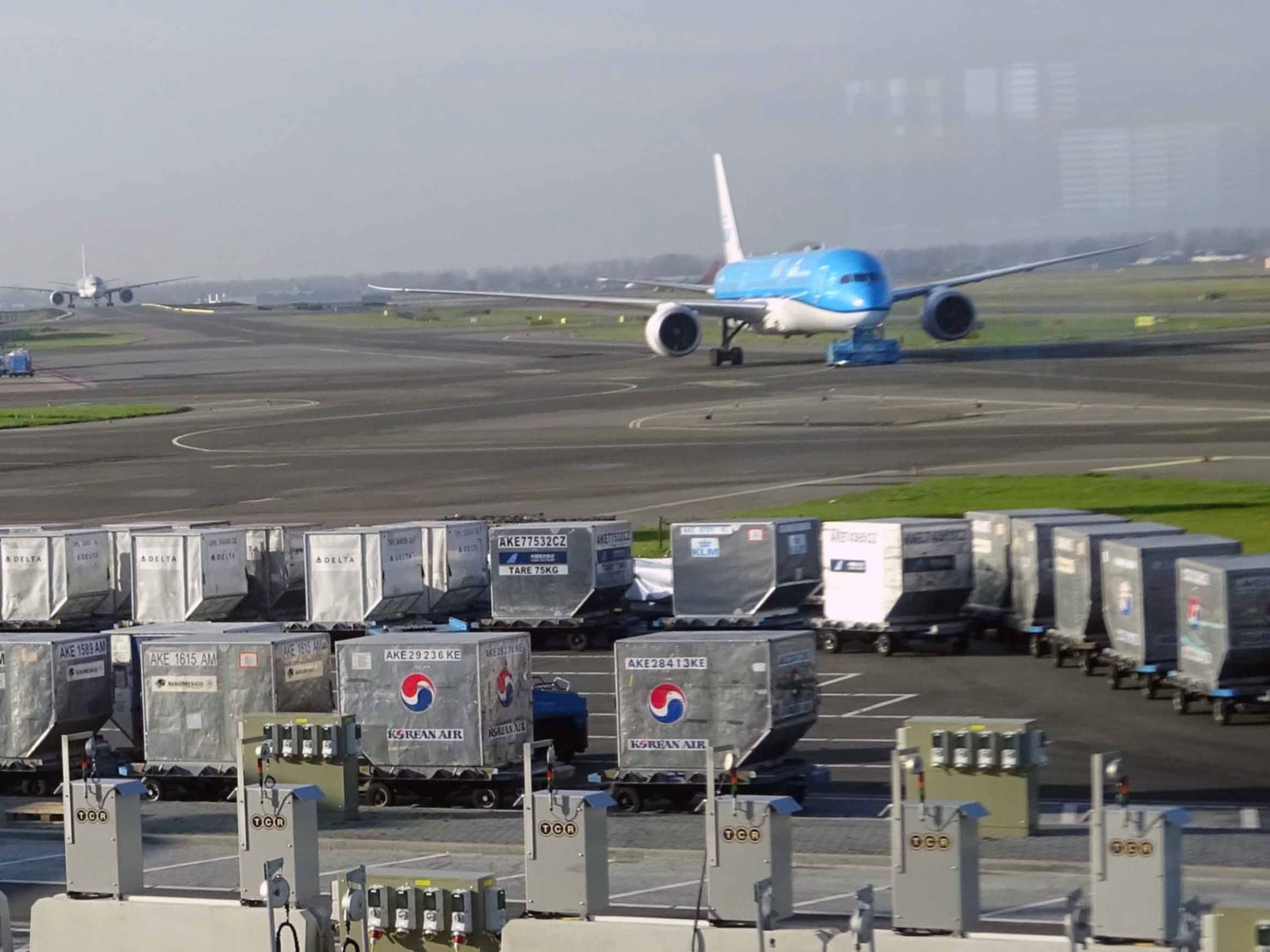
The transatlantic air cargo market may appear steady, with stable capacity and rates, but beneath this surface calm, subtle shifts are reshaping flows, costs, and opportunities, especially on niche routes like Canada–Europe and Mexico–Europe.

While wide-body and freighter capacity from Europe to North America has edged up around 2% so far this year, the opposite direction has slipped by about 1%. Recent months, however, reveal sharp month-on-month jumps, with capacity from Canada to Europe up 14%, and Europe to Canada up 16%. Airlines like Air Canada and Air France-KLM have expanded significantly, while others have held or slightly reduced services.

The capacity surge on Canada–Europe routes coincides with the summer holiday season, boosting passenger belly-hold space. But freight data points to something more: flown tonnages from Europe to Canada jumped around 10% in early July compared with the previous three weeks, though without a corresponding rise in average rates…yet.

On the pricing front, the top end of spot rates between Canada and the UK nearly doubled at the end of June, while France–Canada rates also climbed sharply. Strengthening UK–Canada trade ties, including the UK’s accession to the Comprehensive and Progressive Agreement for Trans-Pacific Partnership (CPTPP), are likely adding further momentum, potentially lifting logistics demand across both ocean and air freight.

Elsewhere, European exporters have seen steady or rising air cargo flows to North America:

Italy has boosted air exports to the US by over one-third, focusing on fashion goods.
France has lifted exports by nearly half, driven by luxury and pharmaceuticals.
Norway fish exports to the US have surged over 50%.
Ireland, concerned about possible US tariffs on pharmaceuticals, has seen air rates to the US climb since May, with sharper increases in July.

Softening Signs, But Cautious Optimism
Overall, transatlantic rates have eased with the arrival of summer and additional belly capacity, particularly on mainline Europe–US routes. Expect stable or slightly reduced spot pricing, typical for this seasonal slack period. However, some airlines are expressing optimism for the second half, buoyed by promising early signals from peak season negotiations.

A delayed US tariff deadline (now 1 August) and new trade measures affecting partners like Japan and South Korea could prompt a short-term wave of airfreight “front-loading.” Longer-term, shifting freighter capacity from Pacific routes toward the transatlantic may rebalance the market, while the removal of US de minimis import exemptions will reshape eCommerce flows into the US.

While today’s transatlantic air cargo market may seem subdued, pockets of demand and policy uncertainty are quietly stirring the waters. Shippers need to be agile to capture emerging opportunities and be prepared for the unexpected.

Metro’s dedicated air freight team and expanding U.S. presence help shippers navigate shifting transatlantic flows with confidence. From capacity management and multimodal routing, to agile supply chain management and inventory visibility, we keep your air cargo moving smoothly — across the Atlantic and around the world. EMAIL our Managing Director, Andy Smith, to learn more.

RoRo in US 1440x1080 1

U.S. RoRo Port Fees Set to Disrupt Automotive Logistics

The U.S. Trade Representative (USTR) has confirmed it will introduce new fees on foreign-built roll-on/roll-off (RoRo) car carriers calling at U.S. ports from October 14, 2025, as part of a broader push to counter China’s maritime influence.

The initial fee of $150 per Car Equivalent Unit (CEU) is designed to incentivise shipping lines to invest in U.S. built vessels. A temporary remission is offered to companies that order and take delivery of a U.S. built car carrier of equal or greater capacity within three years. They can avoid the charges during that period.

However, recent USTR updates suggest the fee may shift to a $14 per net ton charge to simplify administration and reduce the risk of fee evasion. The final decision is pending following public consultations.

Impacts on RoRo Operators and Automotive Logistics
Major global vehicle carriers operating between Europe, Asia, and the U.S. are warning of significant cost increases, potentially reaching hundreds of millions of dollars annually. 

A leading Nordic carrier estimates its annual liability could reach $300 million, based on 300–350 annual voyages to the U.S, while another major Norwegian operator projects $60–70 million per year in additional fees.

Major carriers impacted include Japanese operators “K” Line, Mitsui O.S.K. Lines, NYK Line, and South Korea’s Hyundai Glovis, all of whom have extensive U.S. vehicle import operations.

While some carriers plan to pass costs onto customers, there is growing concern that surcharges will ripple through supply chains, raising prices for manufacturers, dealers, and ultimately consumers.

There is also confusion over how mixed-use vessels, those carrying both cars and containers will be classified, with some operators calling for fees to be based on actual cargo moved, not total vessel capacity.

The risk of double charges on multi-port U.S. calls is further raising alarm, with some carriers warning they may be forced to reduce or withdraw U.S. services altogether if the fee regime is not clarified or adjusted.

The fees will not apply to U.S. government cargo or vessels operated directly for the government by agents or contractors.

Critics argue that the USTR’s blanket approach to all foreign-built RoRo vessels may create unintended market distortions, harming non-Chinese carriers, squeezing capacity, and undermining U.S. automotive supply chains, while doing little to curb China’s maritime ambitions.

Final regulations are expected before the end of the summer, and the industry is watching closely.

Stay ahead of global logistics shifts, with Metro’s technology and expertise helping you overcome change. Drive automotive supply chain performance with Metro’s specialised logistics solutions. From finished-vehicle transport to after-sales support, we deliver precision, resilience, and cost efficiency across global automotive supply chains. EMAIL Managing Director, Andy Smith, to learn more