Trump on tv 1440x1080 1

Global financial events and Trump’s presidency: Implications for trade and logistics in 2025

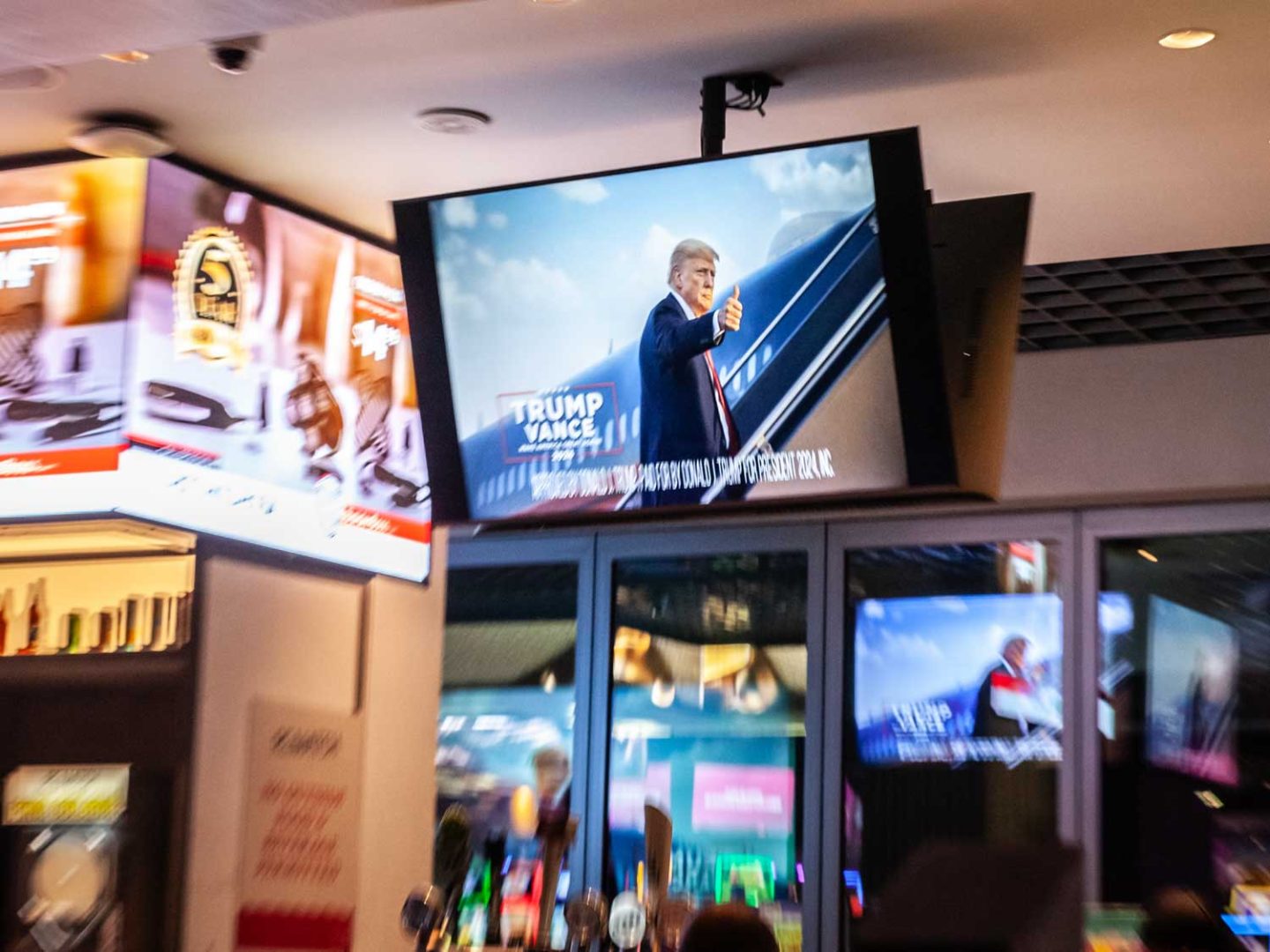
As we step into 2025, the global financial and political landscape is undergoing significant transformations. Among the most notable developments is Donald Trump’s return to the U.S. presidency, a shift that is likely to influence international trade and logistics. 

Closer to home, Q1 economic indicators in the UK also signal a complex year ahead, marked by both opportunities and challenges for businesses operating in the trade and logistics sectors.

Shifting economic landscape in the UK

Investor confidence in the UK is showing signs of improvement as the year begins, with several factors contributing to this optimistic outlook:
Economic growth: The UK economy is projected to grow by 1.5% in 2025, up from 0.9% in 2024. This improvement is driven by more expansionary fiscal policies and increased public spending, which are expected to provide momentum to key sectors.
Interest rate cuts: The Bank of England is anticipated to implement further rate reductions throughout 2025 and into 2026. Lower borrowing costs are already boosting confidence, particularly in the commercial property sector.

However, the private sector remains under pressure from elevated taxes, borrowing costs, and rising wage expenses, factors that may temper overall growth.

Trump’s presidency and its potential impact on trade

Donald Trump’s return to the presidency this month may see the introduction of new policies that could reshape international trade and logistics. His administration has signalled a focus on tariffs, energy production, and stricter border controls, all of which carry implications for global supply chains:
Tariffs and trade policies: Proposed tariffs on imports could increase costs for goods entering the U.S., affecting supply chains globally. Retaliatory measures from other countries may escalate into a trade war, disrupting established trade routes and adding volatility to logistics markets. Higher shipping costs and increased customs barriers would likely emerge as additional challenges for businesses.
Energy production: By prioritising domestic energy production, the U.S. aims to reduce reliance on foreign oil. While this policy may lower energy costs domestically and benefit logistics operations reliant on energy-intensive processes, it could also influence global oil prices, impacting trade dynamics for oil-exporting nations.

The performance of the U.S. dollar under these policies is also likely to affect global markets, with potential downward pressure on the GBP/USD exchange rate impacting UK businesses reliant on international trade.

Navigating 2025’s complexities

The events shaping Q1 2025, both domestically and internationally, will have far-reaching consequences for the trade and logistics sectors. Businesses must remain agile and proactive to adapt to shifting market dynamics.

Metro’s award-winning services and unparalleled market expertise position us uniquely to help businesses navigate the complexities of 2025. Whether managing disruptions from new tariffs, adjusting supply chains in response to energy policy shifts, or adapting to UK economic changes, we provide the insights and solutions needed to succeed in a rapidly evolving landscape.

In the face of uncertainty, preparation and adaptability are key. With Metro as your partner, you can confidently tackle whatever challenges 2025 may bring.

EMAIL Managing Director, Andy Smith today to learn how we can safeguard your supply chain.

car mirror 1440x1080 1

2024: Reflecting on a Dynamic Year in Global Supply Chains

As 2024 comes to an end, we look back at a year filled with extraordinary events that shaped the global supply chain landscape. From geopolitical challenges to shifts in logistics trends, the past year has underscored the importance of resilience, adaptability, and innovation in our industry.

Here are just a few of the major supply chain developments we covered and that defined 2024:

Houthi attacks in the Red Sea: The crisis continues, forcing vessels to divert around the southern tip of Africa, creating new delays and challenges for global trade.

Global RoRo capacity shortages: The shipping of automobiles was heavily impacted as carriers grappled with fleet reductions from the pandemic.

Labour unrest: Strikes surged 42% year-over-year, including a six-week standstill at the Ports of Los Angeles and Long Beach.

Port of Baltimore closure: The collision and collapse of the Francis Scott Key Bridge caused a three-month disruption.

eCommerce growth: Air freight demand soared on Asia-North America lanes as online shopping reached new heights.

ILA strike: A three-day US East Coast dockworker strike in October highlighted ongoing tensions over automation, with another strike looming in January 2025.

Global reefer shortages: The demand for refrigerated containers remains unmet, impacting perishable goods transport.

Political shifts: The re-election of Donald Trump signals potential changes in trade policies, with protectionism and tariffs on the horizon.

Shipping alliances: New alliances reshaped container shipping routes, including Maersk’s departure from Felixstowe.

Metro’s Highlights

2024 was also a year of achievements for Metro Shipping:

Air Freight Business of the Year: We were proud to receive this accolade at the Logistics UK Awards.

Road freight expansion: Our growing road freight division continues to support our clients’ evolving needs.

Publishing sector portfolio launch: We introduced tailored logistics solutions for the publishing industry.

Great Place to Work: Metro was officially accredited, reflecting our commitment to a positive and empowering workplace culture.

As we get ready to step into 2025, we are prepared to face challenges head-on, supporting our customers with expert insights, seamless operations, and innovative solutions.

Thank you for your trust and partnership in 2024.

Wishing you a wonderful holiday season and a successful year ahead.

5th Avenue 1440x1080 1

US businesses prepare for ILA strike threat and Trump’s China tariffs

Retailers and shippers are bracing for operational disruptions and cost increases as the January 2025 deadline for the International Longshoremen’s Association (ILA) negotiations looms, alongside the threat of new tariffs on Chinese imports from President-elect Donald Trump.

This combination of challenges has led to an extended peak shipping season, as businesses rush to front-load cargo and mitigate potential impacts.

Surge in imports
US ports have seen a significant increase in inbound cargo volumes, reflecting retailers’ efforts to stock up ahead of potential disruptions. October imports jumped by over 9% year on year, exceeding projections, and further increases of nearly 15% are forecast for both November and December. The January 2025 forecast has also been revised sharply upward, with inbound cargo now expected to grow by over 12% compared to the same period last year, up from an earlier forecast of just 2.6%.

This surge is driven by retailers’ attempts to avoid disruptions caused by either an ILA strike or increased tariffs on goods from China. The race to bring goods into the US before the 15th January contract negotiation deadline and the expected implementation of tariffs has led to heightened activity at ports, with shippers working to ensure goods arrive before potential delays or cost increases take effect.

Rising inventories
The rush to import goods has resulted in a notable increase in retail inventory levels. The US retail inventory-to-sales ratio rose to 1.42 in September, up from 1.27 in August. This level, last seen in early 2023 and 2021, is among the highest recorded since the pandemic began. Retailers are stockpiling goods not only to prepare for potential supply chain disruptions but also to shield themselves from the anticipated cost impact of higher tariffs on Chinese products.

Labour negotiations
ILA negotiations with the US Maritime Alliance (USMX) have stalled, with automation emerging as the primary sticking point. The ILA strongly opposes the introduction of semi-automated equipment, such as rail-mounted gantry cranes, at marine terminals. With no agreement in sight, the likelihood of a strike after the January 15 deadline has increased, adding uncertainty for retailers and logistics providers.

While the October three-day strike was resolved with a temporary pact, the breakdown of talks in November has heightened concerns. Retailers are closely monitoring developments, knowing that a prolonged strike could severely disrupt supply chains and lead to higher costs for both businesses and consumers.

Tariff uncertainty
President-elect Trump’s promise to impose tariffs exceeding 60% on Chinese goods is also driving the import surge. Although it remains unclear whether the tariffs will be implemented immediately or phased in, retailers are taking no chances. Many have accelerated their efforts to source goods from alternative suppliers, building on years of diversification away from reliance on China.

Retailers have used recent earnings calls to emphasise the progress made in reducing exposure to Chinese imports, but for some, the impending tariffs will still have a significant impact. The race to import goods before January reflects both the uncertainty surrounding the tariff timeline and the anticipated financial strain they will impose.

Preparing for 2025
As the new year approaches, businesses are facing a perfect storm of challenges in the supply chain. The combined threats of port labour disruptions and tariff hikes are driving unprecedented levels of front-loading, resulting in increased strain on logistics networks and rising inventory levels.

Retailers and shippers are implementing strategies to manage these uncertainties, from diversifying supply chains to stockpiling inventory. However, the potential for delays, higher costs, and operational disruptions will require ongoing agility and preparation to navigate the year ahead. The outcome of the ILA negotiations and the implementation timeline for tariffs will be key factors shaping the supply chain landscape in early 2025.

With disruption and tariff uncertainties redefining the market, Metro’s proactive solutions are essential to keeping your supply chain strong and adaptable.

Our expert team continuously monitors the shifting landscape, offering strategic guidance to help you navigate regulatory changes, optimise shipping routes to avoid disruption, and control costs effectively.

EMAIL Andrew Smith, Chief Commercial Officer, today to discover how Metro can protect and future-proof your North American supply chain.

Trump on tv 1440x1080 1

The potential impact of the new US administration on global trade

As the United States, and the world, braces for potential shifts in trade policy, new tariff proposals and ongoing supply chain challenges are reshaping the global logistics landscape.

President-Elect Trump’s threatened trade tariffs, along with geopolitical and operational pressures, are driving significant changes in import patterns, freight rates, and supply chain strategies.

Protectionist policies
President Trump’s first administration was marked by aggressive trade policies, and his second term is marked by a resurgence of tariff-based strategies targeting China and other major trading partners. Proposed tariffs include a universal rate of 10-20% on all imports to the US, with an additional 60-100% on imports from China, together with another 10% above any additional tariffs, on all products, until the supply of the illegal drug fentanyl ceases. 

These measures could significantly raise consumer costs for goods such as apparel, toys, furniture, and household appliances. In 2023, tariffs on Chinese apparel cost U.S. companies and consumers $1.3 billion, with forecasts estimating that consumers would pay between $13.9 billion and $24 billion more annually due to the proposed tariffs.

Additional tariffs could reduce trans-Pacific shipping volumes, while supply chains may diversify further to Southeast Asia, India, and Latin America. These shifts would alter global shipping patterns and potentially lower container shipping demand from Asia.

Surge in imports ahead of tariffs
The prospect of new tariffs is expected to accelerate import activity, as businesses aim to pre-empt the potential cost increases by expediting shipments, placing substantial demand on vessel space. This surge, if realised, would exacerbate pressures on an already strained logistics infrastructure, particularly during peak seasons.

Volatility in sea freight rates
Tariff-driven demand spikes are poised to push freight rates higher, especially on trans-Pacific routes. Companies, wary of increasing costs, are likely to explore alternative sourcing locations outside China, though this has been complicated further as the US president-elect said he would sign an executive order imposing a 25% tariff on all goods coming from Mexico and Canada, after being inaugurated on 20 January 2025. The impending early Chinese lunar new year in late January 2025 further compounds the uncertainty, as shippers rush to secure capacity.

Heightened supply chain challenges
Labour disputes continue to threaten North American supply chains, with the potential for an International Longshoremen’s Association (ILA) strike if negotiations do not conclude positively by January 2025. Concurrently, recent lockouts at Montreal and Vancouver ports have disrupted trade flows, with ripple effects expected at other ports, including Halifax.

A second Trump administration may prioritise renegotiating or withdrawing from international trade agreements to favour US interests, including potential revisions to WTO agreements. Such moves could disrupt North American trade flows and create further uncertainty for global shipping stakeholders. Additionally, heightened geopolitical tensions could impact critical maritime routes and alliances, particularly in the South China Sea.

The combination of tariff uncertainties, labour disputes, and shifting sourcing strategies signals a challenging period for global trade. Rising costs and operational complexities could challenge shipping in the long term, with broader implications for economic stability.

As the situation in the United States develops we will continue to provide regular updates, but if you have any concerns or questions about how these events might impact your shipments, please reach out to us.

EMAIL Chief Commercial Officer, Andy Smith today to learn how we can safeguard your supply chain during challenging periods.