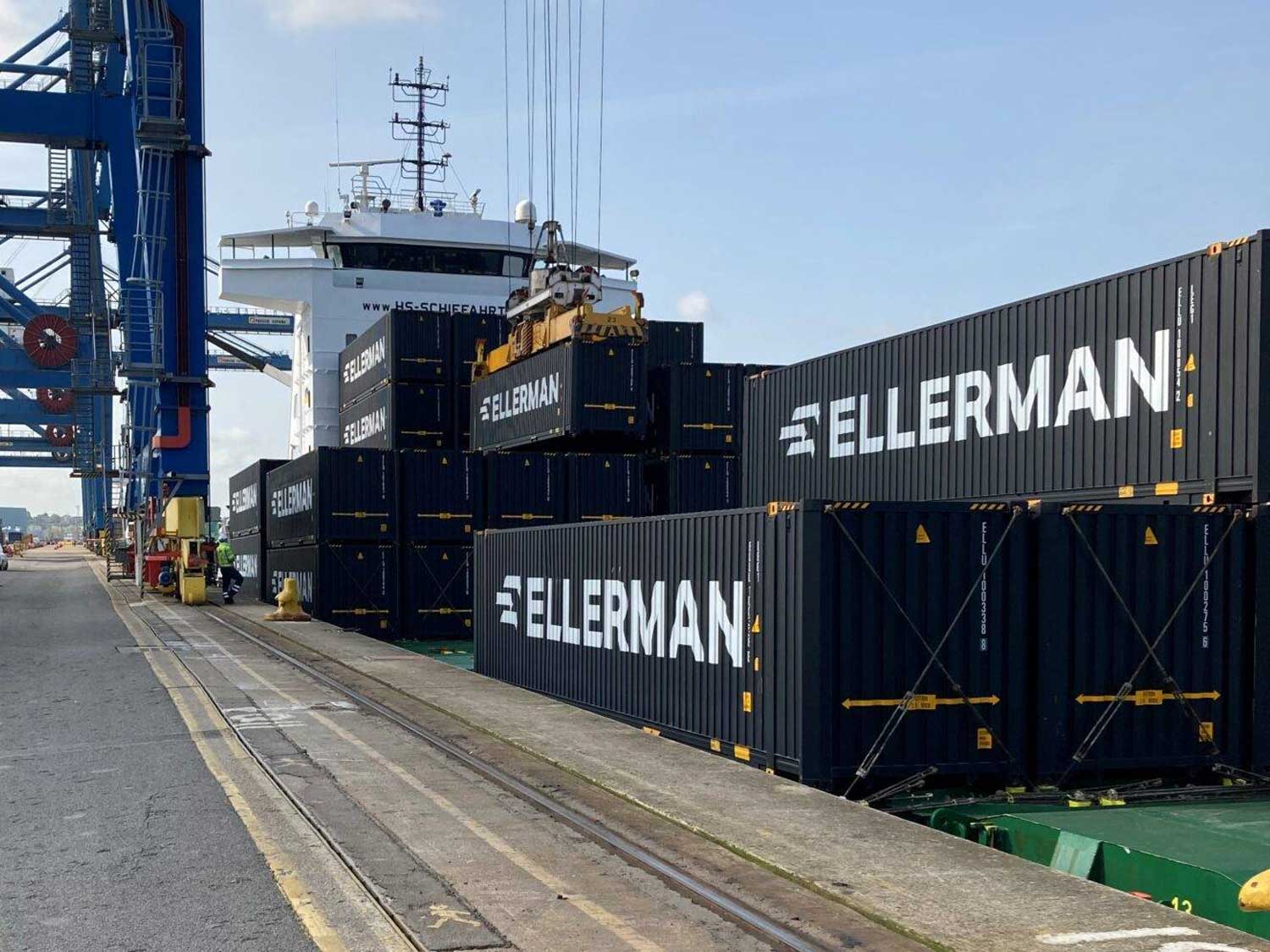
Ellerman boxes

European market review and group developments

The European freight market continues to face a complex landscape, characterised by fluctuating demand and evolving capacity challenges. In this review, we examine the current state of the road freight market and highlight recent group developments, including the acquisition of a Portuguese intermodal specialist and the launch of a new container shipping service.

Road Freight Market
Despite some positive economic developments, the road freight sector remains challenged by uncertain demand, with no indication of a trend reversal over the summer. This persistent issue is also evident in the capacity trends reported by TIMOCOM’s index. Significant capacity bottlenecks were noted in the first quarter, primarily due to reduced truck fleets.

This trend persisted into the second quarter, with the ratio of freight to cargo space standing at 77:23, dropping further to 73:27 in July, which is typical for the summer months. Despite these challenges, freight rates remain high. Although diesel prices have moderated, other costs, such as driver wages, continue to rise.

The TEG Index tracked a 6% year-on-year increase in haulage prices in July 2023, reflecting the rising costs that hauliers face. This index typically shows prices stalling over the summer before recovering in September, indicating that current trends are in line with historical patterns.

Acquisition of Portuguese Intermodal Specialist
We are pleased to announce the acquisition of Portuguese intermodal specialist KLOG. This acquisition allows us to enhance our intermodal transport capabilities, particularly for customers with significant continental volumes or those aiming to meet decarbonisation targets.

KLOG is renowned for its efficient, reliable, and cost-effective intermodal services to and from the Iberian Peninsula, serving some of Europe’s largest retailers, brands, and manufacturers. Their established rail services to and from Germany and Poland, via hubs in Spain and France, present significant opportunities for shippers trading between Northern Europe and Iberia.

KLOG currently operates two block train departures a week to and from their Portuguese rail hub to Poznan in Poland and Duisburg in Germany, routing via France and Spain. 

These services are complemented by short sea/rail connections. Additionally, four block trains run weekly between Entroncamento (Portugal) and Tarragona (Spain), with a further three block trains operating weekly in Spain between Tarragona, Bilbao, Valladolid, and Sevilla.

A wide range of 45’ equipment is available for all services, including curtain-side, dry container, and refrigerated containers, as well as 20’ ISO tanks. Last-mile delivery and/or collection from the Tarragona hub is available with e-trucks as an option.

Key Benefits:
– 24/7 Control Tower Service
– High rail frequency with daily departures
– Reliable lead-time comparable to road transport
– Sustainable solutions available year-round
– Reduction in truck usage and reliance on scarce driver resources
– CO2 emission reductions of 90% compared to road alternatives

New container shipping service connecting Spain, Portugal, and Northern Europe
Ellerman City Liners, a group container shipping line with over 120 years of history, has introduced a new joint service with CMA CGM, connecting Spain, Portugal, and Northern Europe. This service aims to address ocean freight capacity shortages on key trade lanes, providing speed, service, and certainty to supply chains.

The first vessel of the new iNEX service departed Rotterdam on 9th July 2024. This service enhances efficiency, expands geographical scope, and reduces the carbon footprint for shippers. Operated with two 1,400 TEU vessels, the weekly sailing schedule includes the ports of Cadiz, Setubal, Leixoes, Ferrol, Tilbury, Dunkirk, and Rotterdam.

By working closely with partners Ellerman and KLOG, we are expanding the intermodal options available to our customers, delivering cost-effective and sustainable services as part of our commitment to decarbonising the supply chain.

Metro’s integrated transport services streamline import and export product flows across Europe, North Africa, and Turkey. By combining road, intermodal, and short sea modes, we ensure more efficient cargo transportation, reduced delivery times, and cost savings.

Our extensive partner network, multi-modal transport solutions, and MVT supply chain platforms are designed to meet even the most complex requirements across multiple regions, vendors, and customers.

Discover how we can enhance your trans-continental trading. EMAIL our Chief Commercial Officer, Andrew Smith, to arrange a consultation and scoping discussion.
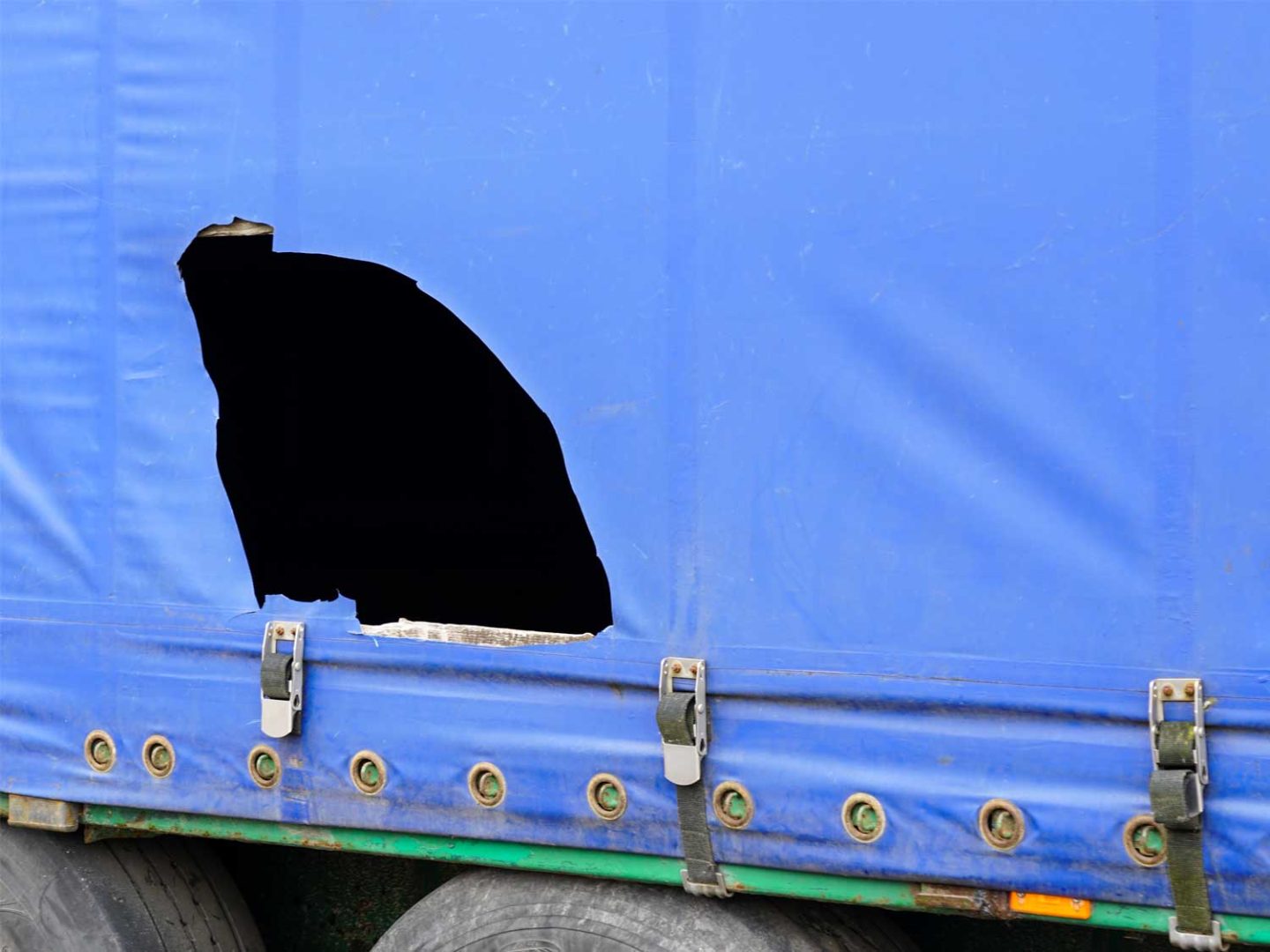
trailer tear copy 1440x1080 1

Rising lorry thefts prompt calls for government action

The Road Haulage Association (RHA) has urged the government to establish a specific offence for freight crime and to develop more secure truck stops. This call comes in response to organised crime gangs (OCGs) increasingly targeting cargo, with over £1 million worth of goods stolen in a single incident this year.

Funded by the logistics industry, the National Vehicle Crime Intelligence Service (NaVCIS) collaborates with police forces across England and Wales to tackle regional lorry theft issues. An officer from NaVCIS described the situation to the BBC as “serious and organised crime,” explaining that these gangs have a deep understanding of supply chains, surveillance, and policing. They use underground networks to handle large quantities of stolen cargo for substantial sums of money.

OCGs often target motorway service stations and truck stops on major routes and their methods include slashing curtains or using bolt cutters on trailer doors until they find valuable loads. Popular items targeted include alcohol, tobacco, electronics, and clothing, which are then sold online, in wholesalers, backstreet cash-and-carries, car boot sales, and markets.

While precise figures for lorry thefts in the UK are unavailable, NaVCIS reported over 5,000 incidents in 2023, equating to about 14 thefts per day and nearly £70 million in losses. Industry experts believe the real figure could be up to seven times higher. Even unsuccessful theft attempts are costly, with each curtain tear repair costing around £100, ultimately driving up consumer prices as these costs ripple through the supply chain.

The need for secure truck stops
NaVCIS, RHA, hauliers, and drivers all emphasise the need for more secure truck stops and upgrading existing sites’ security measures. Only ten sites have received the Park Mark Freight accreditation, launched by the British Parking Association (BPA) in 2022, which requires extensive security measures such as secure perimeters, CCTV, and on-site security staff.

Despite assessing nearly 50 sites, the BPA has only accredited ten truck stops, claiming these sites experience “zero to little crime”, while the low number of accredited sites is reflective of the generally poor standards of truck stops.

In March, the government announced a joint investment of £16.5 million to provide lorry drivers with more parking spaces, better welfare facilities, and safer rest areas. This investment aims to enhance security and reduce the risk of cargo theft.

Our approach to reducing cargo theft
To mitigate the risk of cargo theft during transit, we operate our own fleet of vehicles, deploy two or three-man crews, and use box trailers. Our drivers are trained to:

– Leave vehicles unattended as little as possible
– Choose well-lit, guarded parking areas
– Inspect vehicles and loads after each stop
– Report any deviations from the route or delivery address
– Avoid discussing the route, destination, or load
– Not pick up hitchhikers

We prioritise the safety of your cargo with secure parking areas and advanced trackers for high-value shipments. However, all types of cargo can be targeted by criminals, and standard carrier liability often falls short of covering actual losses.

Protect your investment with our comprehensive All Risk insurance. Metro partners with leading providers to offer All Risk marine insurance, ensuring your cargo is safeguarded throughout transportation and storage, available per-shipment or annually.

For more information on our marine insurance and how to protect your cargo, EMAIL Laurence Burford, CFO at our Birmingham HQ.

Bangladesh protest 1440x1080 1

Bangladesh Lockdown Easing

Peaceful protests by university students against a government job quota system favouring relatives of war veterans escalated into nationwide violence last week, resulting in over 150 deaths, communication blackouts, and curfews. Today, Bangladesh began to gradually lift the curfew imposed last Thursday, reopening offices and banks as normality slowly returns after the week-long turmoil and internet blackout.

Numerous apparel factories have resumed operations, with broadband internet connections being selectively restored in key economic zones. However, ongoing curfews remain in critical areas, continuing to challenge export activities and travel arrangements.

Over 80% of apparel factories in Chittagong have resumed operations, with hundreds more opening in Narayanganj BSCIC, Savar, Ashulia, and Gazipur. Export Processing Zone (EPZ) factories are also expected to reopen today, with the hope that all factories will be operational within days.

Following a complete internet blackout for five days, the government began restoring broadband connections from yesterday evening, prioritising financial, industrial, export-import, diplomatic, IT, and crucial service hubs. Offices, including banks, will remain open from 11:00am to3:00 pm until further notice.

Air Freight
With limited internet connectivity restored, our partners in-country can now send documents for pending shipments and those dispatched prior to the shutdown. Shipments planned from 19th July could not be moved due to the unavailability of customs documents, resulting in some shipments being stuck in the cargo village and others in warehouses. We expect improvements from Wednesday afternoon as connectivity continues to be restored.

Ocean Freight
The port has begun processing shipments manually, prioritising perishable goods and industrial raw materials. Customs have been manually approving the delivery of containers for which duties were paid before the internet blackout last Thursday night.

At around 8am yesterday, Chittagong port, with a capacity of 53,518 TEUs, had 41,620 TEUs, leaving a safety buffer of fewer than 4,000 TEUs. The government is gradually relaxing the curfew and reopening offices and banking services to contain the unrest.

We are actively working with clients affected by the evolving situation, ensuring minimal disruption to their operations. Our team remains dedicated to navigating these complex challenges and maintaining the integrity of our customers’ supply chains amid ongoing global and regional tensions.

If you have concerns about any of the issues covered here, or would like to discuss contingencies, please EMAIL our Chief Commercial Officer, Andy Smith.

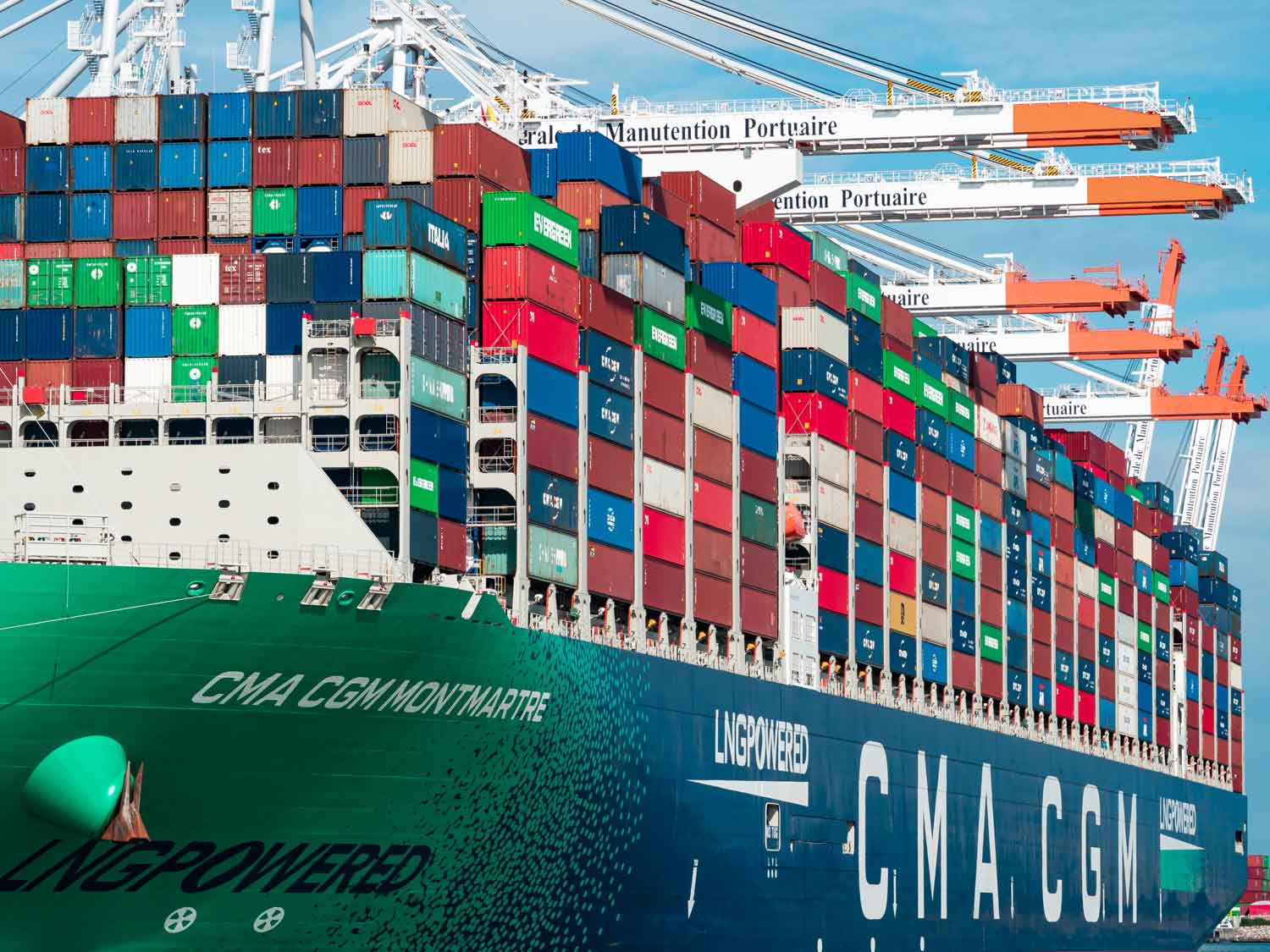
CMA CGM Montmarte

Record volumes raise concerns for peak season

Global demand for ocean freight container shipping has surged to unprecedented levels, surpassing even the peak during the Covid pandemic and comes when available capacity is already strained due to diversions around Africa, leading to concerns that any peak season demand could be calamitous.

Chinese exports reached a record high of 6.2 million TEU in May and while there is hope that early shipments will reduce volumes during the traditional peak season in the third quarter, other factors could keep demand high. 

Nervous shippers are re-stocking and seeking to avoid potential future tariffs on imports from China, which could sustain high demand in the coming months.

Approximately 19% of US shippers and 26% of European customers are advancing their shipping schedules due to fears of supply chain disruptions.

Planned US tariff increases on goods, including electric vehicle-related materials, battery parts, and solar cells, could further elevate freight costs as exporters rush to front-load shipments. The Hong Kong Small and Medium Enterprises Association noted that many manufacturers are struggling with tighter deadlines and increased overtime pay in mainland China, jeopardising profitability.

With importing customers asking for orders to be shipped earlier than usual, Chinese manufacturers are increasingly struggling to meet the shortened schedules necessary for timely festive season deliveries. The average cost of moving a 40ft container between Asia and northern Europe has more than doubled in two months, with a roughly fivefold increase from the same period last year.

Recent spot rate indexes for sea freight have shown the smallest gains in months, with some main east-west routes seeing a pause in growth. The slowdown suggests the market might be reaching an equilibrium of supply and demand. However, it remains unclear whether this is a temporary early peak season or if demand from front-loading shippers will persist, particularly with potential US tariff increases looming.

While Asia-to-Market routes have stabilised, others continue to show week-on-week rises, with the WCI’s Shanghai-Rotterdam leg and XSI’s Asia-Europe component both increasing. Monitoring space availability closely, there are reports that vessel utilisation might be slipping, potentially making bookings easier to acquire. However, rates are expected to remain high throughout the peak season, especially for shipments ex-China.

Equipment shortages
Please be aware that we are seeing more reports from carriers that intra-Asia routes are experiencing equipment shortages, particularly out of China. This is an industry-wide issue that initially affected long-haul shipping but now has extended to intra-Asia routes. The demand for export containers in China means that carriers have to decide whether to prioritise carrying empty containers back to China or carrying laden containers to other destinations.

We are monitoring the station closely, as it could possibly push rates up, potentially cascading into the backhaul trades to Asia and regional trades.

The unprecedented demand for ocean freight and ongoing challenges in capacity and costs suggest a complex and potentially turbulent peak season ahead.

We recommend talking to us now, if you have any urgent or high-priority orders forthcoming and sharing your shipping forecasts, so that we can secure your space, on the services that meet your deadlines, at the best possible rates.

To learn how we can enhance your ocean freight solutions, please EMAIL our Chief Commercial Officer, Andy Smith.