Hidden threat to exporters

Northern Europe’s Ports Struggle with Congestion Amid Network Shifts

Ports across Northern Europe are grappling with rising congestion, causing widespread delays and operational disruption. A confluence of industrial action, infrastructure strain, inland transport bottlenecks and the rollout of new shipping alliances is overwhelming terminals, with no immediate relief in sight.

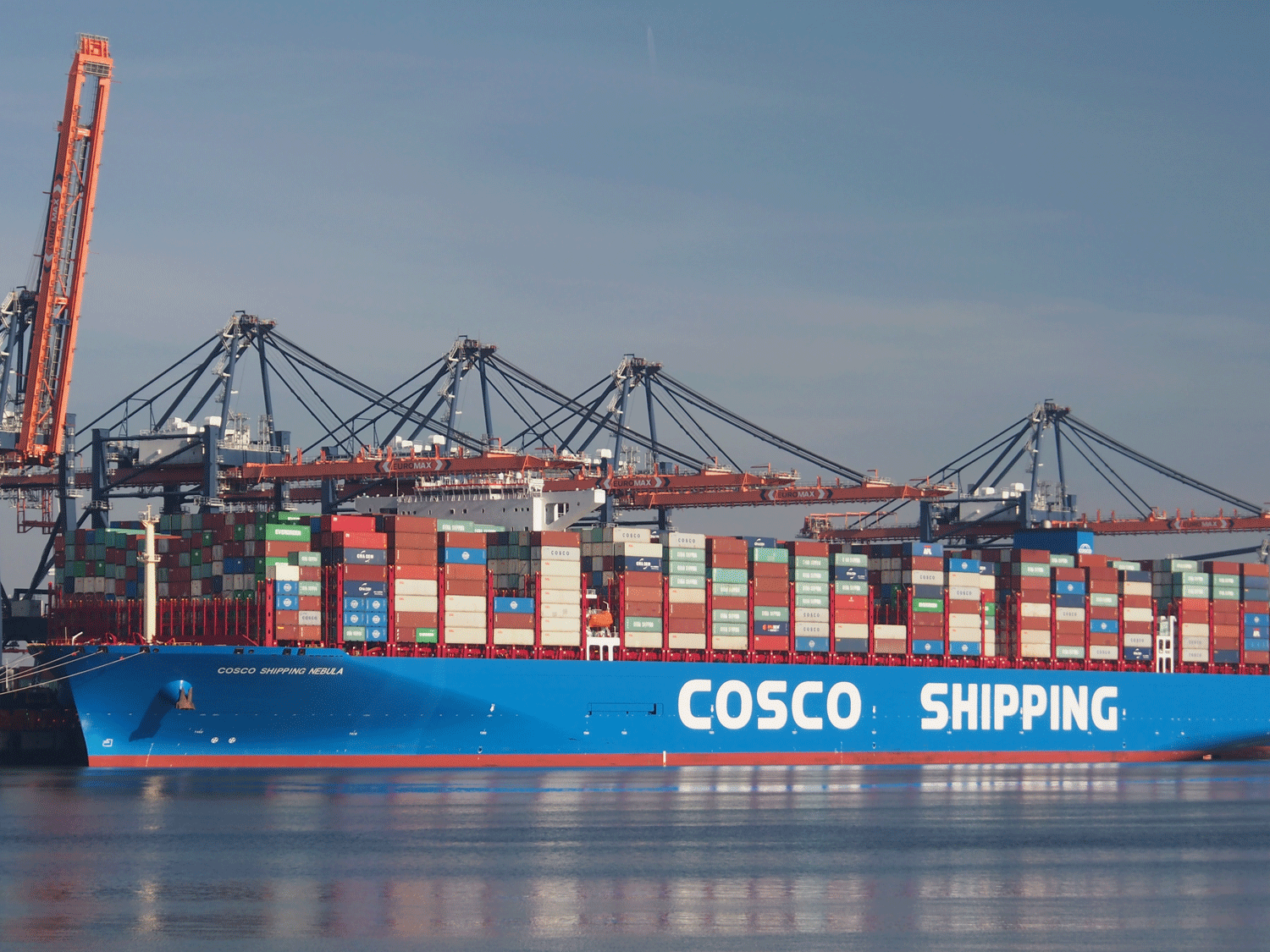
Container volumes have surged at key gateways such as Antwerp-Bruges, Bremerhaven, Rotterdam, and Felixstowe, with waiting times and yard occupancy levels climbing.

Antwerp is experiencing yard utilisation at 96%, with reefer plugs over capacity at 112%.

Nearly half the vessels arriving are waiting for berths, and 52 more containerships are en route. Berthing delays are being exacerbated by residual backlogs following strikes at the end of March, and the port has reduced its export delivery window to five days to help ease pressure.

In Germany, Bremerhaven is seeing similar strain, with nearly 30% of vessels waiting for berths and inland rail disruptions further complicating the situation. Landslides and line closures near Hannover forced lengthy rail detours, impacting traffic to and from major ports including Hamburg, Rotterdam and Duisburg. These rail delays are causing a cascading effect across Northern Europe’s inland logistics.

The Netherlands is also under pressure, with unresolved automation disputes in Rotterdam contributing to labour-related delays. In France, strikes at Le Havre have eased for now during ongoing negotiations, but the risk of renewed action remains high.

The UK is not immune. Felixstowe, London Gateway, and Southampton are all dealing with congestion as vessel diversions from continental ports push volumes higher.

Multiple factors are compounding the problem. The phasing in and out of new alliance schedules—particularly by Maersk, MSC, and Hapag-Lloyd—is disrupting established flows and increasing port calls. Simultaneously, low water levels on the Rhine are limiting barge capacity, shifting more freight to already stretched rail and road networks. Labour shortages, especially during public holidays, have further constrained operations.

With delays mounting, carriers are urging shippers to collect containers promptly and to avoid early delivery of exports. Some terminals, like PSA Antwerp, have shortened delivery windows to reduce yard congestion. Carriers are implementing contingency plans on a vessel-by-vessel basis and may introduce congestion surcharges to offset rising operational costs.

Industry forecasts suggest that congestion could persist for another three to four months, until alliance network changes bed in and volumes normalise. In the meantime, importers and exporters should prepare for longer lead times, increased costs, and fluctuating capacity at Europe’s busiest container ports.

With congestion disrupting major European gateways, our flexible contingency plans are keeping cargo moving, rerouting through alternative ports and opening up new entry points.

To reduce delays and protect your supply chain, share your shipping forecasts early so we can act fast and proactively manage risks.

For expert advice and tailored solutions, EMAIL Andrew Smith, Managing Director, today.

IMEC launch 1440x1080 1

IMEC: Europe’s New Trade Bridge to India

Launched as a strategic counterweight to China’s Belt and Road Initiative, the India–Middle East–Europe Economic Corridor (IMEC) is poised to reshape global trade flows between Europe, India, and beyond.

Backed by a coalition of world powers including the US, EU, India, and key Middle Eastern nations, IMEC promises to link South Asia with Europe through a multimodal network of ports, railways, and digital and energy infrastructure.

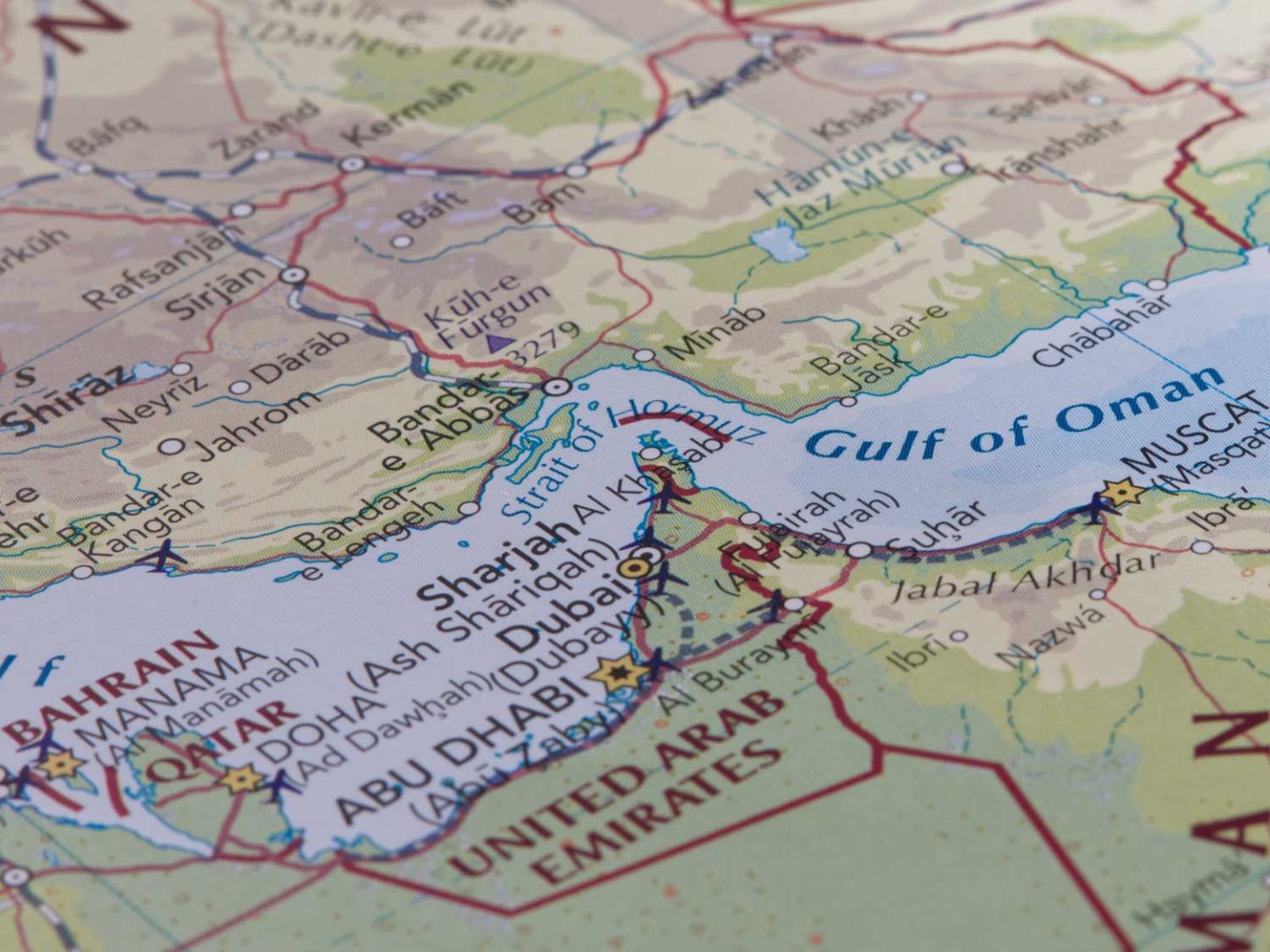
Announced during the G20 summit in New Delhi in 2023, the corridor will connect India’s western coast to Europe via the UAE, Saudi Arabia, Jordan, and Israel. From India’s planned Vadhavan deepwater port, ships would cross the Arabian Sea to Jebel Ali in the UAE, with cargo then moving by rail across the Arabian Peninsula to Israel’s port of Haifa. A final sea leg would take goods from the Mediterranean into European markets.

The corridor is designed to shorten transit times between India and Europe by up to 40%, with a summit of IMEC partners planned before the end of 2025 to present concrete initiatives.

With an estimated cost of $600 billion, IMEC also includes undersea data cables and pipelines for green hydrogen, making it as much an energy and digital connectivity play as a trade route.

Initial implementation has focused on India’s western coast, where the Modi government has greenlit the construction of the Vadhavan port. This $9 billion project is designed to handle mega-vessels and includes dedicated terminals for petroleum and automobile imports. Operational capacity is expected to reach nearly 300 million metric tons per year, with phased completion set for 2029.

From Europe’s perspective, IMEC opens up long-term opportunities to diversify supply chains, reduce reliance on volatile routes like the Suez Canal, and deepen strategic engagement with India. Transiting via Haifa not only provides a direct connection into the Mediterranean, but also serves as a hedge against disruptions in the Red Sea, including threats posed by Houthi rebel activity.

However, IMEC’s path is not without hurdles. Political instability in the region threaten the corridor’s viability and experts argue that normalised Saudi-Israeli relations would be key to securing the route, especially to ensure infrastructure security and cross-border cooperation.

India sees IMEC as central to its export-led growth model. Trade flows between India and Europe are forecast to grow by 6% annually through 2032, but current infrastructure cannot handle the expected increase. By offering a more direct and integrated pathway, IMEC positions India as a vital hub in global supply chains.

While financing remains a key challenge, particularly for European stakeholders juggling defence, energy, and industrial spending, IMEC’s geopolitical weight initially secured rare bipartisan backing in Washington. Although the project was launched during Joe Biden’s presidency, with strong US endorsement, the stance of the current administration toward international infrastructure projects remains less defined. Its evolving approach to global trade may not prioritise IMEC with the same intensity.

Images used under CC BY-SA 4.0
IMEC map
GODL-India

With India’s manufacturing capacity expanding and the IMEC corridor set to transform east–west trade, now is the time to re-evaluate your logistics strategy.

Metro is already investing in India’s future, helping global brands tap into a faster, more resilient, and sustainable trade route to Europe.

EMAIL Andrew Smith, Managing Director, to explore how our on-the-ground expertise in India can future-proof your supply chain.

air sea banner 1

Tariff Tensions Drive Short-Term Freight Surges and Long-Term Uncertainty

Global freight markets remain under pressure as shifting US tariff policies continue to disrupt established trade patterns, prompting divergent responses across air and sea freight markets. While immediate demand surges have driven up short-term pricing, underlying market dynamics suggest a volatile road ahead.

Air freight rates from the US to China have surged following China’s announcement of steep tariff increases on American imports. Faced with escalating duties – rising from 34% to 125% – Chinese importers rushed to move goods before the latest hike, triggering a sharp spike in demand for air freight. Rates have soared, in some cases quadrupling, particularly on express shipments booked close to the tariff deadline.

Freighter capacity has responded swiftly, with US–China volumes up nearly 60% in March compared to February, and year-to-date capacity 21% higher than in 2024. However, this may represent a short-term peak. As the market absorbs front-loaded shipments and the end of the de minimis exemption approaches on 2 May, analysts anticipate a rapid slowdown, potentially leading to overcapacity and falling rates across both air and ocean modes.

Despite a global drop in air cargo volumes last week, average spot rates rose by 1%, reaching their highest point this year. Combined spot and contract rates increased by 2% week on week and 3% year on year. However, some trade lanes showed early signs of softening. Volumes out of the Middle East and South Asia fell by 24%, with Asia Pacific down 7%, and North America 2%. China–US traffic dipped 5% week on week—the first decline of the year—although volumes remain slightly ahead of 2024.

Spot container rates on key east-west ocean trades showed modest increases despite widespread booking suspensions and heightened uncertainty. On the transpacific, rates from Shanghai to Los Angeles and New York rose by 3% and 2%, respectively. Yet forward-looking indices suggest softening ahead, with next-week quotes showing a 5% decline on west coast routes and a 2.5% fall on the east coast.

The tariff-driven disruption is also shifting contracting strategies. Many beneficial cargo owners are moving a larger share of their volumes into the spot market to retain flexibility, which can impact trade lane pricing stability.

Meanwhile, demand signals out of China remain mixed. Some cargo has been postponed, withdrawn from customs, or even abandoned mid-transit, as importers and exporters reassess risk exposure. Others are pressing ahead with shipments as scheduled, with a clear eye on alternative sourcing and destination markets.

On the Asia–Europe corridor, spot rate trends are more stable. Shanghai–Rotterdam rates increased by 4%, while Genoa-bound rates rose by 1%. The Shanghai Containerised Freight Index showed a 1.5% week-on-week increase to North Europe and a 6% gain to Mediterranean ports. Capacity control measures appear to be supporting rates, though competition among carriers can be fierce.

Temporary Highs, Lingering Uncertainty

While both air and sea freight markets are demonstrating resilience in the face of immediate shocks, structural uncertainty persists. Tariff changes, shifting trade alliances, and varying responses from shippers are driving short-term spikes but could give way to downward pressure as demand softens and inventory levels stabilise.

We understand the pressures global supply chains are under. That’s why we offer fixed-rate agreements on key ocean freight routes, helping you navigate rate volatility with confidence and control. 

Whether you’re managing critical lanes, looking for alternative routings or planning ahead for the year, our tailored sea freight solutions provide the stability you need to stay ahead.

To discover how Metro can strengthen your ocean supply chain and provide peace of mind, EMAIL our Managing Director, Andy Smith, today.

And if you’re seeking smarter, faster, and more resilient air freight strategies, with protected space and rates, we’re here to help. Metro’s air freight solutions are built to optimise your logistics – even in a shifting market.

EMAIL Elliot Carlile, Operations Director, today to explore how we can support your 2025 success.

Parcel post 1440x1080 1

New Tariffs and the End of De Minimis

On 2 April 2025, President Donald J. Trump announced sweeping new tariffs, targeting approximately 60 countries, with China singled out for the most severe action. In response to retaliatory tariffs from Beijing, the United States escalated its own duties, ultimately imposing a 125% tariff on all imports from China, Hong Kong, and Macau, in addition to previously existing tariffs.

While the White House has not made extensive public statements on the topic of de minimis imports – the long-standing policy allowing goods valued under $800 to enter the U.S. duty-free – key guidance released on 2 and 8 April confirms that this exemption will soon be withdrawn for goods from China and Hong Kong.

Escalation of U.S. Tariffs on China
The first of the new tariffs took effect on 4 February 2025, when a 10% duty was introduced on top of the existing Section 301 tariffs. This was increased to 20% on 4 March, and then, on 2 April, President Trump announced a 34% reciprocal tariff, which included a new 10% baseline tariff applicable to all countries starting 5 April.

However, after China retaliated with increased tariffs on U.S. exports, the White House raised the China-specific tariff to 84% on 8 April, and then to a staggering 125% on 9 April. 

This final rate became effective at 00:01 ET on 10 April. These duties are stackable, meaning that in many cases, importers will face a total duty burden of around 145%, factoring in earlier Section 301 tariffs and the new reciprocal tariffs.

De Minimis Policy Changes for Chinese Imports
The de minimis exemption, which allows shipments valued at or below $800 USD to enter the United States without duties or import taxes, is being formally eliminated for goods originating from China and Hong Kong, effective 2 May 2025 at 00:01 ET.

This change follows a period of confusion that began on 1 February, when the White House first announced the end of de minimis for Chinese-origin shipments. 

Implementation on 4 February resulted in significant logistical disruptions, including a temporary halt in parcel acceptance by the United States Postal Service (USPS). The policy was reversed just one day later, on 5 February, to give U.S. authorities time to prepare for full enforcement.

Now, with updated executive orders on 8 April and 9 April, the de minimis exemption will definitively end for China and Hong Kong on 2 May. The administration is also considering extending these rules to Macau.

Starting on that date, goods valued under $800 from China and Hong Kong will be subject to a duty calculated at 120% of the item’s value, and a postal fee of $100 per package. 

The postal fee will rise to $200 on 1 June 2025. These amounts were increased from earlier planned levels of 30% duty and $25/$50 postal fees through the two April executive orders.

Additionally, the exemption will no longer apply to low-value goods shipped through couriers or freight companies—not just postal shipments—ensuring broad application across all shipping channels.

What’s Next?
While the de minimis threshold remains in place for most other countries, both the White House and members of Congress are reportedly reviewing broader changes to this policy. 

For now, the key changes apply specifically to China and Hong Kong, but the political momentum suggests the U.S. may tighten or eliminate de minimis privileges more broadly in the near future.

TIMELINE: Tariffs on China
1 Feb Trump announces elimination of de minimis for China (initially).
4 Feb 10% tariff imposed on Chinese and Hong Kong imports. No drawback or exclusion process.
5 Feb De minimis reinstated temporarily due to USPS overload and customs issues.
4 Mar Tariff on China doubled to 20%.
2 Apr Trump announces 34% reciprocal tariff on 60 countries, starting with China.
5 Apr New baseline 10% reciprocal tariff applies to all countries (excl China).
8 Apr After China retaliates, U.S. increases China tariff to 84%; raises de minimis duty to 90%.
9 Apr Tariff on China raised to 125%. De minimis duty rises to 120%.
10 Apr 125% China tariff becomes effective.
2 May End of de minimis for China and Hong Kong. New duties and postal fees apply.
1 June Postal fee increases for low-value shipments from China.

If you’d like to review any potential impact of tariffs on your supply chain, assess your exposure, or explore strategic options, we’re here to help. Metro is well-placed to support you, backed by our expanded US footprint and strong focus on North American trade flows.

Make informed decisions with Metro’s compliance and regulatory insights. EMAIL Andrew Smith, Managing Director.